✓ South Africa has a growing and diverse art market, both online and offline.
✓ Understanding your target audience is crucial for selecting the right selling platform.
✓ Online marketplaces offer global reach, while local galleries provide curated exposure.
✓ Networking within the art community can open doors to new opportunities.
✓ Professional presentation and strong storytelling enhance the value of your art.
How It Works
1
Evaluate Your Art & Goals
Determine your art's style, price range, and your personal selling objectives. This initial assessment guides your platform selection.
2
Choose Your Selling Channels
Select from a mix of physical galleries, online platforms, art fairs, or direct sales. Consider reach, commission, and audience.
3
Prepare Your Portfolio
High-quality images, compelling artist statements, and accurate descriptions are essential. Professionalism boosts credibility and appeal.
4
Market & Engage
Actively promote your work through social media, email newsletters, and networking events. Build relationships with potential buyers and collectors.
Navigating the South African Art Market: Opportunities and Challenges
Photo: Lawrence Chileshe Kudos / Pexels
The South African art market is a dynamic and evolving landscape, brimming with potential for both established and emerging artists. Understanding its unique characteristics is the first crucial step in successfully selling your art. Unlike more mature global markets, South Africa presents a blend of traditional gallery structures, burgeoning online platforms, and a strong sense of local cultural identity that influences buyer preferences. This creates a diverse ecosystem where artists can find their niche, but also requires a strategic approach to navigate.
One of the primary opportunities lies in the increasing global interest in contemporary African art. International collectors are actively seeking out unique voices and perspectives, and South African artists are at the forefront of this movement. This global spotlight means that while local sales are important, the potential for international exposure and sales is significant. Artists should consider platforms that offer both local and international reach.
However, challenges also exist. Economic fluctuations can impact discretionary spending on art, making it essential for artists to understand market cycles and adapt their pricing and marketing strategies accordingly. Competition among artists is also high, necessitating a clear artistic voice, consistent quality, and effective self-promotion. Furthermore, the logistical challenges of shipping and insurance, especially for international sales, need to be carefully considered. Artists must also be aware of the varying commission structures across different selling channels, which can significantly impact their net earnings.
Another key aspect is the importance of storytelling. South African art often carries deep cultural, historical, and personal narratives. Buyers, particularly collectors, are increasingly drawn to art that tells a story, connects with a specific context, or evokes strong emotions. Learning to articulate the narrative behind your work, whether through an artist statement or direct conversation, can significantly enhance its appeal and perceived value. This goes beyond just the visual aesthetics; it's about connecting with the buyer on a deeper, intellectual, and emotional level.
Building a strong professional presence, both online and offline, is paramount. This includes a well-designed website or portfolio, active social media engagement, and participation in local art events. Networking with other artists, curators, gallerists, and collectors can also open doors to opportunities that might not be advertised. The South African art community, while competitive, also fosters a strong sense of collaboration and mutual support. Engaging with this community can provide invaluable insights, mentorship, and connections that can propel an artist's career forward. Understanding these nuances is vital for anyone looking to successfully navigate where to sell art in South Africa. For more insights into the broader art world, explore resources on global art market trends.
Top Online Platforms to Sell Art in South Africa
Photo: Markus Spiske / Pexels
The digital age has revolutionized how art is bought and sold, offering artists unprecedented access to a global audience from the comfort of their studios. For artists in South Africa, online platforms present a powerful avenue to showcase their work, bypass traditional gallery gatekeepers, and potentially achieve higher profit margins due to lower overheads. However, success online requires more than just uploading images; it demands a strategic approach to presentation, marketing, and understanding platform specifics.
One of the most prominent international platforms with a strong presence in South Africa is **Saatchi Art**. It boasts a vast global audience and allows artists to set their prices, manage their profiles, and benefit from Saatchi's robust marketing efforts. They handle shipping and payment processing, simplifying the logistics for artists. However, their commission rates can be significant, so artists need to factor this into their pricing strategy. The sheer volume of art on Saatchi also means artists need to actively promote their profiles to stand out.
Another popular choice is **Artfinder**, which also has an international reach and a focus on original art. Similar to Saatchi, it offers tools for artists to manage their shop and provides marketing support. Artfinder emphasizes quality and authenticity, which can be beneficial for artists looking to establish a credible online presence. Commission rates are competitive, and they also handle logistics like shipping, although artists are responsible for packaging.
Locally, platforms like **Latitudes Online** have emerged as significant players. Latitudes is known for its curated selection of contemporary African art and connects artists with a network of collectors and art enthusiasts. While it might be more selective in its artist acceptance, gaining entry can provide a strong endorsement and access to a highly engaged audience interested specifically in African art. This platform often focuses on showcasing artists from the continent, making it an excellent choice for those seeking to highlight their South African identity and artistic narrative.
For artists looking for a more direct sales approach with lower commissions, creating a personal e-commerce website using platforms like **Shopify** or **WooCommerce** (for WordPress sites) is an excellent option. This gives artists complete control over their branding, pricing, and customer experience. However, it also places the full burden of marketing, payment processing, shipping, and customer service directly on the artist. This route is ideal for artists who are comfortable with digital marketing and have an existing audience or are willing to invest time in building one. It requires a significant upfront effort but can yield higher returns in the long run.
Social media platforms like **Instagram** and **Facebook Marketplace** also serve as informal but highly effective selling channels. Many artists use Instagram as a visual portfolio, engaging directly with followers and facilitating sales through direct messages or links to their website. While not dedicated art marketplaces, their reach and visual nature make them indispensable tools for discovery and direct engagement. Artists can leverage these platforms to build their personal brand, share their creative process, and announce new works, fostering a direct connection with potential buyers. When choosing an online platform, artists should consider commission rates, audience reach, ease of use, and the level of support provided for shipping and payment processing. A multi-platform strategy, combining a personal website with one or two established marketplaces, often yields the best results.
Traditional Galleries and Physical Spaces for Art Sales
Photo: Tima Miroshnichenko / Pexels
While online platforms offer unparalleled reach, traditional art galleries and physical exhibition spaces remain cornerstone avenues for selling art in South Africa. These spaces provide a unique experience for collectors to engage with art in person, appreciate scale and texture, and receive expert guidance from gallerists. For many artists, securing representation by a reputable gallery is a significant career milestone, offering credibility, exposure, and access to an established network of collectors.
South Africa boasts a vibrant gallery scene, particularly in major cities like Johannesburg, Cape Town, and Durban. In Johannesburg, areas like Rosebank and Braamfontein are home to numerous contemporary art galleries. Galleries such as **Goodman Gallery**, known for its long history and representation of influential artists, and **Stevenson Gallery**, which has a strong focus on contemporary African art, are key players. These galleries often have international reputations, providing artists with global visibility.
Cape Town's art landscape is equally dynamic, with precincts like the V&A Waterfront and Woodstock housing a plethora of galleries. **Everard Read Gallery**, one of the oldest and most respected galleries in South Africa, and **SMAC Gallery**, which showcases cutting-edge contemporary art, are prominent examples. These galleries typically have a curated roster of artists and participate in major art fairs, further amplifying their artists' reach.
Approaching galleries requires professionalism and patience. Artists should research galleries whose aesthetic aligns with their own work and prepare a polished portfolio, including high-quality images, an artist statement, and a CV. Many galleries prefer unsolicited submissions to be sent via email with a clear subject line, while others may have specific submission guidelines or prefer to discover artists through art fairs and recommendations. It's crucial to respect their submission process and avoid dropping in unannounced. Building relationships within the art community, attending gallery openings, and networking can also increase an artist's chances of being noticed.
Beyond established galleries, smaller independent art spaces, artist-run initiatives, and pop-up exhibitions offer alternative physical avenues. These spaces often provide more flexibility and lower barriers to entry for emerging artists. They can be excellent testing grounds for new work, opportunities to build a local following, and a chance to experiment with different exhibition formats. Participating in group shows or local art fairs can also be a stepping stone to securing gallery representation. Events like the FNB Art Joburg and the Investec Cape Town Art Fair are significant annual events that attract collectors, curators, and gallerists from across the continent and internationally, making them invaluable for exposure. Engaging with these physical spaces is an essential part of understanding where to sell art in South Africa, offering a different but equally vital channel compared to online platforms. For tips on showcasing your art effectively, consider resources on creating an impactful artist portfolio.
Strategic Considerations: Pricing, Marketing, and Direct Sales
Photo: Evans Joel / Pexels
Successfully selling art, whether in South Africa or anywhere else, extends far beyond simply creating beautiful pieces. It requires a strategic approach to pricing, effective marketing, and often, a willingness to engage in direct sales. These elements are interconnected and crucial for building a sustainable art career.
**Pricing Your Art:** This is one of the most challenging aspects for many artists. Pricing should reflect not only the cost of materials and time invested but also your experience, the uniqueness of your work, and market demand. Research what similar artists with comparable experience and style are charging. Consider a per-square-inch formula as a starting point, but adjust based on complexity, medium, and subject matter. Don't undersell your work, as it can devalue your entire portfolio. However, overpricing can deter potential buyers. Transparency in pricing, especially if you have an online store, builds trust. Factor in commission rates if selling through galleries or marketplaces.
**Marketing Your Art:** In today's competitive landscape, artists must be their own best advocates. A strong online presence is non-negotiable. This includes a professional website showcasing your portfolio, an active presence on social media platforms like Instagram and Facebook, and an email newsletter to keep interested buyers informed about new work and upcoming exhibitions. Share your creative process, tell the story behind your pieces, and engage with your audience. Consider investing in professional photography of your artwork; poor images can significantly detract from its perceived value. Local marketing efforts, such as participating in community art walks, open studio events, and collaborating with local businesses, can also be highly effective in reaching a local audience.
**Direct Sales:** Selling directly to collectors can offer higher profit margins as you avoid gallery commissions. This can happen through your personal website, social media, or open studio events. Direct sales also allow for a more personal connection with buyers, fostering loyalty and repeat business. Building a client list and nurturing those relationships through personalized communication and exclusive previews can be incredibly valuable. Word-of-mouth referrals are powerful, so always strive to provide an excellent customer experience, from initial inquiry to post-sale follow-up.
**Building Your Brand:** Your artist brand is more than just your name; it's the cohesive identity that communicates your style, values, and artistic vision. Consistent branding across all platforms, from your website to your social media, helps establish recognition and trust. Develop a unique artist statement that clearly articulates your artistic philosophy and the themes you explore. This narrative helps collectors understand and connect with your work on a deeper level. Remember, selling art is not just about the transaction; it's about building a career and a legacy. A thoughtful approach to these strategic elements will significantly enhance your ability to successfully navigate where to sell art in South Africa.
**Common Mistakes to Avoid:**
* **Inconsistent Pricing:** Varying prices for the same work across different platforms confuses buyers and undermines value.
* **Poor Photography:** Blurry, poorly lit images don't do justice to your art and deter sales.
* **Lack of Storytelling:** Failing to articulate the meaning or inspiration behind your work misses an opportunity to connect with buyers emotionally.
* **Ignoring Follow-Up:** Not responding promptly to inquiries or following up after a sale can lead to lost opportunities.
* **No Online Presence:** In the digital age, being invisible online severely limits your reach and potential sales.
* **Neglecting Networking:** Isolating yourself from the art community means missing out on valuable connections and opportunities.
Comparison
Feature
Online Marketplaces (e.g., Saatchi Art)
Traditional Galleries (e.g., Goodman Gallery)
Personal Website (e.g., Shopify)
Reach
Global
Local & International (curated)
Global (artist-driven)
Commission
High (20-40%)
High (40-60%)
Low (payment processing fees)
Effort/Control
Moderate (upload, promote)
Low (gallery handles most)
High (all aspects handled by artist)
Credibility
Varies by platform
High (established reputation)
Built by artist
Direct Interaction
Limited
Limited (via gallerist)
High
What Readers Say
★★★★★
"Finding where to sell art in South Africa was overwhelming until I found this guide. The insights on local galleries and online platforms helped me choose the perfect fit for my contemporary African pieces. I've seen a significant increase in inquiries since implementing the advice."
Lerato M. · Johannesburg, Gauteng
★★★★★
"As an emerging artist, I struggled with pricing and marketing. This article provided practical steps and highlighted platforms like Latitudes Online, which has been instrumental in getting my work noticed by serious collectors. Truly a game-changer for my career."
Thabo N. · Cape Town, Western Cape
★★★★★
"The section on direct sales and building a personal brand was incredibly helpful. After setting up my own website as suggested, I managed to sell three pieces directly to international buyers within a month, something I never thought possible before."
Naledi P. · Durban, KwaZulu-Natal
★★★★★
"While the guide is excellent, I found the commission rates mentioned for galleries to be a bit higher in practice for new artists. However, the comprehensive overview of options for where to sell art in South Africa made it invaluable for my strategy."
Sipho K. · Pretoria, Gauteng
★★★★★
"This article demystified the South African art market for me. The comparison of online vs. physical spaces was particularly useful, allowing me to tailor my approach and reach both local and international audiences effectively."
Zola M. · Port Elizabeth, Eastern Cape
Frequently Asked Questions
What is the best platform for where to sell art in South Africa for beginners?
For beginners, a combination of an online marketplace like Saatchi Art or Artfinder for broader exposure, and local art fairs or pop-up exhibitions for direct engagement, often works best. These options provide varying levels of support and allow you to test the market.
Is it better to sell art online or through galleries in South Africa?
There's no single 'better' option; it depends on your goals and art style. Online platforms offer wider reach and more control, while galleries provide curated exposure, credibility, and access to established collectors. Many artists find success by utilizing both channels concurrently.
How do I price my art correctly for the South African market?
Research similar artists in South Africa, consider your materials, time, and experience. Start with a base price per square inch, then adjust for complexity and reputation. Don't undervalue your work, but be realistic about market demand and gallery commissions.
What are the typical commission rates for galleries in South Africa?
Gallery commission rates in South Africa typically range from 40% to 60% of the sale price. This covers their overheads, marketing, and client network. Online platforms usually have lower commissions, often between 20% and 35%.
How does the South African art market compare to international markets?
The South African art market is vibrant and growing, with increasing international interest in contemporary African art. While smaller than global hubs like New York or London, it offers unique cultural narratives and a strong collector base, often at more accessible price points for emerging artists.
Who should consider selling art in South Africa?
Any artist creating original artwork, whether emerging or established, who wishes to reach a diverse audience—local South African collectors, international buyers interested in African art, or those seeking to establish a presence within a dynamic and culturally rich art scene.
What are the risks of selling art independently online?
The main risks include managing all aspects yourself (marketing, shipping, customer service), potential for copyright infringement if not properly protected, and the challenge of building trust with buyers without an established platform's backing. Quality photography and clear policies mitigate these.
What are the future trends for where to sell art in South Africa?
Future trends point towards continued growth in online sales, increased interest in digital art (NFTs), and a stronger focus on sustainability and ethical practices within the art supply chain. Hybrid models combining online and physical presence will likely dominate.
Ready to turn your passion into profit? This comprehensive guide on where to sell art in South Africa provides the actionable strategies and platform insights you need. Start leveraging these opportunities today to showcase your talent and connect with eager collectors across the globe.

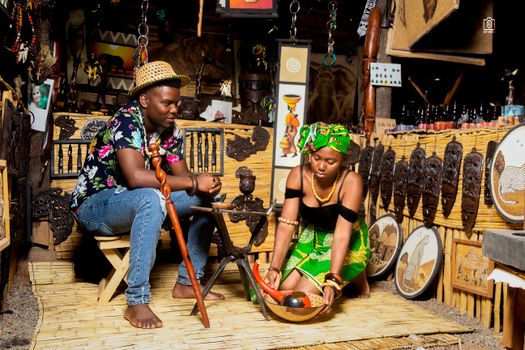 Photo: Lawrence Chileshe Kudos / Pexels
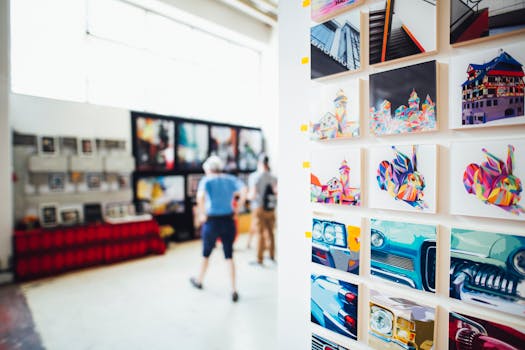 Photo: Markus Spiske / Pexels
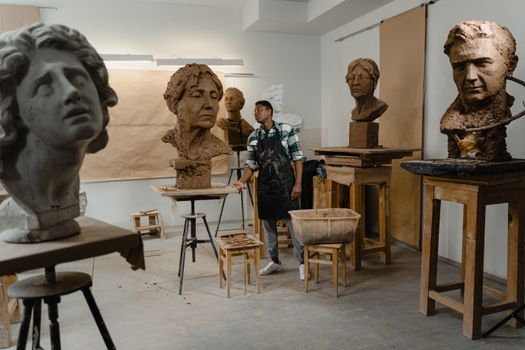 Photo: Tima Miroshnichenko / Pexels
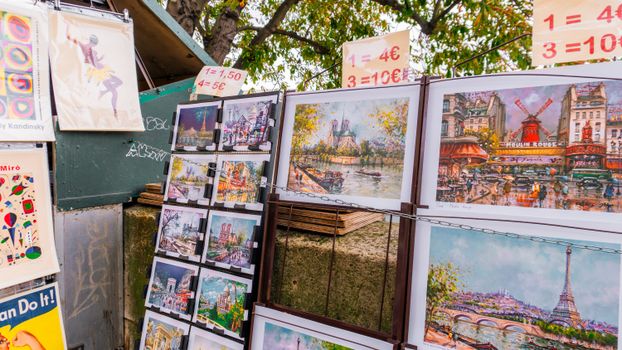 Photo: Evans Joel / Pexels