✓ South Africa has a vibrant and growing art market, both online and offline.
✓ Online platforms offer wider reach, while physical galleries provide prestige and local connections.
✓ Understanding your art's value and target audience is crucial for successful sales.
✓ Networking within the art community can open doors to new selling opportunities.
How It Works
1
Assess Your Artwork
Determine the style, medium, and potential market value of your art. High-quality photography is essential for online listings and portfolio submissions.
2
Choose Your Platform
Select the most suitable selling channel, whether it's an online marketplace, a physical gallery, or a direct-to-consumer approach. Each has its own benefits and requirements.
3
Prepare for Sale
Write compelling descriptions, set competitive pricing, and understand shipping logistics or gallery consignment terms. Professional presentation is key to attracting buyers.
4
Market and Engage
Promote your art through social media, personal websites, and art events. Engage with potential buyers and build relationships within the art community to foster trust and sales.
Navigating the South African Art Market: Online Platforms
Photo: Steve A Johnson / Pexels
The digital age has revolutionized how artists and collectors connect, and South Africa is no exception. Online platforms offer unparalleled reach, allowing artists to showcase their work to a global audience without the geographical constraints of traditional galleries. For those wondering where to sell art in South Africa, online marketplaces are often the first port of call, providing a relatively low-barrier entry point for emerging artists and a convenient sales channel for established ones. These platforms typically operate on a commission basis, taking a percentage of the sale price, or sometimes charge a subscription fee for listing. The key to success on these platforms lies in high-quality photography, detailed descriptions, and proactive marketing. Artists need to invest time in creating an appealing profile, regularly updating their inventory, and engaging with potential buyers. Furthermore, understanding the nuances of shipping and handling for delicate artworks is paramount when selling online, especially across borders. Online art sales have seen a significant boom, and platforms tailored to the South African market are gaining traction, alongside international giants. These local platforms often have a better understanding of the domestic art scene, buyer preferences, and logistics, which can be a significant advantage. They might also offer curatorial support or promotional opportunities specifically targeting South African collectors. When choosing an online platform, consider its reputation, audience, commission structure, and the level of support it offers. Some platforms cater to specific styles or price points, so aligning your art with the platform's focus can increase your chances of a sale. It's also wise to research their marketing reach and how they promote artists. Establishing a strong online presence, including a personal website or social media art page, can complement your listings on these platforms, providing an additional touchpoint for interested buyers and allowing you to retain a larger percentage of your sales. Diversifying your online channels can also help mitigate risks and broaden your exposure. Remember, building a successful online art selling career requires consistent effort and a strategic approach to digital marketing and customer engagement. The convenience of selling from your studio or home, coupled with the vast reach, makes online platforms an indispensable part of the modern South African art selling landscape. Exploring both local and international options can maximize your opportunities.
Traditional Avenues: Art Galleries and Auction Houses in ZA
Photo: Tima Miroshnichenko / Pexels
For many artists, the dream of having their work displayed in a physical gallery remains a powerful aspiration. Galleries in South Africa, particularly in major cities like Johannesburg and Cape Town, offer prestige, expert curation, and access to an established network of serious collectors. When considering where to sell art in South Africa through traditional channels, galleries are a prime option. They typically operate on a consignment basis, taking a commission (often 40-60%) from sales. The process usually involves submitting a portfolio for review, and if accepted, the gallery will represent your work, handle marketing, sales, and often installation. Building relationships with gallerists is crucial; attending openings, networking, and understanding a gallery's specific aesthetic or artist roster can significantly improve your chances of representation. Each gallery has its own unique focus, from contemporary art to traditional African works, so researching and approaching galleries that align with your style is essential. Auction houses represent another significant traditional avenue, particularly for established artists or those with a proven track record. Houses like Strauss & Co. or Aspire Art Auctions are prominent players in the South African art auction scene. Selling through an auction house can result in high-value sales and considerable exposure, but it's generally reserved for art that has a strong secondary market value or comes from well-known artists. The process involves appraisals, consignment agreements, and often a seller's commission. While potentially lucrative, the auction market can also be unpredictable, and there's a risk that art may not meet its reserve price. For both galleries and auction houses, a strong professional presentation of your work, including a compelling artist statement, professional biography, and high-quality images, is non-negotiable. Participation in art fairs, both local and international, can also be facilitated through galleries, offering artists direct exposure to a concentrated audience of buyers and collectors. These traditional channels, while more selective, offer a level of credibility and access to a different segment of the market than online platforms. They provide an opportunity for physical engagement with the artwork, which many collectors still value deeply. Successfully navigating these traditional avenues requires patience, persistence, and a keen understanding of the specific requirements and expectations of each institution. It's about strategic placement and building long-term relationships within the art world.
Direct Sales and Alternative Channels for Artists
Photo: M.Emin BİLİR / Pexels
Beyond online platforms and traditional galleries, a multitude of alternative channels and direct selling methods exist for artists looking for where to sell art in South Africa. Direct sales empower artists to retain 100% of their earnings and build personal relationships with their collectors. This can be achieved through various means, starting with your own artist website. A professional, e-commerce-enabled website allows you to showcase your portfolio, tell your story, and sell directly to interested buyers worldwide. This approach requires an investment in web development and ongoing digital marketing efforts, but the long-term benefits of owning your sales channel are immense. Social media platforms like Instagram, Facebook, and even Pinterest have become powerful tools for artists. By consistently sharing your work, process, and behind-the-scenes glimpses, you can build a dedicated following that translates into sales. Engaging with your audience, running targeted ads, and utilizing features like Instagram Shopping can turn your social media presence into a significant income stream. Participating in local art markets, craft fairs, and pop-up events is another excellent way to sell art directly. These events provide opportunities for face-to-face interaction with potential buyers, allowing them to experience your art firsthand and connect with you as the creator. They are particularly effective for selling smaller, more accessible pieces and building a local customer base. Consider the logistics of setting up a stall, pricing, and handling transactions on site. Collaborating with local businesses, such as cafes, restaurants, or boutique stores, can also create unique selling opportunities. Many establishments are keen to display local art, offering a public space for your work to be seen, often on a commission basis. This can be a great way to gain exposure and make sales without the overheads of a gallery. Furthermore, commission work represents a bespoke selling channel. By offering custom pieces, artists can cater directly to client needs, often securing higher prices and building strong client relationships. Promoting your availability for commissions through all your channels is key. Finally, art rentals for corporate spaces or individuals can provide a recurring income stream and introduce your work to new audiences who might later become buyers. Exploring these diverse channels allows artists to diversify their income, build a personal brand, and gain greater control over their sales process. Artist marketing strategies are vital to success in these varied avenues. The most successful artists often employ a multi-channel approach, leveraging the strengths of each method to create a robust and resilient art selling business.
Essential Tips for Selling Art Successfully in South Africa
Photo: AS Photography / Pexels
Selling art, regardless of the channel, requires more than just creating beautiful pieces. To succeed in the competitive South African art market, strategic planning and consistent effort are paramount. Here are essential tips to help you maximize your sales potential:
* **Professional Presentation is Non-Negotiable:** This includes high-quality, well-lit photographs of your artwork from multiple angles, especially for online listings. For physical submissions, ensure your work is impeccably framed or presented, and your portfolio is well-organized and professional. First impressions are critical.
* **Understand Your Value and Pricing:** Research similar artists and artworks to understand market rates. Don't underprice your work, as it can devalue your brand. Factor in material costs, time spent, and your experience. Be confident in your pricing, but also be prepared to justify it with a clear artist statement and narrative.
* **Craft a Compelling Artist Story:** People connect with stories. Your artist statement should articulate your vision, inspiration, and process in an engaging way. This narrative helps potential buyers understand the depth and meaning behind your work, fostering an emotional connection that often leads to a purchase.
* **Build an Online Presence:** Even if you prefer selling through galleries, a strong online presence (website, social media) is crucial for visibility and credibility. It acts as your digital portfolio and a central hub for all your artistic endeavors. Regularly update it with new work, exhibition news, and artist insights.
* **Network Relentlessly:** Attend art openings, workshops, and industry events. Connect with other artists, gallerists, curators, and collectors. Networking can lead to collaborations, exhibitions, and direct sales opportunities. The art world is often built on relationships.
* **Master Shipping and Logistics:** If selling online or to buyers outside your immediate area, understand how to safely package and ship your artwork. Research reliable couriers, insurance options, and customs regulations for international sales. Clear communication about shipping costs and timelines is vital for customer satisfaction.
* **Embrace Marketing and Self-Promotion:** Don't wait for buyers to find you. Actively market your work through social media, email newsletters, and local press releases. Learn basic SEO for your website and use relevant hashtags on social media to increase discoverability.
* **Persistence and Patience:** Selling art can be a long game. Not every piece will sell immediately, and rejections are part of the process. Stay persistent, keep creating, keep learning, and continuously refine your approach. Success often comes to those who persevere.
By integrating these tips into your overall strategy, artists and collectors can significantly improve their chances of successfully selling art in the dynamic South African market. Remember, every sale is a culmination of artistic talent, strategic marketing, and effective communication.
Comparison
Feature
Online Marketplaces
Physical Galleries
Direct Artist Sales
Reach
Global
Local/National
Variable (Personal Network)
Commission/Fees
10-35%
40-60%
0% (Excl. transaction fees)
Setup Difficulty
Low to Medium
High (Portfolio Review)
Medium (Website/Events)
Exposure Level
High (Digital)
High (Curated Audience)
Medium (Self-driven)
Buyer Interaction
Limited/Digital
Direct (Gallerist)
Direct (Artist)
Prestige
Varies
High
Earned
What Readers Say
★★★★★
"Finding where to sell art in South Africa used to be a challenge for me, but this guide opened my eyes to so many online platforms. I've successfully sold three pieces through a local art marketplace it recommended, and the process was smooth and professional."
Thandi M. · Cape Town, WC
★★★★★
"As a collector, I often look for new artists. This article's insights into traditional galleries and auction houses helped me understand the primary market better. It's a fantastic resource for anyone navigating the South African art scene."
Sipho N. · Johannesburg, GP
★★★★★
"After reading this, I revamped my artist website and started actively using Instagram. Within a month, I received two custom commission requests and sold a print directly from my site. This guide on where to sell art in South Africa truly delivered concrete results for my art business."
Leila P. · Durban, KZN
★★★★★
"The information on direct sales and art markets was particularly useful. While I'm still building my network, the advice on pricing and professional presentation has already helped me approach local businesses with more confidence. It's a comprehensive resource, though gallery representation still feels like a distant goal for emerging artists."
Mark D. · Pretoria, GP
★★★★★
"I inherited a few pieces and wasn't sure where to begin. This article clearly explained the difference between galleries, auction houses, and online resales for where to sell art in South Africa. I'm now in talks with an auction house, feeling much more informed thanks to this guide."
Zola K. · Port Elizabeth, EC
Frequently Asked Questions
What is the best platform to sell art online in South Africa?
The 'best' platform depends on your art style, target audience, and experience level. Local platforms like Art.co.za or StateoftheArt.co.za are excellent for reaching a South African audience, while international sites like Saatchi Art or Etsy (for prints/smaller works) offer global reach. Consider commission rates, audience, and ease of use when choosing.
Is it difficult for emerging artists to get into South African galleries?
Getting gallery representation can be challenging for emerging artists due to high competition and specific curatorial visions. However, it's not impossible. Focus on developing a strong, cohesive body of work, building a professional portfolio, networking, and approaching galleries whose aesthetic aligns with yours. Persistence and patience are key.
How do I price my artwork for the South African market?
Pricing your artwork involves several factors: cost of materials, time spent, your experience level, the medium, and comparable sales by artists of similar stature. Research what similar artworks are selling for in South African galleries and online. Don't underprice your work, as it can devalue your brand. Consider offering different price points for originals, limited edition prints, and open edition prints.
What are the typical commission rates for selling art in South Africa?
Commission rates vary significantly by platform and channel. Online marketplaces typically charge between 10-35% of the sale price. Physical art galleries often take a higher commission, usually ranging from 40-60%. Auction houses also charge a seller's commission, which can vary. Direct sales via your own website or markets usually incur only payment processing fees.
Should I sell my art directly or through a gallery in South Africa?
Both direct sales and gallery representation have their advantages. Direct sales offer higher profit margins and direct engagement with collectors but require more self-promotion. Galleries provide prestige, access to established collectors, and handle marketing and sales, but take a significant commission. Many successful artists use a hybrid approach, selling some work directly while maintaining gallery relationships for larger pieces or specific exhibitions.
Who should use this guide to sell art in South Africa?
This guide is designed for a wide range of individuals looking to sell art in South Africa: emerging artists seeking their first sales, established artists looking to diversify their selling channels, art collectors wanting to deaccession pieces, and anyone interested in understanding the mechanics of the South African art market. It provides actionable strategies for various scenarios.
What are the risks of selling art online without a gallery?
Selling art online directly carries risks such as managing secure payment processing, handling complex shipping logistics (especially for international sales), dealing with potential returns or disputes, and protecting your work from intellectual property theft. Without a gallery's established reputation, building trust with buyers also requires consistent effort in communication and professional presentation. However, these risks can be mitigated with careful planning and reliable service providers.
How will the South African art market evolve in the next few years?
The South African art market is expected to continue its growth, with a strong emphasis on digital transformation. Online sales will likely increase, and hybrid models combining physical exhibitions with virtual viewing rooms will become more common. There will also be a continued focus on promoting diverse voices and contemporary African art on the global stage, fostering both local and international interest and investment.
Ready to turn your passion into profit? Utilize this comprehensive guide to navigate where to sell art in South Africa. Start exploring the diverse avenues available and connect your incredible artwork with appreciative buyers today.

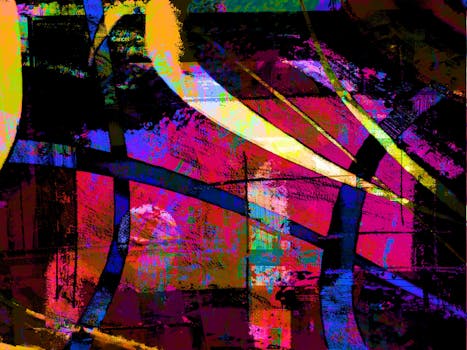 Photo: Steve A Johnson / Pexels
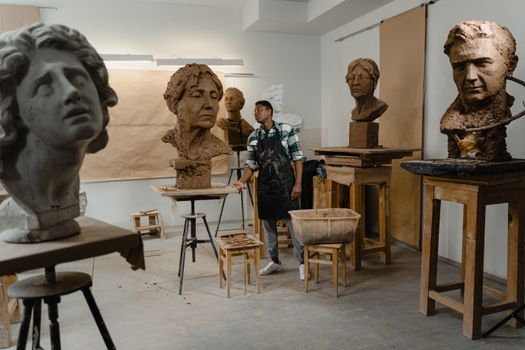 Photo: Tima Miroshnichenko / Pexels
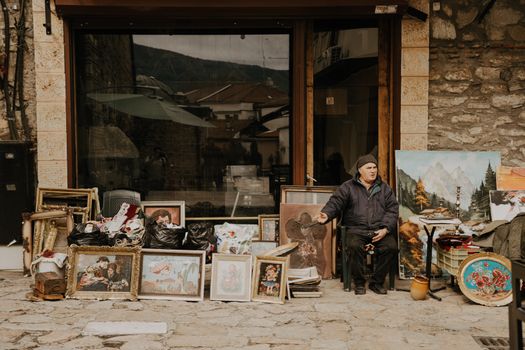 Photo: M.Emin BİLİR / Pexels
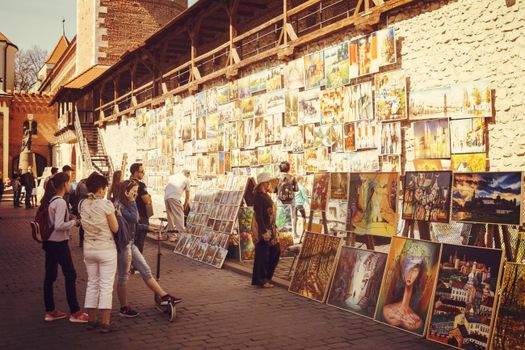 Photo: AS Photography / Pexels