Where to Sell Art in South Africa: Your Ultimate Guide
August 27, 2026 15 min read 3,014 words
Unlock the diverse avenues available for South African artists to showcase and sell their creations, from online galleries to physical spaces.
Start Selling Your Art
Navigating the Online Landscape: Selling Art Online in South Africa
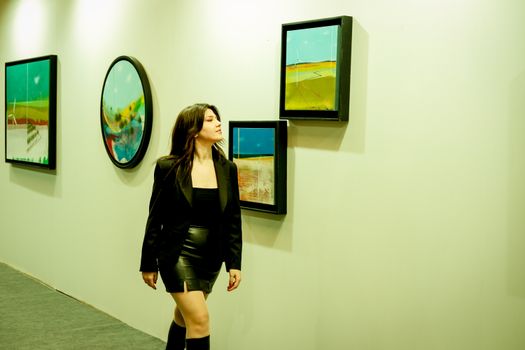 Photo: Beyzaa Yurtkuran / Pexels
The digital age has revolutionized how artists connect with buyers, making online platforms indispensable for anyone asking where to sell art in South Africa. The accessibility and global reach of the internet mean that your art is no longer confined to local exhibitions or galleries; it can be seen and purchased by collectors from Cape Town to California. This section delves into the most effective online avenues available to South African artists.
Firstly, dedicated online art marketplaces are a cornerstone. Platforms like Art.co.za and Saatchi Art offer established ecosystems where artists can create profiles, upload their portfolios, and manage sales. Art.co.za, specifically tailored for the South African market, provides a familiar and trusted environment for local buyers. Saatchi Art, while international, has a significant global reach, exposing your work to a wider audience of serious collectors. When choosing such platforms, consider their commission rates, shipping logistics, and the level of marketing support they offer. Some platforms handle payment processing and shipping, simplifying the logistical burden for artists, while others require more self-management.
Secondly, building your own e-commerce website is a powerful strategy for artists seeking full control over their brand and sales process. Platforms like Shopify, WooCommerce (for WordPress), or Squarespace offer user-friendly tools to create a professional online store. This gives you complete autonomy over pricing, branding, customer data, and the overall buyer experience. While it requires an initial investment of time and potentially money, the long-term benefits include higher profit margins (no commission fees) and direct communication with your audience. To succeed with your own website, you'll need to invest in search engine optimization (SEO) to ensure potential buyers can find your site, and actively promote it through social media and email marketing. Creating engaging content, such as blog posts about your artistic process or behind-the-scenes glimpses, can also drive traffic and build a loyal following.
Thirdly, social media platforms have evolved into dynamic marketplaces. Instagram, in particular, is a visual medium perfectly suited for artists. High-quality images and videos of your work, coupled with engaging captions that tell the story behind each piece, can attract a substantial following. Utilizing features like Instagram Shopping, direct messages for inquiries, and collaborations with influencers can turn your feed into a powerful sales channel. Facebook Marketplace and dedicated art groups on Facebook also offer opportunities to connect with local buyers. Pinterest, with its image-discovery focus, can drive traffic to your website or online store. The key to success on social media is consistency, authentic engagement, and understanding the nuances of each platform's algorithm. Remember to always provide clear calls to action and easy ways for interested buyers to make a purchase.
Learn more about promoting your art online.
Finally, online auctions, both local and international, present another viable option. Platforms like Strauss & Co (South Africa) and international auction houses with online bidding capabilities allow artists to reach a sophisticated collector base. While typically reserved for more established artists or those with auction house representation, emerging artists can sometimes participate in curated online-only sales. Researching the eligibility criteria and understanding the auction process, including reserves and buyer's premiums, is crucial before considering this route. The online landscape for selling art in South Africa is diverse and ever-evolving, offering unparalleled opportunities for artists who are willing to embrace digital strategies.
Traditional Avenues: Art Galleries and Exhibitions in South Africa
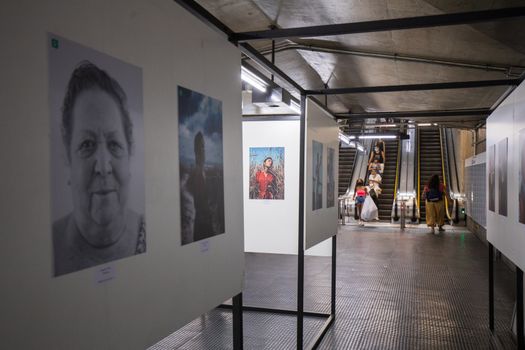 Photo: Matheus Bertelli / Pexels
While the digital realm offers vast opportunities, physical art galleries and exhibitions remain paramount for artists seeking where to sell art in South Africa, especially for establishing credibility, building relationships, and allowing collectors to experience art in person. The tactile nature of art often necessitates a physical viewing, and galleries provide that crucial space, fostering a deeper connection between the artwork and the potential buyer. This section explores the landscape of traditional art sales channels across South Africa.
Major art hubs like Cape Town, Johannesburg, and Durban boast a multitude of galleries, each with its own unique focus and aesthetic. In Cape Town, areas like the V&A Waterfront, Woodstock, and the CBD are home to prestigious galleries such as the Zeitz MOCAA (though primarily a museum, it influences the broader art scene), Goodman Gallery, SMAC Gallery, and Everard Read. These galleries often represent established artists but also keep an eye out for emerging talent. Johannesburg's art scene thrives in precincts like Rosebank and the CBD, featuring galleries like Circa Gallery, Stevenson Gallery, and David Krut Projects. Durban's art scene, while smaller, is vibrant with spaces like KZNSA Gallery and art spaces in Umhlanga. Approaching galleries requires a professional portfolio, an artist statement, and a clear understanding of the gallery's specific curatorial direction. Most galleries prefer artists to submit their work digitally first, often through a dedicated submission process outlined on their website. Building a relationship with gallerists, attending their openings, and networking within the art community can significantly increase your chances of representation.
Beyond commercial galleries, publicly funded art spaces and non-profit organizations also play a vital role. These institutions often host exhibitions, artist residencies, and art education programs, providing invaluable exposure and networking opportunities. Examples include the National Gallery of South Africa in Cape Town, the Pretoria Art Museum, and the Durban Art Gallery. While direct sales might not be their primary function, exhibiting in such spaces can elevate an artist's profile, leading to sales through indirect channels or future gallery representation.
Art fairs and markets are another dynamic avenue. Major events like the FNB Art Joburg and Investec Cape Town Art Fair attract local and international collectors, curators, and critics. Participating in these fairs, either directly or through a gallery, offers unparalleled visibility and direct access to a high-value market. For emerging artists or those seeking more direct interaction with buyers, local art markets and craft fairs, such as the Neighbourgoods Market in Cape Town and Johannesburg, or smaller community-based markets, provide excellent platforms. These markets allow artists to sell directly to the public, gather feedback, and build a local client base without the overheads of gallery representation. The atmosphere is often more relaxed, encouraging conversation and impulse purchases. Booth presentation, clear pricing, and engaging with visitors are crucial for success at these events.
Finally, pop-up exhibitions and studio sales offer flexible and direct selling opportunities. Artists can rent temporary spaces in high-traffic areas or open their studios to the public for a limited time. This approach allows for complete creative control and direct interaction with buyers, fostering a personal connection. Promoting these events through local media, social media, and word-of-mouth is essential for drawing a crowd. Traditional avenues, while sometimes requiring more effort in terms of networking and submissions, offer unique benefits in terms of prestige, direct engagement, and the tangible experience of art.
Alternative Sales Channels and Building Your Art Career in South Africa
 Photo: 光术 山影 / Pexels
Beyond the mainstream online platforms and traditional galleries, a savvy artist looking for where to sell art in South Africa will explore a range of alternative channels and strategies to build a sustainable career. The contemporary art market values innovation and direct engagement, providing fertile ground for creative selling approaches. Diversifying your sales channels not only increases your income streams but also broadens your audience and reduces reliance on any single avenue.
One significant alternative is corporate art consulting and direct commissions. Many businesses, from small startups to large corporations, seek to enhance their office spaces with original artwork. This can range from purchasing existing pieces to commissioning custom works that align with their brand identity. Networking with interior designers, architects, and business owners can open doors to these opportunities. Creating a professional portfolio specifically tailored for corporate clients, highlighting large-scale works or pieces suitable for commercial environments, is beneficial. Similarly, private commissions from individuals for portraits, landscapes, or specific thematic pieces can be a lucrative source of income. Actively promoting your willingness to undertake commissions on your website, social media, and through word-of-mouth is key.
Another growing area is collaborations with brands and designers. Artists can partner with fashion labels, homeware brands, or even tech companies to create unique products featuring their artwork. This not only generates revenue but also exposes your art to an entirely new demographic. Licensing your artwork for reproduction on various products, such as prints, stationery, textiles, or merchandise, can create passive income streams. Websites like Society6 or Redbubble allow artists to upload their designs and earn royalties on sales, handling all production and shipping. While the per-item profit might be smaller, the scalability and reach can be substantial.
Explore different ways to market your artistic creations.
Art rentals and leasing programs are also emerging. Some companies and even individuals prefer to rent art for a period rather than purchase it outright. This provides artists with recurring income and allows their work to be seen in various settings. Establishing a clear contract outlining terms, insurance, and maintenance is crucial for such arrangements. Art residencies, while not directly sales channels, are invaluable for career development. They offer dedicated time and space to create, often culminating in an exhibition or open studio event where works can be sold directly. Residencies also provide networking opportunities with other artists, curators, and collectors.
Finally, community engagement and art education can indirectly lead to sales. Offering workshops, classes, or art talks can position you as an expert in your field, attracting students who may later become collectors, or simply increasing your visibility within the local community. Participating in local art initiatives, public art projects, or charity auctions can also raise your profile and demonstrate your commitment to the arts, fostering goodwill that translates into sales. Building a strong personal brand, consistently producing high-quality work, and proactively seeking out diverse opportunities are the hallmarks of successful artists navigating the South African art market.
Essential Tips for Selling Your Art Successfully in South Africa
 Photo: Markus Spiske / Pexels
Selling art in South Africa, as anywhere else, requires more than just creating beautiful pieces; it demands strategic thinking, business acumen, and persistent effort. Here are crucial tips to enhance your chances of success, whether you're just starting or looking to expand your reach.
**1. Professional Presentation is Non-Negotiable:**
* **High-Quality Photography:** Invest in professional photos of your artwork. Poor lighting, blurry images, or distracting backgrounds can deter potential buyers instantly. This is especially critical for online sales.
* **Detailed Descriptions:** Provide comprehensive details for each piece: title, medium, dimensions, year created, and a compelling artist statement or story behind the work. This adds value and helps buyers connect with your art.
* **Consistent Branding:** Develop a consistent visual identity across all platforms – your website, social media, business cards, and even your packaging. This builds recognition and professionalism.
**2. Understand Your Market and Price Strategically:**
* **Research:** Look at what similar artists with comparable experience and style are charging. Consider the medium, size, complexity, and your own reputation.
* **Value Your Time and Materials:** Don't underprice your work. Calculate your material costs and the time invested, then add a reasonable profit margin. Value yourself as a professional.
* **Transparency:** Be clear about your pricing. If you offer prints or different sizes, list those options clearly.
**3. Build Your Online Presence:**
* **Artist Website:** A professional website acts as your central hub, showcasing your portfolio, artist bio, contact information, and potentially an online shop.
* **Social Media Engagement:** Actively use platforms like Instagram, Facebook, and Pinterest. Share your process, behind-the-scenes content, and engage with your followers. Use relevant hashtags.
* **Email List:** Start building an email list from day one. It's one of the most effective ways to communicate directly with interested collectors about new work, exhibitions, or sales.
**4. Network and Build Relationships:**
* **Attend Art Events:** Go to gallery openings, art fairs, and workshops. Meet other artists, gallerists, curators, and collectors. Networking is crucial in the art world.
* **Collaborate:** Partner with other artists, local businesses, or designers. This can lead to new opportunities and exposure.
* **Follow Up:** If you meet someone interested in your work, follow up respectfully with an email or a social media connection.
**5. Master Shipping and Logistics:**
* **Secure Packaging:** Learn how to properly pack your artwork to prevent damage during transit. Use high-quality packing materials.
* **Reliable Shipping:** Research local and international shipping options. Understand costs, customs regulations for international sales, and insurance requirements.
* **Clear Policies:** Have clear policies for shipping, returns, and damages prominently displayed on your website or discussed with buyers.
