Where to Sell Art in South Africa: Your Ultimate Guide
where to sell art in south africa

Where to Sell Art in South Africa: Your Ultimate Guide

Unlock the vibrant South African art market and find the perfect avenues to sell your creations for maximum impact and profit.

Start Selling Your Art

Key Takeaways

  • ✓ South Africa boasts a dynamic and growing art market, offering diverse selling opportunities.
  • ✓ Online platforms provide global reach, while physical galleries offer local prestige and direct client engagement.
  • ✓ Understanding commission structures and market trends is crucial for profitable sales.
  • ✓ Networking and professional presentation significantly boost an artist's selling potential.

How It Works

1
Assess Your Art & Goals

Determine your art's style, value, and target audience. Clarify your selling objectives, whether it's broad exposure or high-value sales.

2
Research Selling Avenues

Explore various options like online marketplaces, galleries, art fairs, and auctions. Compare their reach, costs, and suitability for your work.

3
Prepare Your Portfolio & Pricing

Create a professional portfolio with high-quality images and clear descriptions. Research market prices to set competitive yet profitable pricing for your pieces.

4
Engage & Market Your Work

Actively promote your art through chosen channels, leveraging social media and personal networks. Build relationships with buyers and gallerists to foster long-term success.

Navigating the South African Art Market Landscape
A street market vendor passionately explains artwork to two visitors, showcasing vibrant local art. Photo: Shir Danieli / Pexels
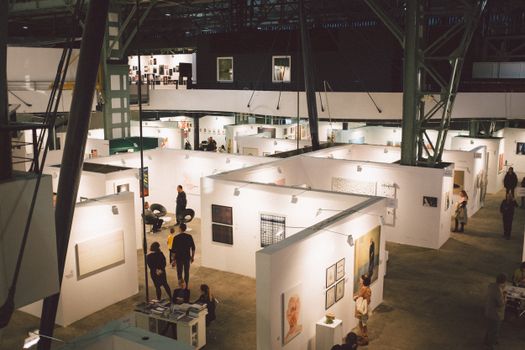
The South African art market is a vibrant and complex ecosystem, teeming with opportunities for artists at every stage of their career. Understanding its nuances is the first crucial step to successfully selling your work. Unlike more established global markets, South Africa offers a unique blend of traditional gallery spaces, burgeoning online platforms, and a strong sense of community amongst artists and collectors. This diversity means that finding the right fit for your art requires careful consideration of your style, target audience, and personal selling goals. Are you creating contemporary abstract pieces that appeal to younger, digitally-savvy buyers, or are you crafting traditional landscapes that resonate with established collectors? Your artistic identity will heavily influence the most effective selling channels. Historically, physical art galleries have been the cornerstone of the South African art market. Cities like Cape Town and Johannesburg boast numerous high-profile galleries that represent both emerging and established artists. These institutions offer credibility, exposure to serious collectors, and often handle all aspects of marketing, sales, and logistics. However, gaining representation can be highly competitive, requiring a strong portfolio, a consistent artistic voice, and often a personal connection. Galleries typically operate on a consignment basis, taking a significant commission (often 40-60%) on sales. While this percentage might seem high, it covers their overheads, marketing efforts, and the invaluable access they provide to their client base. It's essential to research galleries whose aesthetic aligns with your own and whose track record demonstrates successful sales for artists similar to you. Don't be afraid to visit galleries, attend openings, and engage with gallerists to understand their specific focus and submission processes. Beyond traditional galleries, the rise of online platforms has democratized art sales, opening new doors for artists across South Africa. These platforms range from dedicated online art marketplaces to social media channels, each offering distinct advantages. Online sales eliminate geographical barriers, allowing artists to reach a global audience directly from their studios. This is particularly beneficial for artists located outside major metropolitan areas or those looking to bypass the traditional gallery system. Furthermore, selling online often means artists retain a larger percentage of the sale price, as commissions are generally lower than those charged by physical galleries or, in some cases, non-existent if you sell directly from your own website. However, the onus is on the artist to handle all aspects of marketing, photography, pricing, shipping, and customer service. This requires a different skill set and a significant investment of time and effort. Nevertheless, for many artists, the control and direct connection with buyers offered by online channels make them an incredibly attractive option when considering where to sell art in South Africa. Another significant aspect of the South African art scene is the prevalence of art fairs and markets. These events, ranging from large-scale international fairs like FNB Art Joburg to smaller, local craft markets, provide invaluable opportunities for artists to showcase their work, interact directly with potential buyers, and network with fellow artists and industry professionals. Fairs offer immediate sales potential, direct feedback from the public, and the chance to build a mailing list of interested collectors. While participation often involves a stand fee, the visibility and sales generated can make it a worthwhile investment. The energy at these events is often palpable, creating a dynamic environment that encourages impulse purchases and fosters a sense of community. Understanding the specific focus of each fair – whether it's contemporary art, photography, or craft – will help you choose the most appropriate venues for your work. Ultimately, a multi-pronged approach, combining elements of physical and online presence, often yields the most successful and sustainable selling strategy in the diverse South African art market.

Top Online Platforms and Marketplaces for South African Artists

An artist uses a brush to paint abstract patterns on a large canvas placed on the floor. Photo: cottonbro studio / Pexels
The digital landscape has revolutionized how artists connect with buyers, and South Africa is no exception. For artists wondering where to sell art in South Africa without the constraints of physical locations, online platforms offer unparalleled reach and flexibility. These platforms vary widely in their offerings, from curated marketplaces to DIY e-commerce solutions, each with its own advantages and disadvantages. Choosing the right online channel depends on your brand, your technical comfort level, and your desired level of control over the sales process. Dedicated online art marketplaces are a popular choice for many artists. Platforms like Art.co.za and Saatchi Art (which has a strong presence in South Africa) allow artists to create profiles, upload high-quality images of their work, and manage their listings. These platforms often handle payment processing and sometimes even shipping logistics, streamlining the selling experience. Art.co.za, for instance, is specifically tailored to the South African market, connecting local artists with local and international buyers. It provides a curated space that helps artists gain visibility within a relevant audience. Saatchi Art, while global, has a significant number of South African artists and collectors, offering a broader international reach. The key benefit of these marketplaces is their built-in audience; they attract buyers actively looking for art, reducing the marketing burden on individual artists. However, they typically charge a commission on sales, which can range from 10% to 35%, depending on the platform and membership tier. It's crucial to read their terms and conditions carefully to understand the fee structure and what services are included. Beyond specialized art platforms, general e-commerce sites and social media also present powerful selling opportunities. Etsy, while known for crafts, has a vibrant art section and a significant South African user base. It's particularly good for artists selling prints, smaller original works, or art-related merchandise. The platform is user-friendly, and setting up a shop is relatively straightforward. Instagram, with its visual-first approach, has become an indispensable tool for many artists. By consistently sharing high-quality images and videos of their work, artists can build a dedicated following and drive sales directly through DMs or by linking to an external shop. Facebook Marketplace and local art groups on Facebook can also be effective for selling within specific communities or regions. While these platforms offer immense reach and often lower (or no) direct selling fees, they require a proactive marketing strategy and consistent engagement to stand out from the crowd. Artists must be adept at self-promotion, photography, and customer service to succeed here. Finally, for artists who prefer complete control and branding, creating a personal website and online store is an excellent option. Platforms like Shopify, Wix, or Squarespace allow artists to build professional-looking e-commerce sites without extensive coding knowledge. This approach offers the highest profit margin as there are no third-party commissions (beyond payment processing fees), and it allows artists to fully curate their brand identity and customer experience. A personal website also serves as a central hub for all artistic activities, from showcasing portfolios to announcing exhibitions and workshops. The downside is that artists are entirely responsible for driving traffic to their site, which often requires significant investment in SEO, social media marketing, and email campaigns. However, for artists committed to building a long-term brand and direct relationship with their collectors, a personal website is an invaluable asset. When considering where to sell art in South Africa digitally, a combination of these strategies often yields the best results, leveraging the audience of marketplaces while maintaining brand integrity through a personal online presence.

Traditional Galleries and Auction Houses in South Africa

For artists seeking prestige, established client networks, and professional representation, traditional art galleries and auction houses remain pivotal avenues when considering where to sell art in South Africa. These institutions offer a distinct set of advantages, particularly for artists whose work aligns with the higher end of the market or those looking to build a long-term career with institutional backing. The vetting process for both galleries and auction houses is rigorous, but successful placement can significantly elevate an artist's profile and market value. Art galleries, particularly in cultural hubs like Cape Town, Johannesburg, and Durban, serve as gatekeepers and tastemakers within the South African art scene. Galleries such as Everard Read, Goodman Gallery, Stevenson, and Southern Guild represent a diverse range of artists, from emerging talents to internationally acclaimed figures. Working with a gallery typically involves a consignment agreement where the gallery takes a percentage of the sale (often 40-60%) in exchange for marketing, exhibiting, and selling the artwork. The benefits are substantial: galleries provide a physical space for viewers to experience art firsthand, they have established relationships with collectors, critics, and curators, and they often handle PR, insurance, and shipping. For an artist, gallery representation means access to a professional support system that can nurture their career. To approach a gallery, artists should thoroughly research their aesthetic focus, present a polished portfolio, and ideally, have a consistent body of work. Many galleries have specific submission guidelines, and networking at openings can also be a valuable way to make connections. Building a relationship with a gallerist often begins with smaller shows or group exhibitions before securing solo representation. This structured progression helps artists understand the gallery's operations and allows the gallery to assess the artist's market viability. Establishing your reputation can take time, but the rewards are significant. Auction houses represent another powerful channel, especially for established artists or those with a proven secondary market. Firms like Strauss & Co and Aspire Art Auctions are prominent players in the South African art auction scene. Selling through an auction house can achieve high prices, particularly for works by sought-after artists or pieces with significant provenance. Auction houses attract a different type of buyer – often serious collectors, investors, and institutions – who are prepared to pay market rates. The process typically involves submitting your artwork for valuation by their specialists, who will then decide if it's suitable for an upcoming auction. If accepted, the artwork will be catalogued, photographed, and marketed to their global client base. While the potential for high sales is there, artists must also consider the commissions (seller's premium) and other fees charged by auction houses, which can vary. There's also the risk that an artwork might not sell or might fetch a lower price than anticipated. Therefore, selling through an auction house is generally recommended for artists who have already built a strong reputation and market presence, or for those selling valuable inherited or collected pieces. Both galleries and auction houses offer credibility and access to serious collectors that are difficult to replicate through independent selling. They play a crucial role in shaping market trends and validating artistic careers. While the barriers to entry can be high, the long-term benefits of association with these institutions can be transformative for an artist's journey. Understanding their respective roles and requirements is key to strategically positioning your art within the South African market and deciding which avenue best suits your current career stage and artistic output. The decision to pursue gallery representation or auction placement should be a well-informed one, based on a clear understanding of your work's market value and your long-term career aspirations.

Tips for Successful Art Sales and Common Pitfalls to Avoid

Selling art successfully in South Africa, whether online or through traditional channels, requires more than just creating beautiful work; it demands strategic planning, effective presentation, and a keen understanding of the market. To maximize your chances of success and avoid common pitfalls, consider these essential tips: **1. Professional Presentation is Paramount:** * **High-Quality Photography:** This cannot be stressed enough. Poor lighting, blurry images, or distracting backgrounds will deter buyers. Invest in good equipment or hire a professional photographer. For online sales, multiple angles, close-ups of texture, and scale references (e.g., artwork in a room setting) are vital. * **Detailed Descriptions:** Provide compelling narratives about your inspiration, process, and materials. Include dimensions, medium, and year of creation. Storytelling connects buyers emotionally to your work. * **Artist Statement & Bio:** A concise artist statement helps viewers understand your artistic vision, while a professional bio establishes your credibility. **2. Strategic Pricing:** * **Research the Market:** Look at comparable artists and their pricing, considering their experience level, medium, and size of work. Don't underprice your work, as it can devalue your brand, but also avoid overpricing that makes it inaccessible. * **Factor in Costs:** Account for materials, studio time, framing, shipping, and commission fees when setting your prices. Ensure your pricing is consistent across all selling platforms. **3. Build Your Brand and Network:** * **Online Presence:** Maintain an active and professional online presence. This includes a website, social media (Instagram, Facebook), and potentially an email list. Engage with your followers and respond promptly to inquiries. * **Networking:** Attend art openings, fairs, and workshops. Connect with gallerists, curators, collectors, and fellow artists. Relationships are key in the art world. * **Consistency:** Regularly create new work and update your portfolio. A consistent output demonstrates dedication and keeps your audience engaged. **4. Understand Shipping and Logistics:** * **Secure Packaging:** Art is fragile. Learn how to properly package your work for safe transit, especially for international sales. Use archival materials. * **Reliable Shipping:** Research reputable couriers that specialize in art transport or offer adequate insurance. Be transparent about shipping costs with buyers. * **Customs & Duties:** For international sales, understand import/export regulations and potential customs duties. Clearly communicate these to international buyers. **Common Pitfalls to Avoid:** * **Lack of Patience:** Building an art career and finding where to sell art in South Africa successfully takes time. Don't get discouraged by initial rejections or slow sales. * **Inconsistent Quality:** Always strive for high-quality work and presentation. Inconsistency can damage your reputation. * **Ignoring Feedback:** Be open to constructive criticism from gallerists, peers, and even potential buyers. It can offer valuable insights. * **Poor Communication:** Respond to inquiries promptly and professionally. Clear communication builds trust and professionalism. * **Neglecting Legalities:** Understand consignment agreements, copyright, and sales contracts. Protect your intellectual property. * **Putting All Eggs in One Basket:** Diversify your selling channels. Relying solely on one gallery or one online platform can be risky.

Comparison

FeatureOnline MarketplacesTraditional GalleriesArt Fairs/Markets
ReachGlobalLocal/National (Curated)Regional/National
Commission/Fees10-35% (Varies)40-60%Stand Fee + Low/No Commission
Artist ControlHighLowMedium
Marketing ResponsibilityHighLowMedium
Direct Buyer InteractionLimited (Online)IndirectHigh
CredibilityEmergingHighMedium
Setup TimeQuickLong (Submission)Moderate

What Readers Say

"This guide was incredibly helpful in showing me where to sell art in South Africa. I managed to get my first few online sales within a month after implementing the tips on photography and descriptions!"

Thandi M. · Johannesburg, Gauteng

"As an emerging artist, understanding the gallery landscape seemed daunting. This article broke down the process for approaching galleries and helped me focus my efforts wisely."

Kyle V. · Cape Town, Western Cape

"I used to only sell at local markets, but after reading this, I set up an online shop. My sales have increased by 40% in the last quarter, reaching buyers I never could before!"

Nomusa P. · Durban, KwaZulu-Natal

"The information on commission structures was particularly useful. It helped me negotiate better terms with a potential gallery, though getting a response from them still took a while."

Liam D. · Pretoria, Gauteng

"I was overwhelmed with options on where to sell art in South Africa. This guide provided a clear roadmap, and the comparison table was invaluable for making informed decisions for my unique artistic style."

Zola K. · Port Elizabeth, Eastern Cape

Frequently Asked Questions

What's the best online platform to sell art in South Africa?

The 'best' platform depends on your art style and target audience. Art.co.za is excellent for a local focus, while Saatchi Art offers global reach. For more control and branding, a personal e-commerce site (Shopify, Wix) is ideal, though it requires more self-promotion.

Is it better to sell art through a gallery or independently in South Africa?

Both have merits. Galleries offer prestige, established networks, and handle logistics but take higher commissions (40-60%). Independent selling (online, fairs) offers greater control and higher profit margins but requires more marketing effort and time from the artist. Many artists use a hybrid approach.

How do I price my artwork for the South African market?

Research comparable artists with similar styles, mediums, and experience levels. Consider your material costs, time invested, and any framing or shipping expenses. Consistency across platforms is key, and don't undervalue your work, but ensure it's competitive.

What are the typical commission rates for selling art in South Africa?

Traditional galleries typically charge 40-60% commission on sales. Online marketplaces vary, usually between 10-35%. Auction houses charge a seller's premium, which can also be significant. Always clarify commission structures before committing.

How can I get my art noticed by galleries in South Africa?

Build a strong, consistent portfolio with high-quality images. Research galleries whose aesthetic aligns with yours and follow their submission guidelines. Attend openings, network with gallerists, and consider starting with group shows to build a relationship.

Who should consider selling art through South African auction houses?

Auction houses like Strauss & Co are generally best for established artists with a proven track record, or for selling valuable pieces with significant provenance. They cater to serious collectors and investors and can achieve high prices, but also involve fees and the risk of non-sale.

What are the risks of selling art online in South Africa?

Key risks include managing shipping logistics and potential damage, dealing with payment security, and needing strong self-marketing skills to stand out. There's also the challenge of building trust with buyers without a physical interaction with the artwork.

Will AI-generated art impact where to sell art in South Africa?

AI-generated art is an emerging trend that will likely create new niche markets and platforms. While traditional galleries might be slower to adopt, online marketplaces and specialized digital art platforms could become significant avenues for selling AI-assisted creations, potentially broadening the definition of 'art' in the market.

Armed with this comprehensive guide, you now have the knowledge and strategies to confidently navigate the South African art market. Start exploring these avenues today and discover the perfect place where to sell art in South Africa, transforming your passion into a thriving career. Your artistic journey awaits its next successful chapter.

Topics: where to sell art in south africasell art online South AfricaSouth African art marketart galleries South Africaconsignment art South Africa
Leo List
Brampton weed
Adultwork