✓ Contemporary African Art is not a single style, but a diverse and evolving field.
✓ It often addresses themes of identity, post-colonialism, globalization, and social justice.
✓ Artists frequently blend traditional African aesthetics with modern techniques and concepts.
✓ South Africa is a major hub for contemporary African art, with vibrant galleries and institutions.
How It Works
1
Understand the Historical Context
Contemporary African art emerged from colonial legacies and post-independence struggles. Understanding these foundational periods helps appreciate the depth of current expressions.
2
Recognize Diverse Artistic Voices
Africa is a continent of 54 nations, each with unique cultures. Contemporary art reflects this diversity, featuring myriad styles, mediums, and perspectives from individual artists.
3
Identify Key Themes and Narratives
Many artists explore universal human experiences through an African lens. Look for recurring themes like identity, migration, memory, spirituality, and environmental concerns.
4
Engage with Exhibitions and Galleries
The best way to experience this art is firsthand. Visit local galleries, museums, and international exhibitions dedicated to contemporary African art to see its dynamic nature.
To truly grasp what is contemporary African art, we must first dismantle the outdated, often singular, narratives that have historically defined 'African art.' For centuries, Western perspectives tended to categorize African artistic output primarily as ethnographic artifacts, tribal curiosities, or anonymous ritual objects. This reductive view ignored the individual genius, the evolving nature of African aesthetics, and the profound intellectual depth embedded within its creative expressions. Contemporary African art, however, emphatically reclaims agency, asserting itself as a dynamic, multifaceted, and globally relevant force. It’s not a monolithic style but a vibrant tapestry woven from diverse cultural threads, individual artistic visions, and a complex interplay of local and global influences. It encompasses painting, sculpture, photography, video art, performance art, mixed media, and installation art, showcasing an extraordinary range of techniques and materials. Artists are not confined to traditional forms; instead, they often ingeniously fuse ancestral knowledge and techniques with modern technologies and conceptual frameworks. The period generally considered 'contemporary' begins roughly in the mid-20th century, coinciding with post-colonial independence movements, though its roots extend much further. It represents a conscious break from the colonial gaze, offering authentic, self-determined representations of African realities, aspirations, and critiques. This art actively engages with global dialogues while remaining deeply rooted in the continent's rich heritage. It challenges stereotypes, celebrates resilience, and offers fresh perspectives on universal human conditions. Understanding this foundational shift is crucial to appreciating the depth and breadth of this artistic movement. For more on the broader art scene, explore our guide on understanding modern art.
Thematic Explorations: Identity, Memory, and Social Commentary in African Art
Photo: Shalom Osezua / Pexels
One of the most compelling aspects of what is contemporary African art lies in its profound engagement with critical themes. Artists across the continent and diaspora are using their platforms to explore complex issues ranging from personal identity to collective memory, often intertwined with powerful social and political commentary. Identity, in its myriad forms – national, ethnic, gender, sexual, and diasporic – is a recurring motif. Artists delve into what it means to be African in a globalized world, challenging essentialist definitions and celebrating the fluidity and hybridity of modern identities. This often involves re-examining history, reclaiming narratives, and constructing new visual languages that speak to contemporary experiences. Post-colonialism remains a potent force, with artists dissecting the legacies of colonial rule, the ongoing impact of neo-colonial structures, and the complexities of nation-building. Works often critique political corruption, economic inequality, and the socio-economic disparities that persist. Memory, both personal and collective, is another rich vein. Artists frequently incorporate archival materials, oral histories, and family photographs into their work, using these elements to reconstruct narratives, heal historical wounds, and preserve cultural heritage. The trauma of slavery, apartheid, and other conflicts is processed and re-presented, ensuring that past injustices are not forgotten but serve as lessons for the future. Furthermore, contemporary African art addresses pressing global issues such as environmental degradation, migration, and human rights. Artists from regions affected by climate change or conflict often use their art as a form of activism, raising awareness and advocating for change. This thematic richness makes contemporary African art not just aesthetically engaging but also intellectually stimulating and socially relevant, inviting viewers to engage in critical dialogue about the world we inhabit. It’s a powerful testament to the role of art as a mirror and a catalyst for change.
Key Artists and Movements Shaping Contemporary African Art
Photo: Jonathan Borba / Pexels
To truly appreciate what is contemporary African art, it's essential to recognize some of the pivotal artists and movements that have shaped its trajectory. While it's impossible to list every influential figure, certain names stand out for their innovative approaches and profound impact. From South Africa, artists like William Kentridge are internationally acclaimed for their animated films, drawings, and theatrical productions that explore themes of apartheid, memory, and reconciliation. His distinctive charcoal drawings and stop-motion animations offer a powerful, often melancholic, reflection on history. Zanele Muholi, another prominent South African artist, uses photography to document and celebrate black lesbian, gay, bisexual, transgender, queer, and intersex (LGBTIQI+) identities, challenging societal norms and advocating for visibility and rights. From Nigeria, El Anatsui is globally renowned for his monumental sculptures made from discarded bottle caps and other found materials, transforming waste into shimmering, tapestry-like installations that speak to consumerism, history, and the environment. His work exemplifies the innovative use of materials common in contemporary African art. Ghana's Ibrahim Mahama creates large-scale installations using jute sacks, which he stitches together and drapes over buildings, commenting on global trade, commodity, and the human condition. These artists, among many others, are not only pushing artistic boundaries but also redefining what African art means on a global stage. Beyond individual artists, certain art movements and collectives have also been instrumental. The 'Sapeurs' of Congo, for example, while not a formal art movement, embody a performative aesthetic that has influenced fashion and photography, reflecting post-colonial identity through sartorial elegance. The emergence of major art fairs like Art X Lagos and the Zeitz MOCAA in Cape Town signifies a robust institutional backing and a growing global market for contemporary African art, further cementing its place in the global art landscape. These artists and institutions collectively contribute to the vibrant, evolving narrative of this powerful art form. For a deeper dive into artistic expressions, consider exploring the broader field of visual arts.
Collecting and Appreciating Contemporary African Art: Tips for Enthusiasts
Photo: Abdullahi Santuraki / Pexels
For those interested in collecting or simply appreciating what is contemporary African art, understanding how to navigate this dynamic field is key. The market has seen significant growth, making it an exciting time for enthusiasts, but also requiring informed engagement. Here are some tips:
* **Educate Yourself:** Start by visiting museums, galleries, and art fairs that specialize in contemporary African art. Read books, articles, and follow reputable art critics and platforms. Understanding the historical context, key artists, and prevailing themes will deepen your appreciation and inform your choices.
* **Visit Local Galleries (Especially in ZA):** South Africa boasts a vibrant art scene. Galleries in Johannesburg (e.g., Goodman Gallery, Stevenson Gallery) and Cape Town (e.g., Zeitz MOCAA, Whatiftheworld) are excellent places to start. Engage with gallerists, as they are invaluable sources of information about emerging artists and market trends.
* **Attend Art Fairs:** Major art fairs like FNB Art Joburg and Investec Cape Town Art Fair provide a comprehensive overview of current trends and offer opportunities to see works from various galleries under one roof. Internationally, fairs like 1-54 Contemporary African Art Fair (London, New York, Marrakech) are crucial.
* **Start Small and Grow:** You don't need to begin with high-value pieces. Many emerging artists offer affordable works. Consider prints, limited editions, or pieces by artists early in their careers. The joy is in discovering and connecting with the art.
* **Buy What You Love:** While investment potential can be a factor, the primary motivation for collecting should always be a genuine connection to the artwork. Art should enrich your life and environment.
* **Research Provenance:** For established artists, understanding the artwork's history of ownership (provenance) is important for authenticity and value.
* **Engage with Artists:** If possible, attend artist talks, studio visits, or follow artists on social media. Direct engagement can provide deeper insights into their practice and motivations.
**Mistakes to Avoid:**
* **Buying without Research:** Don't make impulse purchases without understanding the artist or their significance.
* **Ignoring Emerging Talent:** Overlooking new artists means missing out on potentially groundbreaking work and more accessible entry points.
* **Focusing Solely on Investment:** While some art appreciates, not all does. Prioritize aesthetic and personal connection.
* **Assuming Homogeneity:** Never assume all 'African art' is the same. Celebrate its vast diversity.
By following these guidelines, you can confidently embark on a rewarding journey into the world of contemporary African art, enriching your life and supporting a vital global artistic movement.
Comparison
Feature
Contemporary African Art
Traditional African Art
Western Contemporary Art
Timeline
Mid-20th Century to Present
Pre-Colonial to Early 20th Century
Mid-20th Century to Present
Themes
Identity, Post-colonialism, Globalization, Social Justice
Ritual, Spirituality, Community, Ancestry
Conceptual, Pop Culture, Abstraction, Individualism
Artist Recognition
Individual Artists Highly Valued
Often Anonymous or Collective
Individual Artists Highly Valued
Mediums
Diverse (Paint, Sculpture, Photo, Video, Mixed Media)
"This article completely shifted my perspective on what is contemporary African art. I always thought it was just masks, but the depth of themes and diversity of artists is astounding. Highly recommend this read!"
Naledi Mkhize · Cape Town, South Africa
★★★★★
"As an aspiring collector, this guide offered incredibly practical tips for navigating the South African art scene. It validated my desire to support local talent and buy art that truly resonates with me."
Thabo Cele · Johannesburg, South Africa
★★★★★
"The section on key artists was particularly enlightening. I've now added several new artists to research and follow, expanding my understanding of the global impact of contemporary African art."
Sarah Jones · Durban, South Africa
★★★★★
"A very comprehensive overview, though I would have loved to see a bit more on specific regional differences beyond South Africa. Still, an excellent foundation for anyone curious about this vibrant art form."
Michael van Zyl · Pretoria, South Africa
★★★★★
"I used to feel intimidated by art, but this article made contemporary African art so accessible and exciting. The comparison table was a brilliant touch, helping clarify its unique position."
Lerato Ndlovu · Gqeberha, South Africa
Frequently Asked Questions
What defines contemporary African art?
Contemporary African art is defined by its diverse artistic expressions from the mid-20th century onwards, often addressing themes of identity, post-colonialism, globalization, and social justice. It is characterized by individual artistic voices, a blend of traditional and modern techniques, and a conscious departure from colonial interpretations of African aesthetics.
Is contemporary African art only made by artists living in Africa?
No, contemporary African art encompasses works by artists living on the African continent as well as those in the African diaspora. Artists of African descent worldwide contribute to this vibrant field, often exploring themes of identity, displacement, and cultural heritage from their unique perspectives, enriching the global narrative of African art.
How can I start collecting contemporary African art?
Begin by educating yourself through gallery visits, art fairs, and reading. Visit reputable galleries in major art hubs like Johannesburg and Cape Town. Start with affordable pieces from emerging artists, focusing on works that you genuinely connect with. Always research artists and, for established names, inquire about provenance.
Is contemporary African art a good investment?
While the market for contemporary African art has grown significantly, art acquisition should primarily be driven by aesthetic appreciation and personal connection. While some works appreciate in value, not all do. It's advisable to buy art you love rather than solely for investment, as the market can be unpredictable.
How does contemporary African art differ from traditional African art?
Traditional African art often served ritualistic, spiritual, or community functions, with artists frequently remaining anonymous. Contemporary African art, by contrast, emphasizes individual artistic expression, engages with global socio-political themes, and utilizes a broader range of modern mediums and conceptual approaches, while still often drawing inspiration from heritage.
Who should engage with contemporary African art?
Anyone interested in diverse global perspectives, social commentary, and innovative artistic expression should engage with contemporary African art. It appeals to art enthusiasts, collectors, cultural scholars, and individuals seeking to broaden their understanding of global identities, histories, and contemporary issues through a unique artistic lens.
Are there ethical considerations when buying contemporary African art?
Yes, it's crucial to buy from reputable galleries and dealers to ensure authenticity and fair compensation for artists. Avoid purchasing from informal markets if the provenance is unclear, as this can inadvertently support unethical practices. Supporting established institutions and artists directly helps foster a sustainable and ethical art ecosystem.
What are the future trends in contemporary African art?
Future trends point towards increasing digitalization, with more artists exploring new media like AI and virtual reality. There's also a growing focus on environmental themes and sustainable art practices. The market is expected to continue expanding, with increased global recognition and institutional support, further solidifying its place in the international art world.
Unlock a deeper appreciation for the rich, diverse, and globally significant world of what is contemporary African art. Continue your journey of discovery by exploring exhibitions, supporting artists, and engaging with its powerful narratives.

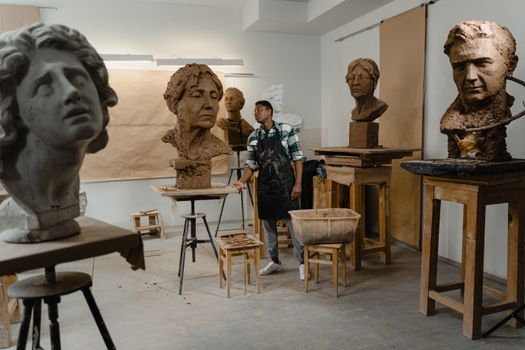 Photo: Tima Miroshnichenko / Pexels
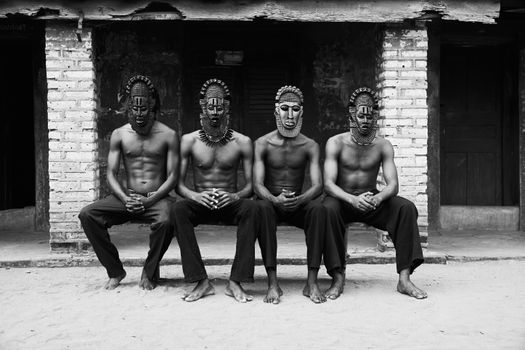 Photo: Shalom Osezua / Pexels
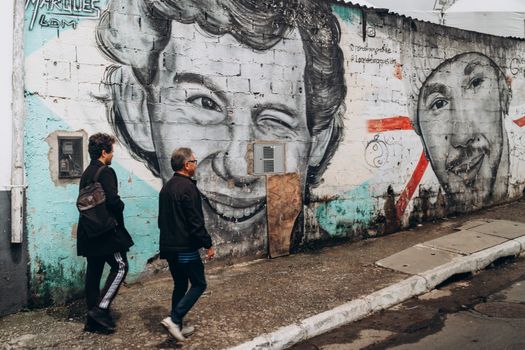 Photo: Jonathan Borba / Pexels
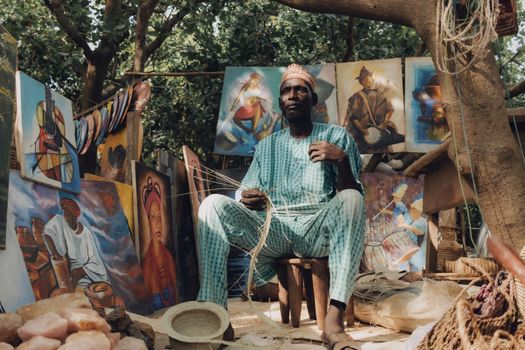 Photo: Abdullahi Santuraki / Pexels