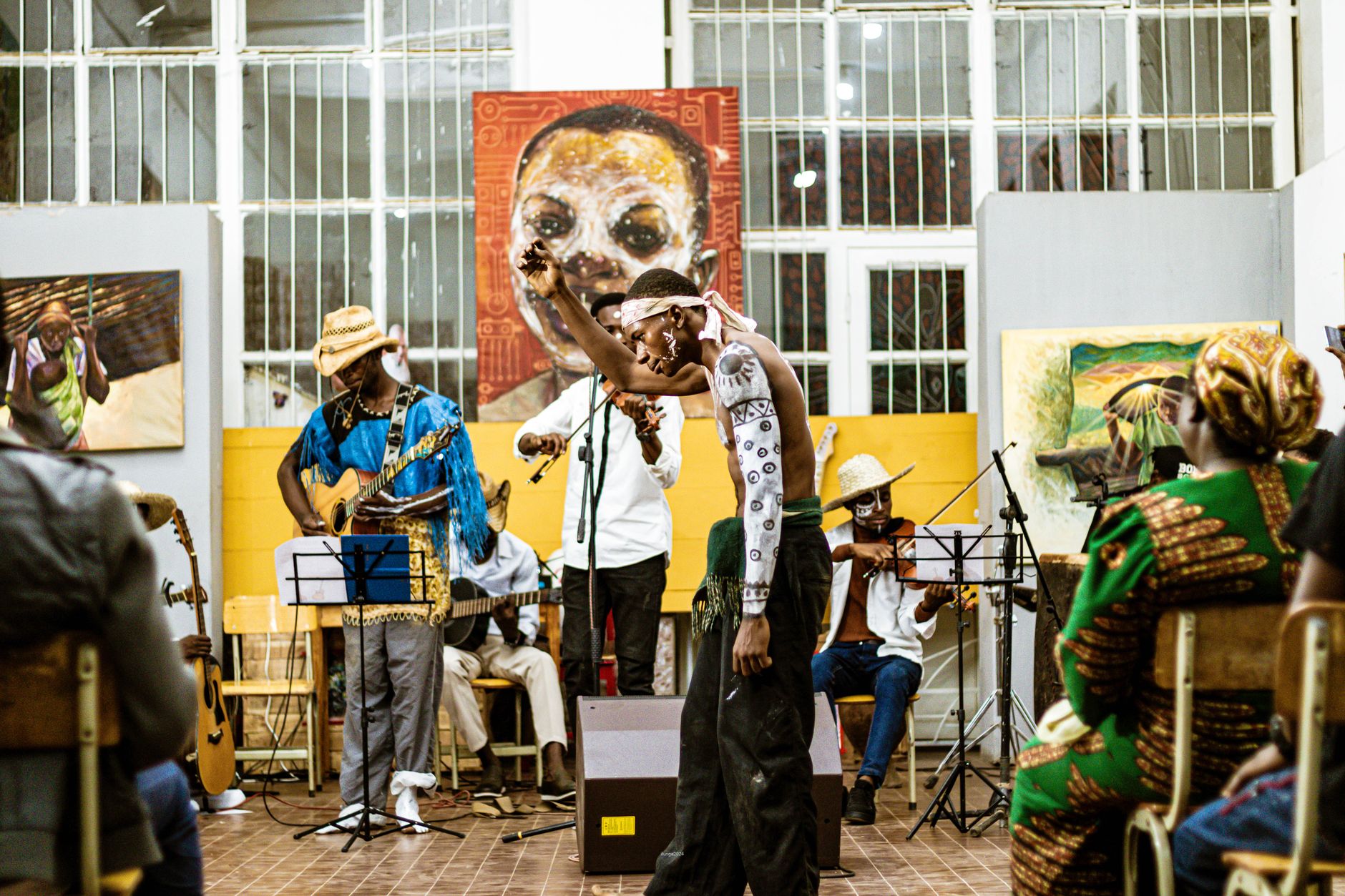
What is Contemporary African Art? Unpacking its Richness
Dive into the dynamic and multifaceted world of contemporary African art, exploring its powerful narratives and global influence.
Explore NowKey Takeaways
- ✓ Contemporary African art is a diverse and evolving field, defying a single definition.
- ✓ It encompasses works created by artists of African descent, both on the continent and in the diaspora, from roughly the mid-20th century to the present.
- ✓ Themes often include identity, politics, history, spirituality, colonialism, post-colonialism, and globalism.
- ✓ It utilizes a vast array of mediums, from traditional painting and sculpture to digital art, performance, and installation.
How It Works
Contemporary African art is deeply rooted in the continent's complex history, including colonialism, independence, and ongoing socio-political realities. Understanding this background is crucial to appreciating its nuances.
Many artists explore shared human experiences through an African lens, often touching on issues of identity, memory, migration, and power. These themes provide a framework for interpretation.
Unlike traditional art forms, contemporary African art embraces a wide spectrum of creative expression. Artists often blend traditional techniques with modern technologies and conceptual approaches.
Familiarize yourself with influential artists, art collectives, and significant movements across different regions of Africa. This personal engagement enhances your understanding and appreciation.
Defining Contemporary African Art: Beyond Simplistic Labels
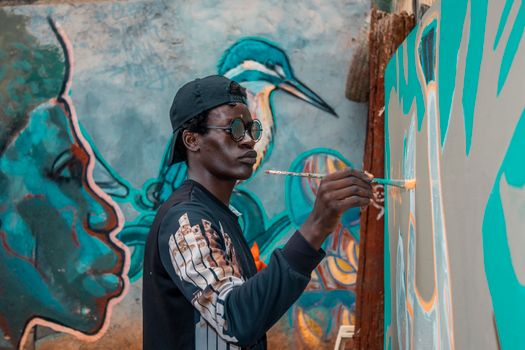 Photo: Derrick Wandera / Pexels
A Tapestry of Themes: Identity, History, and Global Dialogue in Contemporary African Art
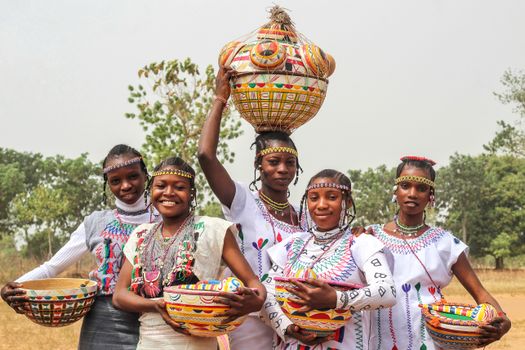 Photo: Fatima Yusuf / Pexels
Influential Artists and Groundbreaking Movements Shaping the Landscape

Navigating the Global African Art Market: Tips for Collectors and Enthusiasts
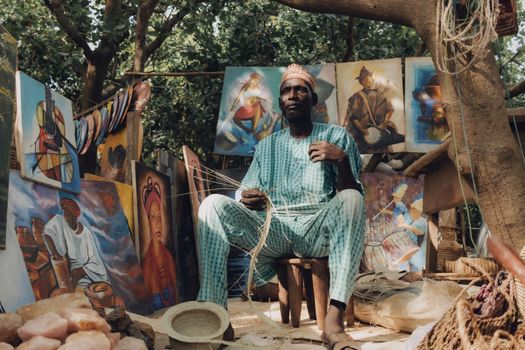 Photo: Abdullahi Santuraki / Pexels
Comparison
| Aspect | Contemporary African Art | Traditional African Art | Western Contemporary Art |
|---|---|---|---|
| Time Period | Mid-20th Century - Present | Pre-20th Century / Ancestral | Mid-20th Century - Present |
| Primary Purpose | Expression, critique, dialogue | Ritual, community, storytelling | Expression, critique, dialogue |
| Mediums Used | Diverse (paint, sculpture, digital, performance, mixed media) | Often specific (wood, bronze, textiles, beads) | Diverse (paint, sculpture, digital, performance, mixed media) |
| Themes | Identity, post-colonialism, globalism, politics | Ancestry, spirituality, social order, rites of passage | Identity, consumerism, politics, technology, abstraction |
| Global Recognition | ✓ Growing rapidly | ✓ Established historically | ✓ Highly established |
| Artist Anonymity | ✗ Rarely anonymous | ✓ Often anonymous | ✗ Rarely anonymous |
| Market Value | Value rising significantly | High for rare artifacts | Varies widely, often very high |
What Readers Say
"This article truly opened my eyes to what is contemporary African art. I always thought it was just masks, but the depth and variety discussed here are incredible. It's inspiring to see the artists from our continent getting global recognition."
Thandiwe M. · Cape Town, ZA"As an art student, this piece provided an excellent overview of the key themes and artists. It clarifies the distinction between traditional and contemporary work, which is often misunderstood. I particularly appreciated the focus on identity."
Kwame A. · Accra, GH"I've been a casual collector for years, but this guide gave me concrete steps to delve deeper into the contemporary African art market. I feel much more confident about attending upcoming fairs and engaging with galleries. Very helpful and actionable advice!"
Sarah J. · London, UK"While comprehensive, I would have loved to see a bit more emphasis on performance art and digital media within the contemporary African art scene. Still, it's a fantastic starting point for anyone looking to understand the movement's core tenets."
David P. · New York, USA"Reading this made me incredibly proud of the artistic talent emerging from Africa. The article perfectly articulates the power and relevance of our artists' voices in today's global conversations. It's a must-read for anyone interested in cultural commentary."
Naledi R. · Johannesburg, ZAFrequently Asked Questions
What is the primary characteristic that defines contemporary African art?
The primary characteristic defining contemporary African art is its diversity and engagement with modern socio-political, cultural, and personal narratives. It defies a singular style, encompassing a wide range of mediums and themes from artists of African descent globally, reflecting the complexities of the continent and diaspora since the mid-20th century.
Isn't 'African art' just traditional masks and sculptures?
No, that's a common misconception. While traditional masks and sculptures are vital parts of Africa's rich artistic heritage, contemporary African art extends far beyond these forms. It includes painting, photography, installation, performance art, digital art, and more, often blending traditional influences with modern techniques and global perspectives.
How can I start collecting contemporary African art?
To start collecting, begin by educating yourself on artists, movements, and market trends. Visit reputable galleries specializing in African art, attend dedicated art fairs like 1-54, and follow major auction houses. Consider consulting with an art advisor and always prioritize authentic pieces with clear provenance.
Is contemporary African art a good investment?
The market for contemporary African art has seen significant growth and increased global recognition, making it an attractive area for investment. However, as with all art investments, value can fluctuate. It's best to collect out of genuine passion and appreciation for the art, with investment potential as a secondary consideration.
How does contemporary African art differ from Western contemporary art?
While both share contemporary approaches, contemporary African art often distinctively engages with themes of colonialism, post-colonial identity, diaspora, unique spiritualities, and socio-political realities specific to the African continent and its people. It frequently challenges Western art historical canons and offers alternative narratives and aesthetic frameworks.
Who should engage with contemporary African art?
Anyone interested in global culture, social commentary, diverse artistic expressions, and challenging conventional art narratives should engage with contemporary African art. It appeals to art enthusiasts, collectors, cultural historians, and anyone seeking to broaden their understanding of the world through creative lenses.
Are there ethical concerns when collecting contemporary African art?
Ethical concerns include ensuring fair compensation for artists, supporting local art ecosystems, and avoiding works with dubious provenance or those that may have been unethically acquired. Always purchase from reputable sources and be mindful of the narratives and communities the art represents.
What is the future outlook for contemporary African art?
The future outlook is exceptionally bright. With increasing global visibility, institutional support, and a new generation of innovative artists, contemporary African art is poised for continued growth. It will undoubtedly play an even more significant role in shaping global art dialogues and challenging established norms.
Immerse yourself in the captivating world of contemporary African art. Explore its profound narratives, celebrate its diverse artists, and become part of a global conversation that is reshaping the future of art. Your journey into this vibrant cultural landscape starts now.