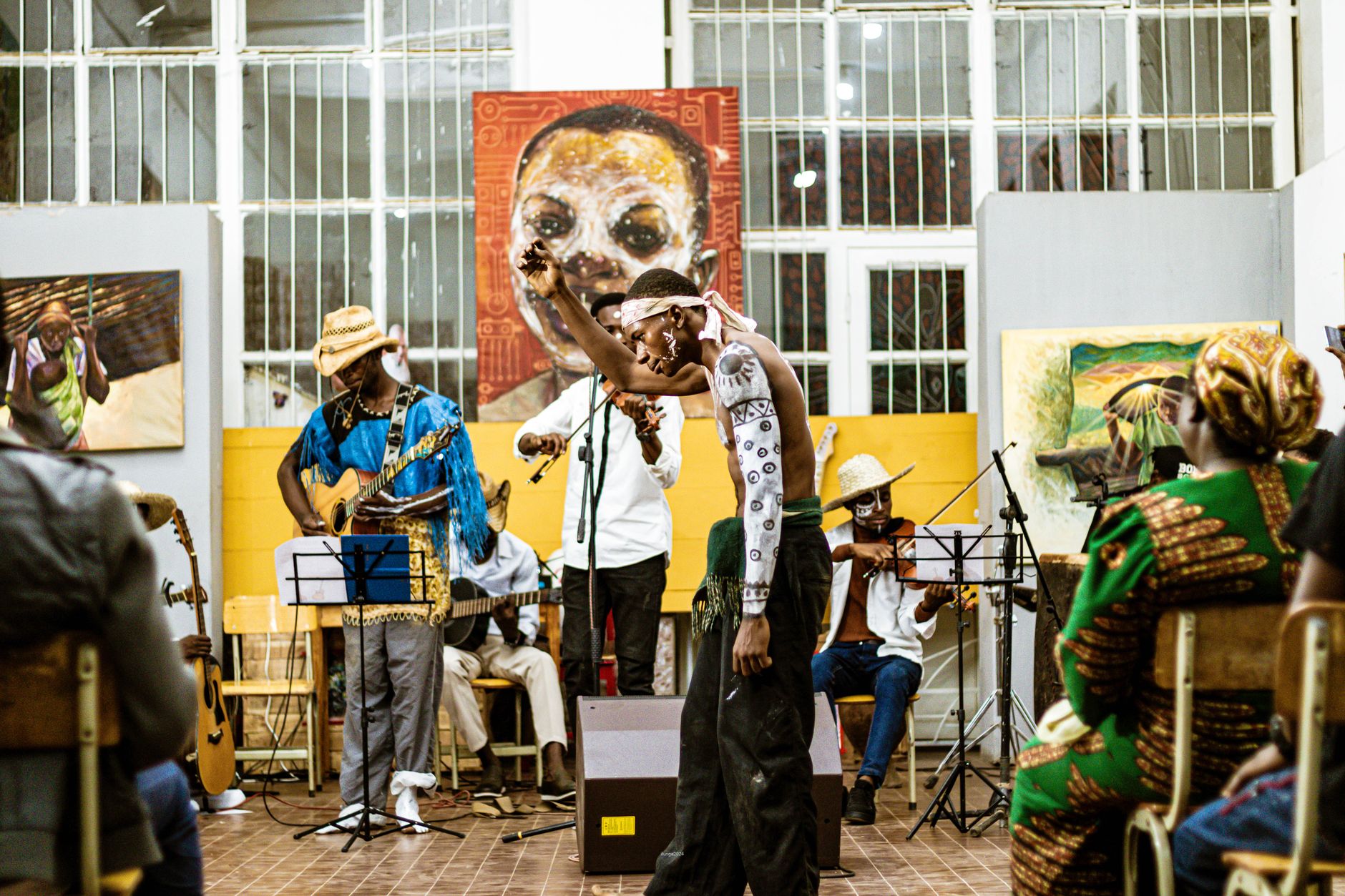
What is Contemporary African Art? Unpacking its Richness
what is contemporary African art

What is Contemporary African Art? Unpacking its Richness

Dive into the vibrant, diverse, and globally influential world of contemporary African art and its profound cultural narratives.

Discover More

Key Takeaways

  • ✓ Contemporary African art is not a monolithic style but a diverse collection of artistic expressions from the continent and its diaspora.
  • ✓ It often challenges stereotypes, reclaims narratives, and engages with socio-political issues, history, and identity.
  • ✓ The art market for contemporary African art has seen significant growth and global recognition in recent decades.
  • ✓ Artists frequently blend traditional African aesthetics, materials, and philosophies with modern and global artistic techniques.
  • ✓ It encompasses a vast array of mediums, including painting, sculpture, photography, video art, performance, and installation.

How It Works

1
Understand the Context

Recognize that 'African art' is not a single entity. Contemporary African art reflects the diverse cultures, histories, and socio-political landscapes of over 54 nations and their diasporas.

2
Explore Key Themes

Identify recurring themes such as identity, colonialism's legacy, post-independence realities, globalization, tradition vs. modernity, spirituality, and urban life. These themes provide insight into the artists' perspectives.

3
Familiarize with Mediums and Styles

Appreciate the broad spectrum of artistic practices, from traditional painting and sculpture to innovative uses of photography, video, performance, and mixed media. Artists often experiment, blurring boundaries.

4
Engage with Leading Artists and Institutions

Discover influential artists, galleries, and museums dedicated to contemporary African art. This engagement offers direct exposure to the works and the critical discourse surrounding them.

Defining Contemporary African Art: Beyond the Monolith
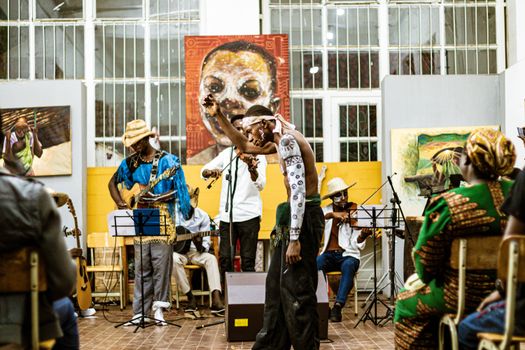
Energetic African cultural performance featuring live musicians and traditional dancers. Photo: Martin Ilunga / Pexels
To truly grasp what is contemporary African art, one must first dismantle the pervasive, yet fundamentally flawed, notion of 'African art' as a singular, homogenous entity. This mischaracterization, often rooted in colonial perspectives, strips away the immense diversity and complexity inherent in the artistic expressions emanating from a continent comprising 54 distinct nations, thousands of ethnic groups, and countless individual voices. Contemporary African art, therefore, is not a style, a movement, or a unified aesthetic; rather, it is a vast and dynamic umbrella term encompassing the artistic output of artists from Africa and its diaspora, generally from the mid-20th century to the present day. It is characterized by its incredible breadth of mediums, themes, and approaches, reflecting the multifaceted realities and rich cultural tapestries of its origins. This art form is deeply engaged with its time and place, often serving as a powerful lens through which to examine socio-political landscapes, historical legacies, and evolving identities. Artists are frequently grappling with the aftermath of colonialism, the complexities of post-independence nation-building, the impacts of globalization, the interplay between tradition and modernity, and urgent contemporary issues such such as migration, environmental concerns, and human rights. Unlike the 'traditional' African art often found in ethnographic museums, which was historically viewed through an anthropological lens and collected without artist attribution, contemporary African art is firmly rooted in individual artistic practice, authorial intent, and a global art market. It demands to be seen and understood on its own terms, within the broader context of global contemporary art, rather than being confined to a narrow, exoticized category. The geographical scope is also crucial. While primarily focused on artists living and working on the African continent, the definition extends to the African diaspora – artists of African descent living elsewhere who maintain strong cultural, ancestral, or thematic ties to the continent. This expansive view acknowledges the fluidity of identity and the global reach of African influence. Furthermore, contemporary African artists are not bound by geographical or cultural purism; they are often cosmopolitan, drawing inspiration from global art histories, theories, and techniques, while simultaneously reinterpreting and re-contextualizing indigenous knowledge systems and aesthetic traditions. This hybridity is a hallmark of the field, creating a vibrant dialogue between local narratives and universal human experiences. Understanding this foundational diversity is the first and most critical step in appreciating the profound richness and significance of what is contemporary African art. It challenges viewers to move beyond simplistic categorizations and embrace the nuanced, often provocative, and always compelling narratives presented by these groundbreaking artists. For further insights into the broader world of arts, explore our dedicated resources.

Key Themes and Artistic Expressions in Contemporary African Art
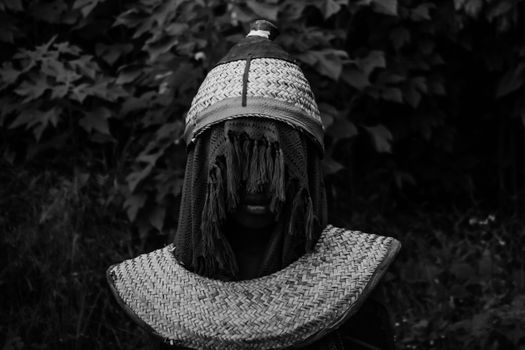
A striking black and white portrait showcasing traditional African attire and cultural heritage. Photo: Mukhtar Shuaib Mukhtar / Pexels
The thematic landscape of contemporary African art is as boundless as the continent itself, yet certain overarching concerns frequently emerge, providing insight into the collective consciousness and individual experiences of artists. One of the most pervasive themes is that of **identity**, explored in myriad ways: personal, national, gender, ethnic, and diasporic. Artists grapple with questions of belonging, self-definition in a post-colonial world, and the navigation of multiple cultural affiliations. This often involves a reclaiming and reinterpretation of history, challenging dominant narratives, and asserting agency. Artists like Zanele Muholi (South Africa) use photography to document and celebrate LGBTQI+ identities, while El Anatsui (Ghana) transforms bottle caps into shimmering tapestries, speaking to consumerism, historical trade routes, and the resilience of repurposed materials. **Colonialism and its aftermath** remain a potent wellspring of inspiration and critique. Artists interrogate the enduring legacies of political, economic, and psychological subjugation, exploring themes of exploitation, resistance, independence, and the ongoing struggle for self-determination. This is often expressed through critical engagement with archival materials, historical imagery, and symbolic representations of power and oppression. Similarly, **post-independence realities** are a frequent subject, addressing issues of governance, corruption, social inequality, urbanization, and the hopes and disappointments of newly formed nations. Artists may depict bustling cityscapes, comment on political instability, or celebrate the resilience of communities navigating rapid change. **Tradition versus Modernity** is another central dialectic. Many artists skillfully weave traditional African aesthetics, philosophical concepts, and artisanal techniques into contemporary forms. They might use ancestral symbols, storytelling methodologies, or indigenous materials in entirely new contexts, bridging past and present. This is not mere imitation but a dynamic re-imagination, demonstrating that tradition is not static but a living, evolving force. For instance, textile artists often incorporate traditional weaving patterns or fabric types into abstract or conceptual works, giving new life and meaning to age-old crafts. This fusion exemplifies the innovative spirit that defines much of the art coming from the continent. **Globalization and Transnationalism** are increasingly vital themes, reflecting the interconnectedness of the modern world. Artists explore migration, diaspora, cultural exchange, and the impact of global media and consumer culture on African societies. Their work often transcends national borders, engaging in a dialogue with international art movements while maintaining a distinct African perspective. Furthermore, **spirituality, belief systems, and the human condition** continue to be profound areas of exploration. Whether through abstract symbolism, figurative narratives, or performative rituals, artists delve into questions of existence, faith, community, and the intangible forces that shape human experience. The sheer variety of mediums employed—from intricate beadwork and recycled materials to digital art and immersive installations—underscores the boundless creativity and refusal to be confined by conventional artistic categories. This expansive thematic and material approach is precisely what makes contemporary African art so compelling and globally relevant.

Leading Voices and the Global Rise of Contemporary African Art
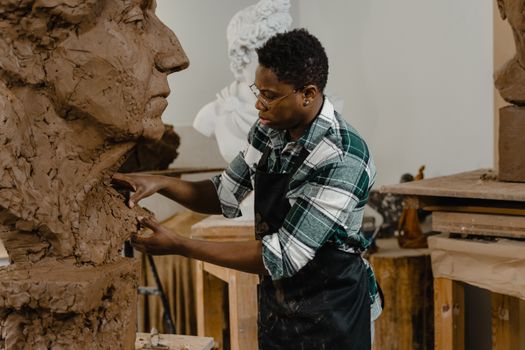
Artist sculpting a large clay bust in an art studio, showcasing creativity and craftsmanship. Photo: Tima Miroshnichenko / Pexels
The global art world has, in recent decades, increasingly turned its gaze towards Africa, recognizing the profound talent and innovative spirit that defines what is contemporary African art. This shift is not merely a trend but a long-overdue acknowledgment of a vibrant artistic ecosystem that has been thriving for decades, often despite limited institutional support within the continent. A cohort of influential artists has played a pivotal role in this global recognition, pushing boundaries and challenging perceptions. Artists such as **William Kentridge** (South Africa), renowned for his animated drawings, prints, and films that delve into the socio-political history of apartheid and its aftermath, have achieved international acclaim, with works exhibited in major museums worldwide. His distinctive style often blends the personal with the historical, creating poignant narratives. **Julie Mehretu** (Ethiopian-American), celebrated for her large-scale abstract paintings that explore themes of urbanity, history, and global migration, is another powerhouse whose intricate layered works command significant attention in the global market. Her complex compositions reflect the dynamism and chaos of modern life. From Nigeria, **Njideka Akunyili Crosby**'s work, which combines painting, drawing, photography, and collage, explores postcolonial identity, the Nigerian diaspora, and the complexities of cultural hybridity, often featuring domestic scenes infused with personal and historical imagery. Her intricate works have set auction records and are highly sought after by collectors and institutions. Beyond these established names, a new generation of artists is continually emerging, bringing fresh perspectives and innovative approaches. Artists like **Amoako Boafo** (Ghana), whose finger-painted portraits of Black subjects celebrate individuality and Black joy, have garnered immense popularity, with his distinctive style making him one of the most exciting figures in contemporary art. **Portia Zvavahera** (Zimbabwe) offers powerful, often dreamlike paintings that explore spirituality, emotional states, and personal narratives, drawing from Zimbabwean cultural practices and her own experiences. These artists, among many others, are not only creating remarkable art but are also actively shaping the discourse around contemporary aesthetics and global art history. This rise in prominence is also fueled by dedicated institutions and platforms. Major international art fairs like Art Basel and Frieze now feature dedicated sections for African art, while specialist fairs such as 1-54 Contemporary African Art Fair (held in London, New York, and Marrakech) have become crucial platforms for showcasing artists from Africa and its diaspora. Galleries like Goodman Gallery (South Africa), Tiwani Contemporary (UK), and Stevenson (South Africa) have been instrumental in nurturing talent and bringing African artists to a global audience. Furthermore, museums worldwide, including the Zeitz MOCAA in Cape Town, the Smithsonian National Museum of African Art in Washington D.C., and the Tate Modern in London, are increasingly acquiring and exhibiting contemporary African art, cementing its place in the global art canon. This growing institutional and market support signifies a profound and lasting shift in how the world perceives and values artistic creation from the African continent, recognizing its unique contributions to the broader world of arts.

Navigating the Contemporary African Art Market and Collecting Tips
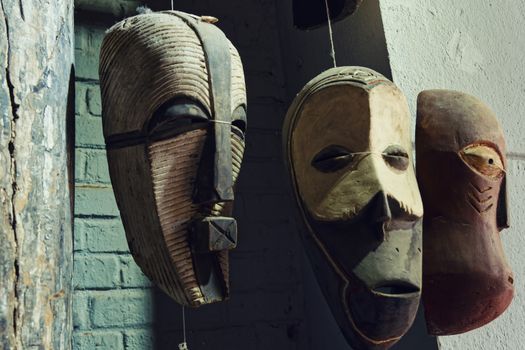
Authentic African masks showcased on a rustic brick wall in a Beijing gallery. Perfect for cultural exhibitions. Photo: Eric Prouzet / Pexels
The market for contemporary African art has experienced explosive growth over the past two decades, transforming from a niche interest into a significant segment of the global art economy. This burgeoning market reflects increased international recognition, driven by the compelling narratives, diverse aesthetics, and critical engagement offered by artists from the continent and its diaspora. However, navigating this market requires an informed approach, especially for new collectors or enthusiasts. **Understanding Value and Authenticity:** As with any art market, understanding value in contemporary African art is complex. Factors include the artist's reputation (local, regional, international), their exhibition history, institutional acquisitions, critical reception, and the rarity and significance of individual works. Always prioritize authenticity; purchase from reputable galleries, auction houses specializing in African art, or directly from artists with established profiles. Avoid unverified sources, as counterfeits and misattributions can occur. **Tips for Collecting and Engaging with Contemporary African Art:** * **Educate Yourself Thoroughly:** Read books, articles, and exhibition catalogues. Follow art news specifically focused on African art. The more you learn about the history, artists, and movements, the better equipped you'll be to appreciate and identify quality works. * **Visit Galleries and Fairs:** Attending dedicated contemporary African art fairs (like 1-54, AKAA, or FNB Art Joburg) and visiting galleries specializing in the field is crucial. This allows you to see works in person, speak with gallerists, and get a sense of current trends and pricing. * **Follow Key Institutions and Curators:** Museums and curatorial voices often lead the way in recognizing emerging talent and shaping critical discourse. Pay attention to their exhibitions and acquisitions. * **Build Relationships:** Forge connections with gallerists, art advisors, and artists. These relationships can provide invaluable insights and access to works. * **Buy What You Love (and Can Afford):** While investment potential can be a factor, the primary motivation for collecting should be a genuine connection to the artwork. Start within your budget; not all valuable works are prohibitively expensive, especially from emerging artists. * **Consider Emerging Artists:** Investing in emerging artists can be rewarding both personally and financially. Do your research, look for artists with strong conceptual foundations and growing exhibition histories. * **Understand Provenance:** Always inquire about the artwork's history of ownership. Good provenance adds to a work's value and verifies its authenticity. * **Be Aware of Cultural Context:** Approach the art with an open mind, seeking to understand the cultural, social, and political contexts from which it arises. This enriches the appreciation of the work significantly. The contemporary African art market is dynamic and continuously evolving. Engaging with it thoughtfully not only enriches personal collections but also contributes to the vital support and visibility of artists who are shaping global cultural narratives.

Comparison

AspectContemporary African ArtTraditional African ArtWestern Contemporary Art
Time PeriodMid-20th C. - PresentPre-20th C. (often ritualistic)Mid-20th C. - Present
Artist FocusIndividual authorship, named artistsOften anonymous, community-basedIndividual authorship, named artists
Primary PurposeExpression, critique, dialogue, aestheticsRitual, spiritual, social functionExpression, critique, aesthetics
MediumsDiverse (painting, sculpture, digital, performance, mixed media)Often carving (wood, ivory), metalwork, textilesDiverse (painting, sculpture, digital, performance, mixed media)
Global EngagementHighly integrated, global dialogueHistorically viewed ethnographicallyHighly integrated, global dialogue
Market PresenceGrowing, significant international marketEthnographic/Antiquities marketEstablished, dominant global market

What Readers Say

"This article beautifully articulates what is contemporary African art, moving beyond stereotypes. It helped me appreciate the depth and variety I saw at the last art fair."

Lerato M. · Johannesburg, ZA

"As an artist myself, I found the discussion on themes like identity and post-colonialism incredibly relevant. It’s inspiring to see this level of detailed analysis for our art."

Kwame A. · Accra, GH

"I've always been curious about this movement, and this piece provided such a comprehensive overview. I now feel confident exploring galleries and even started following a few of the artists mentioned!"

Sarah P. · London, UK

"The article is very informative and well-researched, though I would have loved to see a bit more on specific regional differences within the continent. Still, a fantastic starting point."

David C. · New York, USA

"Living in South Africa, I see so much incredible art, but this piece really helped me contextualize it globally and understand the market dynamics. A must-read for any art lover."

Naledi K. · Cape Town, ZA

Frequently Asked Questions

What is the defining characteristic of contemporary African art?

The defining characteristic is its immense diversity, reflecting the myriad cultures, histories, and individual artistic expressions from across Africa and its diaspora. It's not a single style but a dynamic, evolving field that often engages with socio-political issues, identity, and the interplay of tradition and modernity.

Is contemporary African art only made by artists living in Africa?

No, the definition extends to artists of African descent living outside the continent (the diaspora) who maintain strong cultural, ancestral, or thematic ties to Africa. This inclusive approach recognizes the global reach and influence of African artistic heritage.

How can I start collecting contemporary African art?

Begin by educating yourself through books and articles, then visit reputable galleries and specialized art fairs. Build relationships with gallerists, buy what genuinely resonates with you, and always prioritize authenticity by purchasing from established sources. Consider starting with works from emerging artists.

Is contemporary African art expensive?

Prices vary widely, from accessible works by emerging artists to multi-million dollar pieces by established international figures. While some works command high prices, there are many opportunities to collect quality art at various price points, especially if you focus on artists in the earlier stages of their careers.

How does contemporary African art differ from 'traditional' African art?

Traditional African art often served ritualistic or social functions, with artist attribution less common, and was historically viewed through an anthropological lens. Contemporary African art, however, is rooted in individual artistic expression, often critical and conceptual, and engages directly with global art dialogues and markets, with named artists.

Who should engage with contemporary African art?

Anyone interested in global culture, diverse perspectives, powerful storytelling, and innovative artistic practices should engage with contemporary African art. It offers rich insights into human experience, history, and the future of creative expression, appealing to art enthusiasts, collectors, students, and scholars alike.

Are there ethical considerations when buying contemporary African art?

Yes. Ensure you buy from ethical sources that fairly compensate artists and support their communities. Research galleries and dealers to confirm their practices align with promoting the artists' long-term careers and equitable engagement, rather than exploitative practices.

What is the future trend for contemporary African art?

The future looks bright, with continued growth in global recognition, market value, and institutional support. Expect to see further diversification of mediums, increased engagement with digital art and technology, and an even stronger emphasis on challenging established narratives and fostering cross-cultural dialogue.

Embark on a journey to explore the captivating world of what is contemporary African art. Its rich narratives, diverse forms, and profound cultural insights offer an unparalleled artistic experience. Start your exploration today and connect with a global movement that continues to shape the future of art.

Topics: what is contemporary African artAfrican art movementcontemporary African artistsAfrican art marketAfrican art history
Leo List
Brampton weed
Adultwork