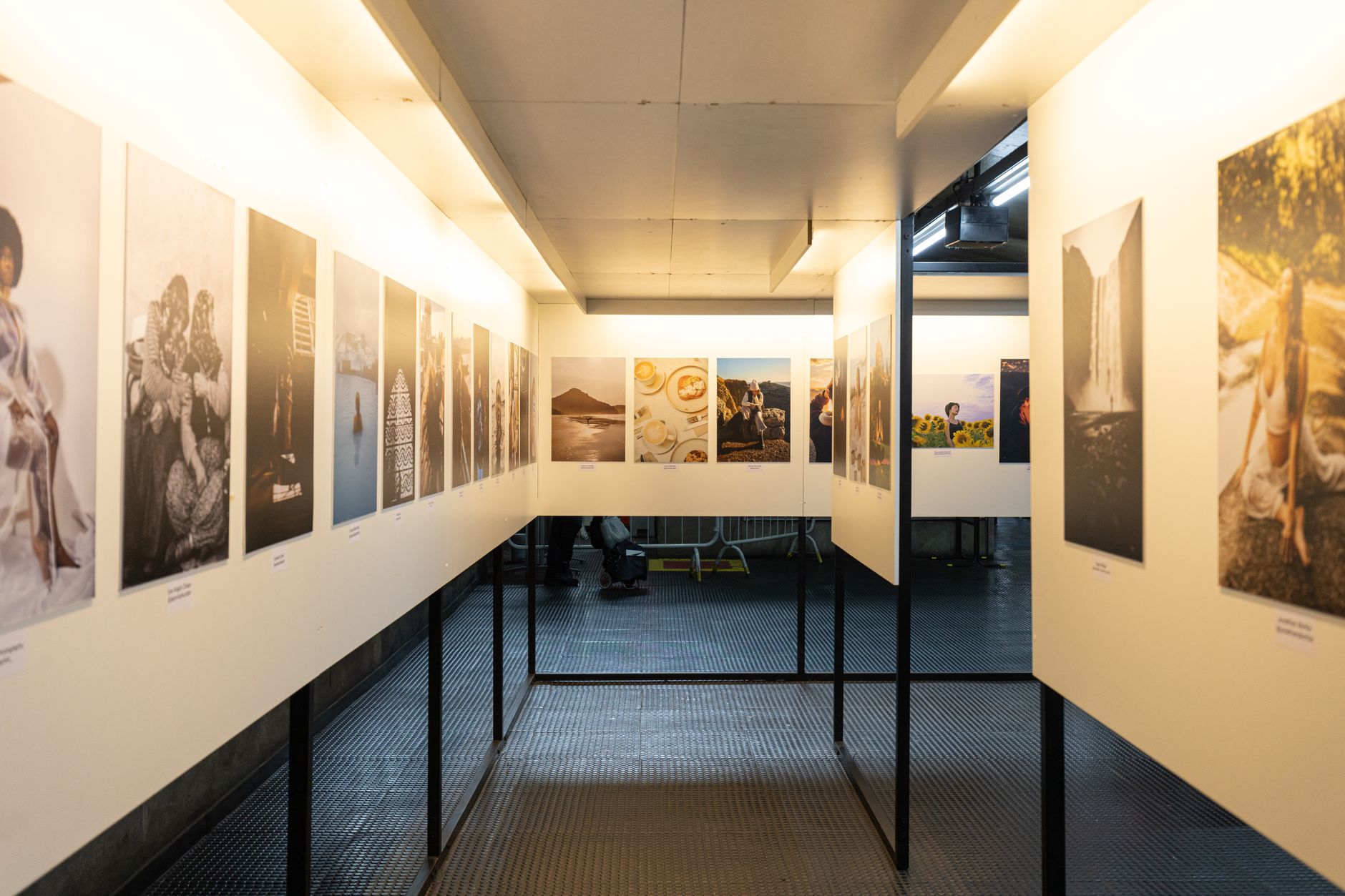
What is Contemporary African Art? Unpacking a Dynamic Movement
contemporary African art

What is Contemporary African Art? Unpacking a Dynamic Movement

Dive into the vibrant, multifaceted world of contemporary African art and its transformative power.

Discover More

Key Takeaways

  • ✓ Contemporary African art is a diverse, non-monolithic movement, reflecting the continent's myriad cultures and experiences.
  • ✓ It often engages with themes of identity, post-colonialism, globalization, and social commentary.
  • ✓ The market for contemporary African art has seen significant growth and international recognition since the early 2000s.
  • ✓ It encompasses a wide range of mediums, from traditional painting and sculpture to photography, video art, and performance.

How It Works

1
Understand the Context

Recognize that 'African art' is not a single entity but a vast collection of expressions from 54 diverse nations. Contemporary art from Africa is a direct response to historical, social, and political landscapes.

2
Explore Key Themes

Identify recurring themes such as identity formation, colonialism's legacy, rapid urbanization, and environmental concerns. These themes are often explored through a unique blend of local narratives and global perspectives.

3
Engage with Diverse Mediums

Appreciate the broad spectrum of artistic practices, from traditional painting, sculpture, and textile art to innovative digital media, performance art, and installations. Artists often blend traditional techniques with contemporary approaches.

4
Follow Key Artists and Institutions

Familiarize yourself with influential contemporary African artists, galleries, and biennales. These platforms are crucial for understanding the current pulse and future trajectory of the movement.

Defining Contemporary African Art: Beyond Simplistic Narratives
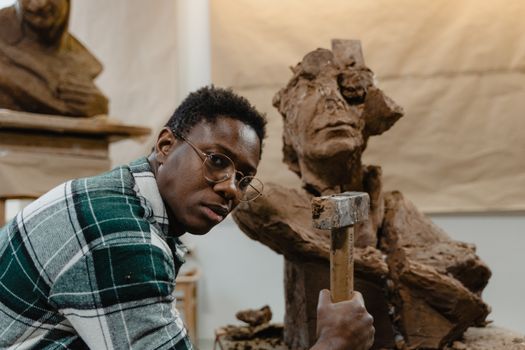
Artist working on a clay sculpture in an art studio, showcasing creativity and craftsmanship. Photo: Tima Miroshnichenko / Pexels
To truly grasp what is contemporary African art, one must first dismantle the prevailing, often reductive, Western-centric lens through which African artistic expressions have historically been viewed. For centuries, art from the African continent was largely categorized as 'tribal,' 'ethnographic,' or 'primitive,' relegated to natural history museums rather than fine art institutions. This classification stripped the art of its individual authorship, cultural dynamism, and contemporary relevance, instead framing it as static relics of a distant past. The contemporary African art movement fundamentally challenges these colonial legacies by asserting its place within the global art discourse, demanding recognition for its innovation, intellectual rigor, and aesthetic complexity. Contemporary African art is not a monolithic style or a singular school of thought; rather, it is a vibrant, multifaceted constellation of artistic practices emanating from the continent's 54 diverse nations and its expansive diaspora. It is a dynamic field that defies easy categorization, reflecting the myriad cultures, histories, languages, and socio-political realities of its creators. The term 'contemporary' itself is crucial here, indicating a break from the historical 'traditional' or 'modern' labels that often confined African art to a specific historical period or a perceived 'authentic' aesthetic. Instead, contemporary African artists are active participants in global conversations, utilizing universal art languages while rooting their narratives firmly in their unique experiences and perspectives. They engage with pressing global issues, from climate change and human rights to migration and urbanization, often through a distinctly African lens. This movement is characterized by its incredible diversity in medium, subject matter, and artistic approach. You will find everything from intricate textile art and monumental sculptures to provocative performance pieces, immersive installations, and cutting-edge digital media. Artists frequently blend traditional African artistic techniques and philosophies with contemporary materials and conceptual frameworks, creating a rich tapestry of expression that is both deeply rooted and forward-looking. For instance, an artist might use traditional Ndebele patterns in a digital collage, or incorporate ancestral storytelling techniques into a video art piece. This fusion is not merely stylistic; it represents a conscious effort to bridge past and present, to reclaim narratives, and to forge new identities in a rapidly changing world. Understanding this fundamental diversity is the first step in appreciating the profound depth and breadth of contemporary African art. It is a field that constantly redefines itself, challenging viewers to think critically about art, identity, and global interconnectivity. Discovering the richness of African art begins with acknowledging its contemporary pulse.

Historical Context and Evolution: From Colonial Shadows to Global Spotlight
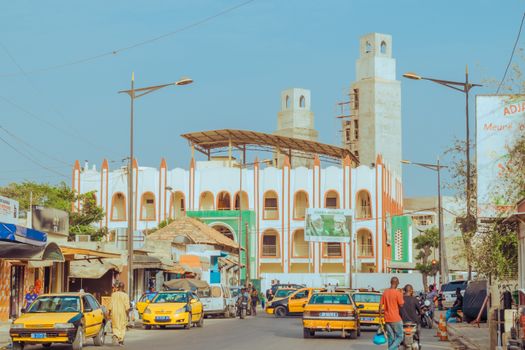
A vibrant street scene featuring an Islamic mosque with distinct architecture under a clear blue sky. Photo: Yvcx Sanchez / Pexels
The emergence of what is contemporary African art as a recognized and influential global phenomenon is inextricably linked to the continent's complex history, particularly the aftermath of colonialism and the subsequent struggles for independence and self-determination. While artistic practices have thrived in Africa for millennia, the formal recognition of 'contemporary African art' as a distinct and significant movement within the global art world is a relatively recent development, gaining significant momentum from the late 20th century onwards. Post-independence, many African nations grappled with establishing national identities, often leading artists to explore themes of liberation, cultural revival, and political commentary. This period saw the rise of art schools and cultural institutions across the continent, fostering new generations of artists who were keen to assert their unique voices. Initially, many African artists who gained international recognition did so through European or American institutions, often having to navigate existing biases and expectations. The late 20th century witnessed a gradual but significant shift, fueled by increased globalization, improved communication technologies, and a growing critical mass of African artists and curators who actively sought to define and promote their own narratives. Key exhibitions and events played a crucial role in this evolution. For example, the 'Magiciens de la Terre' exhibition in Paris in 1989, though controversial for its curatorial approach, was a landmark moment, showcasing African artists alongside their Western counterparts on an international stage. More recently, events like the Dakar Biennale (Dak’Art), established in 1990, and the Joburg Art Fair in South Africa, founded in 2008, have become vital platforms for showcasing contemporary African talent and fostering critical discourse within the continent. The early 2000s marked a turning point, with a surge in interest from international collectors, galleries, and museums. This period saw a proliferation of dedicated galleries, art fairs, and auction houses focusing specifically on contemporary African art. This growth was not without its challenges, including concerns about market speculation, the potential for re-exoticization, and the need for African-led institutions to maintain agency over their cultural narratives. However, the overall trajectory has been one of increasing visibility, critical acclaim, and market value. Artists are no longer seen as merely responding to Western modernism but are recognized for their independent contributions, theoretical frameworks, and innovative approaches that often draw from deep historical and cultural wellsprings. This evolution signifies a powerful reclaiming of narrative, where African artists are defining their own contemporaneity, shaping global art history rather than merely being subjects of it.

Key Themes and Artistic Expressions in Contemporary African Art

Close-up of an artisan crafting a detailed beaded art piece indoors with fabrics. Photo: Magda Ehlers / Pexels
The thematic landscape of what is contemporary African art is as vast and varied as the continent itself, yet certain recurring motifs and concerns emerge, reflecting shared historical experiences and contemporary realities. One of the most pervasive themes is that of **identity**, explored in myriad ways. Artists delve into personal identity, national identity, ethnic identity, and pan-African identity, often questioning fixed categories and celebrating hybridity. The legacy of colonialism and its impact on identity, culture, and social structures is a profound and frequently revisited subject. Artists might use historical photographs, archival materials, or symbolic imagery to critique colonial power dynamics, deconstruct stereotypes, and reclaim suppressed histories. Figures like Yinka Shonibare CBE, with his use of Dutch wax print fabric, famously explore post-colonial identity and cultural appropriation, challenging notions of authenticity and belonging. **Social and political commentary** is another cornerstone of contemporary African art. Artists often act as chroniclers and critics of their societies, addressing issues such as corruption, human rights, environmental degradation, urbanization, migration, and gender inequality. Their work can be intensely personal, drawing from individual experiences, or broadly political, reflecting on national or continental challenges. El Anatsui, for example, transforms discarded bottle caps into shimmering tapestries, commenting on consumerism, waste, and the impact of global trade on local communities. Artists like William Kentridge use animated drawings and film to explore the complexities of apartheid and its aftermath in South Africa, offering poignant reflections on memory, truth, and reconciliation. Understanding these diverse artistic expressions reveals the depth of the movement. Furthermore, many contemporary African artists engage with **spirituality, tradition, and ancestral knowledge**, not as static relics, but as living, evolving forces that inform contemporary life. They might reinterpret traditional myths, rituals, or symbols through a modern lens, bridging ancient wisdom with present-day concerns. This often involves a re-evaluation of what constitutes 'African' aesthetics and a rejection of the idea that tradition and modernity are mutually exclusive. Technology and globalization also play significant roles, with artists exploring the impact of digital media, social networks, and global interconnectivity on African societies. The blend of local narratives with global artistic languages creates a powerful and distinctive voice, ensuring that contemporary African art remains at the forefront of critical thought and aesthetic innovation, constantly pushing boundaries and redefining what art can be.

Navigating the Contemporary African Art Market: Opportunities and Challenges
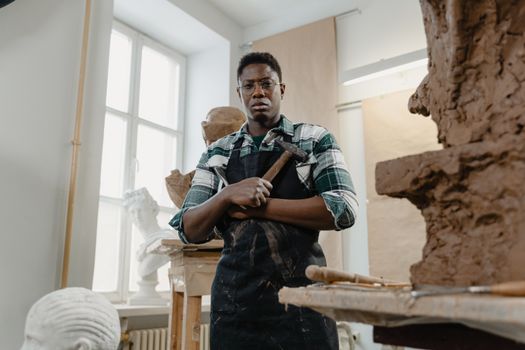
Talented African American sculptor in an art studio, holding tools for creative work. Photo: Tima Miroshnichenko / Pexels
The global market for what is contemporary African art has experienced an unprecedented boom over the past two decades, transforming from a niche interest to a significant segment of the international art scene. This surge in interest is driven by several factors: increased global awareness, the rise of dedicated galleries and art fairs, enthusiastic collectors both within and outside Africa, and a growing appreciation for the unique narratives and aesthetic innovations offered by African artists. Major auction houses now regularly feature contemporary African art sales, often achieving record-breaking prices for established and emerging artists alike. This market vitality presents immense opportunities for artists to gain international recognition and financial stability, and for collectors to acquire works that are both culturally significant and potentially excellent investments. However, navigating this burgeoning market also comes with its own set of challenges. One significant concern is the potential for market speculation, where art is viewed primarily as an investment commodity rather than for its cultural or artistic merit. This can lead to rapid price inflation for certain artists, which might not always be sustainable or reflective of their long-term artistic development. Another challenge is the continued prevalence of external gatekeepers. While more African-led institutions and platforms are emerging, a significant portion of the market infrastructure – including major galleries, auction houses, and influential critics – remains based in the West. This can sometimes lead to a perpetuation of certain narratives or preferences, potentially sidelining artists who do not fit into pre-defined categories. There's an ongoing effort to ensure that the market truly empowers African artists and institutions, fostering equitable representation and sustainable growth. For collectors, it's crucial to engage with the market thoughtfully and ethically. This involves thorough research, supporting reputable galleries and art fairs, and understanding the provenance of artworks. Attending art fairs like Art X Lagos, Investec Cape Town Art Fair, or AKAA (Also Known As Africa) in Paris provides direct exposure to artists and galleries, offering invaluable insights into current trends and emerging talent. Engaging with art critics and publications specializing in contemporary African art can also deepen one's understanding and inform collecting decisions. Ultimately, the goal is to foster a healthy, sustainable ecosystem where the rich diversity and profound impact of contemporary African art can continue to flourish, benefiting both the artists and the global art community.

Comparison

AspectContemporary African ArtTraditional African ArtWestern Contemporary Art
Time PeriodLate 20th C - PresentPre-colonial to mid-20th CMid-20th C - Present
Primary FocusDiverse, global dialogue, post-colonialRitual, community, ancestralIndividualism, abstraction, social critique
MediumsAll, including digital, performanceSculpture, masks, textiles, utilitarianAll, often experimental
Narrative OriginAfrican experiences, global issuesLocal myths, spiritual beliefsWestern philosophy, global events
Market RecognitionSignificant, growing global marketEthnographic/collector's marketDominant global market
Authorship✓ Individual artists recognized✗ Often anonymous/collective✓ Individual artists recognized
EvolutionDynamic, constantly redefines itselfRooted in tradition, slower evolutionRapid, often trend-driven

What Readers Say

"Understanding what is contemporary African art has profoundly shifted my perspective on global art. It's not just beautiful; it's a powerful narrative of resilience and innovation."

Naledi Mkhize · Johannesburg, ZA

"This article provided an incredibly comprehensive overview, highlighting the diversity and depth I've always admired in our artists. It's essential reading for anyone interested in the movement."

Kwame Adebayo · Lagos, NG

"I've been collecting art for years, but this piece truly opened my eyes to the nuances of contemporary African art. I now feel much more informed and confident in exploring new artists and galleries, resulting in two new acquisitions."

Sarah Jenkins · London, UK

"While excellent, I would have liked even more specific examples of South African artists, but the global context provided is invaluable. A really well-researched and engaging read."

Thabo Cele · Cape Town, ZA

"As someone who advises on art investments, this detailed explanation of the market dynamics in contemporary African art is incredibly useful. It clarifies the opportunities and the ethical considerations perfectly."

Aisha Khan · Dubai, UAE

Frequently Asked Questions

What distinguishes contemporary African art from traditional African art?

Contemporary African art is primarily characterized by its engagement with modern and global themes, individual artist authorship, and use of diverse, often experimental mediums. Traditional African art, conversely, is typically older, often serves ritualistic or community functions, and is frequently anonymous in its creation, rooted in specific cultural practices.

Is 'contemporary African art' a single style or movement?

No, absolutely not. It is a vast and diverse field encompassing countless styles, themes, and mediums from 54 different countries and the diaspora. It is a collective term for a vibrant ecosystem of artistic practices, not a singular aesthetic.

How can I discover emerging contemporary African artists?

To discover emerging artists, attend major African art fairs like Art X Lagos (Nigeria), Investec Cape Town Art Fair (South Africa), and Dak'Art (Senegal). Follow reputable galleries specializing in African art, both on the continent and internationally, and explore online platforms dedicated to promoting African artists.

Is contemporary African art a good investment?

The market has seen significant growth and appreciation. While no art investment is guaranteed, many collectors find contemporary African art to be a compelling area for acquisition, offering both cultural richness and potential financial return. Always research thoroughly and buy from reputable sources.

How does contemporary African art engage with post-colonialism?

Many contemporary African artists directly confront and deconstruct the legacies of colonialism. They challenge Western narratives, reclaim historical identities, critique neo-colonial structures, and use their art to heal and redefine cultural self-perception in the wake of colonial rule.

Who should engage with contemporary African art?

Anyone interested in global culture, social commentary, innovative artistic practices, and compelling narratives should engage with contemporary African art. It appeals to art enthusiasts, collectors, cultural historians, and those seeking to broaden their understanding of a vibrant and influential global art movement.

Are there ethical considerations when collecting contemporary African art?

Yes. It's crucial to ensure fair compensation for artists, support African-led institutions, and avoid practices that might re-exoticize or tokenize the art. Researching provenance and buying from reputable sources are key ethical considerations for collectors.

What is the future trend for contemporary African art?

The trend points towards continued global integration, increased digital engagement, and a growing emphasis on climate change, technology, and gender identity. African artists will increasingly set their own terms, leading dialogues on universal issues from distinctly African perspectives, further solidifying their influence on the global stage.

Embark on a journey to explore what is contemporary African art and its profound impact. Dive deeper into its rich narratives, support its diverse voices, and become part of a global movement that continually redefines the boundaries of artistic expression.

Topics: contemporary African artAfrican art historyAfrican artistsglobal art marketpost-colonial art
Leo List

DK Escorts LU Escorts AT Escorts SE Escorts FI Escorts CH Escorts DE Escorts HR Escorts IE Escorts GR Escorts CZ Escorts NO Escorts BE Escorts FR Escorts SI Escorts IL Escorts NL Escorts PL Escorts HU Escorts ES Escorts IT Escorts PT Escorts SK Escorts RO Escorts ZA Escorts UY Escorts US Escorts UK Escorts NZ Escorts AU Escorts
Brampton weed
Adultwork EstrelaBet Vai de Bet R7 Bet Betão Galera Bet Rainbet Bet9ja Shop SportyBet BetKing Sisal Loto Foot Hollywoodbets YesPlay Odibets RushBet Jugabet BetWarrior BetCity MSport betPawa Fortebet