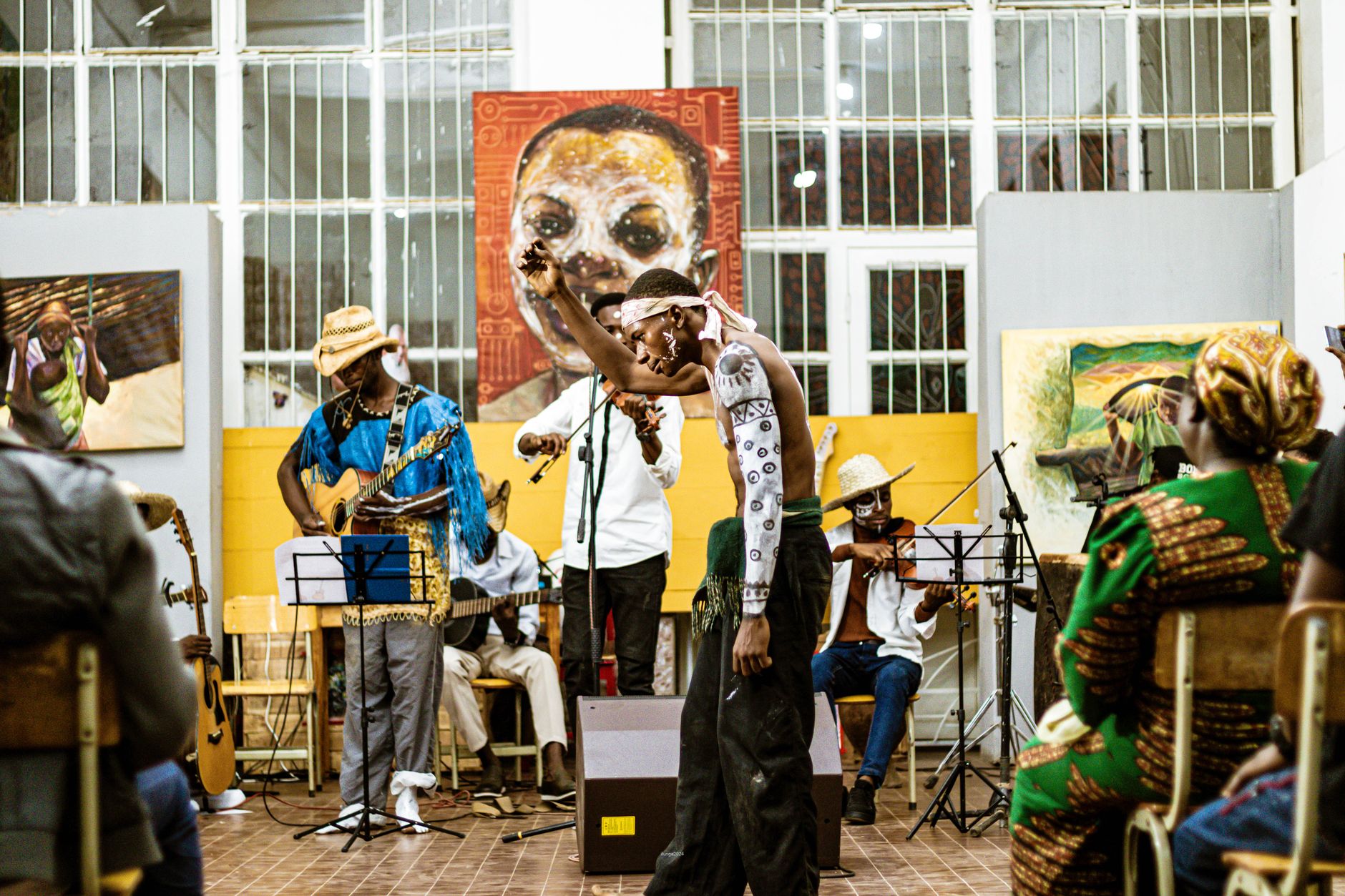
What is Contemporary African Art? A Deep Dive
Explore the dynamic and multifaceted world of contemporary African art, its origins, evolution, and profound cultural significance.
Discover the ArtKey Takeaways
- ✓ Contemporary African Art emerged post-1960s independence movements, challenging colonial narratives.
- ✓ It is incredibly diverse, encompassing a wide range of styles, mediums, and themes across 54 nations.
- ✓ The art often addresses social, political, and cultural issues unique to the African continent and diaspora.
- ✓ It is gaining significant global recognition, with increasing presence in major museums, galleries, and auction houses.
How It Works
Contemporary African art is deeply rooted in the continent's complex history, particularly post-colonialism. Grasping this context is crucial to appreciating its depth.
Avoid generalizations; 'African art' is not monolithic. Explore the vast array of regional styles, ethnic influences, and individual artistic expressions.
Identify recurring themes such as identity, migration, tradition vs. modernity, environmental concerns, and socio-political commentary. These provide insight into the artists' perspectives.
Familiarize yourself with influential artists and significant art movements that have shaped the contemporary African art landscape. This helps in understanding its evolution and impact.
Defining What is Contemporary African Art: Beyond the Binaries
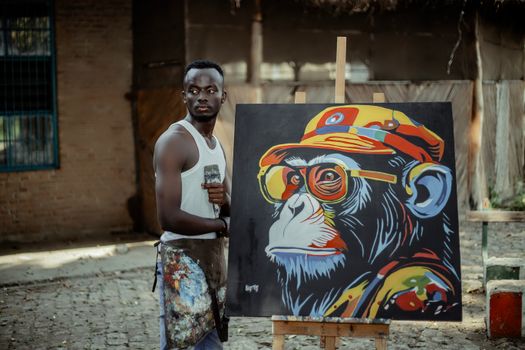 Photo: Chris wade NTEZICIMPA / Pexels
Thematic Explorations and Artistic Voices Shaping the Narrative
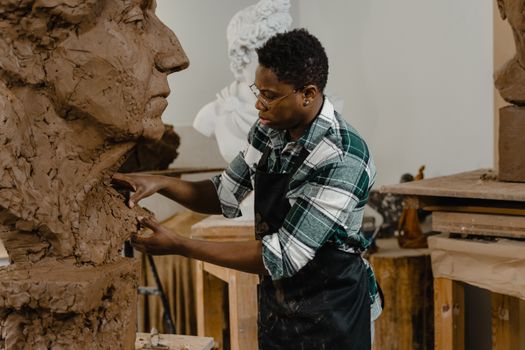 Photo: Tima Miroshnichenko / Pexels
Global Recognition and the Evolving African Art Market
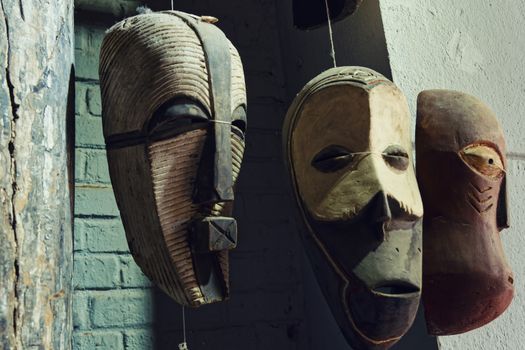 Photo: Eric Prouzet / Pexels
Navigating the Nuances: Tips for Appreciating Contemporary African Art
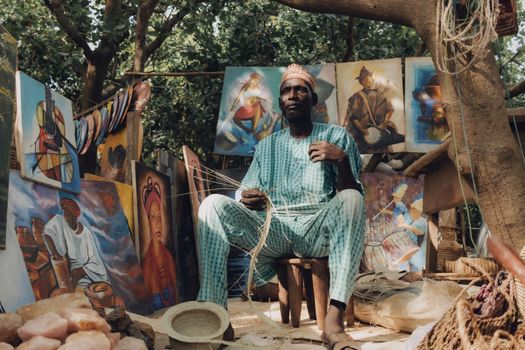 Photo: Abdullahi Santuraki / Pexels
Comparison
| Feature | Contemporary African Art | Traditional African Art | Western Contemporary Art |
|---|---|---|---|
| Time Period | Post-1960s to Present | Pre-20th Century / Ancestral | Post-1960s to Present |
| Primary Focus | Identity, Post-Colonialism, Global Issues | Ritual, Spirituality, Community | Individualism, Conceptualism, Market |
| Mediums | Diverse (Paint, Photo, Video, Installation) | Often Sculpture, Masks, Textiles | Diverse (Similar to CAA) |
| Global Recognition | ✓ (Growing) | ✓ (Ethnographic Context) | ✓ (Established) |
| Narrative Style | Often Explicit & Critical | Symbolic & Functional | Varied, often abstract/conceptual |
| Market Value | Rising Significantly | Stable, niche collector base | Established, high volatility |
What Readers Say
"This article beautifully articulated what is contemporary African art, moving beyond stereotypes. It gave me a much deeper appreciation for the artists and their powerful messages."
Naledi Mokoena · Johannesburg, ZA"As an artist myself, I found the breakdown of thematic explorations incredibly insightful. It truly highlights the intellectual depth and diversity of our continent's artistic output."
Kwame Adu · Accra, GH"I've always been fascinated by African art, but this piece helped me differentiate between traditional and contemporary forms. I now feel much more confident in navigating exhibitions and understanding the narratives behind the art, leading to several new purchases for my collection."
Sarah Chen · London, UK"A very comprehensive guide. While it covers a lot, I would have loved to see even more specific artist examples from different regions. Still, an excellent starting point for anyone curious about what is contemporary African art."
Thabo Nkosi · Durban, ZA"As a curator, I often look for resources that can help demystify complex art movements. This article does an exceptional job of explaining what is contemporary African art in an accessible yet profound way, perfect for educating new audiences."
Maria Rodriguez · New York, USAFrequently Asked Questions
What defines contemporary African art?
Contemporary African art is primarily defined by its period of creation (post-1960s), its connection to the African continent or diaspora, and its engagement with modern and post-colonial themes. It is characterized by immense diversity in style, medium, and subject matter, often challenging traditional art historical classifications and engaging with global dialogues while rooted in African experiences.
Is contemporary African art only made by artists living in Africa?
No, contemporary African art encompasses works by artists living on the African continent as well as those from the African diaspora. Artists in the diaspora often explore themes of migration, hybrid identity, and the connection to their ancestral heritage, enriching the global scope of contemporary African artistic expression.
How can I start collecting contemporary African art?
To start collecting, begin by educating yourself through books, articles, and reputable online resources. Visit dedicated art fairs like 1-54 Contemporary African Art Fair or Art X Lagos, and reputable galleries specializing in African art. Build relationships with gallerists and art advisors who can guide you, and always purchase works with proper provenance and documentation.
What is the typical price range for contemporary African art?
The price range for contemporary African art is incredibly vast, from emerging artists whose works might be in the hundreds or low thousands of dollars, to established masters whose pieces can fetch millions at auction. Factors like the artist's reputation, medium, size, historical significance, and provenance all influence the price. It's accessible at various price points, making it an exciting field for both new and seasoned collectors.
How does contemporary African art compare to Western contemporary art?
While both share a 'contemporary' timeframe and often employ similar mediums and conceptual approaches, contemporary African art frequently distinguishes itself through its explicit engagement with post-colonial narratives, unique cultural identities, and socio-political issues specific to the African experience. It often challenges Western art historical canons and offers alternative perspectives on global modernity, moving beyond a purely Eurocentric framework.
Who should engage with contemporary African art?
Anyone with an interest in art, culture, history, and global perspectives should engage with contemporary African art. It offers rich insights into complex human experiences, challenges preconceived notions, and contributes significantly to the global artistic dialogue. It is particularly relevant for students of art history, collectors, cultural enthusiasts, and those interested in social and political commentary through art.
Are there ethical concerns when collecting or engaging with contemporary African art?
Yes, ethical considerations are crucial. Ensure that works are acquired through legitimate channels to prevent illicit trade. Be mindful of cultural appropriation and seek to understand the context and intent behind the art. Support artists directly and institutions that promote fair practices and sustainable development within the African art ecosystem. Always prioritize respect for cultural heritage and artistic integrity.
What are the future trends for contemporary African art?
Future trends suggest continued growth in global recognition and market value. Expect increased experimentation with digital art, NFTs, and virtual reality, as well as a deeper exploration of environmental themes and indigenous technologies. There will likely be a continued focus on decolonizing art history and fostering stronger institutional infrastructure on the continent, further solidifying its position as a major force in the global art world.
Embark on a journey to explore the vibrant, diverse, and profoundly impactful world of what is contemporary African art. Its stories, innovations, and critical dialogues are reshaping global cultural landscapes, offering unique insights and boundless inspiration. Discover the artists and movements that are defining our present and shaping our future.