✓ South African art dates back tens of thousands of years, with San rock art being among the oldest forms of human expression globally.
✓ Colonialism profoundly impacted South African art, introducing Western styles while simultaneously marginalizing indigenous forms.
✓ Apartheid era art served as a powerful tool for protest, resistance, and documentation of social injustice.
✓ Post-apartheid art grapples with themes of reconciliation, identity, memory, and the nation's democratic future.
How It Works
1
Ancient Origins: San Rock Art
Delve into the spiritual and narrative power of the San people's rock art, a foundational element of South African artistic heritage. Understand its techniques, symbolism, and profound cultural significance.
2
Colonial Encounters and Transformations
Examine how European settlement influenced indigenous art forms and introduced new media and styles. Explore the emergence of 'mission art' and early settler artistic endeavors.
3
Art of Resistance: The Apartheid Era
Discover the art that emerged during apartheid, characterized by its powerful political commentary, social realism, and expressions of identity under oppression. Learn about key artists and movements that defied the regime.
4
Post-Apartheid Renaissance and Beyond
Witness the explosion of creativity in democratic South Africa, as artists explore new freedoms, grapple with historical legacies, and define a contemporary national identity. Understand the global impact of this new era of art.
The Deep Roots: Tracing Indigenous South African Art
Photo: toshihiko tanaka / Pexels
The history of South African art is a narrative that stretches back millennia, predating any modern nation-state. Its earliest and arguably most profound expressions are found in the exquisite rock art created by the San people, dating back tens of thousands of years. These ancient canvases, etched and painted onto cave walls and rock shelters across the country, are not merely decorative but deeply spiritual and narrative. They depict hunting scenes, trance dances, mythological creatures, and daily life, offering an unparalleled window into the San's cosmology, social structures, and relationship with their environment. The pigments, often derived from natural minerals and animal blood, have remarkably withstood the test of time, preserving stories and beliefs for future generations. Understanding these ancient artistic traditions is crucial, as they form the foundational bedrock of South Africa's visual culture, influencing subsequent generations of artists, consciously or unconsciously. Beyond the San, other indigenous groups, such as the Ndebele, Zulu, Xhosa, and Sotho, developed distinct artistic practices. These were often functional, woven into the fabric of daily life, and deeply symbolic. Ndebele wall painting, characterized by its vibrant geometric patterns, served both aesthetic and communicative purposes, often depicting social status or significant life events. Zulu beadwork, intricate and colorful, conveyed messages of love, mourning, or identity. Xhosa initiation rituals involved elaborate body painting and adornment, signifying rites of passage. These forms of art were not created for galleries but were integral to cultural identity, community cohesion, and spiritual expression. The materials used – natural dyes, clay, beads, wood, and animal hides – were sourced from the immediate environment, reflecting a harmonious relationship with nature. The oral traditions and community-based practices that accompanied these art forms ensured their continuity and evolution over centuries. However, with the arrival of European settlers, these rich indigenous traditions faced significant challenges, including disruption, suppression, and a lack of recognition within the emerging colonial art narratives. Despite these pressures, many of these art forms have endured and are experiencing a resurgence, celebrated for their unique aesthetic and cultural value, reminding us of the enduring power and resilience of South Africa's diverse indigenous artistic heritage.
Colonial Impact and the Emergence of Western Styles
Photo: H / Pexels
The 17th century marked a pivotal turning point in the history of South African art with the arrival of European settlers. This encounter introduced new artistic traditions, materials, and concepts, profoundly altering the trajectory of art in the region. Early colonial art was primarily driven by the need to document the new landscape, flora, fauna, and indigenous peoples encountered by explorers, botanists, and administrators. Artists like Thomas Baines and Samuel Daniell produced detailed topographical and ethnographic studies, often through a European lens that sometimes romanticized or exoticized their subjects. These works, while historically significant, largely reflected European aesthetic sensibilities and served colonial interests, often overlooking or misrepresenting the complexities of indigenous cultures. The establishment of art schools and academies in the 19th and early 20th centuries, heavily influenced by European models, further cemented Western artistic dominance. Artists were trained in European techniques such as oil painting, portraiture, and landscape art, often depicting idyllic pastoral scenes that belied the social and political realities of the time. Figures like Irma Stern and Maggie Laubser, while significant in their own right for their modernist approaches, still operated within a Western framework, albeit one that began to incorporate elements of African subject matter, sometimes leading to accusations of cultural appropriation. However, their work also represented a crucial step in establishing a distinct South African modernism. Concurrently, mission stations played a complex role. While they often discouraged traditional indigenous practices, they also introduced new crafts and artistic skills, such as weaving and pottery using Western kilns, and in some cases, provided early opportunities for black artists to engage with Western media. Artists like Gerard Sekoto, often considered the father of black South African art, emerged from these contexts, initially trained in Western styles but quickly developing a unique voice that authentically depicted the lives of black urban communities. The colonial period thus created a dual art world: a dominant Western-oriented sphere often patronized by the white elite, and the increasingly marginalized but resilient indigenous traditions. The tension and interplay between these two worlds would become a defining characteristic of South African art for centuries to come, laying the groundwork for the powerful artistic expressions that would emerge during the struggle against apartheid.
Art as Resistance: The Apartheid Era and Beyond
Photo: Brett Sayles / Pexels
The apartheid era (1948-1994) stands as one of the most creatively potent and politically charged periods in the history of South African art. Faced with systemic racial segregation, oppression, and censorship, artists transformed their work into a powerful weapon of resistance, documentation, and protest. Art became a vital means of expressing anger, frustration, hope, and the deep injustices of the regime. Black artists, in particular, found their voices amplified through various mediums, often working under immense pressure and risk. Movements like the Polly Street Art Centre and the Rorke's Drift Art and Craft Centre provided crucial spaces for black artists to train, create, and exhibit, fostering a sense of community and artistic identity in the face of institutionalized discrimination. Artists such as Gerard Sekoto, Ernest Mancoba, and George Pemba, though active before apartheid's harshest years, laid critical groundwork by depicting the realities of black urban life and the impact of segregation. During the height of apartheid, artists like Dumile Feni, widely known as the 'Goya of the townships,' created visceral, haunting works that captured the suffering and resilience of black South Africans. Others, like William Kentridge, who is internationally renowned today, used animation and drawing to explore themes of memory, history, and the moral ambiguities of the apartheid system, often from a white liberal perspective. The use of satire, symbolism, and social realism was common, allowing artists to critique the regime without always explicitly naming it, thus navigating censorship. Performance art, photography, and printmaking also became crucial tools for disseminating messages and documenting the struggle. The international anti-apartheid movement also played a role, with some artists exhibiting abroad to raise awareness and garner support. The end of apartheid in 1994 ushered in a new era, often referred to as the 'Post-Apartheid Renaissance.' This period saw artists grappling with themes of reconciliation, healing, memory, identity, and the challenges of building a new democratic nation. Artists like Jane Alexander, with her iconic 'Butcher Boys,' continued to explore the psychological scars of the past, while younger artists began to question national narratives and push boundaries. The art scene diversified rapidly, embracing new media and a broader range of perspectives. Today, South African art is globally recognized for its dynamism, critical engagement, and its ability to reflect a complex, evolving society. It continues to be a space for dialogue, reflection, and challenging conventional understandings of history and identity, demonstrating the enduring power of artistic expression in a nation's journey towards self-discovery.
Contemporary South African Art: Voices of a New Democracy
Photo: Iury Bessa / Pexels
The transition to democracy in 1994 unleashed an unprecedented wave of artistic freedom and expression in South Africa. Contemporary South African art is vibrant, diverse, and deeply engaged with the nation's past, present, and future. Artists are no longer constrained by the political censorship of apartheid, allowing for a broader spectrum of themes, styles, and media. This era has seen a critical re-evaluation of history, a questioning of national identity, and an exploration of personal narratives within the broader societal context. Many artists delve into themes of memory, trauma, and reconciliation, attempting to come to terms with the legacy of apartheid and colonialism. Others focus on contemporary social issues such as inequality, gender, sexuality, migration, and environmental concerns. The art market has also expanded significantly, with South African artists gaining international recognition and major institutions like the Zeitz MOCAA in Cape Town cementing the country's position on the global art stage.
Key trends and themes in contemporary South African art include:
* **Identity and Belonging:** Artists explore what it means to be South African in a post-apartheid society, often referencing diverse cultural heritage and challenging monolithic identities.
* **Reclaiming Narratives:** A concerted effort to tell stories from marginalized perspectives, re-interpreting history through indigenous and previously silenced voices.
* **Social Commentary:** Continued engagement with socio-political issues, using art to critique power structures, highlight injustices, and advocate for change.
* **Material Innovation:** Experimentation with a wide range of materials, from traditional African crafts to digital media, reflecting a globalized and technologically advanced world.
* **Global Dialogue:** South African artists are increasingly part of a global conversation, influencing and being influenced by international art trends while maintaining a distinct local flavor.
Artists like Zanele Muholi, known for their powerful photographic explorations of black queer identity, and Athi-Patra Ruga, with his flamboyant performance and textile art challenging notions of gender and race, exemplify the boldness and critical edge of contemporary South African art. This period is characterized by an exciting dynamism, where art serves not only as a reflection of society but also as a catalyst for ongoing dialogue and transformation.
Comparison
Art Period/Movement
Key Characteristics
Prominent Artists
Primary Mediums
San Rock Art (Pre-17th Century)
Spiritual, narrative, depicting daily life & cosmology
"This article beautifully captures the complex journey of South African art. I particularly appreciated the depth given to indigenous art forms and their enduring legacy. It's a truly comprehensive overview."
Naledi M. · Johannesburg, ZA
★★★★★
"As an art student, this historical breakdown was incredibly helpful. It clearly delineates the different periods and their influences, making the history of South African art much more accessible and engaging."
Kyle V. · Cape Town, ZA
★★★★★
"I've always been proud of our country's art, but this article really expanded my understanding. Learning about the art of resistance during apartheid gave me a deeper appreciation for the artists who risked so much."
Thandiwe P. · Durban, ZA
★★★★★
"A very informative read, though I would have loved to see more specific examples of Ndebele or Zulu art and their contemporary relevance. Still, a fantastic foundation for understanding the history of South African art."
Michael S. · Pretoria, ZA
★★★★★
"As someone interested in global art history, this article provided an invaluable insight into the unique and powerful artistic traditions of South Africa. It's a must-read for anyone wanting to broaden their perspective."
Sarah L. · London, UK
Frequently Asked Questions
What is the oldest form of art in South Africa?
The oldest form of art in South Africa is San rock art, dating back tens of thousands of years. These ancient paintings and engravings found on cave walls and rock shelters across the country are not only aesthetically significant but also provide crucial insights into the spiritual beliefs, daily lives, and social structures of the San people.
Was there art created during the apartheid era?
Yes, art created during the apartheid era was incredibly significant. It served as a powerful tool for protest, resistance, and documentation of social injustice and human suffering. Artists often risked their freedom to create works that challenged the oppressive regime, using various forms like painting, sculpture, and printmaking to express dissent and hope.
How did colonialism influence South African art?
Colonialism profoundly influenced South African art by introducing Western artistic styles, techniques, and materials, such as oil painting and European academic training. It also led to the documentation of the landscape and indigenous peoples through a colonial lens, while often marginalizing or misunderstanding existing indigenous art forms. This created a dual art world that shaped subsequent artistic developments.
What themes are prevalent in contemporary South African art?
Contemporary South African art explores a wide range of themes, often grappling with the legacies of apartheid and colonialism. Key themes include identity, memory, reconciliation, social justice, gender, sexuality, and environmental concerns. Artists also engage with global art dialogues while maintaining a distinctly South African perspective, pushing boundaries in both form and content.
How does South African art compare to other African art histories?
While sharing common threads with other African art histories, such as the importance of indigenous traditions and the impact of colonialism, South African art is uniquely shaped by its specific historical trajectory, including the extreme policies of apartheid and the subsequent transition to democracy. This has resulted in a distinct body of work that often directly confronts socio-political issues with a remarkable intensity and diversity, making it a prominent voice on the global art stage.
Who should learn about the history of South African art?
Anyone interested in understanding the rich cultural tapestry of South Africa, the power of art as a social and political tool, or the diverse expressions of human creativity should learn about the history of South African art. It's particularly valuable for art enthusiasts, history students, cultural researchers, and those seeking a deeper appreciation of global artistic heritage.
Are there any risks in misinterpreting ancient South African art?
Yes, there are significant risks in misinterpreting ancient South African art, particularly San rock art. Without proper cultural context and respect for indigenous knowledge systems, interpretations can be anachronistic, simplistic, or even perpetuate colonial biases. It's crucial to consult with experts and descendant communities to understand the complex spiritual and narrative meanings embedded in these ancient works.
What is the future outlook for South African art?
The future outlook for South African art is incredibly promising and dynamic. With increasing international recognition, growing institutional support, and a new generation of artists pushing conceptual and material boundaries, South African art is poised to continue its trajectory as a major force in the global art world. It will undoubtedly continue to reflect and shape the ongoing narrative of a nation in constant evolution.
Embark on a captivating journey through the history of South African art. Discover the resilience, innovation, and profound cultural significance embedded in every brushstroke and carving, shaping a nation's identity. Explore more and deepen your appreciation for this extraordinary artistic legacy.

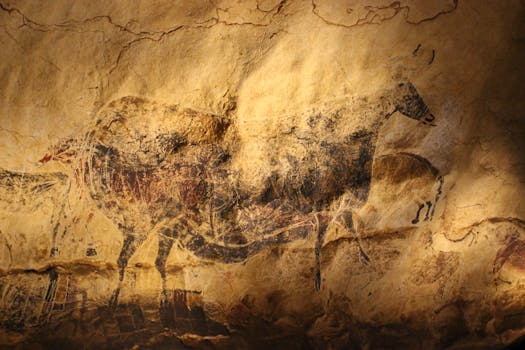 Photo: toshihiko tanaka / Pexels
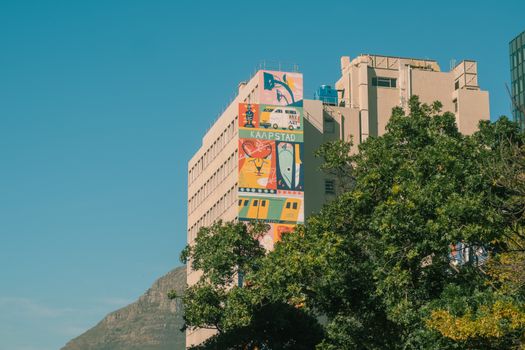 Photo: H / Pexels
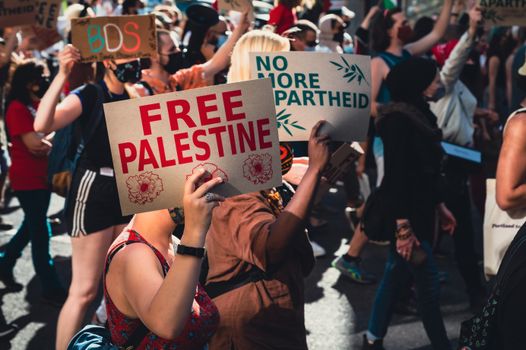 Photo: Brett Sayles / Pexels
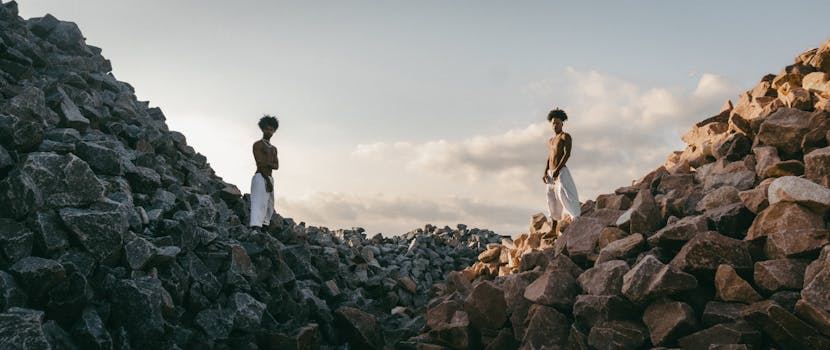 Photo: Iury Bessa / Pexels