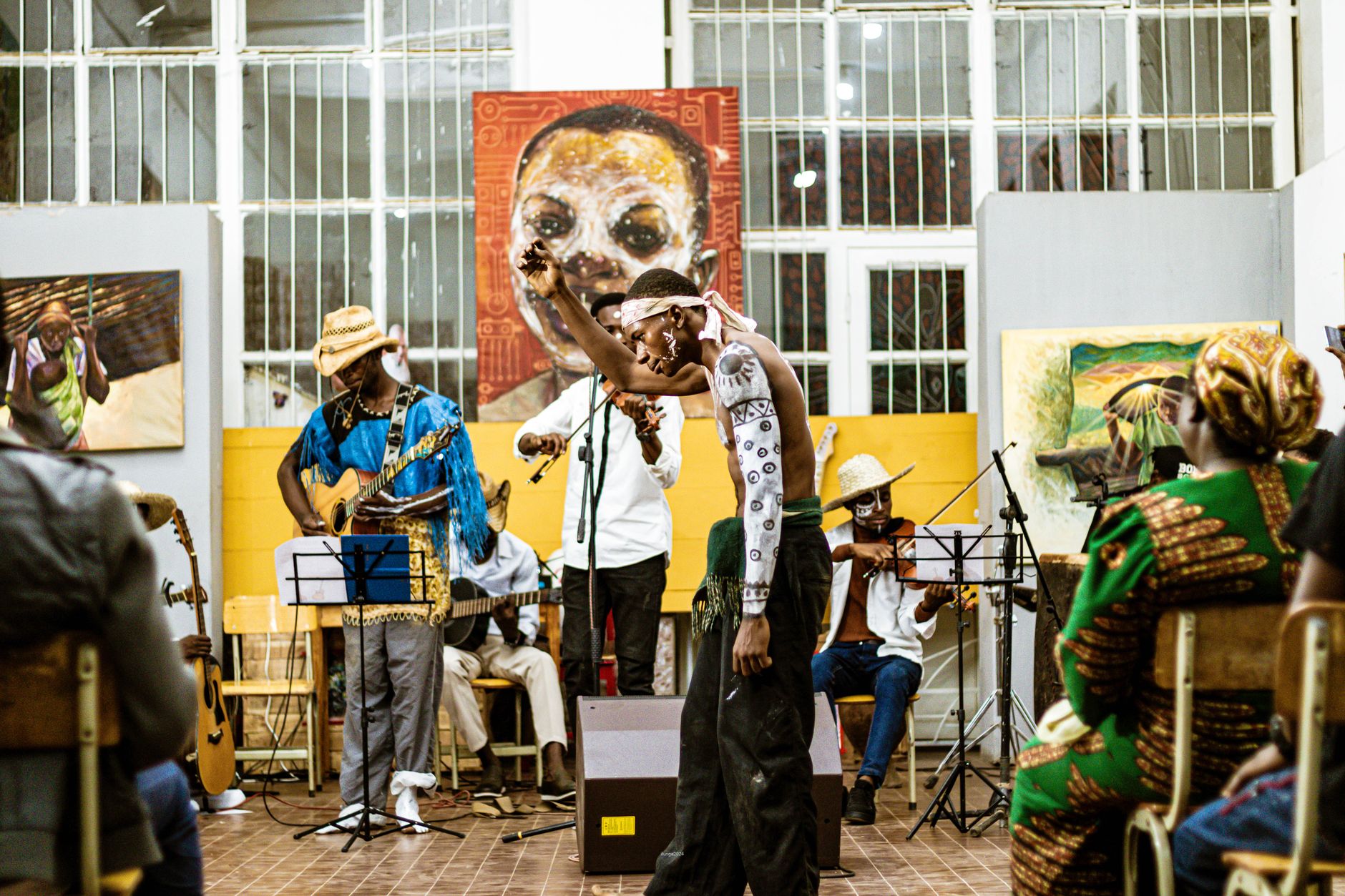
Unveiling Contemporary African Art Exhibitions
contemporary African art exhibitions

Unveiling Contemporary African Art Exhibitions

Dive into the dynamic and diverse world of African contemporary art, experiencing its profound impact and innovative spirit.

Discover Exhibitions Now

Key Takeaways

  • ✓ South Africa is a major hub for contemporary African art, hosting numerous prestigious exhibitions.
  • ✓ The market for contemporary African art has seen significant global growth and recognition.
  • ✓ Exhibitions often explore themes of identity, post-colonialism, social justice, and environmental concerns.
  • ✓ Cape Town and Johannesburg are key cities for discovering cutting-edge African art.

How It Works

1
Identify Your Interests

Consider what themes, mediums, or artists you are most drawn to. Researching specific movements or regions can help narrow your focus.

2
Explore Leading Galleries & Fairs

Look into established institutions like Zeitz MOCAA, Goodman Gallery, and FNB Art Joburg. These are excellent starting points for high-quality exhibitions.

3
Check Exhibition Schedules

Visit gallery websites, art news platforms, and local tourism sites for upcoming show dates. Many exhibitions run for limited periods.

4
Engage with the Art & Community

Attend artist talks, guided tours, and opening nights to deepen your understanding and connect with fellow art enthusiasts. This enhances the overall experience.

The Resurgence and Global Impact of Contemporary African Art
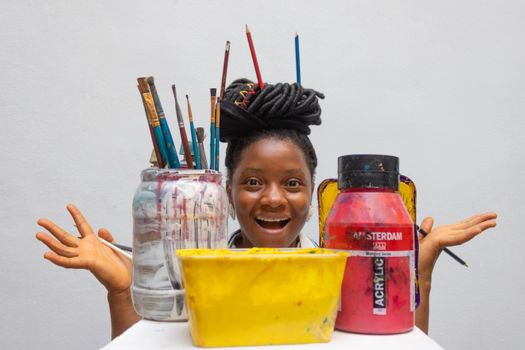
Smiling artist with dreadlocks surrounded by painting materials including acrylics and brushes. Photo: Oluyomi Akinnagbe / Pexels
Contemporary African art has dramatically reshaped the global art landscape over the past two decades, moving from the periphery to a central and influential position. This resurgence is not merely a trend but a profound re-evaluation of artistic narratives, challenging established Western canons and celebrating the rich, diverse cultural heritage and contemporary experiences of the African continent. For too long, African art was often pigeonholed into ethnographic categories or viewed through a colonial lens, divorced from its contemporary context and intellectual depth. However, a new generation of artists, curators, and institutions has meticulously worked to dismantle these stereotypes, asserting the complexity, innovation, and critical relevance of African artistic practices. This shift is evident in the increasing number of dedicated contemporary African art exhibitions globally, from major biennales in Venice and São Paulo to prestigious museums in London, New York, and Paris, all eagerly showcasing the continent's vibrant creative output. In South Africa, this movement finds a particularly strong foothold, acting as a crucial gateway to the continent's artistic discourse. Cities like Cape Town and Johannesburg have become epicentres for this artistic revolution, fostering environments where artists can experiment, collaborate, and engage with critical social and political issues. The Zeitz Museum of Contemporary Art Africa (Zeitz MOCAA) in Cape Town stands as a monumental testament to this, being the largest museum dedicated to contemporary African art in the world. Its very existence signifies a powerful statement about the importance and future of African artistic expression. Similarly, prominent galleries such as the Goodman Gallery, Stevenson, and Everard Read have been instrumental in nurturing careers, providing platforms for groundbreaking work, and connecting African artists with international audiences and collectors. These institutions are not just exhibition spaces; they are cultural ambassadors, fostering dialogue and understanding. The themes explored in contemporary African art are as varied as the continent itself. Artists delve into post-colonial identities, the complexities of urban life, environmental degradation, gender politics, migration, spirituality, and the enduring legacies of history. They employ an astonishing array of mediums, from traditional painting and sculpture to cutting-edge digital art, performance, and installation, often blending indigenous techniques with global contemporary aesthetics. This blend creates a unique visual language that is both deeply rooted and universally resonant. The global art market has also taken notice, with record-breaking auction results for African artists and growing interest from international collectors. This economic validation further fuels the ecosystem, allowing more artists to pursue their craft and more institutions to support their work. Understanding these dynamics is crucial for anyone engaging with the arts on the continent. The narrative is no longer one of 'emerging' art but of a confident, established, and continually evolving artistic force that demands attention and respect. The impact extends beyond the art world, influencing cultural discourse, academic study, and even socio-political commentary, proving that contemporary African art is not just aesthetically pleasing but also intellectually provocative and profoundly significant.

Navigating South Africa's Premier Contemporary African Art Exhibitions
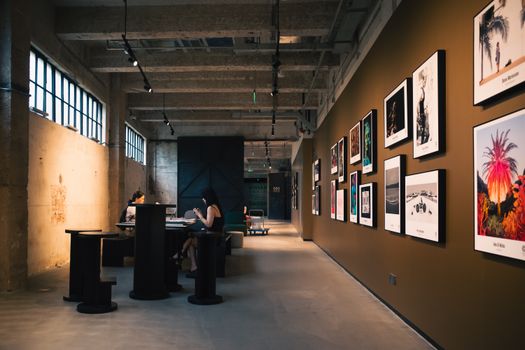
Art gallery hallway with framed artworks and visitors seated inside, under warm lighting. Photo: ProtSilver Chen / Pexels
South Africa, with its rich history, diverse cultures, and robust artistic infrastructure, offers an unparalleled opportunity to experience contemporary African art exhibitions firsthand. The country is home to a dynamic ecosystem of galleries, museums, art fairs, and independent artist-run spaces that consistently showcase some of the most compelling and innovative work from the continent and its diaspora. To truly immerse oneself in this vibrant scene, it’s essential to know where to look and what to expect. Cape Town and Johannesburg are the undisputed epicentres. In Cape Town, the aforementioned Zeitz MOCAA is a must-visit. Its rotating exhibitions feature established and emerging artists from across Africa, often presenting large-scale installations and thought-provoking thematic shows that challenge perceptions and spark dialogue. Beyond Zeitz MOCAA, the city boasts a concentration of world-class commercial galleries. Stevenson, with branches in both Cape Town and Johannesburg, is renowned for representing a roster of internationally acclaimed African artists, often presenting intellectually rigorous and visually stunning exhibitions. Goodman Gallery, another titan in the South African art world, has a legacy of supporting pioneering artists and continues to be a leading voice in contemporary African art, showcasing powerful works that often engage with socio-political themes. Everard Read, while having a broader focus, also features significant contemporary African artists, particularly those working in painting and sculpture. The V&A Waterfront, beyond Zeitz MOCAA, also hosts various pop-up exhibitions and public art installations, making art accessible to a wider audience. Johannesburg, as the economic and cultural heartland, offers a different, perhaps more raw and energetic, art experience. The city is home to numerous independent galleries and artist studios, particularly in areas like Braamfontein and Maboneng, where street art also flourishes. The Keyes Art Mile in Rosebank is a dedicated precinct housing several prominent galleries, including Circa Gallery and the Johannesburg branch of Goodman Gallery. These spaces frequently host new exhibitions, often with artist appearances and opening receptions that are vibrant social events. Furthermore, Johannesburg is home to the FNB Art Joburg, one of Africa's leading contemporary art fairs. This annual event brings together galleries from across the continent and beyond, offering a comprehensive snapshot of the latest trends, groundbreaking artists, and significant works in contemporary African art. It's an invaluable opportunity for collectors, curators, and enthusiasts to engage directly with the market and the artists shaping its future. Beyond these major cities, other regions in South Africa also contribute significantly to the art scene. Durban, for instance, has galleries like KZNSA Gallery, which supports local and regional artists, often with a focus on community engagement. Even smaller towns may have community art centres or pop-up shows that offer unique perspectives. When exploring these exhibitions, pay attention to the curatorial statements. They often provide crucial context, revealing the artist's intent, the themes explored, and the broader conversations the work aims to engage with. Don't be afraid to ask gallery staff questions; they are usually passionate and knowledgeable about the art on display. Engaging with the art on a deeper level, beyond mere visual appreciation, enriches the experience and fosters a greater understanding of the complex narratives and innovative practices defining contemporary African art today.

Understanding the Themes and Narratives in Contemporary African Art
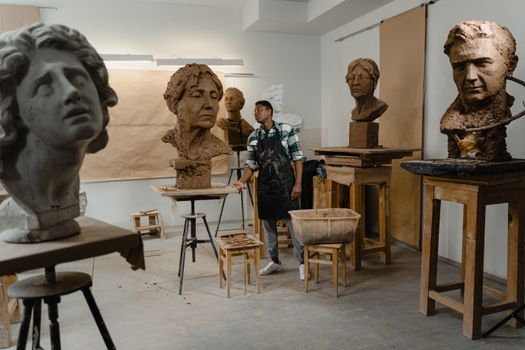
A sculptor working on clay busts in an art studio, surrounded by handmade sculptures. Photo: Tima Miroshnichenko / Pexels
Contemporary African art exhibitions are not merely showcases of aesthetic beauty; they are powerful platforms for exploring profound themes and narratives that reflect the multifaceted realities of the African continent and its diaspora. Understanding these underlying currents is key to appreciating the depth and significance of the artwork. One of the most pervasive themes is that of identity. Artists grapple with personal, national, and continental identities in a post-colonial world, often questioning inherited histories, challenging stereotypes, and asserting new forms of self-definition. This can manifest in portraits that reclaim agency, installations that explore ancestral heritage, or performances that interrogate cultural belonging. The concept of 'Afrofuturism,' for example, blends elements of science fiction, fantasy, and African history to imagine alternative futures, often as a way to critique present-day social structures and reclaim narratives of technological advancement and agency. Social and political commentary is another cornerstone. Many artists use their work as a critical lens to examine issues such as corruption, inequality, environmental degradation, migration, and the lingering effects of colonialism. Works might depict the harsh realities of urban life, the challenges of democratic transitions, or the resilience of communities facing adversity. These pieces often serve as visual activism, provoking thought, stimulating dialogue, and sometimes even inspiring action. Artists like William Kentridge, known for his animated drawings and films, masterfully weave together South African history, politics, and personal narratives to create universally resonant commentaries on power, memory, and injustice. The theme of memory and history is also deeply embedded. African artists frequently revisit historical events, often those that have been marginalized or distorted by colonial narratives, to offer new perspectives and reclaim collective memory. This can involve engaging with archival materials, oral traditions, or personal testimonies to construct complex historical tapestries. The legacy of apartheid in South Africa, for instance, continues to be a potent source of inspiration and introspection for many artists, who explore its impact on individuals and society. Spirituality, tradition, and the interplay with modernity form another significant thematic cluster. Artists often draw upon indigenous belief systems, spiritual practices, and traditional artistic forms, reinterpreting them within a contemporary context. This can involve blending traditional craftsmanship with modern materials, or using ancient symbols to comment on contemporary dilemmas. The tension and synthesis between the ancestral and the modern, the local and the global, is a fertile ground for artistic exploration, showcasing the dynamic nature of African cultures. Furthermore, the role of women and gender identity has gained increasing prominence. Female artists are asserting their voices, challenging patriarchal norms, and exploring themes of womanhood, sexuality, and empowerment within African societies. Their work often provides crucial insights into the complexities of gender roles, domesticity, and public life. Ultimately, contemporary African art exhibitions offer a window into the soul of a continent in constant flux, grappling with its past, celebrating its present, and forging its future. By engaging with these diverse themes and narratives, viewers can gain a richer, more nuanced understanding of not only African experiences but also universal human conditions. It’s an invitation to engage intellectually and emotionally with art that challenges and inspires.

Tips for Maximizing Your Contemporary African Art Exhibition Experience
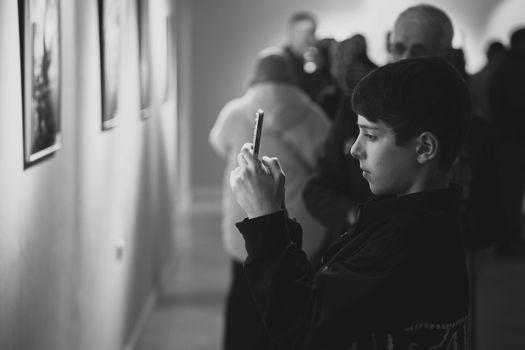
A teenager captures photos at a gallery exhibition using a smartphone. Photo: Zaur Takhgiriev / Pexels
To truly appreciate the richness and depth of contemporary African art exhibitions, a bit of preparation and an open mind can significantly enhance your experience. Here are some invaluable tips: * **Do Your Homework:** Before visiting an exhibition, take a few minutes to research the featured artists and the curatorial theme. Most galleries and museums provide excellent information on their websites. Understanding the artist's background, their influences, and the context of their work can unlock deeper layers of meaning. Knowing whether an artist addresses specific social issues or employs particular cultural symbols will make your viewing much more informed. * **Attend Opening Nights and Artist Talks:** These events offer unique opportunities to engage directly with the artists and curators. Opening nights are often vibrant social occasions, allowing you to mingle with the art community. Artist talks provide direct insight into their creative process, intentions, and the stories behind their works. This direct interaction can be incredibly enriching and provide context that might not be immediately apparent from the artwork alone. * **Engage with Gallery Staff:** Don't hesitate to ask questions. Gallery assistants and docents are usually very knowledgeable and passionate about the art they exhibit. They can offer insights into the works, recommend other artists or exhibitions, and generally enhance your understanding and appreciation. Think of them as guides to the complex world you are exploring. * **Take Your Time:** Avoid rushing through an exhibition. Allow yourself to linger with pieces that resonate with you. Step back, observe from different angles, and consider the details. Art, especially contemporary art, often reveals its nuances gradually. Some works demand contemplation, while others provoke immediate emotional responses. Give yourself the space to experience both. * **Embrace the Unfamiliar:** Contemporary African art is incredibly diverse, and you might encounter styles, mediums, or themes that are new to you. Approach these with an open mind and a willingness to learn. The beauty of contemporary art often lies in its ability to challenge perceptions and introduce new ways of seeing the world. Don't be afraid to feel uncomfortable or confused; sometimes, that's where the most profound learning happens. * **Document (Respectfully):** Many galleries allow photography without flash. Take photos of works you love, but remember to be respectful of other visitors and the art itself. These photos can serve as a personal archive and a way to revisit pieces later. However, prioritize experiencing the art in person over viewing it through your phone screen. * **Consider Purchasing (If Applicable):** If you fall in love with a piece and are in a position to do so, consider supporting the artist and gallery by purchasing art. Even smaller, more affordable prints or works can be a wonderful way to begin an art collection and directly contribute to the thriving African art ecosystem. Always inquire about pricing and artist information if a piece catches your eye. * **Explore Beyond the Mainstream:** While major galleries and museums are excellent starting points, seek out smaller, independent art spaces, artist studios, and community art projects. These often showcase experimental work and emerging talent, offering a different, often more intimate, perspective on the contemporary African art scene. Local art walks or open studio events can be great ways to discover these hidden gems. By following these tips, you'll transform your visit from a mere viewing to a truly immersive and enriching cultural experience, allowing you to connect more deeply with the powerful narratives and innovative expressions of contemporary African art.

Comparison

FeatureZeitz MOCAA (Cape Town)Goodman Gallery (JHB/CPT)FNB Art Joburg (JHB)
FocusPan-African Contemporary Art MuseumLeading Commercial GalleryAnnual Art Fair
ScaleLargest museum in AfricaMultiple established locationsMajor annual event
AccessibilityTicketed, easily accessibleFree entry, by appointment sometimesTicketed, limited duration
Artist RangeEstablished & emergingEstablished & mid-careerDiverse, international & local
ExperienceCurated, educationalIntimate, commercialDynamic, market-driven
CollectingNo direct sales

What Readers Say

"The contemporary African art exhibitions at Zeitz MOCAA are simply breathtaking. Each visit offers new perspectives and a deeper appreciation for the continent's artistic talent. I always leave feeling inspired and more connected to our cultural narratives."

Thandiwe M. · Cape Town, WC

"Goodman Gallery consistently delivers powerful and thought-provoking contemporary African art exhibitions. Their curation is impeccable, and I've discovered so many incredible artists through their shows. It's a must-visit for any art enthusiast in Joburg."

Sipho N. · Johannesburg, GP

"Attending FNB Art Joburg last year completely changed my understanding of contemporary African art. The sheer diversity and quality of work on display were astounding, and I even ended up acquiring a fantastic piece for my collection. Highly recommend for serious collectors."

Aisha R. · Durban, KZN

"While some contemporary African art exhibitions can feel a bit inaccessible at first, taking the time to read the artist statements truly unlocks their genius. I've found many compelling works that challenge my perceptions, even if I don't always 'get' them immediately."

Mark D. · Pretoria, GP

"As someone who's just starting to explore the art world, the guidance provided at smaller galleries during contemporary African art exhibitions has been invaluable. They make the art approachable and help you understand the stories being told. It's a welcoming and enriching experience."

Naledi K. · Gqeberha, EC

Frequently Asked Questions

What are the most prominent cities in South Africa for contemporary African art exhibitions?

Cape Town and Johannesburg are undoubtedly the primary hubs for contemporary African art exhibitions in South Africa. Both cities boast world-class museums like Zeitz MOCAA, numerous leading commercial galleries such as Goodman and Stevenson, and host major annual art fairs like FNB Art Joburg, offering a rich and diverse art scene for locals and international visitors alike.

Is contemporary African art only for collectors, or can anyone appreciate it?

Contemporary African art is for everyone! While it is a booming market for collectors, exhibitions are primarily designed for public engagement and appreciation. The stories, themes, and visual expressions are often deeply human and universally relatable, inviting anyone to explore and connect with the art, regardless of their collecting intentions.

How can I find out about upcoming contemporary African art exhibitions?

To stay informed, regularly check the websites of major institutions like Zeitz MOCAA, Goodman Gallery, and Stevenson. Follow art news publications and platforms specific to South Africa, and subscribe to gallery newsletters. Social media channels of galleries and artists are also excellent sources for real-time updates on openings and events.

Is contemporary African art a good investment?

The market for contemporary African art has seen significant growth and attention from international collectors, making it an increasingly attractive investment. However, like any art investment, it carries risks. It's advisable to research artists thoroughly, consult with reputable galleries and art advisors, and always purchase art that you genuinely love, regardless of its investment potential.

How does contemporary African art differ from traditional African art?

While deeply rooted in and often drawing inspiration from traditional African art forms, contemporary African art distinguishes itself by its engagement with modern global issues, diverse mediums (including digital and performance art), and individual artistic expression rather than purely ceremonial or functional purposes. It challenges historical categorizations and embraces a broader, more global dialogue.

Who should explore contemporary African art exhibitions?

Anyone with an interest in culture, history, social commentary, or innovative visual expression should explore contemporary African art exhibitions. They are particularly rewarding for students of art history, cultural studies, and anyone seeking to broaden their understanding of global perspectives and artistic trends. It's an enriching experience for all.

Are there ethical considerations when buying contemporary African art?

Yes, ethical considerations are important. Ensure you purchase from reputable galleries or directly from artists to ensure fair compensation and authentic provenance. Be wary of exploitative practices or works that appropriate cultural elements without proper attribution or understanding. Supporting ethical channels helps sustain the artists and the art ecosystem.

What are the future trends in contemporary African art exhibitions?

Future trends point towards increasing digitalization, with more virtual exhibitions and NFT art from African artists gaining traction. Expect a continued focus on environmental issues, migration, and identity politics, alongside a growing emphasis on interdisciplinary practices and collaborations that bridge art with technology, science, and social activism. The global reach and influence are only set to expand.

Embark on an inspiring journey through the world of contemporary African art exhibitions in South Africa. Discover powerful narratives, innovative artists, and a vibrant cultural landscape waiting to be explored. Your next profound artistic encounter is just around the corner.

Topics: contemporary African art exhibitionsSouth African art galleriesAfrican artistsart collecting AfricaCape Town art scene
Leo List
Brampton weed
Adultwork EstrelaBet Vai de Bet R7 Bet Betão Galera Bet Rainbet Bet9ja Shop SportyBet BetKing Sisal Loto Foot Hollywoodbets YesPlay Odibets RushBet Jugabet BetWarrior BetCity MSport betPawa Fortebet