✓ South Africa boasts one of the world's oldest continuous artistic traditions, dating back tens of thousands of years.
✓ Art has been a powerful tool for resistance, expression, and cultural preservation throughout South African history.
✓ The country's art history is profoundly influenced by its diverse ethnic groups and complex socio-political narrative.
✓ Contemporary South African art garners international acclaim for its unique perspectives and innovative forms.
How It Works
1
Ancient Beginnings
Discover the San rock art, the earliest forms of artistic expression, and understand their spiritual and narrative significance. Explore the deep roots of creativity on the continent.
2
Colonial Encounters & Resistance
Examine how colonialisation impacted indigenous art forms and the emergence of new artistic responses. Witness art as a tool for cultural endurance and subtle defiance.
3
Apartheid Era & Protest Art
Delve into the tumultuous period of apartheid, where art became a potent voice for protest, suffering, and hope. Understand the role of art in social justice movements.
4
Post-Apartheid Renaissance
Experience the explosion of creativity in democratic South Africa, exploring themes of healing, reconciliation, identity, and global engagement. See how artists are shaping a new national narrative.
The Ancient Roots: San Rock Art and Early Expressions
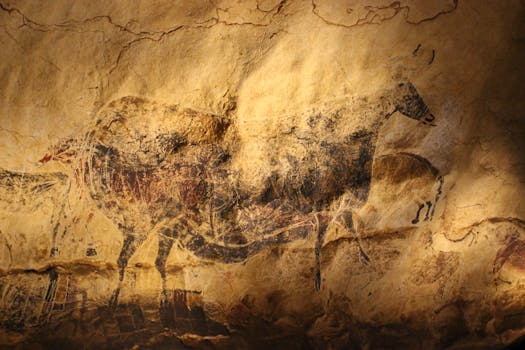
The story of South African art history begins long before written records, etched into the very rocks of the landscape. The San people, the indigenous hunter-gatherers of Southern Africa, are responsible for one of the world's most enduring and captivating artistic legacies: rock art. Dating back over 27,000 years, with some sites even older, these intricate paintings and engravings offer an unparalleled window into the spiritual beliefs, daily lives, and cosmological understanding of early human societies. Found predominantly in the Drakensberg Mountains and the Cederberg region, San rock art is not merely decorative; it is deeply imbued with symbolic meaning. Shamans, often depicted in trance states, played a crucial role in its creation, believing they could access the spirit world through these images. Elongated figures, therianthropes (human-animal hybrids), eland (a sacred antelope), and detailed hunting scenes speak volumes about their relationship with nature, their spiritual journeys, and their social structures. The sophisticated use of perspective, movement, and colour (derived from mineral pigments) demonstrates a profound artistic mastery. These ancient artworks serve as a foundational pillar of South African art, connecting contemporary artists to a deep wellspring of indigenous creativity and philosophical thought. Understanding this foundational period is crucial for appreciating the continuity and evolution of artistic expression in the region. The enduring presence of these images, often in remote and sacred locations, speaks to their profound significance and the reverence with which they were created. They are not simply historical artifacts but living testimonies to a rich cultural heritage that continues to inspire and inform. The technical skill involved, considering the tools and materials available, is truly remarkable. Artists meticulously prepared rock surfaces, often using brushes made from animal hair or feathers, and binders like blood or egg white to ensure the longevity of their pigments. The narratives conveyed range from literal depictions of events to complex metaphorical and spiritual symbolism, challenging modern interpretations and inviting ongoing scholarship. These early expressions set a precedent for art as a vehicle for profound meaning, a characteristic that resonates throughout South African artistic traditions. The San's artistic legacy is a testament to the human capacity for creativity and spiritual insight, a heritage that stands as a beacon for the entire continent. It reminds us that art is not a modern invention but an intrinsic part of human existence, serving vital functions in understanding and navigating the world around us. This ancient art form truly anchors the narrative of South African artistic development, providing a powerful and unique starting point for its long and complex journey.
Colonial Impact and the Emergence of New Forms
The arrival of European settlers from the 17th century onwards dramatically reshaped the landscape of South African art. This period marked a profound clash of cultures, with indigenous artistic practices often suppressed, misunderstood, or appropriated. However, it also led to the emergence of new art forms and themes, reflecting the complex interactions and power dynamics of the time. Traditional African art forms, such as intricate beadwork, pottery, sculpture, and textile design, continued to thrive within indigenous communities, often as expressions of cultural identity and resistance against colonial imposition. These forms, deeply rooted in communal life and spiritual beliefs, faced challenges from Western aesthetic ideals and the introduction of new materials and technologies. Simultaneously, European artistic conventions, including oil painting, portraiture, and landscape art, were introduced and began to flourish among the settler population. Early colonial artists often depicted the 'exotic' landscapes and peoples of South Africa through a European lens, sometimes contributing to stereotypical representations. However, some artists also began to capture the unique beauty and harsh realities of the South African environment, laying the groundwork for a distinct South African artistic identity. The establishment of art schools and institutions, though initially Eurocentric in curriculum, eventually provided platforms for diverse artistic development. This era saw the beginnings of a hybrid artistic culture, where traditional African aesthetics subtly influenced emerging Western-style art, and vice versa. Artists like Thomas Baines and George French Angas documented the colonial frontier, often with a romanticised or ethnographic gaze, yet their works remain important historical records. The late 19th and early 20th centuries witnessed the gradual integration of Black South Africans into formal art education, albeit often in segregated and under-resourced institutions. This period saw the first generation of Black artists trained in Western techniques, who began to use these tools to articulate their own experiences and perspectives, often subtly challenging the colonial narrative. Figures like Gerard Bhengu and John Mohl emerged, navigating a complex artistic terrain where their traditional heritage met Western training. Their works often depicted scenes of rural life, cultural rituals, and the struggles of their communities, providing a vital counter-narrative to the dominant colonial representations. This era, though fraught with conflict and inequality, was a crucible for the diverse and multifaceted artistic expressions that would define modern South African art, sowing the seeds for future artistic movements rooted in both indigenous strength and adopted techniques. It was a time of adaptation, resilience, and the slow but inexorable weaving of disparate artistic threads into a uniquely South African tapestry, setting the stage for the profound artistic activism that would emerge in later decades. The interplay of indigenous craftsmanship and European academic styles created a dynamic tension that profoundly shaped the visual culture of the nation, laying the groundwork for the powerful artistic statements to come.
Art as Resistance: The Apartheid Era and Beyond
The apartheid era (1948-1994) stands as a defining period in South African art history, transforming artistic expression into a potent weapon against injustice, segregation, and oppression. During this time, art was not merely aesthetic; it was a vital form of protest, documentation, and a means for communities to maintain their dignity and voice in the face of dehumanisation. Black artists, in particular, used their work to expose the brutal realities of apartheid, depicting township life, forced removals, police brutality, and the resilience of the human spirit. Artists like Gerard Sekoto, Ernest Mancoba, and George Pemba, though often working in isolation and under severe restrictions, laid crucial groundwork. Later, the 'township art' movement gained prominence, with artists like Dumile Feni, Thami Mnyele, and Lucky Sibiya creating powerful, often expressionistic, works that captured the anguish and defiance of their communities. Their art became a mirror reflecting the socio-political landscape, often at great personal risk. White artists, too, engaged with the struggle, though from different vantage points. Artists such as Norman Catherine, Penny Siopis, and William Kentridge explored themes of memory, trauma, and the complexities of national identity, often employing satire, allegory, and surrealism to critique the apartheid regime. The Rorke’s Drift Art and Craft Centre played a pivotal role during this period, providing essential training and a creative sanctuary for Black artists, fostering a generation of talents who would contribute significantly to the anti-apartheid art movement. The centre encouraged experimentation with printmaking, weaving, and ceramics, allowing artists to develop unique visual languages. The international community also played a role, with some artists gaining recognition abroad, bringing global attention to the plight of South Africans and circumventing local censorship. This period saw a powerful convergence of art and activism, where exhibitions became sites of political statement and individual artworks served as calls to conscience. Post-apartheid, the themes shifted, but the intensity remained. Artists grappled with reconciliation, truth, healing, and the challenges of building a new democratic nation. The legacy of apartheid continues to inform contemporary art, with artists exploring issues of inequality, land reform, identity politics, and the ongoing process of decolonisation. Figures like Zanele Muholi, who documents the lives of LGBTQI+ individuals, and Mary Sibande, who uses sculpture and photography to interrogate race, gender, and class, exemplify the continued power of art to engage with pressing social issues. This transition from protest to introspection and critical engagement showcases the dynamic and evolving nature of South African artistic discourse. The art from this era is a testament to the indomitable human spirit and the transformative power of creative expression in the face of adversity, continuing to shape national and international conversations about justice and identity.
Contemporary Voices and Global Recognition
In the democratic era, South African art has experienced an explosion of creativity, gaining unprecedented global recognition and establishing itself as a significant force in the international art world. The post-apartheid period has allowed artists to explore a broader spectrum of themes beyond the immediate struggle, delving into nuanced aspects of identity, memory, healing, nation-building, gender, sexuality, and the complexities of a rapidly changing society. This era is characterised by immense diversity in media, style, and conceptual approaches. Artists are increasingly engaging with global art trends while firmly grounding their work in unique South African experiences and perspectives. Photography, video art, installation, and performance art have gained prominence alongside traditional painting and sculpture, reflecting a dynamic and experimental artistic landscape. Artists like William Kentridge, with his evocative charcoal drawings, animated films, and theatrical productions, have achieved iconic status, using his work to explore the legacies of apartheid, colonialism, and the human condition with profound intellectual depth and visual innovation. His critical engagement with history and power resonates globally. Zanele Muholi's powerful photographic portraits challenge conventional notions of beauty and identity, giving visibility and agency to Black LGBTQI+ communities, often overlooked in mainstream narratives. Their work is both deeply personal and universally resonant, sparking important conversations about human rights and representation. Mary Sibande's fantastical sculptures and photographic works, featuring her alter-ego Sophie, explore the intersections of race, class, and gender, subverting historical narratives and celebrating Black female empowerment. Her vibrant, theatrical pieces are visually stunning and conceptually rich. Other notable contemporary artists include Athi-Patra Ruga, known for his elaborate performances and tapestries that blend fashion, mythology, and queer identity; Mohau Modisakeng, whose haunting photographic and video works explore themes of memory, violence, and the Black body; and Nicholas Hlobo, whose intricate sculptures made from found materials weave together Xhosa mythology and modern concerns. The rise of international art fairs, biennales, and major exhibitions has provided South African artists with platforms to showcase their work to a global audience, leading to increased demand and critical acclaim. Institutions like the Zeitz MOCAA in Cape Town, the largest museum of contemporary African art in the world, play a crucial role in collecting, preserving, and exhibiting this rich output, further cementing South Africa's position as a hub for contemporary artistic innovation. This period represents not just a flourishing of individual talent but also a collective assertion of South Africa's cultural significance on the world stage, demonstrating how a nation's art can reflect its past, interrogate its present, and bravely imagine its future.
Key Periods and Influences: A Chronological Journey
To truly appreciate South African art history, it is essential to understand the distinct periods and the influences that shaped them. The journey begins with the **Pre-Colonial Era (c. 27,000 BCE - 1652 CE)**, dominated by San rock art, but also including the sophisticated pottery, ironwork, and beadwork of various Bantu-speaking groups. These art forms were integral to daily life, ritual, and communication, reflecting a deep connection to the land and spiritual beliefs. The arrival of European settlers ushered in the **Colonial Era (1652-1948)**. This period saw the introduction of Western artistic conventions, often used to document and interpret the new landscape and its inhabitants from a colonial perspective. Simultaneously, indigenous art forms continued, adapting and evolving, often subtly resisting cultural assimilation. Mission schools and early art centers began to train Black artists, leading to a fascinating blend of traditional and Western techniques and themes. Artists like Gerard Sekoto, who would later become a pioneer of urban black modernism, began his career during the latter part of this era, capturing the burgeoning township life. The **Apartheid Era (1948-1994)** was a crucible of artistic expression. Art became a powerful tool for political and social commentary, protest, and documenting the harsh realities of segregation. This period fostered diverse artistic movements, from the figurative and often stark 'township art' of artists like Dumile Feni and Thami Mnyele, to more abstract and symbolic resistance art. Institutions like the Polly Street Art Centre and Rorke's Drift were vital in nurturing Black artistic talent under oppressive conditions. White artists, too, used their platforms to critique the regime, with figures like William Kentridge emerging with his unique blend of drawing, animation, and political allegory. The **Post-Apartheid Era (1994-Present)** marks a vibrant and diverse period. With newfound freedom, artists have explored themes of reconciliation, identity, memory, gender, and the complexities of building a democratic nation. This era has seen a global surge in interest in South African contemporary art, with artists like Zanele Muholi, Mary Sibande, and Athi-Patra Ruga gaining international acclaim. The influence of various global art movements is evident, but always filtered through a distinctly South African lens, creating a rich tapestry of visual narratives that continue to evolve. Each period builds upon the last, creating a layered and complex art history that is both deeply rooted in its local context and increasingly relevant on the world stage. Understanding these chronological shifts and their driving forces provides a comprehensive appreciation of the depth and dynamism of South African artistic heritage. The resilience, adaptability, and innovative spirit of South African artists, across millennia and through profound societal changes, remain a testament to the enduring power of art to reflect, challenge, and shape human experience.
Comparison
Artistic Period
Key Characteristics
Dominant Themes
Notable Artists
Pre-Colonial
Rock paintings, pottery, beadwork; spiritual, narrative, communal
Spirituality, hunting, daily life, cosmology
San artists, Iron Age craftsmen
Colonial Era
European landscape/portraiture, indigenous forms; documentation, cultural clash
Social injustice, political commentary, resilience
Gerard Sekoto, William Kentridge, Dumile Feni
Post-Apartheid
Diverse media, global engagement; reconciliation, identity, social critique
Nation-building, memory, gender, decolonisation
Zanele Muholi, Mary Sibande, Athi-Patra Ruga
What Readers Say
★★★★★
"This article beautifully captures the essence and evolution of South African art history. It's incredibly comprehensive, covering everything from ancient San rock art to the vibrant contemporary scene, making me appreciate our heritage even more."
Thandiwe Mkhize · Johannesburg, Gauteng
★★★★★
"As an art enthusiast, I found this deep dive into South African art history fascinating. The way it connects the art to our socio-political journey is brilliant, offering rich context to each period and artist."
David Chen · Cape Town, Western Cape
★★★★★
"Before reading this, I had a fragmented understanding, but now I feel I've gained a complete and coherent picture of our art. It's an invaluable resource for anyone wanting to truly understand South African culture through its art."
Naledi Ntuli · Durban, KwaZulu-Natal
★★★★★
"A very informative and well-structured article. While it touches on many important artists, I would have loved to see a bit more on specific regional art movements within the post-apartheid section. Still, a fantastic overview!"
Michael van Zyl · Pretoria, Gauteng
★★★★★
"As someone studying African art from abroad, this article was a godsend. It provided such a clear, engaging, and detailed narrative of South African art history that I now feel much more confident in my understanding."
Sarah Jones · London, UK
Frequently Asked Questions
What is the oldest form of South African art?
The oldest form of South African art is San rock art, with some archaeological evidence suggesting its origins date back over 27,000 years. These intricate paintings and engravings, found in various parts of the country, provide deep insights into the spiritual and daily lives of the indigenous San people.
How did apartheid impact South African art?
Apartheid profoundly impacted South African art by making it a powerful tool for resistance, protest, and social commentary. Artists used their work to expose injustices, document daily struggles, and preserve cultural identity, often at great personal risk and facing censorship. This era fostered a unique and politically charged artistic landscape.
Where can I see South African art?
You can experience South African art at various institutions. Key places include the Zeitz MOCAA in Cape Town, the Iziko South African National Gallery (Cape Town), the Johannesburg Art Gallery, and the Pretoria Art Museum. Numerous private galleries across major cities also showcase contemporary works.
Is contemporary South African art globally recognized?
Yes, contemporary South African art has achieved significant global recognition. Artists like William Kentridge, Zanele Muholi, and Mary Sibande are celebrated internationally, with their works featured in major museums, biennales, and art fairs worldwide. This global interest reflects the unique perspectives and high artistic quality emerging from the country.
How does South African art compare to art from other African regions?
South African art shares broad thematic and historical connections with other African regions, such as addressing post-colonial identity and social issues. However, its unique history, particularly the distinct narrative of apartheid and its aftermath, gives it a specific thematic focus and artistic language that differentiates it, while still contributing to the rich tapestry of African art.
Who should explore South African art history?
Anyone interested in art, history, cultural studies, or the human condition should explore South African art history. It offers profound insights into resilience, identity, and the power of creative expression in the face of adversity, making it relevant for students, academics, art lovers, and those seeking to understand complex societal narratives.
Are there risks in interpreting ancient South African art?
Yes, there are significant risks in interpreting ancient South African art, particularly San rock art. Misinterpretations can occur due to a lack of direct cultural continuity, the loss of indigenous knowledge, and the imposition of Western interpretive frameworks. Scholars strive for respectful and informed approaches, often collaborating with descendant communities where possible, to avoid perpetuating colonial biases or inaccuracies.
What is the future trend for South African art?
The future trend for South African art points towards continued diversification, increasing digital integration, and a deepening engagement with global conversations while maintaining its unique local voice. Artists will likely continue to explore themes of decolonisation, climate change, technology, and evolving identities, pushing boundaries in both form and content, and further solidifying its presence on the international stage.
Embark on your own journey through the incredible world of South African art history. Discover the profound stories, diverse voices, and enduring legacy that continue to shape the nation's creative soul. Start exploring today and connect with a heritage rich in resilience and beauty.