
Unveiling the Soul of South Africa: Traditional Xhosa Art
Journey into the rich tapestry of Xhosa artistic expression, a vibrant reflection of history and identity.
Explore Xhosa ArtKey Takeaways
- ✓ Traditional Xhosa art is deeply intertwined with social status, age, gender, and life stages.
- ✓ Beadwork (Ubugu) is one of the most prominent and symbolic forms of Xhosa artistic expression.
- ✓ The vibrant colors used in Xhosa beadwork each carry specific meanings and messages.
- ✓ Xhosa artistry extends beyond beadwork to include intricate attire, pottery, and traditional homestead decoration.
How It Works
Before appreciating the art, grasp its place within Xhosa society. It's not merely decorative, but a language of identity and tradition.
Learn the meanings behind colors, patterns, and motifs. Each element tells a story about the wearer or creator's life and beliefs.
Explore beyond beadwork to discover the beauty of Xhosa attire, pottery, and even the intricate designs found in their traditional homes.
Witness how traditional Xhosa art influences modern artists, preserving heritage while adapting to contemporary contexts and materials.
The Enduring Legacy of Traditional Xhosa Art
 Photo: shutter Rwanda / Pexels
Ubugu: The Language of Xhosa Beadwork and Attire
 Photo: Speak Media Uganda / Pexels
Beyond Beads: Other Forms of Xhosa Artistic Expression
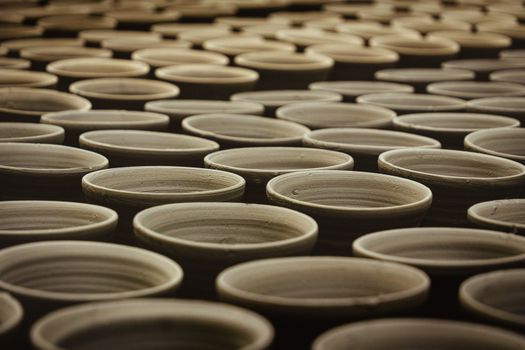 Photo: Soumyojit Sinha / Pexels
Preservation and Modern Interpretations: Keeping Xhosa Art Alive
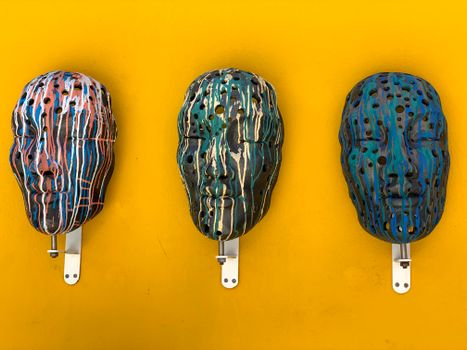 Photo: Cristina Verceles / Pexels
Comparison
| Feature | Traditional Xhosa Art | Contemporary Xhosa-inspired Art | General African Souvenirs |
|---|---|---|---|
| Cultural Depth | Deeply symbolic, specific meanings | Reinterprets symbols, new narratives | Often decorative, less specific meaning |
| Authenticity | Handcrafted by Xhosa artisans, traditional methods | Modern artists, traditional influence | Mass-produced, may lack cultural connection |
| Materials | Glass beads, natural pigments, organic materials | Diverse modern and traditional materials | Varied, often commercial materials |
| Purpose | Social communication, ritual, identity | Artistic expression, cultural statement | Decorative, tourist keepsake |
| Value | High cultural and artistic value, investment | Artistic value, cultural statement | Sentimental or decorative value |
What Readers Say
"The traditional Xhosa art pieces I acquired tell stories that resonate deeply with my heritage. The beadwork is incredibly intricate, and each color choice is so meaningful. It's truly a connection to my ancestors."
Naledi Mkhize · Gqeberha, Eastern Cape"I was captivated by the rich history behind each piece of traditional Xhosa art I saw. The guides explained the significance of the patterns and colors, which made the experience so much more profound. It's a must-see for anyone interested in South African culture."
David O'Connell · Cape Town, Western Cape"After learning about traditional Xhosa art, I purchased a beautiful beaded necklace. It's not just an accessory; it's a conversation starter and a piece of living history that brings vibrancy and cultural depth to my collection. The craftsmanship is outstanding."
Sarah Jenkins · London, UK"While the traditional Xhosa art is undeniably beautiful, I wish there were more accessible workshops for learning the craft. It's important to preserve these skills, and hands-on experience would greatly benefit enthusiasts like me."
Thandiwe Dlamini · Durban, KwaZulu-Natal"As an art historian, I found the traditional Xhosa art to be incredibly sophisticated in its symbolism and execution. It challenges Western notions of art and utility, showcasing a holistic approach to creativity that is truly inspiring."
Marcus Chen · New York, USAFrequently Asked Questions
What is the most recognizable form of traditional Xhosa art?
The most widely recognized form of traditional Xhosa art is undoubtedly beadwork, known as Ubugu. This intricate artistry is used to adorn clothing, accessories, and ceremonial items, conveying complex messages about the wearer's identity, status, and life stage through its colors and patterns.
Is traditional Xhosa art still practiced today?
Absolutely! Traditional Xhosa art is a living tradition. While it faces modern challenges, many artisans, cultural centers, and community initiatives actively preserve and teach these skills, ensuring its continued practice and evolution in contemporary South Africa.
How can I identify authentic traditional Xhosa art?
Authentic traditional Xhosa art is typically handcrafted with meticulous detail, often by experienced artisans who understand the cultural significance of their work. Look for pieces sold directly by artists, at reputable cultural markets, or through organizations dedicated to promoting indigenous crafts. Avoid mass-produced items.
What is the value of investing in traditional Xhosa art?
Investing in traditional Xhosa art offers both cultural and artistic value. You acquire a unique, handcrafted piece with deep historical and symbolic meaning, directly supporting the artisans and the preservation of their heritage. It's a tangible connection to a rich cultural legacy.
How does traditional Xhosa art differ from Ndebele art?
While both Xhosa and Ndebele art utilize vibrant colors and geometric patterns, they have distinct styles and cultural contexts. Xhosa art often focuses on intricate beadwork and specific attire for life stages, while Ndebele art is famously known for its bold, colorful house paintings and elaborate beaded neck rings (ndzila). Each reflects unique tribal identities and traditions.
Who should appreciate and collect traditional Xhosa art?
Anyone with an interest in African culture, indigenous art forms, social history, or ethical consumerism should appreciate and consider collecting traditional Xhosa art. It appeals to art collectors, cultural enthusiasts, educators, and those looking for meaningful, handcrafted items with a story.
Are there any risks in acquiring traditional Xhosa art?
The primary risk is inadvertently purchasing inauthentic or mass-produced items that exploit the culture without genuinely benefiting the artisans or preserving the tradition. To mitigate this, always buy from trusted sources, directly from communities, or from fair-trade certified outlets.
What is the future trend for traditional Xhosa art?
The future trend for traditional Xhosa art lies in its continued fusion with contemporary design, particularly in fashion and fine art. There's a growing appreciation for its cultural depth globally, leading to more collaborations, digital preservation efforts, and innovative expressions that maintain its core identity while reaching new audiences.
Immerse yourself in the captivating world of traditional Xhosa art. Each piece tells a story, a vibrant thread in the rich tapestry of South African heritage. Discover, appreciate, and support this living legacy today.