Unveiling the Profound Traditional African Art Meaning
traditional African art meaning

Unveiling the Profound Traditional African Art Meaning

Dive into the rich narratives and spiritual depths embedded within Africa's ancient artistic expressions.

Explore Meanings Now

Key Takeaways

  • ✓ Traditional African art is primarily functional, serving spiritual, social, and political purposes rather than mere aesthetics.
  • ✓ Symbolism is paramount, with every line, shape, and material carrying specific cultural or spiritual significance.
  • ✓ Art forms include masks, sculptures, textiles, pottery, and body adornment, reflecting diverse ethnic groups.
  • ✓ The art is often created for rituals, ceremonies, and storytelling, connecting the living with ancestors and deities.

How It Works

1
Identify the Origin

Research the specific ethnic group or region from which the art piece originates. This provides crucial context for understanding its cultural framework and traditional practices.

2
Analyze Form and Material

Examine the materials used (wood, bronze, beads, clay) and the artistic style (abstract, naturalistic). These elements often hold symbolic weight and can indicate its intended function or spiritual connection.

3
Decipher Symbolism

Look for recurring motifs, patterns, or exaggerated features. These are rarely arbitrary and typically convey messages about status, power, fertility, protection, or ancestral veneration.

4
Understand Its Function

Determine if the art was used in rituals, ceremonies, storytelling, governance, or as a status symbol. Its practical application is central to its meaning and cultural value.

The Intrinsic Value of Traditional African Art Meaning
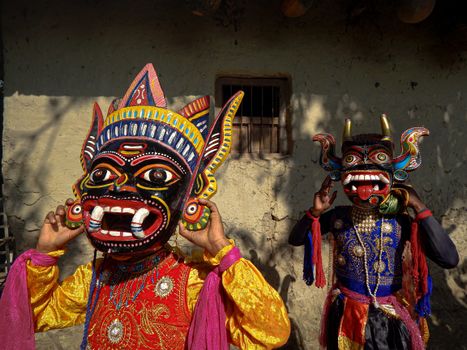
Vibrant Indian festival featuring traditional masks and colorful costumes. Captivating cultural celebration. Photo: Sayantan Dhar / Pexels
Traditional African art is far more than decorative; it is a profound repository of history, spirituality, and societal values. Unlike Western art traditions that often prioritize aesthetics for art's sake, the traditional African art meaning is inextricably linked to its function and purpose within the community. Each mask, sculpture, textile, or piece of adornment is a carefully crafted object imbued with layers of cultural significance, serving as a medium for communication, a tool for social cohesion, or a conduit to the spiritual realm. The materials chosen, the forms sculpted, and the patterns etched are never arbitrary; they are deliberate choices that convey specific messages, narratives, and beliefs passed down through generations. For instance, a mask might not simply be a representation of a spirit, but rather the embodiment of the spirit itself when worn by a dancer in a ritual. It transforms the wearer, allowing the spirit to manifest and interact with the human world, offering guidance, healing, or social commentary. Similarly, power figures, often adorned with various offerings and sacrificial materials, are not merely statues but active agents in protecting the community, enforcing laws, or resolving disputes. The aesthetic qualities, while often striking and beautiful, are secondary to the object's ability to fulfill its intended role within the cultural fabric. This functional essence is a cornerstone of understanding the true traditional African art meaning. Moreover, the creation of these artworks is often a communal process, reflecting the collective identity and shared worldview of the people. The artist, rather than being an isolated genius, is a skilled artisan working within established traditions, often guided by elders or spiritual leaders. Their work is a continuation of an ancient lineage, ensuring that the visual language and its underlying meanings remain consistent and potent across time. This deep connection to community and tradition distinguishes African art and highlights its role in preserving cultural memory and identity. The art serves as a visual encyclopedia, documenting historical events, social structures, moral codes, and religious doctrines for future generations. It is a living heritage, constantly reinterpreted and revitalized through performance and ritual, demonstrating its enduring relevance and adaptability. Understanding these foundational principles is essential for anyone seeking to appreciate the depth and complexity of traditional African art. Explore more about the rich history of African arts.

Symbolism and Spirituality in African Art

A vibrant collection of African wooden masks laid out on the sand, showcasing cultural artistry. Photo: Zawadi Masoud / Pexels
At the heart of the traditional African art meaning lies an intricate web of symbolism and spirituality. Every line, curve, color, and material choice in traditional African art is laden with symbolic significance, reflecting a holistic worldview where the sacred and the secular are often intertwined. Animals, for example, frequently appear in art, not merely as representations of fauna, but as embodiments of specific qualities or ancestral spirits. The leopard might symbolize power and royalty, while the chameleon could represent adaptability or the wisdom of old age. Geometric patterns, too, are far from decorative; they often encode complex cosmological beliefs, social hierarchies, or philosophical concepts. A zigzag pattern could denote water or the path of ancestors, while a spiral might signify continuity or the cycle of life and death. The spiritual dimension is particularly pronounced in masks and sculptures used in religious ceremonies and rituals. These objects are believed to be imbued with spiritual energy, acting as intermediaries between the human world and the realm of ancestors, deities, and spirits. They facilitate communication, invoke blessings, ward off evil, or guide individuals through life transitions such as initiation, marriage, or burial. The act of creating these pieces is often a sacred process, accompanied by prayers, offerings, and adherence to specific traditional protocols, ensuring the object's spiritual efficacy. The artist is not just a craftsman but a facilitator of the sacred, channeling ancestral wisdom into physical form. The power of these objects is not derived from their material value but from their spiritual potency and their ability to connect the community to its unseen forces. Furthermore, the selection of materials itself carries symbolic weight. Wood, being a living material, is often associated with life, growth, and connection to the earth. Metals like bronze and iron, especially when used for figures of authority or deities, symbolize strength, permanence, and spiritual power. Beads, shells, and cowries, frequently incorporated into adornments and sculptures, can signify wealth, status, fertility, or protection, depending on their arrangement and context. The patina that develops on these objects over time, often from repeated handling, libations, or sacrificial offerings, is not seen as damage but as a testament to their age, use, and accumulated spiritual power. This rich symbolic language ensures that traditional African art is not just seen but felt, understood, and experienced as a vital component of cultural and spiritual life. It speaks to a profound respect for the unseen world and the interconnectedness of all things, offering a glimpse into the deep philosophical underpinnings of various African societies.

The Cultural and Social Fabric of African Art Forms
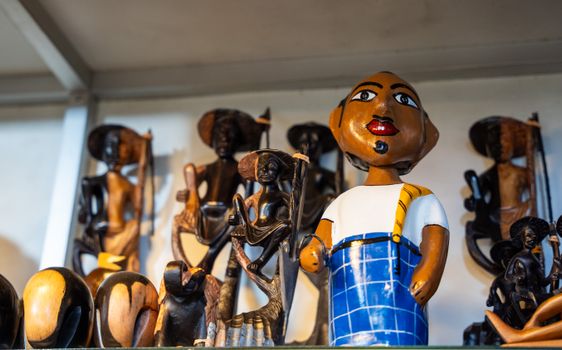
Vibrant wooden African figurines displayed on a shelf, capturing cultural craftsmanship. Photo: Thilina Alagiyawanna / Pexels
Beyond their spiritual roles, traditional African art forms are deeply woven into the cultural and social fabric of communities, serving diverse functions that maintain order, transmit knowledge, and celebrate identity. Many art pieces are integral to rites of passage, marking significant life stages from birth to death. Initiation masks, for example, guide young people through the transition from childhood to adulthood, teaching them the values, responsibilities, and secrets of their society. These masks are not just objects; they are key players in educational dramas, embodying the wisdom of elders and ancestors, and reinforcing communal norms. Similarly, figures depicting ancestors or significant historical leaders serve as reminders of lineage, heritage, and the importance of upholding traditions. They are often placed in prominent positions within homes or communal spaces, acting as focal points for veneration and historical reflection. Art also plays a crucial role in governance and social control. Royal regalia, such as staffs, thrones, and crowns, are elaborate works of art that symbolize the authority and legitimacy of rulers. The intricate designs and precious materials used in these objects communicate power, wealth, and divine sanction, reinforcing the social hierarchy. In some societies, specific masks or figures are associated with secret societies that maintain law and order, resolve disputes, and enforce ethical conduct. These art forms become instruments of justice, their presence in rituals lending gravity and spiritual authority to societal decisions. The fear and respect they inspire ensure compliance and reinforce communal harmony. This demonstrates that the traditional African art meaning extends into the practicalities of daily life and community management. Furthermore, traditional African art is a powerful medium for storytelling and the preservation of oral traditions. Textiles, pottery, and murals often feature narrative motifs that recount myths, historical events, proverbs, and moral lessons. These visual narratives complement oral storytelling, providing a tangible reference point for shared cultural knowledge. The vibrant patterns and intricate designs on textiles, for instance, can convey messages about social status, marital status, or affiliation with particular groups. The act of creating these textiles, often involving communal effort, further strengthens social bonds and transmits skills across generations. This integration of art into every aspect of life – from governance and education to social identity and historical record-keeping – underscores its indispensable role in traditional African societies. It is a dynamic and living heritage, constantly engaging with the present while rooted firmly in the past. Discover the diverse forms of African arts and their cultural significance.

Navigating the Nuances: Understanding Traditional African Art Meaning Today
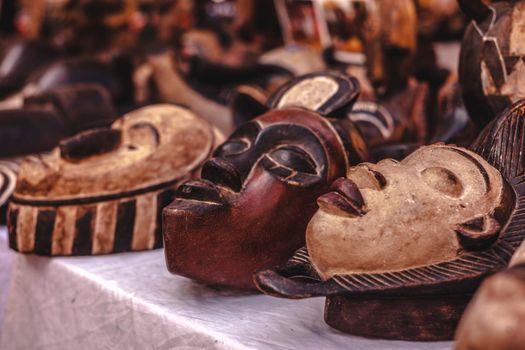
Carved wooden masks with intricate designs displayed at a vibrant market. Photo: Francesco Paggiaro / Pexels
Understanding the traditional African art meaning in the 21st century requires navigating a complex landscape that bridges historical context with contemporary perspectives. One of the common mistakes is to view these artworks solely through a Western aesthetic lens, appreciating them for their form and beauty alone, without delving into their intended function and spiritual significance. This can lead to a superficial appreciation that misses the profound cultural dialogue embedded within each piece. It's crucial to remember that these objects were not originally created for display in museums but as active participants in rituals, ceremonies, and daily life. Another pitfall is to generalize 'African art' as a monolithic entity. Africa is a vast continent with thousands of diverse ethnic groups, each with its unique artistic traditions, symbols, and spiritual beliefs. What a mask means in a Yoruba context will differ significantly from its meaning in a Dogon or Luba context. Therefore, specific research into the originating culture is paramount for accurate interpretation. Attributing universal meanings to symbols without specific cultural context is a significant misstep. Here are some tips for a deeper understanding: * **Research Specific Cultures:** Always seek to identify the ethnic group and region associated with a piece. This is the first step to unlocking its specific meaning. * **Consider Function First:** Ask what purpose the art served. Was it for rituals, status, storytelling, or protection? Its function dictates its form and symbolism. * **Look Beyond Aesthetics:** While visually compelling, the aesthetic qualities are often secondary to the object's spiritual or social efficacy. Prioritize understanding its role over its superficial beauty. * **Acknowledge Oral Traditions:** Many meanings are passed down orally. Consult ethnological research, academic texts, and where possible, engage with cultural practitioners or descendants to gain deeper insights. * **Appreciate the Materials:** The choice of wood, metal, beads, or other elements is deliberate and carries symbolic weight. Investigate what these materials signify in the specific cultural context. * **Recognize the Dynamic Nature:** Traditional African art is not static. It has evolved over centuries and continues to adapt, even as its core meanings often endure. Understand its historical trajectory and contemporary relevance. Avoiding these common mistakes and applying these tips will allow for a much richer and more respectful engagement with the profound traditional African art meaning, moving beyond mere observation to a genuine appreciation of its cultural depth and significance.

Comparison

FeatureTraditional African ArtWestern Fine Art (Historical)Modern African Art
Primary PurposeFunctional (spiritual, social, political)Aesthetic, expressive, patronageExpressive, identity, commentary
ContextRitual, community, daily lifeGalleries, private collections, churchesGalleries, global market, personal expression
Artist IdentityOften anonymous, communal traditionNamed masters, individual geniusNamed artists, individual vision
SymbolismHighly symbolic, culturally specificSymbolic but often universalizedDiverse, often personal or socio-political
MaterialsNatural, locally sourced (wood, clay, metal)Oil paint, marble, bronzeMixed media, traditional & contemporary

What Readers Say

"This article beautifully articulated the traditional African art meaning. I always saw the beauty, but now I understand the deep spiritual and cultural layers. It's truly transformative to learn about the purpose behind each piece."

Naledi Mokoena · Johannesburg, ZA

"As an art enthusiast, I've struggled to find resources that truly explain the functional aspect of African art. This piece clarified so much about how these objects lived within their communities. Highly recommend for anyone wanting a deeper dive."

Thabo Zulu · Durban, ZA

"The insights into symbolism and spirituality were eye-opening. I now look at African masks and sculptures with a renewed sense of respect and understanding, recognizing them as powerful conduits of cultural heritage. My perspective has completely shifted for the better."

Lerato Nkosi · Cape Town, ZA

"A comprehensive overview, though I wish there were more specific examples of art pieces linked to their tribal meanings. Still, it's an excellent foundation for appreciating the intricate traditional African art meaning."

Sipho Dlamini · Pretoria, ZA

"Learning about the communal aspect of art creation was particularly fascinating. It truly highlights how different African art is from Western concepts of individual artistry. This article provides a crucial perspective for anyone studying global art history."

Aisha Patel · Bloemfontein, ZA

Frequently Asked Questions

What is the primary traditional African art meaning?

The primary traditional African art meaning is rooted in its function and purpose within the community, rather than purely aesthetic value. It serves spiritual, social, political, and educational roles, acting as a medium for communication, ritual, and the preservation of cultural heritage.

Is all traditional African art spiritual in nature?

While a significant portion of traditional African art has spiritual or religious connotations, not all of it is exclusively spiritual. Many pieces also serve social functions, such as communicating status, enforcing laws, celebrating life events, or simply adorning individuals and spaces.

How can I accurately interpret the symbolism in a piece of traditional African art?

To accurately interpret symbolism, you should first identify the ethnic group and region of origin. Research their specific cultural beliefs, myths, and social structures. Pay attention to materials, forms, and patterns, as these elements are often culturally specific symbols, and consult academic resources or cultural experts.

Does traditional African art have monetary value?

While the primary value of traditional African art is cultural and spiritual, many pieces hold significant monetary value in the global art market, especially those with historical importance, rare craftsmanship, or provenance. However, this monetary value is separate from its original cultural purpose.

How does traditional African art differ from Western art?

Traditional African art often differs from Western art in its emphasis on function over pure aesthetics, its communal creation process, its deep integration into daily life and ritual, and its rich, culturally specific symbolism. Western art often prioritizes individual artistic expression and display in galleries.

Who created traditional African art?

Traditional African art was created by skilled artisans, often working within established traditions and guided by communal needs or spiritual leaders. Their identities were sometimes less important than the function and spiritual efficacy of the art, though many were recognized within their communities for their talent.

Is it respectful to collect traditional African art?

Collecting traditional African art can be respectful if done ethically, focusing on provenance, supporting legitimate sources that benefit the originating communities, and understanding the cultural context and meaning of the pieces. Avoiding items obtained through illicit means or cultural exploitation is crucial.

What is the future of traditional African art meaning in a globalized world?

In a globalized world, the traditional African art meaning continues to evolve. It serves as a powerful source of inspiration for contemporary artists, a crucial element of cultural identity, and a subject of increasing academic and public interest, fostering cross-cultural dialogue and preservation efforts.

Uncover the profound narratives and spiritual wisdom embedded in every piece of traditional African art. By understanding its true meaning, you connect with centuries of rich heritage and diverse human expression. Start your journey of discovery today and deepen your appreciation for this incredible cultural legacy.

Topics: traditional African art meaningAfrican art symbolismAfrican cultural heritageindigenous African artspiritual art Africa
Leo List
Brampton weed
Adultwork EstrelaBet Vai de Bet R7 Bet Betão Galera Bet Rainbet Bet9ja Shop SportyBet BetKing Sisal Loto Foot Hollywoodbets YesPlay Odibets RushBet Jugabet BetWarrior BetCity MSport betPawa Fortebet