✓ South Africa's art scene is experiencing a renaissance, driven by diverse cultural narratives and a global appreciation for African contemporary art.
✓ Emerging artists are pushing boundaries, utilizing traditional techniques alongside modern mediums to address complex societal issues.
✓ Investment in South African art offers both cultural enrichment and significant financial growth potential.
✓ Galleries and online platforms are making South African art more accessible to international collectors and enthusiasts than ever before.
How It Works
1
Understand the Landscape
Familiarize yourself with the major art hubs in South Africa, such as Cape Town and Johannesburg, and the prominent galleries that champion emerging talent. Research key art fairs and biennales.
2
Identify Key Themes
South African art often delves into themes of identity, history, politics, and social justice. Understanding these overarching narratives will deepen your appreciation and help you connect with artists' messages.
3
Follow Emerging Artists
Keep an eye on artists who are receiving critical acclaim, winning awards, or being featured in significant exhibitions. Social media and art publications are excellent resources for tracking new talent.
4
Engage and Collect
Attend virtual or physical exhibitions, engage with galleries, and consider starting your own collection. Begin with pieces that resonate with you, even if they are from lesser-known artists initially.
The Dynamic Landscape of Contemporary South African Art
Photo: Martin Ilunga / Pexels
South Africa's contemporary art scene is a vibrant, complex tapestry woven from diverse cultural narratives, historical legacies, and a forward-looking spirit. It's a space where artists fearlessly explore identity, challenge societal norms, and reinterpret traditional aesthetics through a modern lens. The global art world has increasingly turned its gaze towards this dynamic region, recognizing the profound originality and compelling stories emerging from its studios and galleries. This burgeoning interest isn't merely a trend; it's a testament to the undeniable talent and unique perspectives that South African artists bring to the international stage. From the bustling urban centers of Johannesburg and Cape Town to the more rural, community-focused art initiatives, a new generation of creators is pushing boundaries, redefining what art means in a post-apartheid nation, and contributing significantly to the broader discourse on global contemporary art.
What makes South African art particularly compelling is its raw honesty and its ability to confront difficult histories while simultaneously envisioning hopeful futures. Artists often draw upon a rich heritage of indigenous art forms, oral traditions, and protest art, infusing them with contemporary techniques and global influences. This synthesis results in works that are deeply personal yet universally resonant, speaking to themes of resilience, transformation, and the ongoing quest for social justice. The art market, both locally and internationally, has responded enthusiastically. Major art fairs like FNB Art Joburg and Investec Cape Town Art Fair serve as vital platforms, showcasing the breadth and depth of local talent to collectors, curators, and critics from around the world. These events are not just commercial ventures; they are cultural touchstones that foster dialogue, celebrate creativity, and solidify South Africa's position as a critical player in the global art ecosystem. Furthermore, the rise of digital platforms and online galleries has democratized access, allowing a wider audience to discover and engage with these extraordinary artists, breaking down geographical barriers and fostering a more inclusive art community. The institutional support, while still developing, is complemented by a robust independent art scene, where artist-run spaces and grassroots initiatives play a crucial role in nurturing emerging talent and experimenting with new forms and ideas. This fertile ground makes identifying the next wave of influential South African artists an exciting and rewarding endeavor for any art enthusiast or serious collector.
Spotlighting the Innovators: Emerging Artists Redefining the Medium
Photo: EZA HELDER NGAM / Pexels
In this exciting period, several South African artists are distinguishing themselves through their innovative approaches to medium, subject matter, and narrative. These are the individuals who are not just creating beautiful or thought-provoking pieces, but are actively shaping the future trajectory of the art world. Consider the compelling work of someone like Lunga Ntila, whose digital collages merge photography, graphic design, and painting to create surreal and often satirical commentaries on identity, consumerism, and the complexities of modern African life. Her pieces are visually striking and intellectually engaging, challenging viewers to look beyond surface appearances. Similarly, Dada Khanyisa's vibrant and humorous paintings offer incisive social commentary on contemporary South African culture, depicting everyday scenarios with a keen eye for human interaction and the absurdities of life. Their work is instantly recognizable and speaks to a growing audience fascinated by authentic, unvarnished narratives.
Another artist making significant waves is Zandile Tshabalala, whose large-scale paintings celebrate black femininity with power and grace. Her subjects often exude confidence and self-possession, reclaiming narratives and challenging historical representations of black bodies in art. Tshabalala's use of bold colors and intricate patterns creates a sense of intimacy and grandeur, making her work both visually captivating and emotionally resonant. In the realm of sculpture and installation, artists like Lungiswa Gqunta are using everyday objects to create powerful statements about socio-economic disparities, spatial injustice, and the lingering effects of colonialism. Her installations often transform mundane materials into poignant symbols, forcing viewers to confront uncomfortable truths about their surroundings. These artists, among others, are not content with merely replicating existing forms; they are actively experimenting with new materials, integrating technology, and developing unique visual languages that speak to a global audience while remaining deeply rooted in their South African context. Their fearless exploration of new aesthetics and challenging themes makes them compelling figures to watch as they continue to evolve and influence the broader art landscape. Their dedication to craft, coupled with their profound conceptual depth, positions them as key voices in the ongoing global conversation about contemporary art and its role in society.
Beyond the Canvas: Photography, Sculpture, and Performance Art
Photo: Clayton / Pexels
The breadth of South African artistic talent extends far beyond traditional painting, encompassing a rich array of mediums including photography, sculpture, and performance art, each contributing distinct voices to the national and international dialogue. South African photographers, in particular, have a powerful legacy, documenting historical shifts and exploring personal and collective identities with profound insight. Artists like Lebohang Kganye, for instance, utilize photography, animation, and performance to delve into themes of memory, family history, and ancestral narratives. Her enchanting and often haunting works reconstruct forgotten pasts, blending reality with fiction to create compelling visual stories that resonate deeply with audiences seeking connection to heritage and identity. Kganye's innovative use of light and shadow, combined with her narrative complexity, marks her as a significant figure in contemporary photography.
In the sculptural realm, artists are pushing the boundaries of material and form, creating works that are both aesthetically striking and conceptually robust. Someone like Mary Sibande, though already established, continues to inspire a new generation with her iconic sculptures featuring life-sized figures adorned in elaborate Victorian-era maid uniforms, rendered in a striking blue. Her work critiques the historical representations of black women and explores themes of identity, race, and class in post-apartheid South Africa. Emerging sculptors are following in this tradition of social commentary, often using unconventional materials or engaging with public spaces to provoke thought and interaction. Performance art, too, is a vibrant and critical space for South African artists to engage directly with audiences, using their bodies and live actions to explore political issues, social injustices, and personal narratives. These ephemeral yet impactful works often challenge viewers to confront uncomfortable truths and participate in a shared experience of reflection and dialogue. The multidisciplinary nature of many of these artists’ practices blurs the lines between categories, creating a dynamic and fluid art scene where innovation is constantly encouraged. This willingness to experiment and transcend traditional boundaries is a hallmark of the contemporary South African art movement, making it an incredibly exciting area for discovery and engagement for anyone interested in the future of artistic expression.
Navigating the Market: Tips for Collecting South African Art
Photo: Oguz Dik / Pexels
Collecting South African art, especially from emerging artists, can be an incredibly rewarding experience, both personally and as an investment. However, navigating this vibrant market requires a thoughtful approach. Here are some essential tips to guide you:
* **Do Your Research:** Before making any purchase, immerse yourself in the art scene. Read art journals, follow reputable galleries (both physical and online), and attend art fairs. Understanding the historical context, current trends, and critical reception of artists is paramount.
* **Visit Galleries and Studios:** Whenever possible, visit galleries in major art hubs like Cape Town and Johannesburg. Engaging directly with gallerists can provide invaluable insights into an artist's practice, their trajectory, and the wider market. If an artist has an open studio, it's a fantastic opportunity to connect directly with their work and process.
* **Attend Art Fairs:** Events like the Investec Cape Town Art Fair and FNB Art Joburg are crucial for seeing a wide range of works from established and emerging artists under one roof. These fairs offer unparalleled opportunities to discover new talent and network with gallerists and fellow collectors.
* **Start Small and Grow:** You don't need a massive budget to start collecting. Many emerging artists offer smaller, more accessible works such as prints, drawings, or smaller-scale pieces. Begin with what you love and what you can afford, and gradually build your collection as your knowledge and resources grow.
* **Invest in Authenticity:** Always ensure you are purchasing authentic works. Buy from reputable galleries, art dealers, or directly from the artist. Obtain a certificate of authenticity and keep detailed records of your purchases, including provenance.
* **Follow Your Instincts:** While market trends and critical acclaim are important, ultimately, collect what resonates with you. Art is a deeply personal experience, and the pieces you choose should bring you joy and stimulate your intellect. A strong emotional connection to a piece will provide lasting satisfaction, regardless of its market value.
* **Consider Online Platforms:** Reputable online art platforms and galleries specializing in African art offer a convenient way to discover and purchase works, especially if you're not based in South Africa. Ensure these platforms have strong vetting processes and provide comprehensive information about the artists and their works.
* **Engage with the Community:** Join art collector groups, attend artist talks, and participate in discussions. Learning from experienced collectors and sharing your passion can enrich your collecting journey and open doors to new discoveries.
By following these guidelines, you can confidently navigate the exciting world of South African art and build a meaningful collection that celebrates the extraordinary talent emerging from the region.
Comparison
Aspect
Emerging South African Artists
Established International Artists
Local Craft Art
Investment Potential
High growth potential
Stable, but slower growth
Cultural value, limited investment
Accessibility
More approachable price points
Often very high prices
Very accessible
Originality
Often highly experimental, fresh perspectives
Refined, well-recognized styles
Traditional, community-focused designs
Themes Explored
Identity, social justice, post-colonialism, modern life
Broad, universal, often abstract
Cultural heritage, daily life, nature
Market Exposure
Growing international recognition
Globally established
Primarily local tourism/niche markets
Collector Experience
Opportunity to grow with artist
Acquiring a recognized masterpiece
Supporting local artisans directly
What Readers Say
★★★★★
"Discovering these south african artists to watch has completely transformed my perspective on contemporary art. The depth of storytelling and innovative techniques are truly captivating."
Sarah J. · London, UK
★★★★★
"This guide is invaluable! It introduced me to several artists whose work I now proudly own. The insights into the South African art scene are spot on."
Thabo M. · Johannesburg, ZA
★★★★★
"I was looking to diversify my art collection and this article on south african artists to watch provided the perfect starting point. I've since acquired two stunning pieces that have already appreciated in value."
Eleanor V. · New York, USA
★★★★★
"While the list is excellent, I'd love to see more specific details on how to track these artists' exhibition schedules internationally. Still, a fantastic resource for anyone interested in the vibrant art coming out of South Africa."
David R. · Sydney, AUS
★★★★★
"As a curator, I'm always searching for fresh talent. This article on south african artists to watch delivered, highlighting several artists whose work I'll now be following closely for future exhibitions."
Priya S. · Mumbai, IND
Frequently Asked Questions
What makes South African contemporary art particularly unique?
South African contemporary art is unique due to its profound engagement with the country's complex history, diverse cultural identities, and ongoing socio-political transformations. Artists often blend traditional African aesthetics with global contemporary influences, resulting in works that are both deeply personal and universally resonant, offering fresh perspectives on identity, resilience, and social justice.
Is it a good time to invest in South African artists?
Yes, many art experts believe it is an excellent time to invest in South African artists, especially emerging talents. The global art market is increasingly recognizing and valuing African contemporary art, leading to rising prices and significant interest from international collectors and institutions. Early acquisition of works by promising artists can yield substantial returns.
How can I discover new emerging South African artists?
To discover new emerging South African artists, attend major art fairs like Investec Cape Town Art Fair and FNB Art Joburg, follow reputable local and international galleries specializing in African art, read art publications, and explore online platforms dedicated to contemporary African art. Social media also offers direct access to artists and their latest works.
What is the typical price range for works by emerging South African artists?
The price range for works by emerging South African artists can vary widely depending on the artist's medium, size of the work, and their current market recognition. Smaller works or prints might start from a few hundred dollars, while larger paintings or sculptures by artists gaining traction could range from a few thousand to tens of thousands of dollars. It's best to inquire directly with galleries for specific pricing.
How does South African art compare to art from other African regions?
While sharing some pan-African themes of identity and post-colonialism, South African art often distinguishes itself through its direct engagement with the legacy of apartheid, its diverse multicultural urban landscapes, and a strong history of protest art. It boasts a well-developed gallery infrastructure and art market compared to some other regions, contributing to its distinct global presence.
Who should consider collecting art from South African artists?
Anyone with an appreciation for contemporary art, a desire to support diverse cultural narratives, or an interest in art as an investment should consider collecting art from South African artists. Collectors looking for fresh perspectives, compelling storytelling, and potentially high-growth assets will find this market particularly appealing.
Are there ethical considerations when buying South African art?
Yes, ethical considerations include ensuring fair compensation for artists, especially when buying directly or from smaller galleries. Always seek transparency regarding provenance and support galleries that actively promote and empower their artists. Avoid purchasing from unverified sources to prevent inadvertently supporting unethical practices or forgeries.
What future trends are expected in the South African art scene?
Future trends in the South African art scene are likely to include continued exploration of digital art and NFTs, a stronger focus on environmental themes, and increased representation of diverse voices, including LGBTQ+ and rural artists. The market is also expected to see further international integration and a growing emphasis on art as a tool for social commentary and community engagement.
Embark on your journey to discover the captivating world of South African art today. Explore the featured artists, visit galleries, and invest in the powerful narratives and innovative creations that are defining the future of global contemporary art. These south african artists to watch offer not just aesthetic beauty, but profound cultural insights and significant investment potential.

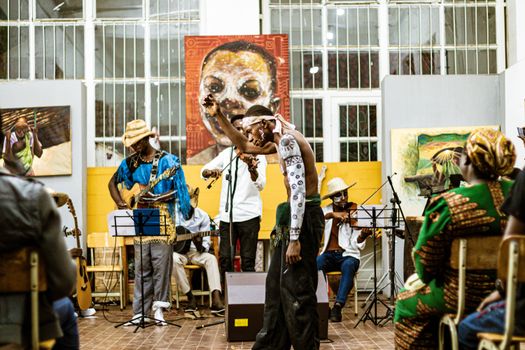 Photo: Martin Ilunga / Pexels
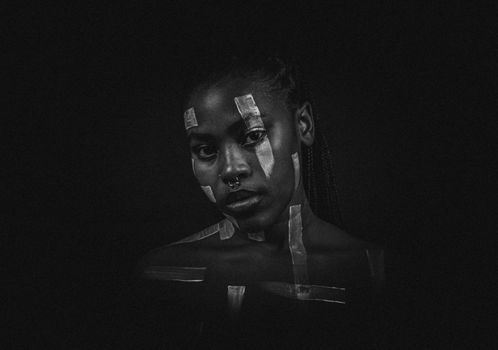 Photo: EZA HELDER NGAM / Pexels
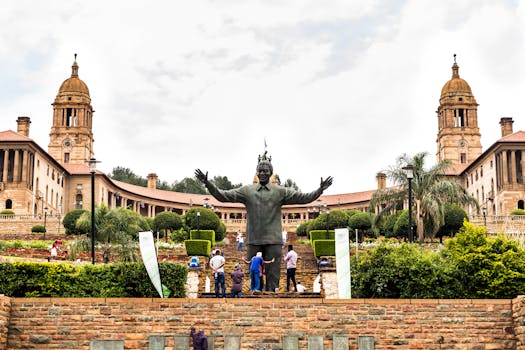 Photo: Clayton / Pexels
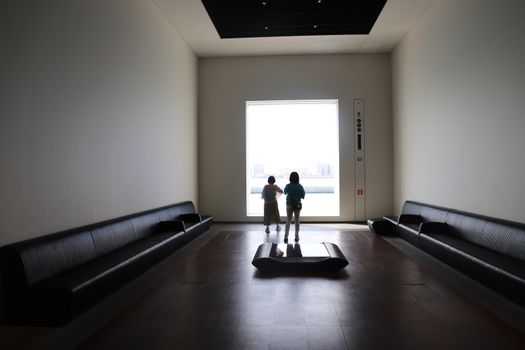 Photo: Oguz Dik / Pexels