Top Art Schools in South Africa: Your Creative Future
art schools in South Africa

Top Art Schools in South Africa: Your Creative Future

Unlock your artistic potential and find the perfect institution to cultivate your talent in South Africa.

Find Your School Now

Key Takeaways

  • ✓ South Africa offers a diverse range of art education, from traditional fine arts to contemporary digital design.
  • ✓ Many institutions integrate African art traditions with global contemporary practices.
  • ✓ Graduates from South African art schools contribute significantly to the local and international art scenes.
  • ✓ Admission requirements vary, often including portfolios, academic transcripts, and interviews.

How It Works

1
Define Your Artistic Path

Before exploring schools, identify your preferred artistic discipline (e.g., painting, sculpture, graphic design, photography). This helps narrow down suitable institutions and programs.

2
Research Institutions & Programs

Investigate different art schools and their specific course offerings, faculty expertise, and campus facilities. Look for accreditation and alumni success stories.

3
Prepare Your Portfolio & Application

Develop a strong portfolio showcasing your best work, diversity of skills, and creative potential. Complete all application forms, essays, and meet submission deadlines.

4
Attend Interviews & Auditions (If Required)

Some programs may require an interview or audition to assess your commitment and suitability. Be prepared to discuss your work and aspirations.

Navigating the Landscape of Fine Arts Education in South Africa

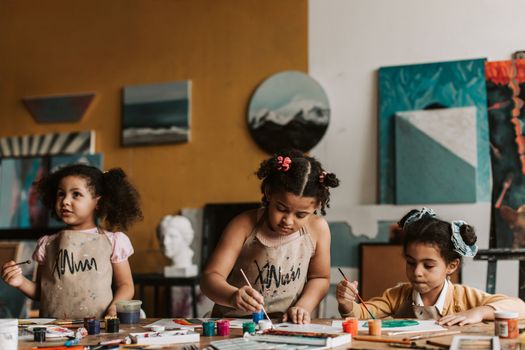
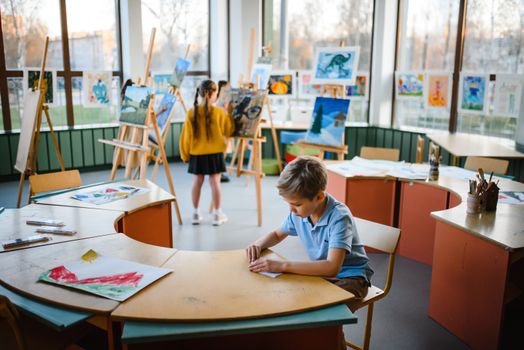
South Africa boasts a vibrant and evolving art scene, deeply rooted in its rich cultural heritage while simultaneously engaging with global contemporary trends. For aspiring artists, designers, and creatives, choosing the right educational institution is a pivotal first step towards a fulfilling career. The landscape of fine arts education in South Africa is as diverse as its people, offering a spectrum of programs from traditional fine arts to cutting-edge digital media and design. Understanding this landscape requires a keen eye for detail, considering factors beyond just reputation. Historically, South African art schools emerged from colonial influences, but over time, they have increasingly embraced and championed indigenous art forms, post-apartheid narratives, and unique African perspectives. This evolution has created a dynamic learning environment where students are exposed to a blend of classical techniques, modern methodologies, and culturally relevant discourse. Whether your passion lies in painting, sculpture, printmaking, photography, fashion design, graphic design, or multimedia, there's likely an institution tailored to your specific interests. Many of these schools are actively involved in community outreach and social engagement, reflecting the deep connection between art and societal transformation in the country. This commitment often translates into curriculum elements that encourage critical thinking about social issues, identity, and representation, providing a holistic education that prepares artists not just for galleries but for impactful contributions to society. For instance, institutions like the Michaelis School of Fine Art at UCT are renowned for their rigorous academic approach and strong conceptual focus, often pushing boundaries in contemporary art practices. Similarly, the Durban University of Technology (DUT) offers a robust design faculty, addressing the growing demand for skilled professionals in various design industries. When researching, it's crucial to look beyond the general program titles and delve into the specific modules, faculty research interests, and available facilities. Does the school have well-equipped studios, digital labs, printmaking presses, or ceramic kilns that align with your chosen specialization? Are there opportunities for internships, collaborations, or international exchange programs? These practical considerations can significantly enhance your learning experience and future career prospects. The emphasis on practical skills combined with theoretical knowledge ensures that graduates are not only technically proficient but also intellectually agile, capable of adapting to the ever-changing demands of the creative industries. Exploring the various programs and their unique selling points is essential for making an informed decision about your future in the arts. Discover more about career paths in the arts to align your education with your professional goals.

Top Institutions and Their Unique Offerings

South Africa is home to several highly respected art schools, each with its own distinct character, specializations, and approach to artistic education. Prospective students should carefully consider these differences to find the best fit for their individual aspirations and learning style. **Michaelis School of Fine Art (University of Cape Town):** Consistently ranked among the top art schools in Africa, Michaelis is celebrated for its critical and theoretical approach to contemporary art. It offers undergraduate (BA Fine Art) and postgraduate degrees (MA Fine Art, PhD), focusing on diverse practices such as painting, sculpture, printmaking, photography, new media, and curatorial studies. Students benefit from strong conceptual development, access to world-class facilities, and exposure to a vibrant art scene in Cape Town. Its alumni often become leading figures in the international art world, known for their intellectually rigorous and provocative work. **Wits School of Arts (University of the Witwatersrand):** Located in Johannesburg, a hub for contemporary African art, Wits School of Arts offers a comprehensive range of disciplines including Fine Arts, Dramatic Arts, Digital Arts, Music, and Cultural Policy and Management. The Fine Arts department is known for its strong emphasis on critical theory, research-led practice, and engagement with socio-political issues, reflecting the city's dynamic context. Their digital arts programs are particularly strong, preparing students for careers in animation, game design, and interactive media. Wits provides a stimulating environment for interdisciplinary collaboration and academic excellence. **Durban University of Technology (DUT) - Faculty of Arts and Design:** DUT offers a wide array of practical and industry-focused programs, including Fine Art, Fashion Design, Graphic Design, Interior Design, Jewellery Design, Photography, and Video Technology. Its strength lies in providing hands-on training and preparing students for direct entry into the creative industries. The faculty has strong ties with local industries, offering valuable internship and networking opportunities. DUT's focus on applied arts and design makes it an excellent choice for students seeking practical skills and immediate career readiness. **Tshwane University of Technology (TUT) - Faculty of Arts and Design:** TUT, based in Pretoria, is another institution offering extensive programs in visual arts and design. Their offerings include Fine Art, Fashion Design, Graphic Design, Interior Design, Jewellery Design, Photography, and Ceramics. TUT emphasizes a blend of theoretical knowledge and practical application, often with a focus on entrepreneurial skills to empower graduates to create their own opportunities. The university is known for its accessible education and commitment to fostering diverse talent from across the country. **Stellenbosch University - Visual Arts Department:** While perhaps better known for its wine and academic research, Stellenbosch University's Visual Arts Department offers a robust BA (Visual Arts) and postgraduate programs. It focuses on developing strong technical skills alongside critical thinking, with specializations in areas like painting, sculpture, printmaking, and curatorial practice. The department benefits from a picturesque campus and a supportive, close-knit academic community, offering a slightly different, often more intimate, learning experience compared to larger metropolitan universities. The emphasis here is often on individual studio practice and in-depth theoretical engagement within a more tranquil setting. Choosing among these top institutions involves evaluating their curriculum focus, faculty expertise, campus culture, and geographical location against your personal and professional aspirations.

Admissions, Portfolios, and Funding Your Artistic Journey

Gaining admission to a reputable art school in South Africa is a competitive process that typically involves more than just academic grades. While good matric results are often a baseline requirement, the cornerstone of any successful application to an art program is usually a compelling portfolio. This collection of your best creative work serves as a visual resume, demonstrating your artistic potential, technical skills, creativity, and commitment to your chosen discipline. A strong portfolio should showcase a range of mediums, techniques, and themes, reflecting your unique artistic voice. It's not just about perfection; schools look for originality, critical thinking, and potential for growth. Many institutions will provide specific portfolio guidelines, including the number of pieces required, preferred formats (digital or physical), and sometimes even specific projects or themes to address. It's advisable to start building your portfolio early, seeking feedback from art teachers or mentors, and refining your work consistently. Beyond the portfolio, most art schools require a written application, which may include a personal statement or artist's statement. This is your opportunity to articulate your passion for art, your influences, your artistic philosophy, and your career aspirations. Some programs might also require an interview, either in person or online, where you can discuss your portfolio in detail, demonstrate your communication skills, and show your enthusiasm for the program. Researching each institution's specific admission criteria is paramount, as requirements can vary significantly. Deadlines are also crucial; art school applications often close earlier than general university applications due to the time needed for portfolio review and interviews. Funding your art education is another significant consideration. Tuition fees for art schools in South Africa can vary widely between public universities and private colleges. Prospective students should investigate the costs thoroughly, including tuition, materials, accommodation, and living expenses. Fortunately, several avenues for financial assistance exist. National student financial aid schemes, such as NSFAS (National Student Financial Aid Scheme), provide loans and bursaries to eligible South African students for public institutions. Many universities and private colleges also offer their own internal scholarships, bursaries, and merit awards specifically for art students, often based on academic achievement, portfolio strength, or financial need. Furthermore, various external organizations, art foundations, and corporate sponsorships offer scholarships or grants to support emerging artists. Exploring these options, applying early, and demonstrating your commitment through a strong application package can significantly alleviate the financial burden of pursuing your artistic dreams. Learn more about financial aid options for creative studies to help plan your educational investment.

Tips for Choosing and Thriving in Your Art School Journey

Choosing the right art school is a highly personal decision that will shape your artistic development and career trajectory. Don't rush the process; thorough research and self-reflection are key. Here are some essential tips to guide you: * **Visit Campuses (if possible):** There's no substitute for experiencing the atmosphere of a campus firsthand. If geographical constraints allow, attend open days or schedule visits to see facilities, meet faculty, and speak to current students. This can give you invaluable insight into the school's culture. * **Review Faculty Portfolios:** Look into the work and specializations of the teaching staff. Are they active artists or designers in their fields? Do their artistic philosophies align with your interests? Learning from practitioners you admire can be incredibly inspiring. * **Alumni Success Stories:** Investigate where graduates of the programs you're considering end up. Do they work in fields you aspire to? Their career paths can be a good indicator of the program's effectiveness and industry connections. * **Consider the City/Location:** The environment surrounding your art school can significantly influence your experience. Major cities like Cape Town and Johannesburg offer vibrant art scenes, numerous galleries, museums, and networking opportunities. Smaller towns might provide a more focused, less distracting environment. * **Accreditation Matters:** Ensure the institution and its programs are properly accredited. This is crucial for the recognition of your qualification, especially if you plan to pursue postgraduate studies or work internationally. Once admitted, thriving in art school requires dedication, an open mind, and a proactive approach. Here are some tips for success: * **Embrace Experimentation:** Art school is a safe space to try new things, fail, and learn. Don't be afraid to step out of your comfort zone and explore different mediums, concepts, and techniques. * **Engage with Critiques:** Critiques (crits) are fundamental to art education. Listen actively, offer constructive feedback to peers, and be open to receiving criticism. It's a valuable tool for growth, not personal judgment. * **Network Relentlessly:** Connect with your peers, faculty, visiting artists, and professionals in the art world. These connections can lead to collaborations, opportunities, and lifelong friendships. * **Build a Strong Work Ethic:** Art requires discipline. Dedicate consistent time to your studio practice, research, and theoretical studies. The more you put in, the more you'll get out. * **Develop Your Voice:** While learning techniques and theories, continuously work on developing your unique artistic perspective and voice. What do you want to say with your art? How do you want to say it? * **Document Your Work:** Keep meticulous records of your projects, sketches, and finished pieces. This will be invaluable for building your portfolio, applying for exhibitions, and tracking your progress. Remember, art school is a journey of self-discovery and skill development. Be present, be curious, and immerse yourself fully in the creative process.

Comparison

FeatureMichaelis School of Fine Art (UCT)Wits School of Arts (Wits)Durban University of Technology (DUT)
FocusConceptual, Fine Art, Critical TheoryInterdisciplinary Arts, Digital Arts, ResearchApplied Arts, Design, Industry-focused
LocationCape TownJohannesburgDurban
Postgraduate OptionsExtensive (MA, PhD)Extensive (MA, PhD)Limited (Masters in Design)
Industry LinksModerateStrong (Digital Arts)Very Strong (Design)
Campus EnvironmentHistoric, UrbanLarge, UrbanUrban, Vibrant
Portfolio EmphasisHigh, ConceptualHigh, DiverseHigh, Technical Skill

What Readers Say

"Attending Michaelis was transformative. The critical thinking fostered there pushed my artistic boundaries beyond what I thought possible. The faculty are truly inspiring."

Lerato M. · Cape Town, WC

"Wits School of Arts' Digital Arts program prepared me perfectly for my career in game design. The facilities were cutting-edge and the collaboration opportunities were immense."

Sipho N. · Johannesburg, GP

"DUT's Fashion Design course gave me the practical skills and industry contacts I needed. I landed an internship with a major local brand directly after graduating."

Thandiwe K. · Durban, KZN

"TUT offered a solid foundation in fine arts. While it required a lot of self-drive, the accessible tuition and supportive community made it a great choice for me."

Zola M. · Pretoria, GP

"Stellenbosch University's Visual Arts program provided a wonderfully intimate learning environment. The focus on individual studio practice truly helped me refine my painting style."

Adrian V. · Stellenbosch, WC

Frequently Asked Questions

What are the most reputable art schools in South Africa?

The most reputable art schools typically include the Michaelis School of Fine Art (UCT), Wits School of Arts (Wits), Durban University of Technology (DUT) Faculty of Arts and Design, and Tshwane University of Technology (TUT) Faculty of Arts and Design. These institutions are recognized for their strong academic programs, faculty expertise, and contributions to the South African and international art scenes.

Is an art degree from South Africa recognized internationally?

Yes, degrees from accredited South African universities and colleges are generally recognized internationally. Institutions like UCT and Wits have strong international reputations, and their graduates often pursue further studies or careers abroad. It's always wise to check specific program accreditation if you have international aspirations.

How do I prepare a strong portfolio for art school admission?

To prepare a strong portfolio, showcase your best and most diverse work, reflecting your technical skills, creativity, and potential. Include a range of mediums and subjects, and ensure each piece demonstrates your unique artistic voice. Pay attention to presentation and follow each school's specific guidelines meticulously. Seek feedback from art teachers or mentors.

What is the cost of art school in South Africa?

The cost of art school varies significantly. Public university fees can range from R30,000 to R60,000+ per year for undergraduate degrees, excluding materials and living expenses. Private colleges may have different fee structures. Always check the specific institution's fee schedule and explore financial aid options like NSFAS or institutional bursaries.

How do art schools in South Africa differ from those in Europe or North America?

South African art schools often distinguish themselves by incorporating strong African perspectives, post-colonial discourse, and engagement with local socio-political contexts into their curriculum. While they teach global art history and contemporary practices, there's a unique emphasis on identity, social impact, and the rich cultural heritage of the continent, offering a distinct educational experience.

Who should consider attending art schools in South Africa?

Anyone with a strong passion for creative expression, a desire to develop technical and conceptual artistic skills, and an interest in engaging with a dynamic and culturally rich art scene should consider art schools in South Africa. It's ideal for those looking for a unique perspective on art education.

Are art schools in South Africa safe for international students?

South Africa's major cities, like any large urban centers globally, have varying levels of safety. Universities and colleges generally have campus security, and many offer support services for international students. It's advisable for international students to research specific campus safety measures and local area conditions, and to take standard personal safety precautions.

What are the emerging trends in art education in South Africa?

Emerging trends include a growing emphasis on digital arts (animation, game design, virtual reality), interdisciplinary collaboration, art as a tool for social commentary and activism, and the decolonization of art curricula. There's also a rise in entrepreneurial training for artists to navigate the creative economy more effectively.

Embarking on an artistic journey in South Africa offers a unique and enriching educational experience. With a diverse range of programs and institutions, you can find the perfect environment to cultivate your talent and launch a successful creative career. Start exploring these incredible art schools in South Africa today and shape your future in the arts.

Topics: art schools in South Africafine arts South Africacreative education ZAdesign colleges South Africavisual arts degrees
Leo List
Brampton weed
Adultwork EstrelaBet Vai de Bet R7 Bet Betão Galera Bet Rainbet Bet9ja Shop SportyBet BetKing Sisal Loto Foot Hollywoodbets YesPlay Odibets RushBet Jugabet BetWarrior BetCity MSport betPawa Fortebet