
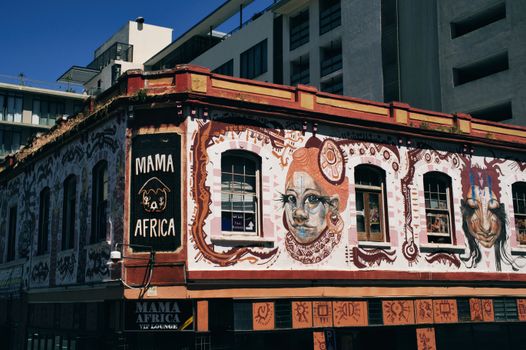
 Photo: Travel with Lenses / Pexels
Uncover Vibrant Culture: South African Street Art Tours
Immerse yourself in South Africa's rich visual storytelling, vibrant communities, and powerful urban art scenes.
Discover Your Art JourneyKey Takeaways
- ✓ Street art in South Africa is a powerful medium for social commentary and community building.
- ✓ Major cities like Cape Town and Johannesburg offer diverse street art experiences.
- ✓ Tours often visit townships, providing unique cultural immersion.
- ✓ Art styles range from political murals to abstract pieces and community projects.
How It Works
Select from tours in Cape Town, Johannesburg, or other regions. Options include walking, cycling, or driving tours, each offering a unique perspective.
Secure your spot online through reputable tour operators. Many tours offer flexible booking and small group sizes for a personalized experience.
Join local artists or passionate guides who provide invaluable context. They share stories behind the art and introduce you to the communities that inspire it.
Wander through vibrant streets, discover hidden masterpieces, and engage with the rich narratives embedded in the art. Capture stunning photos and create lasting memories.
The Soul of South African Street Art: More Than Just Paint
Photo: Travel with Lenses / PexelsThe origins of street art in South Africa are deeply rooted in political activism, particularly during the anti-apartheid struggle. Walls became silent, yet screaming, witnesses to oppression and resistance. Today, while the political landscape has shifted, the spirit of using art as a voice remains. Contemporary artists continue to use their platforms to discuss issues like xenophobia, inequality, environmental concerns, and the ongoing quest for social justice. These works are not static; they evolve, get painted over, and new ones emerge, creating a living, breathing history book on the urban landscape.
Engaging with this art form through dedicated south african street art tours offers an unparalleled insight into the country's social fabric. Guides, often locals or even artists themselves, provide invaluable context, explaining the symbolism, the history of the locations, and the impact of the art on the communities. They bridge the gap between observer and participant, allowing visitors to understand the profound messages embedded in each brushstroke. These tours are not just about viewing art; they are about understanding the human spirit, resilience, and the creative power of a nation that has consistently used art as a tool for change and expression. They offer a unique lens through which to appreciate the complexities and beauties of South African society, moving beyond superficial tourist attractions to a deeper, more meaningful engagement.
Cape Town's Canvas: Exploring the Mother City's Murals
Photo: Travel with Lenses / PexelsSalt River, adjacent to Woodstock, continues this artistic vein, with many community-driven art projects that reflect the spirit and concerns of its residents. These areas are fantastic for walking tours, allowing visitors to truly immerse themselves in the art and the local atmosphere. The Bo-Kaap, famous for its brightly colored houses, also features subtle street art elements that blend with its unique cultural heritage, often depicting scenes of daily life or historical events relevant to the Cape Malay community.
Beyond the well-known hotspots, street art can be discovered in unexpected corners of the city, including the city bowl and even some of the more affluent suburbs, showcasing the pervasive nature of this art form. Many tours specifically focus on the narrative aspect of the art, explaining how specific pieces relate to South Africa's journey post-apartheid, addressing issues of reconciliation, social justice, and economic disparity. Guides often have personal connections to the communities or the artists, providing anecdotes and insights that bring the art to life in a way that simply viewing it cannot.
Whether you're interested in the intricate details of a stencil piece, the bold statements of a large mural, or the history embedded in the urban fabric, Cape Town's street art offers a rich and rewarding experience. These tours provide not just an aesthetic journey but a deeper understanding of the city's soul, its challenges, and its enduring spirit of creativity and resilience. It's an essential experience for anyone looking to go beyond the typical tourist attractions and truly connect with the heart of the Mother City's cultural landscape.
Johannesburg's Urban Canvas: Art, History, and Transformation
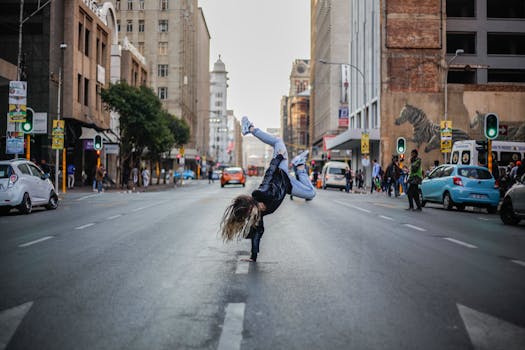 Photo: Keenan Constance / Pexels
The Maboneng Precinct, in particular, is a testament to urban regeneration through art and culture. What was once a neglected industrial zone is now a thriving hub of galleries, cafes, and, most notably, street art. Walking through Maboneng, you encounter a kaleidoscope of styles, from abstract geometric patterns to powerful portraits and intricate narrative pieces. These artworks often celebrate African identity, entrepreneurship, and the spirit of community. Newtown, with its historical ties to music and theatre, also features significant street art, often reflecting its artistic heritage and the broader socio-political landscape.
Beyond these well-known areas, townships surrounding Johannesburg, such as Soweto, also host incredibly significant street art. These murals often serve as historical markers, commemorating important figures and events from the anti-apartheid struggle, or as expressions of community pride and hope. A south african street art tour in Johannesburg often combines visits to these diverse locations, providing a comprehensive understanding of the city's artistic pulse. Guides frequently offer insights into the artists' intentions, the community's response to the art, and the challenges and triumphs of urban development in a city as diverse as Johannesburg.
The themes explored in Johannesburg's street art are broad, encompassing everything from historical memory and political commentary to celebrations of culture, environmental advocacy, and abstract beauty. Artists here often grapple with issues of inequality, migration, and the ongoing project of nation-building. Through their work, they contribute to a vibrant public dialogue, making the city's walls speak volumes about its past, present, and future. Exploring Johannesburg's street art is an immersive journey into the soul of a city that is constantly reinventing itself, a testament to the power of art to inspire, educate, and transform.
Maximizing Your Street Art Tour: Tips for an Enriched Experience
 Photo: Ruslan Alekso / Pexels
Comparison
| Feature | Cape Town Street Art Tour | Johannesburg Street Art Tour | Durban Street Art Tour |
|---|---|---|---|
| Primary Focus | Community regeneration, historical narratives | Urban transformation, social commentary | Cultural diversity, local stories |
| Key Districts | Woodstock, Salt River, Bo-Kaap | Maboneng, Newtown, Troyeville, Soweto | Warwick Junction, Rivertown |
| Typical Tour Style | Walking or cycling | Walking, cycling, or driving (due to spread) | Walking |
| Historical Context | Apartheid legacy, gentrification | Mining history, urban decay/renewal | Zulu culture, Indian heritage |
| Artistic Diversity | High | High | Medium |
| Best for | Deep cultural immersion, photography | Understanding urban development, social issues | Unique cultural blend, off-the-beaten-path |
What Our Readers Say
"The Johannesburg street art tour was an eye-opener! Our guide was so knowledgeable, explaining the history behind every mural. I learned so much about South African culture and the artists' powerful messages, truly an inspiring experience."
Lerato Mokoena Soweto, Gauteng"Booking a south african street art tour in Cape Town was the highlight of my trip. The art in Woodstock was incredible, and seeing how it transformed the community was deeply moving. Highly recommend for any art enthusiast."
David Chen New York, USA"Our guide on the Cape Town street art tour didn't just show us art; they told us stories. We got to meet one of the local artists and even buy a small print, which was a fantastic, unexpected bonus. The tour left me feeling more connected to the city."
Sophia Rodriguez London, UK"The street art tour in Maboneng was good, though a bit fast-paced for my liking. The art itself was phenomenal, and the guide provided excellent insights into the artists and local community initiatives. I would still recommend it for the cultural richness."
Thandiwe Zulu Durban, KZN"As a graffiti artist myself, I was blown away by the quality and political depth of the south african street art tours. The artists' courage and creativity are truly inspiring, and the tours offer a unique, authentic look into the country's soul."
Marcus Brand Berlin, GermanyFrequently Asked Questions
What makes South African street art tours unique?
Are street art tours in townships safe?
How do I choose the best street art tour for me?
What is the typical cost of a South African street art tour?
How does street art in South Africa differ from other countries?
Who should consider taking a south african street art tour?
What are the ethical considerations when taking these tours?
Will street art continue to be a significant part of South African culture?
Embark on an unforgettable journey through the vibrant narratives and powerful expressions found on south african street art tours. Discover the stories, connect with the communities, and witness the transformative power of art. Book your immersive experience today and see South Africa through a truly unique lens!