✓ South Africa boasts a diverse and dynamic art scene, reflecting its rich cultural tapestry.
✓ Many South African artists use their work to explore themes of identity, history, and social justice.
✓ The global interest in African contemporary art is rapidly increasing, offering significant opportunities.
✓ Major art fairs and galleries worldwide are featuring more South African talent than ever before.
How It Works
1
Identify Your Interest
Determine what styles, themes, or mediums resonate with you. This helps narrow down the vast array of South African talent.
2
Research Emerging Talents
Look for artists featured in recent exhibitions, art school graduates, and those gaining traction in local and international shows.
3
Engage with the Art Scene
Visit galleries, attend art fairs, and follow art publications dedicated to South African and African art. This provides direct exposure.
4
Connect and Collect
Reach out to galleries or artists directly to learn more about their work and potential acquisition. Building relationships enriches your art journey.
The Resurgence of Contemporary South African Art
Photo: Matheus Bertelli / Pexels
The global art landscape has, in recent decades, increasingly turned its gaze towards the African continent, and within this broader movement, South Africa stands out as a vibrant epicenter of artistic innovation and profound storytelling. The rich tapestry of South African history, its complex social narratives, and its diverse cultural heritage have collectively forged an environment where art thrives as both a mirror and a catalyst for change. Contemporary South African artists are not merely creating aesthetically pleasing works; they are engaging in critical dialogues, challenging perceptions, and offering unique perspectives on universal human experiences. This section delves into the factors contributing to the current resurgence and heightened interest in South African art, exploring how artists are leveraging their heritage and contemporary realities to produce compelling works that resonate globally. From the vibrant streets of Johannesburg to the scenic beauty of the Cape, creativity flourishes, often pushing boundaries and redefining conventional art forms. The narratives woven into these artworks often explore themes of identity, post-colonialism, reconciliation, and the ongoing quest for social justice, providing viewers with a deep insight into the country's soul. Galleries, both local and international, are playing a crucial role in showcasing these talents, with major art fairs dedicating significant space to South African creators. This increased visibility has not only boosted the careers of many artists but has also positioned South Africa as a vital player in the global contemporary art market. The investment potential in these artists is also a significant draw, as collectors and institutions recognize the intrinsic value and future appreciation of their work. Furthermore, educational institutions and art initiatives within South Africa are fostering a new generation of artists, ensuring a continuous flow of fresh perspectives and innovative practices. The digital age has also amplified the reach of these artists, allowing their work to be discovered by a global audience through online platforms and social media. This accessibility is democratizing art appreciation and making it easier for enthusiasts and collectors worldwide to connect with the unique voices emerging from this dynamic nation. The compelling stories, technical mastery, and cultural depth make many South African artists to watch truly exceptional. Discover more about the broader African art movement and its impact on global trends. The art coming out of South Africa is not just art; it is a conversation, a statement, and a reflection of a nation in constant evolution, making it an incredibly exciting space for any art enthusiast or collector.
Spotlight on Emerging South African Artists: The Next Generation
Photo: Andrea Piacquadio / Pexels
The future of South African art is incredibly bright, thanks to a cohort of emerging artists who are pushing the boundaries of creativity and challenging established norms. These artists, often fresh out of art schools or having honed their skills in community art projects, bring a raw energy and innovative spirit to the scene. They are experimenting with diverse mediums, from traditional painting and sculpture to digital art, performance art, and mixed media installations, reflecting a fearless approach to artistic expression. What makes many of these emerging South African artists to watch particularly compelling is their willingness to tackle complex and often sensitive subjects. They delve into personal histories, ancestral connections, urban landscapes, and the socio-political realities of modern South Africa, offering fresh interpretations and sparking important dialogues. Their work often serves as a powerful commentary on contemporary life, inviting viewers to engage with different perspectives and challenge their own assumptions. For instance, artists exploring themes of identity often do so through portraiture that reclaims narratives and celebrates diverse forms of Blackness, while others use abstract forms to convey emotional landscapes or historical trauma. The vibrancy of their work is often matched by their commitment to community engagement, with many artists actively participating in workshops, mentorship programs, and public art initiatives that aim to make art accessible to all. This dedication to social impact further enriches their artistic practice and deepens their connection to the communities they represent. Collectors and art enthusiasts looking for long-term investment opportunities are increasingly turning their attention to these rising stars. Early acquisition of works by promising young artists can not only be a financially rewarding venture but also offers the unique satisfaction of supporting and nurturing artistic talent at a crucial stage of their careers. Galleries and curators are vital in identifying and promoting these emerging talents, providing platforms for them to gain exposure and critical recognition. Many of these artists are already making waves internationally, being featured in significant group shows and gaining representation by reputable galleries beyond South Africa's borders. Their unique voices and innovative approaches are contributing to a dynamic shift in the global art narrative, ensuring that South African art remains at the forefront of contemporary discussions. Keeping an eye on these emerging talents is essential for anyone interested in the evolving landscape of global contemporary art.
Established Masters and Their Enduring Influence
Photo: Jan Tang / Pexels
While the emergence of new talent is exciting, the South African art scene is also deeply rooted in the legacy of its established masters, whose influence continues to shape and inspire generations. These revered artists, many of whom have garnered international acclaim over decades, have paved the way for contemporary expressions by fearlessly confronting societal issues, pioneering new techniques, and crafting powerful visual languages. Their bodies of work often serve as historical archives, documenting critical periods in South African history, from the struggles of apartheid to the complexities of post-democratic nation-building. Artists like William Kentridge, whose animated films, drawings, and sculptures are celebrated worldwide for their poignant exploration of memory, history, and the human condition, continue to be monumental figures. His unique blend of socio-political commentary with deeply personal narratives has set a high bar for artistic integrity and innovation. Similarly, the late Gerard Sekoto, a pioneer of urban black art, captured the daily lives and struggles of black South Africans during a time of immense oppression, leaving behind a legacy of work that is both historically significant and artistically profound. The enduring relevance of these masters lies not only in their historical contributions but also in how their work continues to resonate with contemporary audiences. Their ability to transcend specific historical contexts and speak to universal themes ensures their art remains fresh and thought-provoking. Younger artists frequently cite these masters as key inspirations, drawing upon their techniques, thematic approaches, and unwavering commitment to their craft. This intergenerational dialogue is crucial for the vitality of the South African art ecosystem, creating a continuous thread of artistic evolution. For collectors, acquiring works by established South African artists represents a sound investment and an opportunity to own a piece of cultural history. Their works are consistently featured in major international auctions and museum collections, reflecting their recognized value and historical significance. Beyond monetary value, these pieces offer a deep connection to the country's artistic heritage and its journey. Understanding the contributions of these masters is essential for anyone looking to fully appreciate the depth and breadth of South African art and to identify South African artists to watch who are building upon this rich foundation. Explore the global impact of African art icons and their lasting legacy. Their influence ensures that the foundation of South African art remains robust, providing a fertile ground for both current and future artistic expressions.
Investing in South African Art: Tips and Considerations
Photo: Greta Hoffman / Pexels
Investing in art, particularly from a dynamic and rapidly growing market like South Africa, can be an incredibly rewarding endeavor, both culturally and financially. However, it requires careful consideration and a strategic approach. Here are some key tips and considerations for those looking to invest in South African artists, whether they are emerging talents or established masters.
**Tips for Investing:**
* **Do Your Homework:** Research is paramount. Understand the artist's background, their exhibition history, critical reception, and market performance. Look for artists who have a consistent and evolving body of work.
* **Visit Galleries and Fairs:** Engage directly with the art world. Attend local and international art fairs like FNB Art Joburg or Latitudes Art Fair, and visit reputable galleries. This allows you to see art in person, speak with gallerists, and get a feel for current trends.
* **Buy What You Love:** While investment potential is a factor, the most fulfilling art purchases are those you genuinely connect with. Art is meant to be enjoyed, and works that resonate with you will bring lasting satisfaction.
* **Seek Expert Advice:** Consult with art advisors, gallerists, or experienced collectors. Their insights can be invaluable in navigating the market and identifying promising artists.
* **Consider Provenance:** The history of ownership and exhibition of an artwork, known as provenance, can significantly impact its value and authenticity. Always inquire about it.
* **Understand Market Cycles:** The art market can fluctuate. Be prepared for long-term holding periods, as significant appreciation often takes time.
**Common Mistakes to Avoid:**
* **Buying Solely for Investment:** While art can appreciate, it's not a guaranteed short-term investment like stocks. Focus on quality and artistic merit first.
* **Ignoring Authenticity:** Always ensure the artwork is authentic. Purchase from reputable sources that can provide certificates of authenticity.
* **Overpaying:** Research auction results and gallery prices for similar works by the artist to ensure you are paying a fair market price.
* **Neglecting Conservation:** Proper care and conservation are crucial to maintaining the value of an artwork. Understand the specific needs of the medium.
* **Impulsive Buying:** Take your time. Don't rush into a purchase, especially for significant investments. Allow yourself time to consider and compare.
By following these guidelines, you can make informed decisions and build a meaningful collection of South African art that brings both aesthetic pleasure and potential financial return. The vibrancy and narrative depth of South African artists to watch offer a truly unique opportunity for collectors.
Comparison
Feature
Emerging Artists
Mid-Career Artists
Established Masters
Investment Risk
Higher (potential for high return)
Medium (more predictable growth)
Lower (stable, proven value)
Price Range
Generally accessible
Moderate to significant
High to very high
Market Presence
Local shows, online
National, some international
Global, major institutions
Artistic Voice
Often experimental, raw
Developing, refined
Distinct, influential
Acquisition Difficulty
Easier to access
Requires gallery connections
Competitive, auction-driven
What Readers Say
★★★★★
"This guide opened my eyes to so many incredible South African artists to watch! I've already started following a few on social media and plan to visit their next exhibition. Truly inspiring."
Thandiwe M. · Cape Town, ZA
★★★★★
"As an international collector, I'm always looking for promising new talent. This article provided invaluable insights into emerging South African artists and where to find their work. Excellent resource!"
James P. · London, UK
★★★★★
"I've always wanted to learn more about our local artists, and this guide made it so accessible. I even discovered a local gallery featuring one of the artists mentioned, and now own a piece of their work!"
Nomusa S. · Durban, ZA
★★★★★
"A comprehensive overview, though I wish there were more direct links to artist portfolios. Still, it's a fantastic starting point for anyone interested in the vibrant South African art scene."
Ethan K. · New York, USA
★★★★★
"This article beautifully articulates the depth and diversity of South African art. It's a wonderful celebration of our creative spirit and a must-read for anyone wanting to support local talent."
Lebo M. · Johannesburg, ZA
Frequently Asked Questions
What makes South African art particularly unique?
South African art is unique due to its rich tapestry of diverse cultures, complex history, and socio-political narratives. Artists often draw on indigenous traditions, colonial legacies, and contemporary issues like identity, reconciliation, and social justice, creating works that are deeply personal yet universally resonant.
Is it difficult to access works by South African artists from outside the country?
Not at all. With the rise of online platforms, international art fairs, and a growing number of galleries representing South African talent globally, accessing their work is easier than ever. Many artists and galleries also ship internationally, and major auction houses frequently feature South African art.
How can I discover new South African artists to watch?
To discover new South African artists, attend local and international art fairs, visit reputable galleries specializing in African art, follow South African art publications and online platforms, and engage with university art departments. Social media is also an excellent tool for tracking emerging talents.
Is investing in South African art a good financial decision?
The South African art market has shown significant growth and appreciation, especially for established masters and promising emerging artists. While no investment is guaranteed, strategic acquisition of quality works from reputable sources can offer both cultural enrichment and strong long-term financial returns.
How does South African art compare to other African art markets?
South Africa is often considered a leading art market on the continent, known for its well-established gallery infrastructure, numerous art institutions, and a strong presence at international art fairs. It stands alongside other vibrant markets like Nigeria and Ghana, each with their own distinct artistic traditions and contemporary movements.
Who should be interested in South African artists to watch?
Anyone with an interest in contemporary art, cultural narratives, social commentary, or art investment should pay attention to South African artists. Collectors, curators, art enthusiasts, and those seeking unique, impactful works will find a wealth of talent and stories.
Are there ethical considerations when buying South African art?
Yes, it's important to ensure you are buying ethically. This includes purchasing from reputable galleries or directly from artists to ensure fair compensation and to avoid counterfeit works. Supporting artists directly or through galleries that champion fair practices helps sustain the vibrant art ecosystem.
What are the future trends for South African artists?
Future trends for South African artists point towards continued exploration of identity politics, environmental themes, and the integration of digital technologies. Expect to see more interdisciplinary work, increased global collaborations, and a deepening engagement with indigenous knowledge systems, further solidifying their international presence.
Embark on a captivating journey through the dynamic world of South African artists to watch. Whether you're a seasoned collector or a curious enthusiast, these incredible talents offer profound stories and breathtaking artistry that will enrich your understanding and appreciation of global contemporary art.

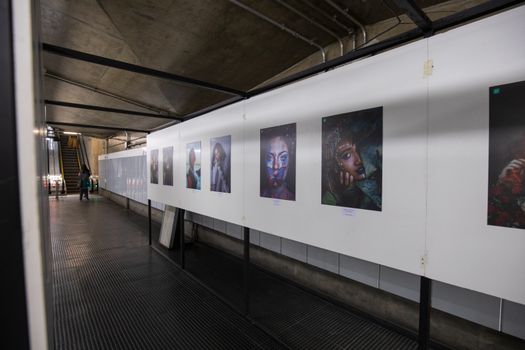 Photo: Matheus Bertelli / Pexels
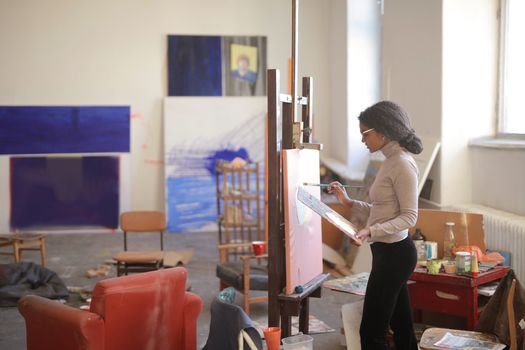 Photo: Andrea Piacquadio / Pexels
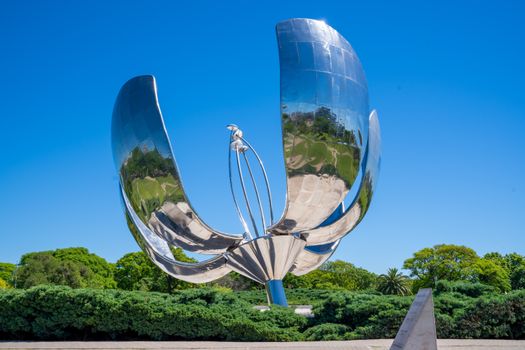 Photo: Jan Tang / Pexels
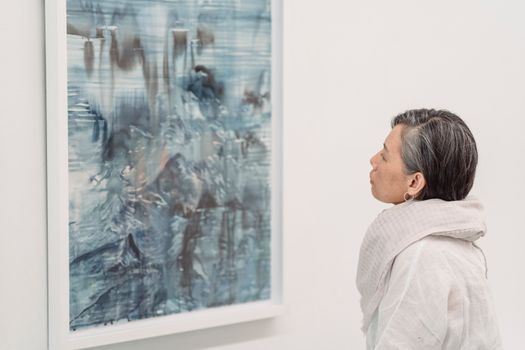 Photo: Greta Hoffman / Pexels