✓ The South African art market has shown consistent growth, attracting both local and international investors.
✓ Authenticity and provenance are paramount in determining an artwork's value and investment potential.
✓ Diversifying your investment portfolio with art can offer unique hedging against traditional market volatility.
✓ Understanding cultural significance and artist trajectory is crucial for informed art investment.
How It Works
1
Educate Yourself on the Market
Before buying, research artists, movements, and market trends. Knowledge is your most valuable tool in art investment.
2
Define Your Investment Strategy
Determine your budget, risk tolerance, and investment goals. Are you looking for short-term gains or long-term appreciation?
3
Source and Acquire Art Wisely
Engage with reputable galleries, auction houses, and art advisors. Prioritize authenticity and strong provenance for every acquisition.
4
Protect and Manage Your Collection
Properly insure, store, and maintain your artworks. Documentation and regular appraisals are key to preserving value.
Understanding the South African Art Market Landscape
Photo: Eric Prouzet / Pexels
The South African art market is a dynamic and increasingly sophisticated space, drawing attention from global collectors and investors alike. Far from being a niche interest, it has evolved into a significant asset class, reflecting both the rich cultural tapestry of the nation and its growing economic influence. Understanding this landscape is the foundational step for any aspiring art investor. Historically, South African art was often undervalued on the global stage, but a resurgence of interest, driven by both local economic growth and a global appreciation for diverse artistic voices, has transformed its perception. This renewed focus has led to record-breaking auction results for established masters and a burgeoning demand for contemporary artists who are pushing boundaries and engaging with pressing social and political themes.
Key drivers of this market growth include a burgeoning middle class within South Africa, increasingly sophisticated art infrastructure (galleries, museums, art fairs), and a global shift towards diversifying investment portfolios with tangible, culturally significant assets. The market isn't monolithic; it's segmented by historical periods, artistic movements, and artist profiles. You'll find strong demand for 'Old Masters' of South African art, such as Irma Stern, Gerard Sekoto, and J.H. Pierneef, whose works consistently command high prices and offer a degree of stability akin to blue-chip stocks. Simultaneously, the contemporary art scene is vibrant, featuring artists like William Kentridge, Zanele Muholi, and Athi-Patuga Ruga, whose innovative practices and international recognition make them attractive prospects for growth. Investing in contemporary art, while potentially offering higher returns, often carries a greater degree of risk due to the nascent stages of an artist's career. However, identifying emerging talent early can lead to substantial appreciation over time. The market is also influenced by economic factors, political stability, and global art trends, making it essential for investors to stay informed. Major art fairs like FNB Art Joburg and Investec Cape Town Art Fair play a crucial role in showcasing new talent and setting market trends, acting as vital platforms for both discovery and transaction. Understanding these nuances, from the historical significance of specific periods to the contemporary relevance of new artists, is paramount for making informed decisions. It's not just about aesthetics; it's about connecting with the cultural narrative and recognizing the intrinsic and extrinsic value an artwork holds. For deeper insights into the broader art world, consider exploring resources on global art market trends.
Building a Robust Art Investment Strategy
Photo: Hanna Pad / Pexels
Developing a clear and robust art investment strategy is crucial for navigating the complexities of the South African art market and achieving your financial objectives. Unlike traditional financial instruments, art investment requires a blend of financial acumen, aesthetic appreciation, and cultural understanding. Your strategy should begin with a clear definition of your investment goals. Are you seeking long-term capital appreciation, portfolio diversification, or perhaps a combination of both? Your time horizon will significantly influence your choices; short-term speculation in art is generally high-risk and less advisable than a patient, long-term approach.
Diversification is as important in art as it is in any other asset class. While it might seem counterintuitive to diversify within a single market like South African art, it means not putting all your eggs in one basket – for example, focusing solely on one artist, period, or medium. A balanced portfolio might include a mix of established 'blue-chip' artists, offering relative stability and proven track records, alongside carefully selected emerging artists with high growth potential. Consider diversifying across different artistic movements (e.g., modernist, contemporary), mediums (painting, sculpture, photography), and even regional origins within South Africa. This approach mitigates risk and exposes you to various market segments.
Provenance and authenticity are non-negotiable pillars of any sound art investment strategy. Provenance refers to the documented history of ownership of an artwork, tracing its journey from the artist's studio to the present day. A strong, unbroken provenance not only confirms authenticity but also adds significant value and reduces legal risks. Always insist on detailed documentation, including certificates of authenticity, exhibition histories, and sales records. Reputable galleries and auction houses are meticulous about provenance, and engaging with them provides an essential layer of security. Without verifiable provenance, the investment value of an artwork is severely compromised.
Furthermore, consider the condition of the artwork. While minor imperfections are sometimes acceptable in older pieces, significant damage or poor restoration can severely impact value. Always seek a professional condition report, especially for high-value acquisitions. Storage and insurance are also integral parts of your strategy. Proper climate-controlled storage is essential to preserve the physical integrity of your art, and comprehensive insurance protects your investment against unforeseen damage or loss. Lastly, stay informed. The art market is fluid; economic shifts, artist retrospectives, and global events can all impact value. Subscribing to art market reports, attending exhibitions, and consulting with expert art advisors will keep your strategy agile and responsive to market changes. Building a network of trusted professionals, including art advisors, conservators, and legal experts specializing in art law, will provide invaluable support throughout your investment journey. This holistic approach ensures not just the growth but also the long-term preservation of your art assets.
Navigating the Acquisition Process and Due Diligence
Photo: Alina Rossoshanska / Pexels
The acquisition process in the South African art market requires meticulous due diligence to ensure a sound and secure investment. This phase is where theoretical knowledge translates into practical action, and careful execution can make all the difference in the long-term success of your portfolio. Your primary channels for acquiring art will typically be reputable art galleries, established auction houses, and private dealers. Each has its advantages and disadvantages. Galleries often offer a more curated experience, providing in-depth information about artists and their works, and often represent specific artists, offering primary market access. Auction houses provide a broader selection and can be a good source for secondary market works, but require quick decision-making and a thorough understanding of bidding dynamics. Private dealers can offer exclusive access to certain collections but necessitate even greater trust and due diligence.
Before making any purchase, thorough research into the artist's background, exhibition history, critical reception, and market performance is essential. Look at recent auction results for similar works by the same artist to gauge current market value. Understand the artist's trajectory – are they consistently exhibiting? Are their works being acquired by significant institutions? Are they included in important publications? These indicators can point to an artist's long-term potential. When dealing with emerging artists, this research becomes even more critical, as you are investing more in potential than in established market history. Seek out artists who are technically proficient, conceptually strong, and have a unique voice that resonates with contemporary discourse. Attending degree shows and smaller independent exhibitions can be a great way to spot talent early.
Crucially, always verify the authenticity and provenance of any artwork. This involves obtaining a certificate of authenticity directly from the artist, their estate, or a reputable expert. Examine the provenance documents – a clear chain of ownership from the artist to the present owner is ideal. If there are gaps, understand why and assess the associated risks. For historical works, expert opinions from art historians or specialists in that period are invaluable. Do not hesitate to engage independent art authenticators or conservators for high-value pieces. Their expert eye can identify forgeries, significant restorations, or condition issues that might not be apparent to the untrained eye. This step is non-negotiable for protecting your investment. Furthermore, understand the legal aspects of the transaction. Ensure you receive a clear bill of sale, and clarify any terms regarding shipping, insurance during transit, and return policies. Some artworks, especially those by living artists, might come with artist resale rights (ARR) or other specific contractual obligations. Being fully aware of these details before committing to a purchase will prevent future complications and safeguard your investment. For more information on safeguarding your collection, refer to our guide on art insurance and valuation.
Common Pitfalls and Best Practices in South African Art Investment
Photo: Leeloo The First / Pexels
Investing in South African art, while potentially rewarding, comes with its own set of challenges and common pitfalls that informed investors should be aware of. Avoiding these can significantly enhance your chances of success and protect your valuable assets. One of the most prevalent mistakes is buying art purely for aesthetic appeal without considering its investment potential. While personal connection to an artwork is important, a purely emotional purchase without due diligence on market value, artist reputation, or provenance can lead to regret when it comes to resale. Another pitfall is succumbing to hype or trends without independent research. The art market can be influenced by fleeting fads; investing solely based on what's currently popular without understanding long-term value indicators can be risky. Always cross-reference information and seek multiple expert opinions.
**Common Pitfalls to Avoid:**
* **Lack of Due Diligence:** Failing to research the artist, provenance, and market value thoroughly.
* **Emotional Buying:** Purchasing solely based on personal taste without considering investment metrics.
* **Ignoring Authenticity:** Overlooking the critical importance of verifiable provenance and certificates of authenticity.
* **Underestimating Costs:** Not factoring in hidden costs like insurance, storage, restoration, and potential resale commissions.
* **Neglecting Condition Reports:** Failing to obtain professional condition assessments, especially for significant works.
* **Impatience:** Expecting quick returns; art investment is typically a long-term endeavor.
**Best Practices for Success:**
* **Educate Continuously:** Stay informed about market trends, artist careers, and art history. Read, attend talks, and visit exhibitions regularly.
* **Build Relationships:** Cultivate relationships with reputable gallerists, auction house specialists, and independent art advisors. Their expertise is invaluable.
* **Diversify Your Collection:** Spread your risk by investing in a mix of established and emerging artists, and different mediums or periods.
* **Prioritize Provenance and Authenticity:** Always ensure a clear, documented history of ownership and verifiable authenticity.
* **Budget Beyond Purchase Price:** Account for ongoing costs like insurance, professional storage, framing, and potential conservation needs.
* **Maintain Your Collection:** Proper care, climate control, and regular condition checks preserve the artwork's integrity and value.
* **Document Everything:** Keep meticulous records of purchase, provenance, appraisals, exhibition history, and insurance policies.
* **Seek Professional Advice:** For significant investments, engage art advisors, conservators, and legal counsel specializing in art law. Their expertise can save you from costly mistakes.
* **Be Patient:** Art investment often requires a long-term perspective. Value appreciation can take years, sometimes decades. Viewing your art as a long-term asset, rather than a quick flip, aligns better with the nature of the market.
By diligently following these best practices and being aware of potential pitfalls, investors can approach the South African art market with greater confidence and significantly enhance their chances of building a valuable and personally rewarding collection.
Comparison
Feature
Established Artists
Emerging Artists
Mid-Career Artists
Risk Level
Low to Medium
High
Medium
Growth Potential
Steady Appreciation
High (Volatile)
Moderate to High
Price Range
High (R1M+)
Entry-Level (R10k-R100k)
Mid-Range (R100k-R1M)
Market Liquidity
Good
Variable
Fair
Proven Track Record
✓
✗
✓
Expertise Needed
Moderate
High
Moderate
What Readers Say
★★★★★
"This South African art investment guide was incredibly insightful. It broke down complex market dynamics into understandable steps, helping me confidently start my collection. I feel much more prepared to make informed decisions."
Naledi M. · Johannesburg, ZA
★★★★★
"As a new investor, I found the emphasis on due diligence and provenance particularly helpful. This guide is a must-read for anyone serious about investing in South African art. Excellent resource."
Pieter V. · Cape Town, ZA
★★★★★
"Following the advice in this guide, I successfully acquired a stunning piece by an emerging artist that has already seen a significant appraisal in just two years. The practical tips on building relationships with gallerists were key."
Thandiwe S. · Durban, ZA
★★★★★
"The guide offers a comprehensive overview, although I would have liked a bit more detail on specific insurance providers for art in South Africa. Nevertheless, it's a valuable tool for understanding the market's nuances."
Mark D. · Pretoria, ZA
★★★★★
"I've been collecting for years, but this South African art investment guide provided fresh perspectives on diversifying my portfolio and identifying new talent. It's a fantastic resource for both beginners and experienced collectors."
Lerato K. · Port Elizabeth, ZA
Frequently Asked Questions
What makes South African art a good investment?
South African art offers a unique blend of cultural richness, historical significance, and growing market appreciation. The market has shown resilience and increasing international interest, driven by both established masters and a vibrant contemporary scene. It provides an opportunity for portfolio diversification and potential long-term capital growth, often with a cultural dividend.
Is it risky to invest in art, especially from an emerging market like South Africa?
All investments carry risk, and art is no exception. However, with proper research, due diligence, and expert advice, the risks in the South African art market can be mitigated. The 'emerging market' label often implies higher growth potential, but it necessitates careful selection and a long-term perspective. Authenticity and provenance are crucial to minimize risk.
How do I determine the value of a South African artwork?
Valuation involves several factors: the artist's reputation and market history, the artwork's provenance (ownership history), condition, rarity, size, and historical significance. Consulting with reputable galleries, auction houses, and independent art appraisers who specialize in South African art is essential for an accurate valuation.
What are the typical costs associated with South African art investment?
Beyond the purchase price, you should budget for auction house buyer's premiums (if applicable), gallery commissions, shipping, insurance (transit and ongoing), professional framing, conservation costs, and potential storage fees. These ancillary costs can significantly impact your overall investment and should be factored into your strategy.
How does investing in South African art compare to traditional stock market investments?
Art investment often behaves differently from traditional financial markets. It can offer a hedge against inflation and market volatility, and its value is less directly tied to economic indicators. However, art is less liquid than stocks, and its appreciation can be slower and more subjective. It's often considered a long-term, tangible asset for diversification.
Who should consider using this South African art investment guide?
This guide is designed for both novice collectors looking to make their first informed art acquisition and experienced investors seeking to diversify their portfolios with South African art. Anyone interested in understanding the nuances of the South African art market, mitigating risks, and building a valuable collection will find it extremely helpful.
What are the main risks of buying South African art without proper guidance?
The main risks include acquiring a non-authentic piece, overpaying for an artwork, purchasing a piece with poor provenance or condition issues, and not understanding the long-term market potential of an artist. Without proper guidance, investors are also more susceptible to market fads rather than sound, value-driven acquisitions.
What are the future trends for South African art investment?
Future trends point towards continued international recognition for contemporary South African artists, increased digital integration in the art market (e.g., NFTs for art documentation), and a growing focus on artists addressing social and environmental themes. The market is also likely to see sustained interest from a growing local collector base and diaspora.
Embark on your journey into the vibrant world of South African art investment with confidence. This guide provides the knowledge and strategies you need to build a meaningful and valuable collection. Start exploring the rich cultural heritage and promising financial opportunities today.

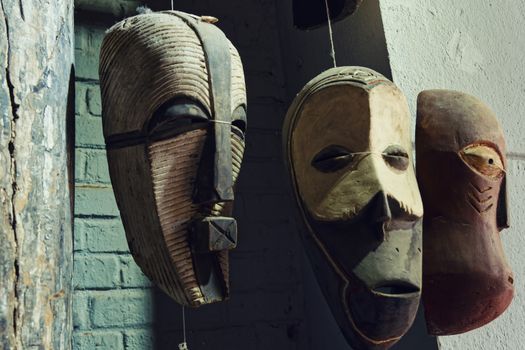 Photo: Eric Prouzet / Pexels
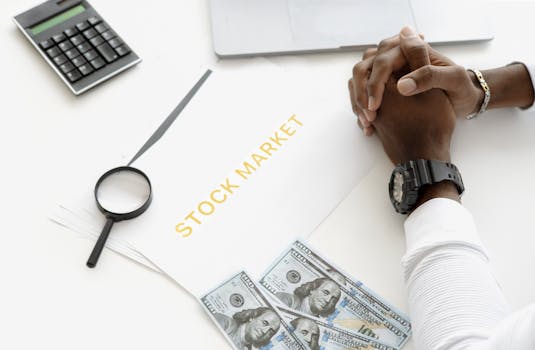 Photo: Hanna Pad / Pexels
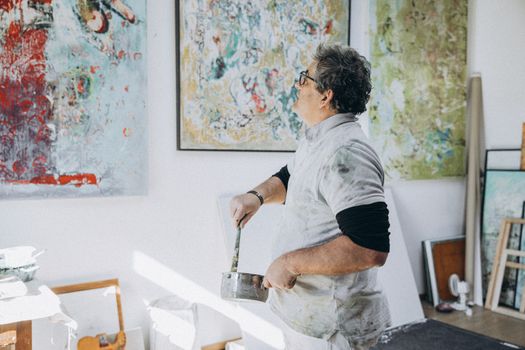 Photo: Alina Rossoshanska / Pexels
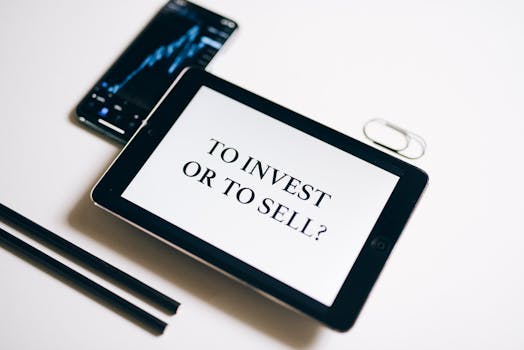 Photo: Leeloo The First / Pexels