✓ The South African art market has shown consistent growth over the past two decades.
✓ Key artists like Irma Stern and Gerard Sekoto consistently command high prices.
✓ Online auctions are increasing accessibility and transparency in the market.
✓ Understanding provenance and condition is crucial for assessing artwork value.
How It Works
1
Research Auction Houses
Identify reputable South African auction houses specializing in fine art. Review their past catalogs and results to gauge their market presence and expertise.
2
Track Artist Performance
Focus on specific artists or art movements that interest you. Monitor their auction results over time to understand price fluctuations and demand.
3
Analyze Auction Catalogs
Carefully examine upcoming auction catalogs for detailed artwork information, including estimated values, provenance, and condition reports.
4
Interpret Results & Trends
Beyond individual prices, look for broader patterns such as rising demand for specific genres, shifts in collector demographics, and the impact of economic factors.
Understanding the Landscape of South African Art Auction Results
Photo: Magda Ehlers / Pexels
The South African art market is a dynamic and increasingly sophisticated space, attracting both seasoned collectors and new enthusiasts. Understanding South African art auction results is not merely about noting hammer prices; it’s about deciphering a complex interplay of artistic merit, historical significance, market demand, and economic factors. For anyone looking to invest in, collect, or simply appreciate South African art, a deep dive into auction performance is indispensable. These results provide a tangible barometer of an artist's current standing, the perceived value of specific periods or genres, and the overall health of the art economy within the region. Major auction houses like Strauss & Co, Aspire Art Auctions, and Stephan Welz & Co. (now part of Strauss & Co) are pivotal players, regularly hosting sales that shape the market narrative. Their comprehensive catalogs, often featuring detailed provenance and expert analysis, form the primary data source for tracking trends.
What makes South African art auction results particularly compelling is the rich tapestry of its artistic heritage. From the pioneering modernists like Irma Stern and Gerard Sekoto, whose works consistently fetch record-breaking sums, to the vibrant contemporary artists pushing boundaries, the market reflects a diverse and evolving cultural identity. The consistent performance of established masters provides a stable foundation, while the emergence of new talent offers exciting opportunities for growth and discovery. Collectors often look for works with strong exhibition histories, impeccable provenance, and excellent condition, as these factors significantly influence final prices. Furthermore, the global interest in African art has positively impacted the local market, with international buyers increasingly participating in South African auctions, driving up competition and prices for exceptional pieces. This cross-pollination of interest underscores the growing recognition of South African art on the world stage, making its auction results a key indicator not just for local trends but for broader international appreciation. Analysing these results helps both buyers and sellers understand where value lies and how to navigate the market effectively. For more insights into the broader art world, explore global art market trends.
Key Drivers and Influencers in South African Art Valuations
Photo: Miguel González / Pexels
Several critical factors converge to determine the valuation and subsequent auction results of South African artworks. Foremost among these is the artist's reputation and oeuvre. Artists with a well-established international profile, a strong exhibition history, and a consistent body of high-quality work tend to command higher prices. Think of the consistent demand for works by William Kentridge, Marlene Dumas, or Alexis Preller – their artistic significance is undeniable, and this translates directly into robust auction performance. The rarity and uniqueness of a piece also play a significant role. A seminal work from a pivotal period in an artist's career, or a piece that is one of very few in existence, will naturally attract more competitive bidding than a more common print or study.
Provenance, or the documented history of ownership of an artwork, is another paramount factor. A clear, well-documented provenance that includes significant collections, reputable galleries, or exhibitions adds immense value and assures authenticity. Conversely, a murky or incomplete provenance can significantly deter buyers and impact the final price. Condition is equally vital; an artwork in pristine condition, or one that has been expertly conserved, will always fetch more than a damaged or poorly restored piece. Auction houses typically provide detailed condition reports, and it is imperative for prospective buyers to review these thoroughly. Market sentiment and economic conditions also cast a long shadow over auction results. During periods of economic prosperity, discretionary spending on art tends to increase, leading to stronger sales. Conversely, downturns can lead to more cautious bidding. The advent of online bidding platforms has also expanded the reach of South African auctions, bringing in a wider pool of international buyers and increasing competition, particularly for desirable lots. Understanding these drivers is essential for anyone aiming to interpret South African art auction results accurately and make informed decisions about buying or selling art. The interplay of these elements creates the dynamic and often unpredictable nature of the art market.
Navigating Trends and Future Prospects in the South African Art Market
Photo: Matheus Bertelli / Pexels
The South African art market is not static; it is continually evolving, influenced by global art trends, local socio-political shifts, and the emergence of new artistic voices. Analyzing South African art auction results over time reveals fascinating patterns. One significant trend is the increasing recognition and valorization of neglected or underrepresented artists, particularly women artists and artists from marginalized communities, whose contributions are now being re-evaluated and celebrated. This corrective historical lens is leading to a surge in demand and prices for their works. Contemporary art, especially pieces addressing current social issues or employing innovative techniques, also continues to gain traction, appealing to a younger generation of collectors looking for relevant and thought-provoking art.
Another notable development is the growing prominence of digital art and NFTs, though this segment is still nascent in the traditional South African auction space compared to its global counterparts. However, as technology integrates further into the art world, we can anticipate these forms having a greater impact on future auction results. The role of art fairs, both local and international, cannot be overstated in shaping market trends. Events like the FNB Art Joburg and Investec Cape Town Art Fair serve as crucial platforms for artists, galleries, and collectors, driving exposure and influencing what eventually appears – and sells – at auction. These fairs often act as incubators for new talent and provide a preview of what might become highly sought-after in the secondary market.
Looking ahead, the South African art market is poised for continued growth, driven by a burgeoning local collector base, sustained international interest, and a rich pipeline of artistic talent. The increasing professionalization of auction houses, coupled with greater transparency in reporting results, further instills confidence in the market. As the country's cultural identity continues to evolve, so too will its artistic expressions, ensuring a vibrant and dynamic future for South African art auctions. Staying abreast of these shifts requires constant engagement with market reports, exhibition schedules, and, most importantly, the actual auction results themselves. For deeper insights into collecting, consider resources on building an art collection.
Common Mistakes and Smart Strategies for Interpreting Auction Data
Photo: RDNE Stock project / Pexels
Interpreting South African art auction results effectively requires more than just glancing at the hammer price; it demands a nuanced approach to avoid common pitfalls and to extract meaningful insights. One of the most frequent mistakes is focusing solely on record-breaking sales without considering the context. A high price for a single piece might be an outlier due to intense bidding by two specific collectors, rather than a reflection of a general market surge for that artist. Always look at an artist's average prices over time, the number of works offered, and the sell-through rate (percentage of lots sold).
Another error is neglecting the buyer's premium and other associated costs. The hammer price is what the auctioneer announces, but the buyer's premium (a percentage added to the hammer price), VAT, and sometimes shipping or insurance can significantly increase the total cost. When comparing results, ensure you're comparing apples to apples – either all hammer prices or all-inclusive final prices.
**Smart Strategies:**
* **Track Consistent Performers:** Identify artists whose works consistently sell well and show steady appreciation, rather than those with sporadic, high-value outliers.
* **Understand Provenance Impact:** Always factor in the provenance. A piece from a famous collection will often fetch more, but this doesn't automatically inflate the value of all other works by the same artist.
* **Condition is King:** Pay close attention to condition reports. A perfectly preserved piece will always hold more value than one with significant damage or restoration, even if both are by the same artist.
* **Look Beyond the Canvas:** Don't just consider paintings. Sculpture, photography, and mixed media works also contribute significantly to South African art auction results and can offer diverse investment opportunities.
* **Engage with Experts:** Consult with reputable art advisors, gallerists, or auction house specialists. Their expertise can provide invaluable context and help you navigate the complexities of the market.
* **Monitor Sell-Through Rates:** A high sell-through rate for an artist or an auction indicates strong demand, which is a healthier sign than just a few high prices amidst many unsold lots.
* **Consider Economic Indicators:** Be aware of broader economic trends. Art is often seen as a luxury good, and its market performance can be influenced by economic stability or instability.
By adopting these strategies, you can move beyond superficial observations to gain a truly informed perspective on South African art auction results, enabling better collecting and investment decisions.
Comparison
Feature
Strauss & Co
Aspire Art Auctions
Stephan Welz & Co (Historical)
Market Share (Approx)
Largest
Significant
Major (now part of Strauss)
Focus
Fine Art, Decorative Arts, Jewellery, Wine
Modern & Contemporary African Art
Fine Art, Jewellery, Collectibles
Online Bidding
✓
✓
✓
International Reach
High
Growing
High
Expertise in SA Masters
Very High
High
Very High
Emerging Artists
Good Inclusion
Strong Focus
Varied
What Readers Say
★★★★★
"Understanding South African art auction results helped me immensely in acquiring a piece by a prominent artist at a fair price. The historical data provided clarity on true market value."
Thandiwe M. · Johannesburg, Gauteng
★★★★★
"As a new collector, delving into auction results was crucial. It demystified pricing and showed me which artists are consistently performing well in the South African market."
Pieter V. · Cape Town, Western Cape
★★★★★
"Thanks to careful analysis of South African art auction results, I successfully sold a family heirloom for 15% above the initial valuation. Data truly empowers decisions."
Naledi K. · Durban, KwaZulu-Natal
★★★★★
"While the results are fascinating, it takes a bit of work to filter out the noise. Still, it's an indispensable tool for anyone serious about South African art investment, offering solid benchmarks."
Michael S. · Pretoria, Gauteng
★★★★★
"From an international perspective, tracking South African art auction results is vital. It helps identify emerging talent and significant investment opportunities within the broader African art scene."
Aisha R. · London, UK
Frequently Asked Questions
What are the most significant South African art auction results in recent years?
Record-breaking sales often involve works by Irma Stern, Gerard Sekoto, and J.H. Pierneef, consistently fetching multi-million Rand figures. Contemporary artists like William Kentridge and Marlene Dumas also achieve substantial results, reflecting strong demand for established masters and internationally recognized contemporary talent.
How can I access reliable South African art auction results?
Reputable auction houses like Strauss & Co and Aspire Art Auctions publish their past results on their websites. Art market databases and specialist art publications also aggregate this data, offering a comprehensive view of historical and recent sales.
How do I interpret the 'buyer's premium' in South African art auction results?
The buyer's premium is an additional percentage fee, typically ranging from 15-25% (plus VAT on the premium), that the buyer pays on top of the 'hammer price' (the winning bid). Always factor this into the total cost when evaluating auction results.
Do South African art auction results reflect the true value of an artwork?
Auction results are a strong indicator of market value at a specific point in time, reflecting demand and supply. However, 'true value' can be subjective, influenced by factors like personal appreciation and historical significance beyond purely monetary terms. It's a key data point, but not the only one.
How do online auctions impact South African art auction results?
Online auctions have significantly expanded the reach of South African art to a global audience, increasing competition and often leading to higher prices for desirable lots. They also offer greater accessibility and transparency, democratizing access to art market information.
Who should pay attention to South African art auction results?
Anyone interested in buying, selling, or investing in South African art should closely follow auction results. This includes private collectors, art dealers, investors, art advisors, and even researchers or students of art history and market trends.
Are there risks associated with relying solely on past South African art auction results for investment decisions?
Yes, relying solely on past results without considering current market trends, economic forecasts, provenance, condition, and expert advice can be risky. The art market can be volatile, and past performance is not always indicative of future results. Thorough due diligence is always recommended.
What future trends might influence South African art auction results?
Future trends include continued growth in demand for contemporary African art, increasing recognition of historically marginalized artists, greater integration of digital art, and the potential impact of economic shifts. Enhanced transparency and global participation through technology will also play a crucial role.
Unlock the secrets of the South African art market. Dive into detailed South African art auction results to inform your next acquisition or sale, and make empowered decisions in your art journey.
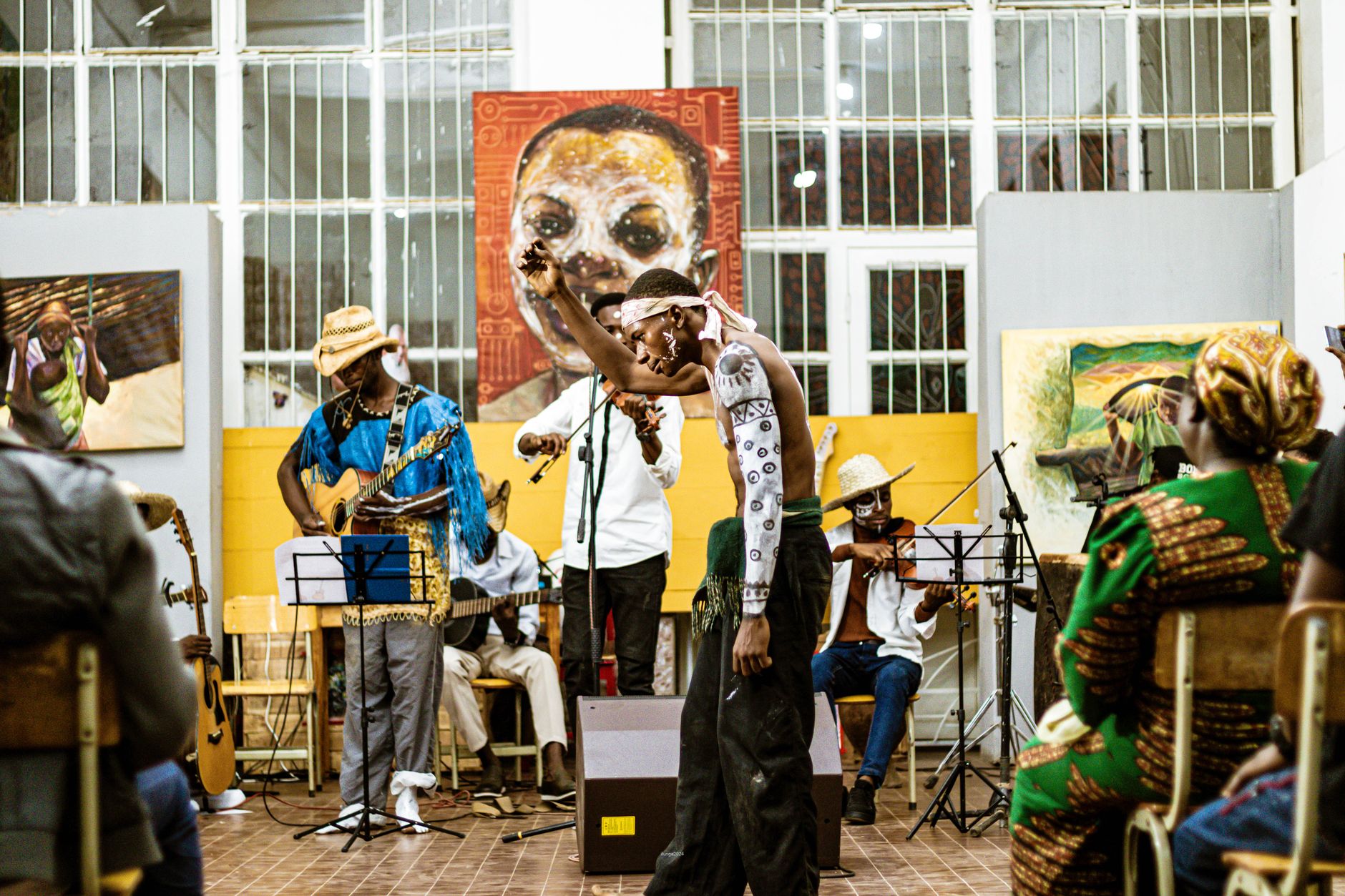
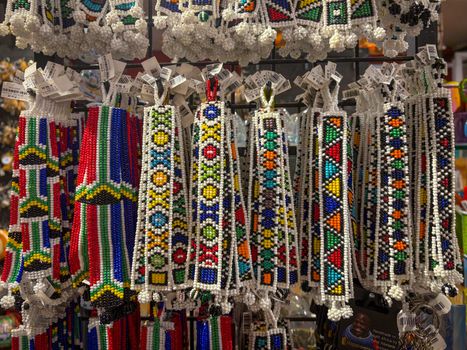 Photo: Magda Ehlers / Pexels
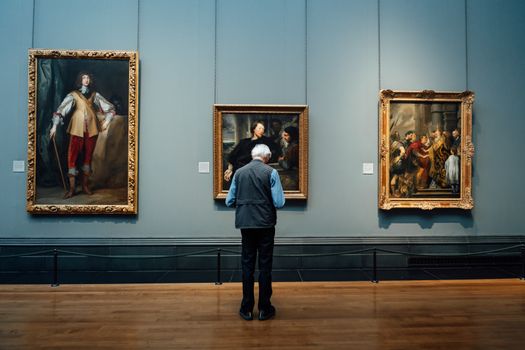 Photo: Miguel González / Pexels
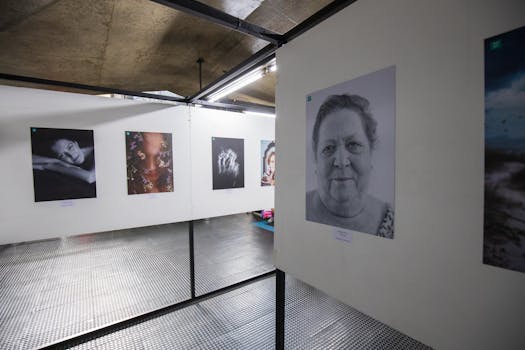 Photo: Matheus Bertelli / Pexels
 Photo: RDNE Stock project / Pexels