✓ South Africa offers a rich diversity of sculpture workshops, catering to all skill levels from beginner to advanced.
✓ Workshops often specialize in various mediums, including clay, stone, wood, metal, and mixed media.
✓ Many studios provide all necessary tools and materials, making it easy for newcomers to participate.
✓ Learning sculpture can enhance fine motor skills, spatial reasoning, and creative problem-solving.
How It Works
1
Choose Your Medium
Decide whether you want to work with clay, stone, wood, metal, or explore mixed media. Each material offers unique challenges and rewards.
2
Select a Workshop
Research workshops in your region (Cape Town, Johannesburg, Durban, etc.) that align with your chosen medium and skill level. Look for experienced instructors and inspiring studio environments.
3
Enroll and Prepare
Register for your chosen workshop. Most studios provide materials, but you might need comfortable clothing and a willingness to get hands-on.
4
Create and Learn
Immerse yourself in the creative process. Follow expert guidance, experiment with techniques, and enjoy the journey of bringing your artistic vision to life.
Exploring the Diverse World of Sculpture Workshops in South Africa
Photo: Berna / Pexels
South Africa, a nation celebrated for its vibrant cultural tapestry and breathtaking landscapes, offers an equally rich and diverse array of sculpture workshops. For anyone with an inclination towards tactile creation, or simply a desire to explore a new artistic avenue, these workshops provide an unparalleled opportunity to delve into the fascinating world of three-dimensional art. The beauty of engaging with sculpture in South Africa lies not only in the quality of instruction but also in the inspirational environments – from urban studios buzzing with creativity to serene rural retreats that foster deep focus. Whether you're a complete novice eager to get your hands dirty or an experienced artist looking to refine specific techniques, there's a workshop tailored to your needs. These programs are designed to demystify the art form, breaking down complex processes into manageable steps, allowing participants to build confidence and skill progressively. Imagine shaping clay into elegant forms, carving intricate details into wood, or even forging metal into a powerful statement piece. Each medium presents its own unique set of tools, techniques, and artistic possibilities. Workshops often cover fundamental principles such as form, volume, texture, and composition, ensuring a solid theoretical foundation alongside practical application. Many studios pride themselves on small class sizes, guaranteeing personalized attention from seasoned sculptors who are passionate about sharing their craft. This individualized approach is crucial for learning, as it allows instructors to adapt their teaching methods to suit diverse learning styles and address specific challenges faced by students. Furthermore, participating in sculpture workshops in South Africa often means becoming part of a supportive community of fellow art enthusiasts. The shared experience of creation, problem-solving, and celebrating artistic breakthroughs fosters connections and encourages ongoing artistic development. Beyond the technical skills, sculpture offers profound personal benefits. It’s a meditative practice that encourages mindfulness and patience. The act of transforming raw material into something meaningful can be incredibly therapeutic and empowering. It teaches you to see the world differently, to appreciate form and structure in everyday objects, and to develop a unique artistic voice. Some workshops even incorporate elements of South African cultural heritage, drawing inspiration from indigenous art forms and materials, providing a truly unique and localized learning experience. This integration of local context enriches the creative process, offering insights into traditional techniques and philosophies. Before embarking on your sculptural journey, it’s beneficial to consider what you hope to achieve. Are you interested in creating functional art, abstract forms, or figurative pieces? Do you prefer the forgiving nature of clay or the permanence of stone? Understanding your preferences will help you choose the most suitable workshop among the many excellent options available. Many workshops also offer introductory sessions or taster classes, which are perfect for those who want to dip their toes into the world of sculpture without committing to a longer course. These short sessions can provide a valuable insight into the medium and the teaching style, helping you make an informed decision about further engagement. The accessibility of materials and tools in South Africa has also contributed to the growth and popularity of these workshops. From specialized art supply stores to local hardware shops, resources are generally available, making it easier for students to continue their practice outside of the workshop setting. Explore more artistic opportunities in South Africa to broaden your creative horizons.
Finding Your Niche: Materials and Techniques in South African Sculpture
Photo: Juan Carlos Pérez Gallego / Pexels
The world of sculpture is incredibly vast, defined by a multitude of materials and the techniques used to manipulate them. In South Africa, sculpture workshops cater to this diversity, allowing aspiring artists to explore various mediums and discover their true artistic calling. One of the most popular starting points for many is clay. Clay sculpture workshops are abundant, offering a tactile and forgiving material that can be easily molded, added to, or removed. From hand-building techniques like pinch, coil, and slab construction to wheel-throwing for more ceramic-focused pieces, clay provides an immediate connection to the creative process. Workshops often cover glazing and firing processes, transforming fragile clay into durable, beautiful ceramics. The warmth and organic feel of clay make it an excellent medium for expressing fluidity and emotion. Many studios in cities like Cape Town and Johannesburg offer extensive programs in ceramics, often combining functional pottery with sculptural forms, allowing artists to bridge the gap between utility and pure art. For those drawn to permanence and monumental expression, stone carving workshops are an appealing option. South Africa, with its rich geological diversity, offers various types of stone suitable for carving, from softer soapstone to harder granite and marble. These workshops require patience, precision, and a deep understanding of the material's properties. Students learn to use chisels, mallets, and power tools to reveal the form hidden within the stone. While more physically demanding, the reward of bringing a static block of stone to life is immense. These workshops are often found in more rural settings or specialized art centers where the noise and dust are less of a concern, providing a unique immersion into the craft. Wood carving is another traditional and widely practiced form of sculpture. South African wood carving workshops often draw inspiration from indigenous techniques and local timber varieties. Learners are introduced to various carving tools, from gouges and chisels to rasps and files, learning how to work with the grain of the wood to create intricate details and smooth finishes. Wood offers a natural warmth and texture that is distinct from stone or clay, making it ideal for both figurative and abstract works. The sustainable sourcing of wood is also a growing consideration, with many workshops emphasizing responsible practices. Metal sculpture workshops, while perhaps less common for beginners, offer an exciting pathway for those interested in industrial materials and robust forms. These workshops might involve welding, forging, casting, or assemblage techniques using steel, copper, brass, or aluminum. The process often involves significant safety precautions and specialized equipment, but the ability to create strong, durable, and often dynamic sculptures from metal is incredibly rewarding. From abstract constructions to kinetic art, metal provides a versatile medium for bold artistic statements. Mixed media sculpture workshops are perfect for experimental artists who enjoy combining different materials, textures, and found objects. These workshops encourage innovation and push the boundaries of traditional sculpture, allowing for unique juxtapositions and conceptual expressions. Artists might combine wood with metal, clay with fabric, or incorporate recycled materials, reflecting themes of sustainability and transformation. Regardless of the material, a good sculpture workshop in South Africa will emphasize foundational principles: understanding three-dimensional space, developing an eye for proportion, mastering different tools, and most importantly, fostering a deep connection between the artist and their chosen medium. The choice of material often dictates the atmosphere of the workshop – from the quiet, focused environment of a stone carving studio to the vibrant, sometimes noisy energy of a metalworking space. Each offers a unique sensory experience and a pathway to artistic fulfillment. The instructors at these facilities are often practicing artists themselves, bringing not just technical expertise but also real-world experience and artistic insight to their teaching, enriching the learning experience for every participant. They guide students through the creative process, from initial conceptualization to the final finishing touches, ensuring that each piece is not just technically sound but also imbued with personal meaning. Many workshops also offer advanced courses for those who have mastered the basics and wish to delve deeper into specific techniques or explore larger-scale projects. This tiered learning approach ensures continuous growth and development for artists at all stages of their journey. Finding the right niche means considering not only the material but also the teaching philosophy and the overall environment of the studio. Some prefer a highly structured curriculum, while others thrive in a more free-form, explorative setting. South Africa's diverse offerings mean there's a perfect fit for almost any artistic preference.
Top Locations and Renowned Studios for Sculpture Workshops Across ZA
Photo: Thirdman / Pexels
South Africa's vibrant art scene is not confined to a single city; excellent sculpture workshops can be found in various regions, each offering unique perspectives and specializations. Knowing where to look can significantly enhance your learning experience.
Cape Town and the Western Cape: As a major cultural hub, Cape Town boasts numerous art studios and workshops. The city’s dynamic energy and proximity to stunning natural landscapes often inspire its artistic community. You’ll find a strong emphasis on contemporary sculpture, with many workshops exploring mixed media and conceptual art. Studios like the Montebello Design Centre in Newlands offer diverse art classes, including pottery and sculpture, set within a beautiful, tranquil environment. The Good Hope Art Studios also frequently host workshops focusing on various mediums, often inviting guest artists to share their expertise. Further afield in the Western Cape, smaller towns sometimes host intensive retreats, particularly for stone or wood carving, leveraging the natural resources and serene settings. These often provide a more immersive experience, allowing artists to disconnect from urban distractions and fully engage with their craft. The artistic community in Cape Town is particularly active, with regular exhibitions and art fairs, providing opportunities for students to showcase their work and connect with professional artists. This vibrant ecosystem fosters a supportive environment for emerging sculptors.
Johannesburg and Gauteng: Johannesburg, the economic powerhouse of South Africa, also has a thriving and often gritty art scene that reflects its urban landscape and diverse population. Sculpture workshops here tend to be robust, offering strong technical training, especially in metalwork and large-scale projects. The Bag Factory Artists' Studios, while primarily a residency program, often collaborates with educators to host workshops that expose participants to professional art practices and innovative sculptural techniques. Another notable institution is the Johannesburg Art Foundation, which sometimes includes sculpture in its broader art education programs. Workshops in Joburg often cater to a more industrial aesthetic, reflecting the city’s character, with opportunities to work with recycled materials and explore urban themes. The energy of the city translates into a fast-paced and experimental approach to art, making it an exciting place for those who enjoy pushing boundaries. The accessibility of industrial materials and tools in Johannesburg also means that workshops can explore a wider range of sculptural techniques, particularly those involving heavy machinery or specialized fabrication processes.
Durban and KwaZulu-Natal: The coastal city of Durban and the surrounding KwaZulu-Natal province offer workshops that often blend contemporary sculpture with traditional African art forms. The region's rich cultural heritage provides a unique backdrop for artistic exploration, particularly in ceramics and wood carving, which have deep roots in local traditions. Studios might incorporate Zulu patterns, narratives, and materials into their teaching, offering a distinct South African sculptural experience. The KZN Society of Arts (KZNSA) gallery often runs educational programs and workshops, sometimes including sculpture, providing a community-focused approach to art education. The natural beauty of the KZN coastline and the Drakensberg mountains can also serve as powerful inspiration for sculptural forms, encouraging organic and flowing designs. These workshops are ideal for those seeking to connect with the cultural history of the region while developing their artistic skills. The emphasis on community and shared knowledge is a strong feature of workshops in this region, often fostering a very collaborative learning environment.
Other Regions: While the major cities are hubs, keep an eye out for specialized workshops in smaller towns and rural areas. Places like Knysna, known for its woodworking traditions, might offer unique wood carving workshops. The Free State and Eastern Cape also have burgeoning art communities that occasionally host sculpture programs, often focusing on local materials and themes. These smaller, often more intimate workshops can provide a deeply personal and focused learning experience, away from the hustle and bustle of city life. Regardless of the location, choosing a reputable studio with experienced instructors and a supportive learning environment is key to a rewarding sculptural journey. Always check reviews, instructor credentials, and workshop schedules to find the perfect fit for your artistic aspirations.
Essential Tips for Maximizing Your Sculpture Workshop Experience
Embarking on a sculpture workshop in South Africa is an exciting venture, but a little preparation and mindful engagement can significantly enhance your learning and creative outcomes. Here are some essential tips to help you make the most of your experience:
1. **Do Your Research Thoroughly:** Before enrolling, investigate the workshop's focus (e.g., clay, stone, metal), the instructor's background, and the studio's facilities. Read reviews, look at past student work, and ensure the curriculum aligns with your interests and skill level. A good fit will make all the difference.
2. **Embrace the Beginner's Mindset (Even if You're Not a Beginner):** Approach each session with an open mind, ready to learn and experiment. Even experienced artists can benefit from revisiting fundamentals or trying a new technique taught by a different master. Let go of perfectionism initially and focus on the process of discovery.
3. **Ask Questions, Lots of Them:** Don't be shy! Your instructor is a valuable resource. If you don't understand a technique, need clarification on a tool, or want advice on your piece, ask. Engaging with your instructor actively will deepen your understanding and accelerate your learning.
4. **Experiment and Take Risks:** Sculpture is about exploration. Don't be afraid to try unconventional approaches or push the boundaries of your chosen material. Some of the most interesting pieces come from unexpected experiments. The workshop environment is a safe space for creative risks.
5. **Be Patient and Persistent:** Sculpture often requires patience. Building up forms, refining details, or waiting for materials to dry can take time. Don't get discouraged if your first attempts aren't perfect. Persistence and practice are key to developing your skills.
6. **Dress Appropriately:** You will get dirty! Wear old clothes that you don't mind getting stained with clay, dust, or paint. Closed-toe shoes are also advisable for safety, especially in workshops involving heavy tools or materials.
7. **Network with Fellow Artists:** The other participants in your workshop are a fantastic resource for inspiration, feedback, and camaraderie. Share ideas, discuss challenges, and build connections. These relationships can extend beyond the workshop and foster a supportive artistic community.
8. **Document Your Process:** Take photos or videos of your work at different stages. This helps you track your progress, identify areas for improvement, and remember techniques. It's also a great way to showcase your journey later.
9. **Understand Material Limitations:** Each material has its properties and limitations. Learning these will help you work *with* the material rather than against it, leading to more successful outcomes. Your instructor will guide you on these specifics.
10. **Plan for Your Finished Work:** Consider what you'll do with your completed sculptures. Will they need firing, a specific finish, or careful transportation? Discuss these aspects with your instructor, especially for larger or more delicate pieces. Being prepared ensures your hard work is preserved and displayed effectively. By following these tips, you'll not only hone your sculptural skills but also enjoy a rich and fulfilling creative experience in South Africa.
Comparing Top Sculpture Workshop Formats in South Africa
When searching for sculpture workshops in South Africa, you'll encounter various formats, each offering distinct advantages. Understanding these differences can help you choose the best fit for your schedule, learning style, and artistic goals. From intensive short courses to ongoing weekly classes, the structure of a workshop significantly impacts the learning experience.
**Short-Term Intensive Workshops (e.g., Weekend or 3-5 Day Retreats):** These are perfect for individuals with limited time or those looking for a quick immersion into a specific technique or medium. Often held over a weekend or a few consecutive days, intensives provide focused learning without the long-term commitment. They are excellent for beginners who want to 'try before they buy' a longer course, or for experienced artists seeking to learn a new skill quickly. The downside can be the rapid pace, which might feel rushed for some, and the limited time for projects to dry or cure. However, the concentrated nature often leads to a strong sense of accomplishment in a short period. Many studios in scenic locations offer these as art retreats, combining learning with a getaway experience.
**Ongoing Weekly Classes (e.g., 8-12 Week Courses):** This format is ideal for sustained learning and skill development. Meeting once a week for several weeks allows participants to delve deeper into techniques, work on more complex projects, and receive continuous feedback. The longer duration accommodates the natural drying and firing processes of materials like clay, enabling students to complete polished pieces. This format also fosters a stronger sense of community among participants, as they share their creative journey over an extended period. It requires a greater time commitment but offers a more thorough education and a chance to truly master specific sculptural forms or methods. These are particularly popular in urban centers like Johannesburg and Cape Town.
**Private or Semi-Private Tutoring:** For those seeking highly personalized instruction, private lessons offer one-on-one or small-group attention. This allows the curriculum to be entirely tailored to the student's specific needs, interests, and pace. It's an excellent option for advanced artists working on bespoke projects, or for beginners who prefer a more individualized learning environment without the dynamics of a larger class. While typically more expensive per hour, the efficiency of learning can sometimes offset the cost. Many professional sculptors offer private lessons from their own studios.
**Online or Hybrid Workshops:** While sculpture is inherently hands-on, the digital age has brought about online and hybrid workshops. Online courses might focus on theoretical aspects, conceptual development, or demonstrations of techniques, with students working independently at home. Hybrid models combine online learning with occasional in-person sessions for practical guidance, firing, or tool access. These are great for geographical flexibility but require self-discipline and access to your own tools and materials. They are still evolving in the South African context but are becoming more prevalent for certain aspects of sculptural training.
Each format serves a different purpose, and the 'best' option depends entirely on your individual circumstances. Consider your schedule, budget, learning style, and what you hope to achieve from the workshop. Some artists find success by combining formats, perhaps starting with an intensive workshop to gain foundational skills, then moving to weekly classes for ongoing practice, or engaging in private sessions for specific project guidance. The South African art scene offers a rich tapestry of choices, ensuring that there's a perfect sculptural path for everyone.
Comparison
Feature
Weekend Intensive
Weekly Class (8-12 weeks)
Private Tutoring
Online/Hybrid
Time Commitment
Low (2-3 days)
Medium (1-2 hrs/week)
Flexible (by arrangement)
Flexible (self-paced)
Skill Development
Foundational/Specific
Comprehensive/Advanced
Highly Personalized
Conceptual/Theory
Community Aspect
Short-term/Focused
Strong/Sustained
Minimal/Instructor-led
Virtual/Self-reliant
Cost Efficiency
Medium-High (per hour)
High (value per hour)
Highest (per hour)
Varies (often lower)
Project Completion
Often smaller/demonstration
Complete, finished pieces
Tailored to goals
Conceptual/At-home finish
Flexibility
Low (fixed dates)
Medium (fixed schedule)
High (customizable)
Highest (location independent)
What Readers Say
★★★★★
"The clay sculpture workshop I attended in Cape Town was phenomenal. The instructor's guidance was expert, and I created a beautiful ceramic piece I never thought possible. Truly one of the best sculpture workshops South Africa offers for beginners."
Thandiwe M. · Cape Town, WC
★★★★★
"I joined a metal sculpture workshop in Joburg, and it was an exhilarating experience. Learning to weld and shape steel was challenging but incredibly rewarding. The safety protocols were excellent, and the studio facilities were top-notch."
Kyle V. · Johannesburg, GP
★★★★★
"After completing a 10-week wood carving course, I now have three finished pieces adorning my home. The personalized attention and deep dive into traditional techniques at this sculpture workshop in South Africa truly transformed my artistic skills."
Naledi P. · Durban, KZN
★★★★★
"The stone carving retreat was an intensive but fantastic experience. While physically demanding, the serene environment and focused instruction helped me produce a surprisingly refined piece. I would have appreciated slightly more individual tool guidance, but overall a great learning curve."
Ben S. · Stellenbosch, WC
★★★★★
"As a graphic designer, I wanted to explore a new medium. The mixed-media sculpture workshop offered a brilliant way to experiment with textures and forms. It completely reignited my creative spark and gave me a fresh perspective on art."
Lindiwe D. · Pretoria, GP
Frequently Asked Questions
What is the average cost of sculpture workshops in South Africa?
The cost of sculpture workshops in South Africa varies significantly based on duration, medium, and location. Short introductory workshops (e.g., a weekend) can range from R800 to R2,500. Longer courses (e.g., 8-12 weeks) might cost between R3,000 and R8,000, often including basic materials. Specialized workshops or private tutoring will be at the higher end. Always check what is included in the price, such as materials, firing fees, or tool usage.
Do I need prior experience to join a sculpture workshop?
No, many sculpture workshops in South Africa are specifically designed for absolute beginners. These introductory courses focus on fundamental techniques, tool safety, and material handling, providing a supportive environment for new artists. Always check the workshop description to ensure it aligns with your skill level, but don't let a lack of experience deter you.
How do I choose the right sculpture medium for me?
Consider what appeals to you: the tactile nature of clay, the permanence of stone, the organic feel of wood, or the strength of metal. If you're unsure, try an introductory 'taster' workshop that might explore different materials, or start with a forgiving medium like clay. Think about the type of art you admire and what kind of physical engagement you prefer.
Are tools and materials provided at sculpture workshops?
Most reputable sculpture workshops in South Africa provide essential tools and basic materials as part of the course fee, especially for beginners. However, for longer courses or specialized techniques, you might be advised to purchase your own set of personal tools or specific materials. Always confirm with the studio beforehand what is included and what you might need to bring or buy.
What should I wear to a sculpture workshop?
It's highly recommended to wear old, comfortable clothing that you don't mind getting dirty or stained. Sculpture can be a messy process! Closed-toe shoes are essential for safety, especially in workshops involving carving, heavy materials, or power tools. Aprons are often provided or can be brought from home.
Can I sell the sculptures I create in a workshop?
Generally, yes. The artwork you create in a workshop is your intellectual property. Many workshops encourage artistic development and may even offer advice on presenting or exhibiting your work. However, always check if there are any specific studio policies or agreements, especially if the workshop involves collaborations or unique materials provided by the studio.
Are sculpture workshops safe, especially with heavy tools?
Reputable sculpture workshops prioritize safety. Instructors will provide thorough safety briefings, demonstrate correct tool usage, and ensure appropriate protective gear (like gloves, goggles) is available. Workshops involving power tools or heavy materials will have strict supervision and protocols. It's crucial to follow all instructions and use common sense to ensure a safe learning environment.
What are the emerging trends in sculpture workshops in South Africa?
Emerging trends include a growing focus on sustainable and recycled materials, reflecting global environmental consciousness. There's also an increase in workshops exploring digital sculpting techniques (e.g., 3D printing forms) and hybrid approaches combining traditional methods with new technologies. Furthermore, workshops integrating cultural heritage and indigenous art forms continue to gain popularity, offering unique South African artistic perspectives.
Ready to unleash your inner sculptor? Explore the diverse and inspiring sculpture workshops South Africa has to offer and embark on a transformative artistic journey today. Your masterpiece awaits!

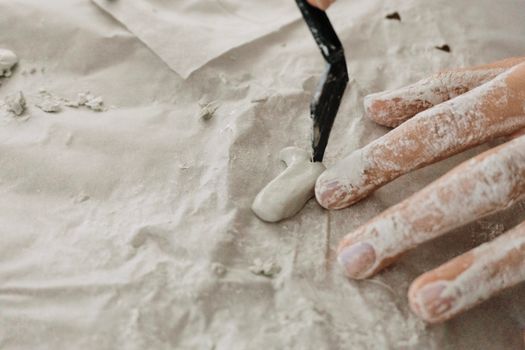 Photo: Berna / Pexels
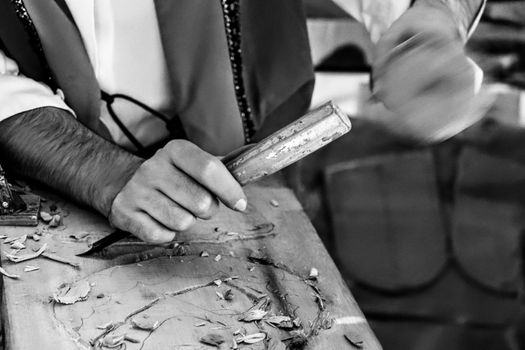 Photo: Juan Carlos Pérez Gallego / Pexels
 Photo: Thirdman / Pexels