Discover Breathtaking Sculpture Parks South Africa
sculpture parks South Africa

Discover Breathtaking Sculpture Parks South Africa

Immerse yourself in South Africa's diverse and captivating outdoor art landscapes, where nature and creativity converge.

Plan Your Visit Now

Key Takeaways

  • ✓ South Africa boasts a growing number of world-class sculpture parks.
  • ✓ Many parks integrate indigenous flora and fauna with artistic expression.
  • ✓ They offer unique cultural insights into South African heritage and contemporary issues.
  • ✓ Entry fees vary, with some parks offering free access or guided tours.
  • ✓ Often located in scenic areas, combining art appreciation with natural beauty.

How It Works

1
Choose Your Park

Research different sculpture parks across South Africa to find one that aligns with your interests. Consider location, themes, and facilities available.

2
Plan Your Visit

Check opening hours, entry fees, and any booking requirements. Some parks offer guided tours or special events that might enhance your experience.

3
Immerse Yourself

Allow ample time to explore the installations and surrounding natural beauty. Many parks encourage contemplation and interaction with the art.

4
Reflect and Share

Take photos (where permitted) and share your experience with others. Consider supporting the parks through donations or purchasing local art.

The Allure of Outdoor Art: Why Visit Sculpture Parks in South Africa?
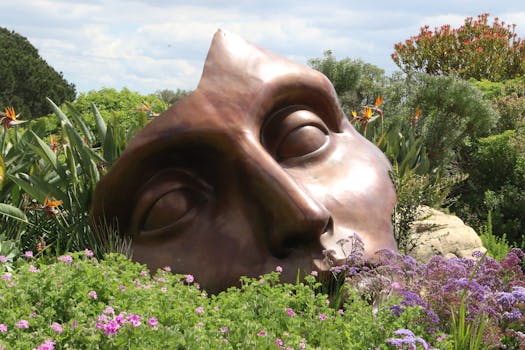
Bronze face sculpture nestled in a vibrant garden full of diverse flowers in Cape Town. Photo: Magda Ehlers / Pexels
South Africa, a land renowned for its breathtaking natural landscapes and rich cultural tapestry, also offers a unique and increasingly popular way to engage with art: through its magnificent sculpture parks. These aren't just galleries under the open sky; they are immersive experiences where artistic expression harmonizes with the environment, creating dialogues between human creativity and the raw beauty of the African continent. Unlike traditional indoor museums, sculpture parks invite visitors to interact with art on a multi-sensory level. The changing light throughout the day, the shifting seasons, and the sounds and smells of nature all become integral parts of the artwork's narrative. Imagine a monumental steel sculpture juxtaposed against the vast expanse of the Karoo, or intricate stone carvings nestled within a lush Cape Winelands garden. This dynamic interplay means that each visit can offer a fresh perspective, a new discovery. The appeal of these spaces extends beyond mere aesthetic pleasure. Many sculpture parks in South Africa serve as powerful platforms for cultural commentary, historical reflection, and social engagement. Artists often draw inspiration from the country's complex history, its diverse peoples, and its vibrant future, embedding these narratives into their creations. From pieces that explore themes of reconciliation and identity to those celebrating indigenous knowledge systems and environmental conservation, the art found in these parks often speaks volumes about the South African psyche. They provide a tangible connection to the country's artistic pulse, reflecting both universal human experiences and uniquely South African perspectives. Furthermore, these parks contribute significantly to art tourism, drawing both local and international visitors seeking authentic and enriching cultural experiences. They offer an accessible entry point into the world of contemporary art, often demystifying it for those who might find traditional galleries intimidating. The informal, open-air setting encourages leisurely exploration, making it an ideal outing for families, art enthusiasts, and nature lovers alike. It's an opportunity to slow down, to observe, and to contemplate, far from the hustle and bustle of city life. The sheer scale and ambition of some of these installations are truly awe-inspiring, challenging perceptions and sparking conversations. Whether you're a seasoned art collector or simply someone looking for a unique day out, the sculpture parks of South Africa promise an unforgettable journey into the heart of creativity and nature. They are not just places to see art; they are places to experience South Africa through a different lens, a testament to the country's enduring artistic spirit and its commitment to fostering public engagement with the arts.

Exploring Premier Sculpture Parks Across South Africa
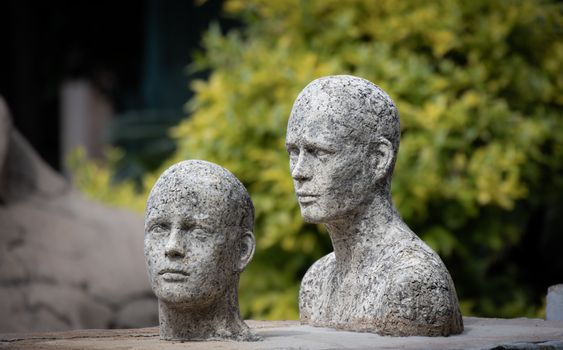
Two lifelike stone sculptures of faces against a leafy backdrop, showcasing artistic craftsmanship. Photo: Magda Ehlers / Pexels
South Africa is home to a remarkable collection of sculpture parks, each with its distinct character, artistic focus, and geographical charm. From the Western Cape's verdant valleys to the Highveld's expansive plains, these sites offer a diverse palette of experiences. One of the most renowned is the Nirox Foundation Sculpture Park, nestled in the Cradle of Humankind, a UNESCO World Heritage site in Gauteng. Nirox is a non-profit trust dedicated to fostering excellence in all disciplines of contemporary fine art. Its sprawling grounds feature an ever-evolving collection of site-specific installations and monumental works by both South African and international artists. The park is celebrated for its commitment to environmental sensitivity, with sculptures often integrating seamlessly into the natural landscape of indigenous grasslands and ancient dolomite caves. Visitors can spend hours wandering its pathways, discovering hidden gems and engaging with thought-provoking pieces that challenge perceptions and celebrate creativity. Nirox also hosts regular events, including classical music concerts and art exhibitions, further enriching the visitor experience. Moving to the Western Cape, the Dylan Lewis Sculpture Garden in Stellenbosch offers a dramatically different, yet equally compelling, experience. Set against the majestic backdrop of the Stellenbosch mountains, this seven-hectare garden is a sanctuary of wild forms, featuring over 60 bronze sculptures by celebrated artist Dylan Lewis. His work, primarily depicting animal and human forms, explores the interface between the wilderness and the civilized, the ancient and the contemporary. The garden itself is a meticulously crafted landscape, designed to evoke a sense of primordial earth, with indigenous plants, water features, and winding paths leading visitors through a journey of discovery. It’s a profound meditation on humanity's relationship with nature and our primal instincts, inviting introspection and awe. The attention to detail in both the sculptures and the garden design makes it a truly world-class destination for art and nature lovers. Further east, in the KwaZulu-Natal Midlands, the Midlands Meander is dotted with several smaller, yet equally charming, outdoor art spaces. While not always singular 'sculpture parks' in the grand scale of Nirox or Dylan Lewis, places like the Ardmore Ceramic Art Studio often feature impressive outdoor installations and sculptures alongside their main galleries. These locations provide a more intimate encounter with local artists and their interpretations of South African culture and wildlife. The emphasis here is often on vibrant colours, intricate patterns, and storytelling through ceramic and mixed-media sculptures, reflecting the rich artistic heritage of the region. Each of these parks, whether grand or intimate, contributes to the growing reputation of South Africa as a significant destination for outdoor art appreciation, demonstrating the breadth and depth of its artistic talent and its capacity to merge art with its stunning natural environment.

Planning Your Immersive Art Journey: Tips for Visiting South African Sculpture Parks
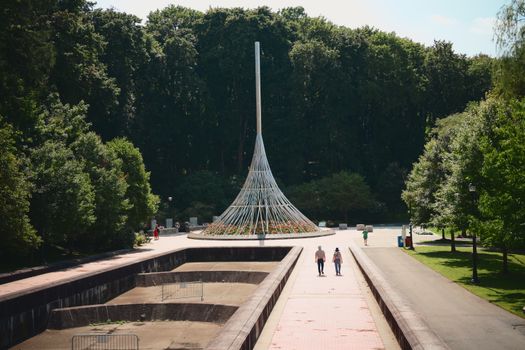
People walk near a tall modern sculpture in a lush green park on a sunny day. Photo: Y / Pexels
To truly appreciate the unique offerings of sculpture parks in South Africa, a little planning goes a long way. These are not merely places to rush through; they are environments designed for contemplation and exploration. Firstly, consider the time of year for your visit. South Africa's climate varies significantly across regions. The Western Cape, for instance, has hot, dry summers and cool, wet winters, while Gauteng experiences summer rainfall and dry, sunny winters. Visiting during milder seasons can enhance your comfort, especially when walking extensive grounds. Early mornings or late afternoons often provide the best light for photography and a more serene atmosphere, avoiding the midday heat and crowds. Always check the park's specific opening hours and days, as some are not open daily or may have seasonal variations. Secondly, comfortable footwear is non-negotiable. You'll likely be doing a fair amount of walking, often on uneven terrain, gravel paths, or grassy areas. Sun protection is also paramount; a wide-brimmed hat, sunglasses, and high-SPF sunscreen are essential, regardless of the season. Carrying water is advisable, as not all parks have refreshment facilities readily available throughout the grounds, especially in more remote sections. Some parks, like the Dylan Lewis Sculpture Garden, offer golf cart tours for those with mobility challenges or who prefer a less strenuous experience, so it's worth enquiring about such options beforehand. Engaging with the art is another crucial aspect. Many parks provide maps or audio guides that offer insights into the artists, their inspirations, and the meaning behind the works. Take the time to read accompanying plaques or listen to the narratives; this context can profoundly deepen your appreciation. Don't be afraid to take your time, sit on a bench, and simply observe how a sculpture interacts with its surroundings – the changing light, the rustling leaves, the distant calls of birds. Photography is generally permitted for personal use, but always be respectful of other visitors and avoid touching the sculptures unless explicitly invited to do so. Consider purchasing a souvenir or a book about the artists; this supports the park and allows you to take a piece of the experience home. Remember, these parks are living galleries, constantly evolving. A return visit to a favourite park might reveal new installations or a different perspective on familiar pieces, making them endlessly fascinating destinations for art enthusiasts and casual visitors alike. By preparing adequately, you can ensure your visit is both comfortable and deeply enriching.

Beyond the Big Names: Discovering Hidden Gems and Unique Art Experiences
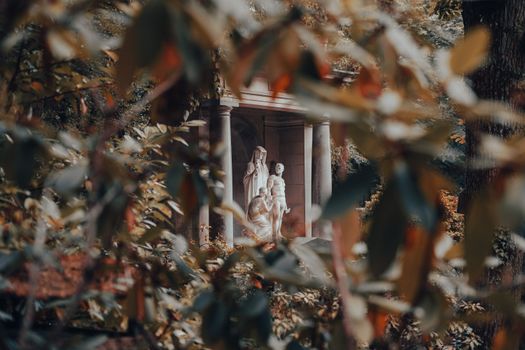
A statue seen through autumn leaves, creating a serene and contemplative scene in the park. Photo: Volker Thimm / Pexels
While prominent sculpture parks like Nirox and Dylan Lewis rightfully receive much attention, South Africa's art landscape is rich with smaller, equally captivating outdoor art experiences that offer unique perspectives and often a more intimate encounter with local creativity. These hidden gems are often found off the beaten path, sometimes integrated into private estates, boutique hotels, or community projects, showcasing the breadth of artistic talent and innovation across the country. For example, several wine estates in the Cape Winelands have begun to incorporate sculpture routes or dedicated art gardens, blending viticulture with visual arts. These typically feature works by local sculptors, often made from natural or repurposed materials, reflecting the region's agricultural heritage and stunning natural beauty. Visiting these allows for a delightful combination of art appreciation and wine tasting, offering a truly sensory experience. Another example can be found in more rural or community-focused initiatives, where art is used as a tool for social commentary, education, or economic empowerment. These might not be traditional 'sculpture parks' but rather public art installations spread across a village or town, telling stories of its people and history. Such projects often involve community participation, fostering a sense of ownership and pride in the artworks. Exploring these areas offers a deeper dive into the social fabric of South Africa and the role of art in everyday life, moving beyond the confines of curated gallery spaces. Furthermore, many private residences or guesthouses with extensive gardens sometimes open their gates to showcase personal collections of outdoor sculptures. These are often discovered through word-of-mouth or local tourism guides and can offer a wonderfully personal and unexpected art encounter. The advantage of these smaller venues is often the opportunity to meet the artists or curators, gaining firsthand insights into their creative process and inspirations. They also tend to be less crowded, allowing for a more peaceful and contemplative experience. When planning your art journey, keep an eye out for these less-publicized options; they often hold some of the most memorable and authentic artistic discoveries, revealing the vibrant and diverse heart of South African outdoor art beyond the well-trodden paths. Engaging with these unique art experiences enriches your understanding of the country's creative spirit and its profound connection to its land and people.

Comparison

FeatureNirox Foundation Sculpture ParkDylan Lewis Sculpture GardenSpier Estate (select installations)
LocationCradle of Humankind, GautengStellenbosch, Western CapeStellenbosch, Western Cape
Art Style FocusContemporary, site-specificFigurative, wild forms (bronze)Diverse, South African artists
Size/ScaleLarge, expansive groundsMedium, meticulously curatedIntegrated into estate
Best ForSerious art enthusiasts, nature loversNature & art fusion, introspectionFamily outings, wine & art
Accessibility✓ (some areas)✓ (golf cart tours available)
Entry FeeVaries per event/dayPaid, booking recommendedFree access to main installations

What Readers Say

"Nirox is an absolute gem! The way the art blends with the natural landscape is truly magical. Every visit feels like a new discovery, and the events they host are always top-notch."

Thandi M. · Johannesburg, Gauteng

"The Dylan Lewis Sculpture Garden is a spiritual experience. The bronze sculptures evoke such power, and the garden itself is a masterpiece. It's a must-see for anyone visiting Stellenbosch."

David L. · Cape Town, Western Cape

"We stumbled upon a small sculpture route near Clarens and were completely charmed. It added such a unique cultural layer to our road trip, truly enhancing our understanding of local artists."

Sarah P. · Durban, KwaZulu-Natal

"While some parks require advance booking or have variable opening hours, the effort is always worth it. The sheer scale and creativity on display in South African sculpture parks are truly inspiring."

Michael V. · Pretoria, Gauteng

"As an international visitor, exploring the sculpture parks in South Africa was an unexpected highlight. It offered a profound connection to the country's artistic soul, far beyond conventional tourist attractions."

Jessica R. · London, UK

Frequently Asked Questions

What is the best time of year to visit sculpture parks in South Africa?

The best time largely depends on the specific region. Generally, spring (September-November) and autumn (March-May) offer milder weather conditions, making for more comfortable outdoor exploration. Always check the local climate for your chosen park.

Are South African sculpture parks suitable for families with children?

Many sculpture parks are family-friendly, offering open spaces for children to explore. However, some installations may be fragile or have specific viewing guidelines. It's best to check individual park policies regarding children and interaction with artworks.

How can I find out about new exhibitions or events at sculpture parks?

Most sculpture parks maintain active websites and social media channels where they announce upcoming exhibitions, guided tours, and special events. Subscribing to their newsletters is also an excellent way to stay informed about their dynamic programming.

What is the typical cost of entry to sculpture parks in South Africa?

Entry fees vary significantly. Some parks, especially those integrated into public spaces or wine estates, might offer free access to certain areas, while others have a paid entry fee. Premier parks like Dylan Lewis or Nirox often have a clear fee structure, sometimes varying for events.

How do South African sculpture parks compare to international outdoor art spaces?

South African sculpture parks often stand out due to their unique integration with indigenous landscapes and their focus on local narratives and contemporary South African artists. While sharing the concept of outdoor art, they offer a distinct cultural and environmental context that sets them apart from international counterparts.

Who should visit sculpture parks in South Africa?

Anyone with an appreciation for art, nature, culture, and unique experiences will find joy in South Africa's sculpture parks. They are ideal for art enthusiasts, photographers, families, couples, and solo travellers seeking tranquility and inspiration.

Are there any safety concerns when visiting remote sculpture parks?

Like any outdoor activity in South Africa, it's always wise to be aware of your surroundings. Stick to marked paths, inform someone of your itinerary if visiting remote areas, and be mindful of wildlife. Most established parks have good security measures in place.

What is the future trend for sculpture parks in South Africa?

The trend points towards continued growth, with an emphasis on sustainable practices, community engagement, and the showcasing of diverse artistic voices. Expect more interactive installations, technological integration, and a focus on environmental themes as these spaces evolve.

Embark on an unforgettable artistic journey and explore the incredible sculpture parks South Africa has to offer. Let the fusion of nature and human creativity inspire your next adventure. Plan your visit today and discover the vibrant heart of South African outdoor art.

Topics: sculpture parks South AfricaSouth African outdoor artpublic art installations ZAart tourism South Africacontemporary sculpture parks
Leo List
Brampton weed
Adultwork