✓ Online art courses offer unparalleled flexibility for South African creatives.
✓ A wide range of disciplines, from traditional painting to digital illustration, are available.
✓ Many local and international platforms cater specifically to the South African audience.
✓ Accreditation and instructor expertise vary, so research is crucial for quality assurance.
How It Works
1
Choose Your Medium & Skill Level
Identify your artistic interests (e.g., drawing, painting, sculpture, digital art) and assess your current skill level (beginner, intermediate, advanced). This helps narrow down suitable courses.
2
Research Course Providers
Explore various online platforms, both local and international, comparing their curriculum, instructor credentials, pricing, and student reviews. Look for South African specific content if desired.
3
Enroll & Access Materials
Once you've selected a course, complete the enrollment process. You'll typically gain immediate access to video lessons, downloadable resources, assignments, and community forums.
4
Practice, Engage & Create
Dedicate time to consistent practice, complete assignments, and actively engage with instructors and fellow students. Apply what you learn to develop your unique artistic voice and portfolio.
Unlocking Creative Potential: The Rise of Online Art Education in South Africa
Photo: Tima Miroshnichenko / Pexels
The digital revolution has democratized education across the globe, and South Africa is no exception. For aspiring and seasoned artists alike, the landscape of learning has transformed dramatically with the advent of online art courses. Gone are the days when access to quality art instruction was limited by geographical location, time constraints, or prohibitive costs associated with traditional art schools. Today, a vibrant ecosystem of online art courses in South Africa provides an accessible, flexible, and often more affordable pathway to artistic development. This shift is particularly significant in a country as diverse and geographically expansive as South Africa, where commuting to physical institutions can be a major barrier for many. Online platforms bridge this gap, bringing world-class instruction and a diverse range of artistic disciplines directly to your home, whether you're in a bustling city like Johannesburg, the coastal beauty of Cape Town, or a remote rural area.
But what exactly does this mean for the South African art enthusiast? It means unprecedented freedom. You can learn at your own pace, fitting art lessons around work, family, or other commitments. It means a broader selection of courses, from foundational drawing and painting techniques to specialized fields like digital illustration, animation, sculpture, and even art history. Many courses are taught by renowned South African artists, offering unique insights into the local art scene and cultural context, while others provide access to international experts. The flexibility extends to the learning format itself, with options ranging from self-paced video tutorials and downloadable workbooks to live, interactive online classes with direct feedback from instructors. Furthermore, the online environment fosters a global community, allowing students to connect with peers from different backgrounds, share their work, and receive constructive criticism, enriching their artistic journey beyond the confines of a physical classroom. This dynamic and evolving educational model is not just about acquiring technical skills; it's about fostering creativity, building confidence, and empowering individuals to express themselves visually, contributing to the rich tapestry of South African arts and culture. The convenience and diversity offered by these virtual classrooms are reshaping how South Africans engage with and learn about art, making it more inclusive and accessible than ever before.
Navigating the Diverse Landscape of Online Art Courses in ZA
Photo: Landiva Weber / Pexels
The sheer volume of online art courses available in South Africa can be overwhelming, making it crucial to understand how to navigate this diverse landscape effectively. The first step involves clearly defining your artistic goals. Are you a complete beginner looking to grasp fundamental concepts like perspective and color theory? Or are you an experienced artist aiming to refine specific techniques, explore new mediums, or even build a professional portfolio? Your objectives will guide your search. For beginners, foundational courses focusing on drawing, sketching, and basic painting techniques are highly recommended. These often cover essential principles that serve as the building blocks for any artistic discipline.
Intermediate and advanced artists might seek courses specializing in portraiture, landscape painting, abstract art, digital painting with specific software (like Photoshop or Procreate), or even concept art for gaming and film. Many platforms offer structured learning paths, allowing you to progress from one level to the next seamlessly. When evaluating potential courses, consider the instructor's background and teaching style. Look for instructors with strong portfolios and positive student testimonials. Some courses are taught by academics, while others feature practicing professional artists, each bringing a unique perspective. The curriculum's depth and breadth are also vital. Does it cover theory, practical exercises, and opportunities for feedback?
Another critical factor is the course format. Self-paced courses offer maximum flexibility, allowing you to learn whenever and wherever suits you. Live online classes, while requiring scheduled attendance, provide real-time interaction, immediate feedback, and a sense of community. Hybrid models, combining pre-recorded content with live Q&A sessions, can offer the best of both worlds. Don't overlook the technical requirements; ensure you have the necessary software, hardware (e.g., drawing tablet for digital art), and a stable internet connection. Many platforms also offer free trial lessons or introductory modules, which are excellent ways to sample the teaching style and content before committing. By carefully considering these aspects, South African art enthusiasts can make informed decisions and find the perfect online art course to fuel their creative journey and achieve their artistic aspirations, whether they dream of exhibiting in a gallery or simply enjoying art as a personal hobby.
Key Considerations: Choosing the Right Online Art Course for You
Photo: Sibusiso Manyunga / Pexels
Selecting the ideal online art course in South Africa requires a thoughtful evaluation of several key factors beyond just the artistic discipline. One of the most important aspects is accreditation and certification. While many online courses offer valuable skills, not all provide formal accreditation. If your goal is professional development, a certificate of completion from a reputable institution or a course recognized by industry bodies might be important. Research whether the course aligns with any recognized frameworks or if it's purely for personal enrichment. The cost is another significant consideration. Online courses vary widely in price, from free introductory modules on platforms like YouTube to premium, in-depth programs costing several thousand Rands. Factor in not just the course fee, but also potential additional costs for art supplies, software subscriptions, or specialized equipment. Some platforms offer subscription models, giving you access to a library of courses for a recurring fee, which can be cost-effective if you plan to take multiple courses.
Student support and community engagement are often overlooked but crucial elements of a successful online learning experience. Does the course offer opportunities for direct feedback from instructors? Are there online forums, social media groups, or virtual critiques where you can interact with fellow students, share your work, and receive constructive criticism? A supportive community can significantly enhance your motivation and learning. Technical support is also vital; ensure the platform has reliable customer service in case you encounter technical difficulties.
Lastly, consider the course's structure and content delivery. Are the lessons well-organized and easy to follow? Is the video quality high? Are there downloadable resources, assignments, and quizzes to reinforce learning? A good online course will balance theoretical knowledge with practical application, providing ample opportunities to practice and apply new skills. Reading reviews from past students can offer invaluable insights into the course's effectiveness, the instructor's teaching style, and the overall learning experience. Many South African students have shared their experiences, offering a local perspective on various platforms and courses. By meticulously weighing these considerations, you can ensure that the online art course you choose not only aligns with your artistic ambitions but also provides a comprehensive, supportive, and enriching educational journey that truly helps you develop your artistic voice and skills. For more insights into fostering creativity, explore resources on creative development.
Maximizing Your Online Art Learning: Tips, Tools, and Common Pitfalls
Photo: Pavel Danilyuk / Pexels
Embarking on online art courses in South Africa can be incredibly rewarding, but like any learning endeavor, success often hinges on adopting effective strategies and avoiding common pitfalls. To truly maximize your learning, consistency is key. Set aside dedicated time each week for your lessons and practice, treating it like a scheduled class. Even short, regular sessions are more effective than infrequent, long ones. Create a dedicated workspace that inspires you and minimizes distractions. Ensure you have all necessary art supplies and tools readily available before starting a lesson. For digital art courses, verify your software is up-to-date and your hardware is functioning optimally. Don't be afraid to experiment; art is as much about exploration as it is about technique. Try different mediums, styles, and approaches to discover what resonates with you. Actively engage with the course material, taking notes, pausing videos to practice techniques, and re-watching sections that are challenging.
Here are some essential tips and tools to enhance your online art learning experience:
* **Engage with the Community:** Participate in forums, submit your work for critique, and offer feedback to others. This builds a supportive network and provides diverse perspectives.
* **Utilize All Resources:** Don't just watch videos; download workbooks, reference images, and supplementary materials provided by the course.
* **Seek Feedback:** Proactively ask for constructive criticism from instructors and peers. This is crucial for identifying areas for improvement.
* **Build a Portfolio:** Document your progress by regularly photographing or scanning your artwork. This helps you track growth and showcase your skills.
* **Explore Free Resources:** Complement your paid courses with free tutorials on YouTube, art blogs, and open-source software like Krita or GIMP for digital art practice.
* **Stay Curious:** Continuously seek inspiration from other artists, art history, and the world around you.
Conversely, be aware of common pitfalls. Procrastination is a major hurdle; without the structure of a physical classroom, it’s easy to fall behind. Lack of self-discipline can lead to incomplete courses and wasted investment. Another pitfall is isolation; failing to engage with the online community can deprive you of valuable feedback and peer support. Over-reliance on tools without understanding fundamental principles can also limit growth. For instance, using digital tools to 'fix' drawing errors rather than understanding anatomy or perspective. Lastly, don't compare your beginning to someone else's middle. Every artist's journey is unique. Focus on your personal growth and celebrate small victories. By embracing these strategies and avoiding these common traps, South African artists can truly harness the power of online learning to cultivate their talents and achieve their artistic aspirations.
Comparison
Feature
Local Art School (Online)
International Platform (e.g., Domestika)
Free Resources (e.g., YouTube)
Target Audience
South African specific, all levels
Global, all levels
Global, all levels
Accreditation Potential
Higher (local certification)
Lower (completion certificate)
None
Cost Range (ZAR)
R500 - R15,000+
R200 - R2,000 (per course)
Free
Instructor Expertise
Local professionals/academics
Renowned international artists
Varied, often self-taught
Community & Feedback
Often strong local engagement
Large global community, varied feedback
Limited/unstructured
Curriculum Depth
Structured, comprehensive
Project-based, skill-specific
Fragmented, topic-specific
Flexibility
Moderate to High
High (self-paced)
Very High (on-demand)
What Readers Say
★★★★★
"I never thought I could learn to paint online, but this course changed everything. The instructor's feedback was invaluable, and I've already completed two landscapes I'm proud of. Highly recommend for anyone in South Africa!"
Lerato M. · Pretoria, Gauteng
★★★★★
"As a busy professional, the flexibility of online art courses in South Africa has been a game-changer. I can fit my lessons around my schedule and the community support is fantastic. My drawing skills have improved dramatically."
Khanya S. · Cape Town, Western Cape
★★★★★
"I enrolled in a digital art course and by the end, I had a complete portfolio piece ready for my graphic design studies. The practical assignments and direct instructor interaction made all the difference for my online art courses South Africa experience."
Zane D. · Durban, KwaZulu-Natal
★★★★★
"The course content for the abstract painting module was exceptional, though I sometimes wished for more live interaction with the instructor. Nevertheless, my understanding of color theory and composition has deepened significantly."
Naledi P. · Gqeberha, Eastern Cape
★★★★★
"I always wanted to learn sculpting, but there are no local classes. Finding an online course that taught me foundational techniques using accessible materials was a blessing. I'm now creating small ceramic pieces from my home studio."
Sipho N. · Polokwane, Limpopo
Frequently Asked Questions
Are online art courses in South Africa accredited?
Accreditation varies significantly. Some local art schools offer accredited online programs that lead to formal qualifications or certificates. Many other platforms provide certificates of completion, which acknowledge your participation but are not formal qualifications. Always check the specific course provider's accreditation status if it's important for your career goals.
Do I need special equipment to take online art courses?
It depends on the course. For traditional art, you'll need standard art supplies (pencils, paper, paints, brushes). For digital art, a computer/tablet and specific software (e.g., Photoshop, Procreate) are often required. Most courses will list necessary materials, and many beginners' courses focus on readily available, affordable supplies.
How do I get feedback on my artwork in an online course?
Feedback mechanisms vary. Many courses offer dedicated submission portals where instructors provide written or video critiques. Some include live virtual critique sessions, while others rely on peer feedback within student forums or private groups. Check the course description for details on how feedback is provided.
How much do online art courses in South Africa cost?
Prices range widely. You can find free introductory lessons on platforms like YouTube. Individual paid courses might cost anywhere from R200 to R2,000 for short, focused modules, while comprehensive programs from established institutions can be R5,000 to R15,000 or more. Subscription models offering access to a library of courses are also popular.
Are online art courses as effective as in-person classes?
The effectiveness depends on individual learning styles and course quality. Online courses offer flexibility and access to a wider range of instructors. In-person classes provide immediate, hands-on guidance and a tangible classroom environment. Many find online courses equally, if not more, effective due to their self-paced nature and extensive resources, especially with good feedback loops.
Who should consider taking online art courses in South Africa?
Online art courses are ideal for anyone in South Africa seeking to learn or improve their artistic skills, regardless of age, location, or previous experience. They are perfect for busy professionals, parents, students, or individuals in remote areas who cannot access traditional art schools, as well as those looking for affordable and flexible learning options.
Is my artwork safe and private when submitted online?
Reputable online course platforms prioritize student privacy and content security. Your submitted artwork is typically only viewable by instructors and, in some cases, fellow students within a private course environment. Always review the platform's privacy policy and terms of service to understand how your data and content are handled.
What are the future trends for online art education in South Africa?
Future trends include increased integration of AI-powered feedback tools, more immersive experiences through VR/AR, personalized learning paths, and a growing emphasis on interdisciplinary art forms. We can also expect more collaborations between local South African artists and international platforms, further enriching the content specific to the region's diverse artistic heritage.
Ready to unleash your inner artist? Explore the vast array of online art courses in South Africa today. Whether you're a beginner or looking to master a new technique, there's a perfect course waiting to transform your creative journey.

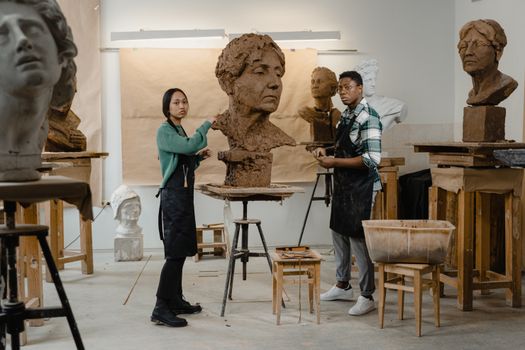 Photo: Tima Miroshnichenko / Pexels
 Photo: Landiva Weber / Pexels
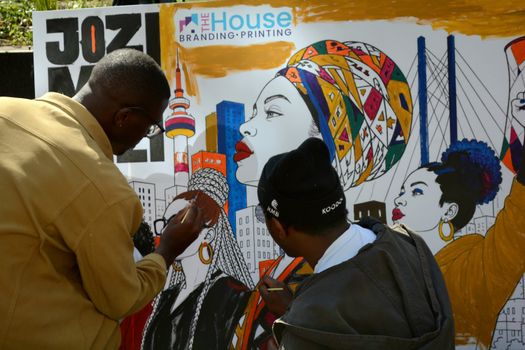 Photo: Sibusiso Manyunga / Pexels
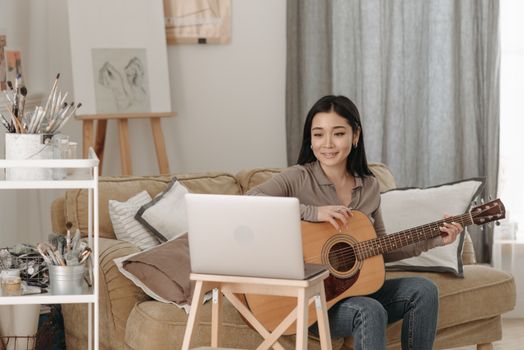 Photo: Pavel Danilyuk / Pexels