Unlock Your Creativity: Online Art Courses South Africa

Man posing joyfully in front of a vibrant graffiti wall in Pretoria, South Africa.Photo: Kevin Maenetsa / Pexels

Unlock Your Creativity: Online Art Courses South Africa

Embark on an inspiring artistic journey from the comfort of your home, guided by South Africa's leading art educators.

Start Your Art Journey Today

Key Takeaways

  • ✓ South Africa offers a diverse range of online art courses, catering to all skill levels and interests.
  • ✓ Flexibility is a key benefit, allowing students to learn at their own pace and schedule.
  • ✓ Many courses provide certification or diplomas, enhancing career prospects in the creative industry.
  • ✓ Access to high-quality instruction from experienced South African artists and educators is now more accessible than ever.

How It Works

1
Choose Your Course

Browse a wide selection of online art courses, from foundational drawing to advanced digital painting. Consider your interests, skill level, and career aspirations.

2
Enroll and Access Materials

Once enrolled, gain immediate access to course materials, including video tutorials, written lessons, assignments, and community forums. Most platforms are user-friendly.

3
Learn at Your Pace

Engage with the content when it suits you best, fitting your studies around work, family, or other commitments. Practice exercises and complete projects on your schedule.

4
Receive Feedback & Grow

Submit your artwork for constructive feedback from instructors and peers. This iterative process is crucial for refining your skills and developing your unique artistic voice.

The Evolving Landscape of Art Education in South Africa
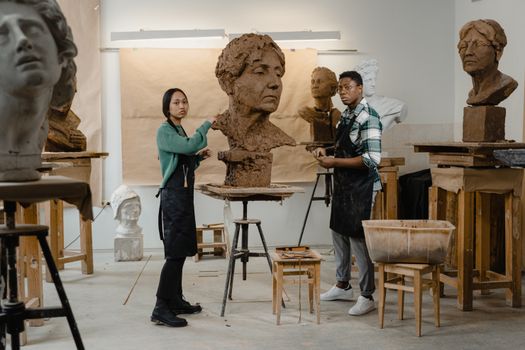
Two artists work on clay sculptures in a well-lit art studio.Photo: Tima Miroshnichenko / Pexels
The digital age has fundamentally reshaped how we learn, and the realm of arts education in South Africa is no exception. Gone are the days when access to quality art instruction was solely limited to metropolitan art schools or private studios. Today, online art courses in South Africa have democratized artistic learning, opening doors for aspiring artists, hobbyists, and professionals across the nation, from the bustling streets of Johannesburg to the serene landscapes of the Karoo. This shift isn't just about convenience; it's about inclusivity, affordability, and the ability to connect with diverse artistic perspectives without geographical constraints. For many South Africans, traditional art schools present significant barriers, including high tuition fees, relocation costs, and rigid schedules that conflict with existing work or family commitments. Online platforms dismantle these barriers, offering flexible learning pathways that cater to individual needs and circumstances. Whether you're a matriculant exploring creative career options, a stay-at-home parent rediscovering a long-lost passion, or a working professional seeking to upskill, the digital canvas awaits. The curriculum offered by these online art courses is incredibly varied. You can find programs focusing on foundational skills like drawing, painting (oil, acrylic, watercolour), and sculpture. Beyond traditional mediums, there's a growing emphasis on digital art forms, including graphic design, illustration, animation, and even 3D modelling, reflecting the demands of the contemporary creative industries. Many courses are designed by experienced South African artists and educators, ensuring that the content is not only technically sound but also culturally relevant, often drawing inspiration from the rich tapestry of South African art history and contemporary movements. Furthermore, the online environment fosters a unique sense of community. Despite the physical distance, students often engage in vibrant online forums, peer critiques, and virtual workshops, creating a supportive network that mirrors the collaborative spirit of a physical studio. This communal aspect is vital for artistic development, providing encouragement, diverse viewpoints, and opportunities for networking within the South African art scene. As we delve deeper into the specifics, it becomes clear that online art education is not merely a temporary alternative but a robust and continually evolving segment of the South African educational landscape, empowering countless individuals to unleash their creative potential and contribute to the nation's vibrant artistic heritage. The accessibility of high-speed internet, even in more remote areas, continues to expand, making these opportunities available to a broader demographic. This expansion is critical for fostering creativity across all socio-economic strata and ensuring that artistic talent is nurtured wherever it may be found. The platforms themselves are constantly evolving, incorporating new technologies like virtual reality and augmented reality to enhance the learning experience, making it more immersive and interactive. Imagine a virtual studio where you can manipulate 3D models or sketch in a shared digital space with your instructor and classmates – these innovations are becoming increasingly common, pushing the boundaries of what's possible in online art education. This section has laid the groundwork for understanding the profound impact and growing significance of online art courses in South Africa, setting the stage for a detailed exploration of specific offerings and their benefits.

Navigating Your Options: Types of Online Art Courses Available
Colorful abstract image featuring dynamic brushstrokes and vibrant hues.Photo: Engin Akyurt / Pexels
When considering online art courses in South Africa, it's crucial to understand the diverse array of options available, each tailored to different learning styles, goals, and commitment levels. This variety ensures that whether you're a complete beginner or a seasoned artist looking to refine specific techniques, there's a course perfectly suited for you. One of the primary distinctions lies between self-paced courses and instructor-led programs. Self-paced courses offer unparalleled flexibility, allowing you to access all materials immediately and progress at your own speed. These are ideal for highly self-motivated individuals who can manage their time effectively and don't require immediate, synchronous feedback. Platforms offering these often provide pre-recorded video lectures, downloadable resources, and assignment prompts, with opportunities for peer review. In contrast, instructor-led courses often follow a more structured schedule, with live virtual classes, weekly assignments, and direct interaction with an instructor. While less flexible, they provide a more guided and accountable learning experience, often culminating in direct feedback on your projects. These can be particularly beneficial for beginners who need more structured guidance or for those pursuing specific certifications. Another key differentiator is the focus of the course. Foundational art courses are excellent starting points, covering basics like perspective, composition, colour theory, and anatomical drawing. These are essential for building a strong artistic vocabulary, regardless of the medium you eventually choose. For those with a specific interest, specialized courses delve into particular mediums or techniques. You'll find dedicated courses for oil painting, watercolour, acrylics, pastels, charcoal drawing, and even niche areas like botanical illustration or portraiture. Digital art has seen an explosion of online offerings, including courses on Adobe Photoshop, Illustrator, Procreate, Clip Studio Paint, Blender for 3D art, and various animation software. These courses are vital for anyone looking to enter the burgeoning digital creative industries, from graphic design to game development. Furthermore, some institutions offer accredited diplomas or certificates that carry formal recognition. These are often more intensive and comprehensive, designed to provide a well-rounded art education that can lead to career opportunities or further academic study. Non-accredited courses, while still valuable for skill development, might be more suited for hobbyists or those seeking to learn a specific skill without the need for formal qualifications. When selecting a course, consider the teaching methodology. Do you prefer video lectures, written tutorials, hands-on projects, or a blend of all? Evaluate the instructor's background and teaching style. Many online platforms allow you to preview course content or read testimonials, giving you insight into what to expect. Look for courses that emphasize practical application, providing opportunities to create and receive feedback on your own artwork. The best online art courses in South Africa blend theoretical knowledge with practical exercises, ensuring that you not only understand concepts but can also apply them effectively. Finally, consider the community aspect. Some platforms offer robust forums, private social media groups, or even virtual meetups, allowing you to connect with fellow students and instructors. This peer interaction can be invaluable for motivation, inspiration, and expanding your artistic network. By carefully evaluating these various types and features, you can make an informed decision and choose an online art course that truly aligns with your artistic aspirations and learning preferences, ensuring a rewarding and enriching educational experience.

Maximizing Your Online Art Learning Experience: Tips and Resources
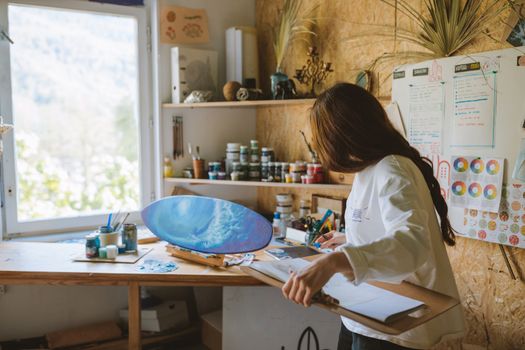
Woman artist painting a blue ocean scene on a skateboard in a cozy art studio.Photo: Yaroslav Shuraev / Pexels
Embarking on online art courses in South Africa is an exciting venture, but success often hinges on how effectively you approach the learning process. Unlike traditional classroom settings, online learning demands a greater degree of self-discipline, organization, and proactive engagement. However, with the right strategies and resources, you can transform your home into a vibrant studio and truly thrive. Firstly, establish a dedicated workspace. This doesn't need to be a grand studio; even a corner of a room with good lighting and minimal distractions can suffice. Having a consistent space signals to your brain that it's time to focus on art, helping to cultivate a routine. Ensure you have all the necessary materials before starting a module. If it's a digital art course, confirm your software is updated and your hardware (tablet, stylus) is functioning correctly. For traditional mediums, stock up on paints, brushes, canvases, and other supplies. Being prepared minimizes interruptions and keeps your creative flow uninterrupted. Time management is paramount. Treat your online lessons like scheduled appointments. Allocate specific blocks of time each week for watching tutorials, practicing techniques, and working on assignments. Break down larger projects into smaller, manageable tasks to avoid feeling overwhelmed. Utilize productivity tools like calendars or task managers to keep track of deadlines and learning goals. Don't underestimate the power of community. Actively participate in online forums, discussion groups, or virtual critiques offered by your course. Engaging with instructors and fellow students provides invaluable feedback, diverse perspectives, and a sense of camaraderie. Learning from others' experiences and mistakes, as well as sharing your own, accelerates your growth. Constructive criticism, even if initially challenging, is a cornerstone of artistic development. Beyond the course material, seek out additional resources. The internet is a treasure trove of artistic inspiration and instruction. Explore art history websites, watch documentaries about famous artists, visit virtual museum tours, and follow contemporary artists on social media. These external inputs can broaden your artistic horizons and spark new ideas for your projects. Experimentation is key to developing your unique style. Don't be afraid to deviate from the exact instructions once you've grasped the core concepts. Play with different colour palettes, explore alternative compositions, or try new techniques. This playful approach keeps the learning process exciting and personal. Document your progress consistently. Keep a digital or physical sketchbook where you regularly practice, jot down ideas, and reflect on your learning. Take photos of your finished projects and even works in progress. Looking back at your journey can be incredibly motivating and helps you identify areas of improvement. Finally, be patient with yourself. Artistic mastery is a journey, not a destination. There will be moments of frustration and self-doubt. Embrace these as part of the learning process. Celebrate small victories, learn from setbacks, and always maintain a curious and open mindset. By implementing these strategies, your experience with online art courses in South Africa will not only be educational but also deeply fulfilling, leading to significant artistic growth and the development of a lifelong creative practice. Continuous learning in art is a rewarding pursuit that enriches your life in countless ways. Remember that the flexibility of online learning means you can revisit challenging lessons as often as needed, reinforcing concepts at your own pace. This self-directed repetition is a powerful tool for skill acquisition that is often unavailable in traditional, time-constrained learning environments. Leverage this advantage to truly embed complex techniques and theories into your artistic practice. The more you engage, the more you will gain.

Choosing the Right Online Art Course: Essential Considerations
Students intensely focused on writing during a classroom activity, demonstrating concentration and study.Photo: Roxanne Minnish / Pexels
Selecting the perfect online art courses in South Africa requires careful consideration to ensure your investment of time and money yields the best possible results. With a plethora of options available, it can be daunting to pinpoint the one that truly aligns with your aspirations. Here are some essential factors to guide your decision-making process: * **Accreditation and Recognition:** For those pursuing art as a career or seeking formal qualifications, accreditation is crucial. Look for courses offered by reputable institutions or platforms that provide recognized certificates or diplomas. Verify if the qualification is acknowledged by relevant industry bodies or higher education institutions in South Africa. While non-accredited courses can be excellent for skill development, they may not carry the same weight for professional portfolios or academic progression. * **Instructor Expertise and Teaching Style:** The quality of instruction is paramount. Research the instructors' backgrounds, artistic experience, and teaching philosophies. Many platforms provide bios and even sample lessons. Do their teaching methods resonate with your learning style? Are they experienced artists themselves, and can they articulate complex concepts clearly? An engaging and knowledgeable instructor can make a significant difference to your learning journey. * **Course Content and Curriculum Depth:** Scrutinize the course syllabus. Does it cover the topics you're interested in? Is the curriculum well-structured, progressing logically from foundational concepts to advanced techniques? Look for a balance between theoretical knowledge and practical application. A good course will include hands-on projects, assignments, and opportunities to apply what you've learned. Avoid courses that seem superficial or overly broad without sufficient depth. * **Feedback and Support Mechanisms:** One of the biggest advantages of online learning is personalized feedback. Inquire about the nature of feedback provided – is it from the instructor, peers, or automated? How often is it given, and how detailed is it? Also, assess the availability of support channels, such as Q&A forums, direct messaging with instructors, or technical support. Robust support can prevent frustration and keep you motivated. * **Technology and Platform Usability:** The learning platform itself should be intuitive and reliable. Is it easy to navigate? Are video lessons high-quality and accessible? Does it support the necessary software for digital art courses? Ensure your internet connection and device capabilities are compatible with the platform's requirements. A clunky or unreliable platform can significantly detract from the learning experience. * **Cost and Value for Money:** Online art courses in South Africa vary widely in price. Compare tuition fees, considering what's included: materials, software access, instructor support, and certification. Be wary of courses that seem too cheap, as they might lack depth or quality, but also don't assume the most expensive option is automatically the best. Look for a balance of quality content, expert instruction, and reasonable pricing. * **Student Testimonials and Reviews:** Before committing, read reviews and testimonials from past students. Look for consistent themes regarding course effectiveness, instructor quality, and overall satisfaction. While individual experiences vary, a pattern of positive feedback is a strong indicator of a reputable course. This due diligence will help you make an informed decision and embark on a fulfilling artistic journey.

Comparison

FeatureSA Art Academy Online (Example)Digital Art Institute (Example)Creative Canvas Hub (Example)
Focus AreasTraditional mediums, fine art, art historyDigital painting, graphic design, animationMixed media, illustration, creative expression
AccreditationRecognized Diploma (SAQA aligned)Industry-recognized CertificateNon-accredited, skill-based
Instructor FeedbackWeekly 1-on-1 sessionsForum-based, project critiquesPeer review & occasional instructor input
FlexibilityStructured, live virtual classesSelf-paced with deadlinesCompletely self-paced
CommunityActive student forums & virtual meetupsDiscord server for studentsPrivate Facebook group
Price Range (ZAR)R5,000 - R15,000+R2,500 - R8,000R500 - R3,000

What Our Readers Say

5 ★★★★★

"I never thought I could learn to paint online, but the 'Foundations of Oil Painting' course through online art courses South Africa changed everything. The instructors are incredibly supportive, and the video lessons are crystal clear. I've produced pieces I'm truly proud of!"

5 ★★★★★

"As a busy professional, the flexibility of these online art courses in South Africa was a game-changer. I could study digital illustration in the evenings, and the feedback on my assignments was always constructive and timely. Highly recommend for anyone balancing work and passion."

5 ★★★★★

"After completing the 'Graphic Design for Beginners' course, I was able to create a stunning portfolio that helped me land a freelance gig. The practical skills I gained from these online art courses South Africa were directly applicable to real-world projects, leading to tangible career progress."

4 ★★★★☆

"The content for my 'Character Design' course was fantastic, and I learned so much. Sometimes the platform was a bit slow, but the quality of instruction and the community support more than made up for it. I appreciate the emphasis on South African artistic influences."

5 ★★★★★

"I'm a pensioner who always wanted to learn watercolour. The self-paced online art courses in South Africa allowed me to explore at my leisure, without any pressure. It's been such a joyful way to spend my retirement, connecting with my creative side."

Frequently Asked Questions

Are online art courses in South Africa recognized for formal qualifications?
Yes, many online art courses offered by reputable South African institutions or through accredited platforms provide recognized certificates or diplomas. It's essential to check the specific course's accreditation details and verify if it aligns with your career or academic goals. Some courses are skill-based and excellent for personal development, while others carry formal academic weight.
Will I get personalized feedback on my artwork in an online course?
Most quality online art courses in South Africa include mechanisms for personalized feedback. This can come from the instructor through direct critiques, live virtual sessions, or written comments on submitted assignments. Many courses also foster peer-to-peer feedback within online communities, which can be incredibly valuable for diverse perspectives and learning from others.
How do I choose the right online art course for my skill level?
Start by identifying your current skill level – are you a complete beginner, intermediate, or advanced? Look for courses explicitly labeled for your level. Read the prerequisites and course descriptions carefully. Most platforms offer introductory courses for foundational skills, while others focus on advanced techniques or specific artistic styles. Don't hesitate to contact the course provider if you're unsure.
What is the typical cost range for online art courses in South Africa?
The cost of online art courses in South Africa varies significantly, ranging from a few hundred Rand for short, self-paced workshops to R15,000 or more for comprehensive diploma programs. Factors influencing cost include accreditation, course duration, instructor expertise, and the level of support provided. Always compare course content and value for money, not just the price tag.
Are online art courses as effective as traditional in-person classes?
Online art courses can be just as effective, and sometimes even more so, than traditional classes, especially for self-motivated learners. They offer unparalleled flexibility, access to a wider pool of instructors, and often more personalized feedback opportunities. While the immediate, hands-on interaction of a physical studio is different, online platforms excel in providing detailed, repeatable lessons and fostering a strong virtual community.
Who should consider taking online art courses in South Africa?
Online art courses are ideal for a broad spectrum of individuals: aspiring artists wanting to build foundational skills, hobbyists looking to explore new mediums, professionals seeking to upskill or pivot careers in creative fields, and anyone with geographical or time constraints preventing them from attending traditional art schools. They cater to all ages and experience levels, offering accessible pathways to artistic development.
What kind of equipment or software do I need for online art courses?
The requirements depend entirely on the course. For traditional art courses, you'll need art supplies relevant to the medium (e.g., paints, brushes, paper). For digital art courses, a computer or tablet, graphic tablet, and specific software (e.g., Adobe Photoshop, Procreate, Blender) are typically required. Always check the course description for a detailed list of necessary materials and software.
What are the future trends for online art education in South Africa?
Future trends in online art education in South Africa are likely to include increased integration of immersive technologies like VR/AR for virtual studio experiences, more specialized niche courses catering to emerging art forms (e.g., AI art, NFTs), personalized learning paths driven by AI, and stronger industry partnerships to ensure curricula remain relevant to the evolving creative economy. Accessibility and inclusivity will continue to be key drivers.

Ready to ignite your artistic passion and develop valuable creative skills? Explore the diverse and enriching world of online art courses in South Africa today. Whether you're a beginner or an experienced artist, there's a perfect program waiting to help you unlock your full creative potential and contribute to South Africa's vibrant art scene.

Topics: online art courses south africaart education online ZAstudy art from homedigital art courses South Africacreative skills development