Unveiling the Profound meaning of traditional african masks
meaning of traditional african masks

Unveiling the Profound meaning of traditional african masks

Explore the rich cultural heritage and spiritual significance embedded within the captivating artistry of African masks.

Explore Their Stories

Key Takeaways

  • ✓ African masks are not merely decorative objects; they are sacred instruments.
  • ✓ Each mask embodies a spirit, ancestor, or natural force, granting its wearer transformative power.
  • ✓ The materials used in mask creation often hold symbolic meaning themselves.
  • ✓ Masks play crucial roles in initiation rites, funerals, harvest festivals, and healing ceremonies.

How It Works

1
Crafting the Sacred Form

Artisans meticulously carve masks from wood, often incorporating other materials like shells, beads, or metal. The creation process itself is a spiritual act, imbued with tradition.

2
Embodying the Spirit

During ceremonies, a chosen dancer, often a diviner or elder, dons the mask. This act transforms them into the entity the mask represents, transcending their individual identity.

3
Performing the Ritual

Accompanied by music, dance, and chanting, the masked figure performs specific movements. These rituals serve to communicate with the spirit world, impart wisdom, or ensure community well-being.

4
Returning to the Mundane

Once the ceremony concludes, the mask is often carefully stored, sometimes in sacred spaces, until its next use. It reverts to being an object, awaiting its next spiritual awakening.

The Multifaceted Symbolism Behind African Mask Artistry
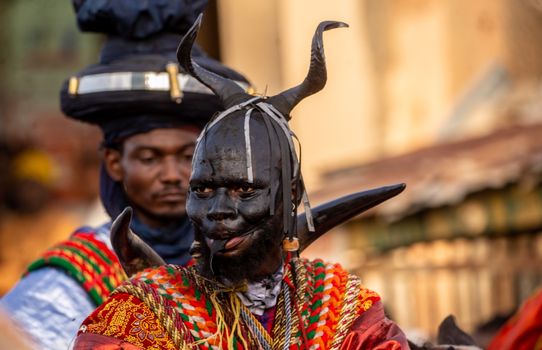
Vibrant African traditional festival featuring cultural costumes and masks in Katsina, Nigeria. Photo: Sani Maikatanga / Pexels
Traditional African masks are far more than mere artistic creations; they are profound conduits of culture, spirituality, and communal identity. Understanding the meaning of traditional African masks requires looking beyond their aesthetic appeal and delving into the intricate belief systems they represent. Each curve, colour, material, and indeed, the entire form of a mask, is steeped in symbolism that communicates complex narratives, societal values, and spiritual truths. These masks often serve as tangible representations of ancestors, deities, nature spirits, or mythical heroes, acting as intermediaries between the physical and spiritual realms. For many African communities, the mask is not just an object; it is an active participant in rituals, a living entity that embodies the spirit it represents when worn by a dancer. The symbolism extends to the materials chosen for mask creation. Hardwoods like ebony or iroko often signify strength, resilience, and connection to the earth. Softer woods might be used for masks associated with gentler spirits or fertility. Adornments such as cowrie shells, historically used as currency, can symbolise wealth, prosperity, or fertility. Beads, feathers, animal horns, and plant fibres are not merely decorative; they carry specific meanings related to status, power, protection, or the natural world. For instance, feathers might connect the wearer to the sky or birds, creatures often seen as messengers. The colours applied to masks also hold significant symbolic weight. Red can represent life, vitality, aggression, or sacrifice; white often signifies purity, wisdom, or ancestral spirits; black might symbolise mystery, the unknown, or the underworld; and blue or green can be linked to water, fertility, or healing. The intricate scarification patterns or painted designs on a mask's face often mimic real tribal markings, signifying lineage, initiation, or social status, further embedding the mask within the community's cultural fabric. These layers of meaning transform the mask into a rich tapestry of visual communication, speaking volumes to those initiated into its language. Moreover, the expressiveness of the mask's features – exaggerated eyes, elongated noses, prominent mouths – are not accidental. They are deliberate choices designed to evoke specific emotions or embody particular characteristics of the spirit or entity being portrayed. Wide, staring eyes might represent vigilance, omniscience, or a connection to the spirit world. A closed mouth could indicate secrecy or a contemplative nature, while an open, baring-teeth mouth might symbolise aggression or power. The overall shape of the mask also contributes to its meaning; some masks are highly abstract, deliberately distorting human features to represent non-human entities, while others are more naturalistic, aiming to capture the essence of an ancestor or a specific animal. The combination of all these elements – material, colour, form, and feature – coalesce to create a powerful symbolic object whose meaning resonates deeply within the community, guiding rituals, reinforcing social structures, and transmitting knowledge across generations. The meaning of traditional African masks is thus a dynamic and living tradition, constantly interpreted and reinterpreted through performance and communal engagement.

The Spiritual and Social Functions of African Masks in Ritual
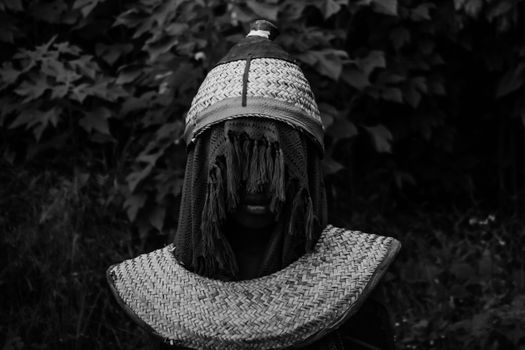
A striking black and white portrait showcasing traditional African attire and cultural heritage. Photo: Mukhtar Shuaib Mukhtar / Pexels
The profound meaning of traditional African masks is most vividly expressed through their integral role in spiritual and social rituals. These masks are not static art pieces for display; they are dynamic instruments of transformation, central to the maintenance of cosmic order, community cohesion, and individual well-being. In many African societies, masks are believed to be the temporary dwelling places of spirits, ancestors, or deities. When a skilled dancer dons a mask, they are believed to transcend their individual identity and become possessed by, or embody, the spirit that the mask represents. This transformation is a sacred act, allowing the spirit world to interact directly with the human realm, offering guidance, blessings, or warnings. Masks play crucial roles in a wide array of ceremonies, each with specific spiritual and social functions. For instance, in initiation rites, masks are used to guide young individuals through their transition from childhood to adulthood, teaching them the traditions, values, and responsibilities of their community. The masked figures might represent powerful elders or ancestral spirits, instilling respect for tradition and discipline. During funerals, masks can be used to escort the deceased's spirit to the afterlife, comfort the bereaved, or ensure a peaceful transition for the community. They might embody ancestral spirits who welcome the new arrival or ward off malevolent forces. In healing ceremonies, certain masks are believed to possess curative powers, called upon to diagnose illnesses, cleanse individuals, or restore balance to the community. Beyond these deeply spiritual functions, masks also serve vital social roles. They are often central to harvest festivals, giving thanks for bountiful crops and ensuring future prosperity. In some societies, masked figures act as social enforcers, maintaining law and order, arbitrating disputes, or punishing transgressions. They can personify justice, wisdom, or the collective will of the community, their anonymity lending them an impartial authority. Political power is also frequently expressed through masked performances, particularly in societies where leadership is tied to spiritual authority. The mask, in these contexts, legitimises the decisions of leaders and reinforces hierarchical structures. The communal viewing and participation in these masked rituals strengthen social bonds, reinforce shared values, and transmit cultural knowledge from one generation to the next. The meaning of traditional African masks is therefore inseparable from their active participation in these life-affirming and community-defining events, serving as living testaments to the enduring power of tradition and belief.

Regional Variations and the Diverse meaning of traditional african masks
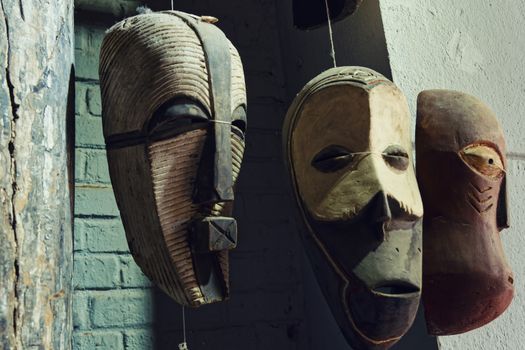
Authentic African masks showcased on a rustic brick wall in a Beijing gallery. Perfect for cultural exhibitions. Photo: Eric Prouzet / Pexels
The vast continent of Africa is home to thousands of distinct ethnic groups, each with its unique cultural practices, spiritual beliefs, and, consequently, its own interpretation of the meaning of traditional African masks. While general themes of ancestral veneration, spiritual communication, and social regulation are common, the specific forms, functions, and symbolism of masks vary dramatically from one region to another, and even between neighbouring villages. This rich diversity underscores the dynamic and localised nature of African artistic traditions. Exploring these regional variations offers a deeper appreciation for the nuanced narratives embedded within mask artistry. For instance, in West Africa, particularly among groups like the Dan, Baule, Senufo, and Mende, masks often exhibit refined craftsmanship and a strong emphasis on anthropomorphic features. The Dan people of Liberia and Côte d'Ivoire create masks (such as the 'Deangle' and 'Gunyege') that represent various spirits, often associated with beauty, wisdom, or the maintenance of social order. These masks are frequently characterised by smooth, polished surfaces, idealised human features, and sometimes elaborate coiffures. The Mende of Sierra Leone are famous for their 'Sowei' masks, which are unique in being worn by women. These masks, with their intricately carved coiffures and serene, downcast eyes, symbolise feminine beauty, wisdom, and the ideals of womanhood, used in initiation ceremonies for young girls. In contrast, the Baule people of Côte d'Ivoire create elegant 'Goli' masks, which are part of a four-stage dance cycle, each stage representing different aspects of the community's spiritual and social life, from fierce protective spirits to benevolent ancestral figures. Moving to Central Africa, groups like the Luba, Songye, and Lega exhibit different aesthetic and symbolic approaches. The Songye people of the Democratic Republic of Congo produce powerful 'Kifwebe' masks, characterised by striking geometric patterns and striped surfaces, which are believed to harness powerful spiritual energy to protect the community and enforce social norms. The Lega people, also from DRC, are known for their highly abstract 'Bwami' society masks, often made from wood, ivory, or bone. These masks are not worn over the face but are displayed and held during elaborate initiation rites, serving as mnemonic devices for teaching ethical values and philosophical principles. Their meaning is often revealed through proverbs and parables, making them central to the transmission of knowledge within the secret society. The meaning of traditional African masks is thus not a monolithic concept but a kaleidoscope of beliefs, practices, and artistic expressions that reflect the incredible cultural tapestry of the continent. Understanding these regional differences is crucial to truly appreciating the depth and breadth of African mask traditions and their profound significance in global art history.

Preserving and Appreciating the Heritage of African Masks
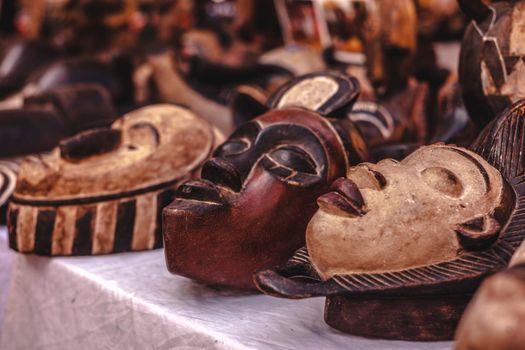
Carved wooden masks with intricate designs displayed at a vibrant market. Photo: Francesco Paggiaro / Pexels
The appreciation of traditional African masks has unfortunately often been marred by misinterpretation, colonial appropriation, and a lack of understanding regarding their true meaning and function. For centuries, many Western collectors viewed these powerful objects primarily as 'primitive art' or curiosities, stripping them of their spiritual and cultural context. Today, there's a growing global effort to re-contextualise, preserve, and genuinely appreciate the heritage embedded in these magnificent creations. This involves not only understanding the meaning of traditional African masks but also supporting the communities that continue these traditions. One significant challenge is the ethical acquisition and repatriation of masks. Many masks were taken from their original communities during colonial periods, often under duress, and now reside in Western museums and private collections. Discussions around repatriation are vital, aiming to return these sacred objects to their rightful owners and allow them to resume their intended spiritual and cultural roles. Beyond repatriation, supporting contemporary African artisans who continue to carve and perform with masks is crucial. This helps sustain the traditional knowledge, skills, and practices that are essential for the survival of these art forms. Educational initiatives also play a key role, informing a global audience about the profound significance of these masks, moving beyond superficial aesthetic appreciation to a deeper understanding of their cultural narratives. Another aspect of preservation involves documenting the stories and rituals associated with specific masks. As elders pass on, so too can invaluable knowledge about the meaning, usage, and history of particular masks. Anthropologists, art historians, and community members are working together to record these oral traditions, ensuring that the intricate layers of meaning are not lost to future generations. This documentation also helps combat the proliferation of inauthentic 'tourist masks' that, while sometimes beautiful, often lack the spiritual depth and traditional carving techniques of genuine ritual masks. While these commercial pieces can offer economic benefits, it's important to distinguish them from the sacred objects that are central to traditional practices. Finally, appreciating the heritage of African masks means recognising their ongoing relevance. Many communities in Africa continue to create and use masks in their ceremonies, adapting traditions to contemporary realities while maintaining core spiritual values. These masks are not relics of the past; they are living testaments to enduring cultural identity, resilience, and spiritual connection. By fostering respectful engagement, supporting ethical practices, and promoting genuine understanding, we can contribute to the preservation and rightful appreciation of the profound meaning of traditional African masks, ensuring their legacy endures for centuries to come.

Comparison

FeatureTraditional African MaskModern Decorative MaskAncient European Mask
Primary PurposeRitual/SpiritualAesthetic/DecorTheatrical/Ceremonial
Symbolism DepthProfound, multi-layeredLimited, often stylisticContext-specific, historical
Wearer's RoleTransformed into spiritExhibition of identityCharacter portrayal
Community ImpactIntegral to social cohesionMinimalCultural storytelling

What Readers Say

"This article beautifully articulated the true meaning of traditional African masks. I've always seen them in museums, but now I understand their deep spiritual and community roles. Truly enlightening!"

Naledi Mokoena · Johannesburg, ZA

"As someone who grew up hearing stories about masks, this piece validated and expanded my knowledge. The regional variations section was particularly fascinating and well-researched."

Thabo Nkosi · Cape Town, ZA

"I used this article for a school project on African art, and it was incredibly helpful. My presentation got top marks because I could explain the cultural meaning of traditional African masks so clearly. Thank you!"

Zola Dlamini · Durban, ZA

"A very comprehensive guide. While I appreciated the depth, I would have loved to see more specific examples of masks from South African tribes, given the regional focus. Still, an excellent read."

Lerato Khumalo · Pretoria, ZA

"This content is a must-read for anyone interested in African heritage. It shifted my perspective from viewing masks as mere artifacts to understanding them as living cultural entities. Highly recommended!"

Sipho Radebe · Gqeberha, ZA

Frequently Asked Questions

What is the primary meaning of traditional African masks?

The primary meaning of traditional African masks lies in their role as spiritual conduits and ritualistic instruments. They are believed to embody spirits, ancestors, or deities, allowing communication between the human and spiritual worlds, and playing vital roles in ceremonies like initiations, funerals, and healing rites.

Are all African masks used for the same purpose?

No, African masks have incredibly diverse purposes. While many share themes of spiritual connection, their specific functions vary widely by ethnic group and region, ranging from social enforcement and judicial roles to celebrating harvests, guiding rites of passage, or simply entertaining.

How are traditional African masks made?

Traditional African masks are typically hand-carved from wood, often by skilled artisans who follow generational techniques. They are then adorned with a variety of materials such as pigments, beads, shells, feathers, metal, and plant fibres, each element carefully chosen for its symbolic meaning and aesthetic impact.

What is the value or significance of owning a traditional African mask?

For traditional communities, the value of a mask is in its spiritual and ritualistic efficacy. For collectors, the value can be historical, artistic, and monetary. However, true appreciation lies in understanding its cultural context and the profound meaning it holds for its originating community.

How do traditional African masks differ from other types of masks globally?

Unlike many masks globally that might be purely theatrical or decorative, traditional African masks are almost universally imbued with spiritual power and are central to communal ritual life. They often transform the wearer into the entity represented, blurring the lines between art, religion, and social function.

Who typically wears traditional African masks?

Traditional African masks are typically worn by specially chosen individuals, often elders, diviners, or members of secret societies, who are trained in the associated rituals and dances. These individuals are believed to be capable of embodying the spirit the mask represents.

Is it safe to collect traditional African masks?

Collecting authentic traditional African masks should be done ethically, ensuring they were not looted or illegally exported. It's important to buy from reputable dealers who can provide provenance, and to understand that some masks may carry spiritual significance that requires respectful handling.

What is the future trend for the meaning of traditional African masks?

The future trend involves increased efforts towards repatriation of masks to their communities of origin, greater global recognition of their cultural significance, and continued innovation by contemporary African artists who draw inspiration from these rich traditions while also creating new forms and meanings.

Delve deeper into the captivating world of African artistry and culture. By understanding the profound meaning of traditional African masks, you connect with centuries of wisdom, spirituality, and communal identity. Explore, learn, and appreciate this extraordinary heritage.

Topics: meaning of traditional african masksafrican mask symbolismafrican art historytraditional African culturespiritual masks Africa
Leo List

IE Escorts NO Escorts US Escorts NZ Escorts AU Escorts
Brampton weed
Adultwork EstrelaBet Vai de Bet R7 Bet Betão Galera Bet Rainbet Bet9ja Shop SportyBet BetKing Sisal Loto Foot Hollywoodbets YesPlay Odibets RushBet Jugabet BetWarrior BetCity MSport betPawa Fortebet