
Unveiling the Profound Meaning of Traditional African Art
Explore the rich narratives, spiritual connections, and societal roles embedded within Africa's ancient artistic expressions.
Begin Your JourneyKey Takeaways
- ✓ Traditional African art is primarily functional, serving spiritual, social, and political roles rather than purely aesthetic ones.
- ✓ Symbolism is paramount, with every line, colour, and form carrying specific cultural or spiritual meaning.
- ✓ It is often created anonymously, emphasizing the communal value and spiritual purpose over individual authorship.
- ✓ Many forms are transient, designed for specific rituals or ceremonies and not intended for permanent display.
How It Works
Pay attention to the shape, material, and overall structure of the artwork. These elements often hint at its origin and primary function.
Look for recurring motifs, patterns, or figures. These are often symbolic representations of deities, ancestors, animals, or social status.
Research the ethnic group, region, and historical period from which the art originates. Context is crucial for deciphering its purpose and message.
Determine if the art was used in rituals, ceremonies, storytelling, or as a symbol of power. Its utility often defines its meaning.
The Spiritual and Utilitarian Core of African Art
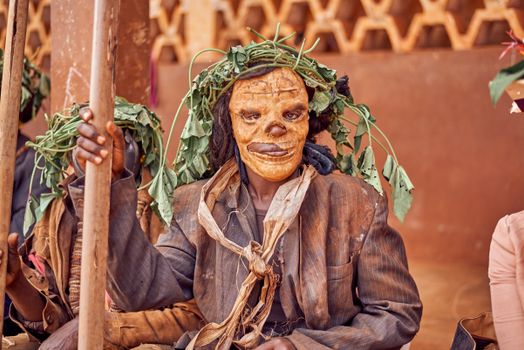 Photo: Xavier Messina / Pexels
Symbolism and Iconography: Decoding the Visual Language
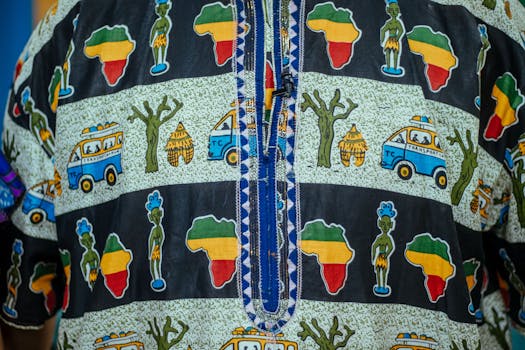 Photo: Luis Quintero / Pexels
Regional Diversity and Enduring Legacy in Southern Africa
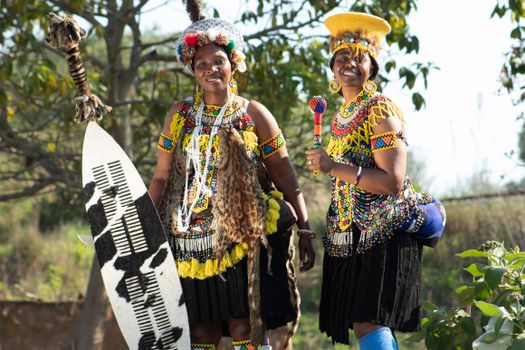 Photo: Nokuthokoza Dlamini / Pexels
Misconceptions and Tips for Appreciation
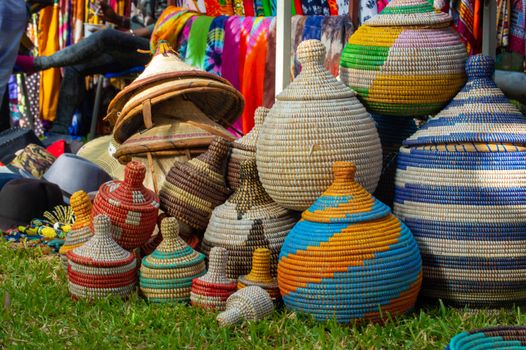 Photo: The Gambia / Pexels
Comparison
| Aspect | Traditional African Art | Western Fine Art (Historical) | Contemporary Art (Global) |
|---|---|---|---|
| Primary Purpose | Functional, spiritual, social | Aesthetic, patronage, individual expression | Conceptual, diverse, often critical |
| Authorship | Often anonymous, communal | Attributed to individual artists | Attributed to individual artists/collectives |
| Symbolism | Highly symbolic, culturally specific | Symbolic, but often allegorical or narrative | Varied, often personal or political |
| Context | Integrated into daily life & ritual | Displayed in galleries, private collections | Displayed in diverse public/private spaces |
| Materials | Natural, locally sourced (wood, clay, fiber) | Oil paint, marble, bronze, canvas | Diverse, often unconventional |
| Evolution | Gradual, tradition-bound | Stylistic movements, innovation-driven | Rapid, experimental, often transgressive |
| Meaning | Deeply embedded in community belief systems | Often personal interpretation, art historical context | Open to interpretation, often requiring artist statement |
What Readers Say
"This article truly opened my eyes to the meaning of traditional African art. I always saw the beauty but never understood the depth of the symbolism in Zulu beadwork until now. It's truly inspiring!"
Thandi Mkhize · Durban, KZN"As an art student, this piece is invaluable. The detailed explanations of functionality and spiritual connection completely shifted my perspective on traditional African sculptures. Highly recommend!"
Sipho Dlamini · Johannesburg, GP"I've always been fascinated by Xhosa culture, and this article perfectly articulated the profound meaning behind their traditional attire and symbolism. I feel much more connected to my heritage after reading this."
Naledi Ntuli · Cape Town, WC"An excellent overview, though I would have loved even more specific examples from lesser-known Southern African groups. Nonetheless, it's a fantastic starting point for understanding the core meaning of traditional African art."
David van der Merwe · Pretoria, GP"Even from outside South Africa, the principles discussed here resonate deeply with our own Shona artistic traditions. It beautifully captures the spiritual essence and communal purpose that defines so much of traditional African art."
Lindiwe Moyo · Harare, ZimbabweFrequently Asked Questions
What is the primary meaning of traditional African art?
The primary meaning of traditional African art is often functional and spiritual, rather than purely aesthetic. It serves as a vital tool for communicating with ancestors, facilitating rituals, maintaining social order, and preserving cultural histories, with every element carrying symbolic weight.
Is traditional African art considered 'primitive'?
No, the notion that traditional African art is 'primitive' is a misconception stemming from colonial biases. Its abstract and stylized forms are deliberate artistic choices, reflecting sophisticated spiritual beliefs and complex cultural systems, not a lack of artistic skill.
How can I better understand the symbolism in African art?
To better understand the symbolism, research the specific ethnic group and region of the art, as meanings vary. Pay attention to recurring motifs, colours, and forms, as these often represent deities, ancestors, human virtues, or natural elements within that culture's belief system.
Does traditional African art have monetary value?
While its original value was spiritual and cultural, many traditional African artworks are highly prized in the global art market for their historical significance, artistic merit, and rarity. Their monetary value is often determined by provenance, age, condition, and the reputation of the artist or cultural group.
How does traditional African art differ from Western art?
Traditional African art typically differs from historical Western art in its emphasis on functionality over pure aesthetics, communal authorship over individual fame, and its deep integration into spiritual and social life rather than being solely for display. It's a living part of culture.
Who should learn about the meaning of traditional African art?
Anyone interested in cultural history, anthropology, art history, or seeking a deeper understanding of human expression and spirituality should learn about the meaning of traditional African art. It offers invaluable insights into diverse worldviews and artistic ingenuity.
Are there any risks in collecting traditional African art?
Ethical risks exist, particularly concerning provenance. Ensure pieces are legally obtained and not looted or trafficked. Also, be aware that some pieces may have been created for specific spiritual purposes and should be treated with respect, even if no longer in their original context.
What is the future trend for traditional African art?
The future trend sees increased global recognition and appreciation for traditional African art, with a growing focus on ethical collecting, repatriation efforts, and its influence on contemporary African and global art. Digital archiving and educational initiatives are also making it more accessible.
Embark on a captivating journey to understand the profound meaning of traditional African art. Let these ancient forms and symbols connect you to a rich tapestry of history, spirituality, and human ingenuity, enriching your perspective on the world's diverse artistic heritage.