Unlocking Value: Investment Art South Africa Guide
investment art South Africa

Unlocking Value: Investment Art South Africa Guide

Navigate the dynamic South African art market and make informed decisions for a rewarding art investment journey.

Start Your Art Investment

Key Takeaways

  • ✓ The South African art market has shown consistent growth, attracting both local and international investors.
  • ✓ Investment art can offer portfolio diversification and potential long-term capital appreciation.
  • ✓ Authenticity, provenance, and condition are paramount for art valuation.
  • ✓ Emerging artists in South Africa present unique opportunities for early investment.

How It Works

1
Research and Education

Understand the South African art landscape, key artists, and market trends. Educate yourself on different art forms and investment strategies.

2
Define Your Strategy

Determine your investment goals, risk tolerance, and budget. Decide whether to focus on established masters, mid-career, or emerging artists.

3
Acquire Art Wisely

Source art through reputable galleries, auctions, and art fairs. Always verify authenticity, provenance, and condition with expert advice.

4
Portfolio Management

Properly insure, store, and maintain your art collection. Regularly review market trends and consider professional valuations for your assets.

Understanding the South African Art Market Landscape

Art exhibition display in a subway with people using escalators. Photo: Matheus Bertelli / Pexels
The South African art market is a vibrant and increasingly sophisticated ecosystem, offering compelling opportunities for both seasoned collectors and new investors. It's a landscape rich with history, cultural diversity, and a burgeoning contemporary scene that continues to capture global attention. Unlike traditional financial markets, art investment offers a unique blend of aesthetic pleasure and potential financial returns, often acting as a tangible asset that can provide diversification to an investment portfolio. The growth of this market has been fueled by several factors, including a rising affluent class, increased international exposure for South African artists, and a growing appreciation for the unique narratives and artistic expressions emerging from the continent. Major art fairs like FNB Art Joburg and Investec Cape Town Art Fair have played a crucial role in showcasing local talent and attracting international buyers, thereby boosting demand and prices for South African art. Furthermore, dedicated art institutions, reputable galleries, and auction houses such as Strauss & Co, Aspire Art, and Stephan Welz & Co. have established robust platforms for buying and selling, ensuring transparency and professional standards. These institutions are vital for market liquidity and price discovery, providing a reliable environment for art transactions. Investors looking into investment art South Africa must recognise that this market, while promising, requires diligent research and a nuanced understanding of its dynamics. Key segments include historical and modern masters, contemporary art, and emerging artists. Each segment presents different risk-reward profiles and liquidity characteristics. For instance, works by established masters like Irma Stern, Alexis Preller, and Gerard Sekoto command significant prices and offer relative stability, while contemporary artists might offer higher growth potential but also carry more inherent risk. The digital age has also brought about new avenues, with online platforms making art more accessible, though due diligence remains paramount. Understanding the regulatory environment, including export restrictions for certain heritage items, is also crucial for investors. The intersection of art and investment in South Africa is not merely about financial gain; it's also about cultural preservation, supporting artistic talent, and contributing to the national artistic narrative. This dual benefit makes investment art a truly unique and rewarding pursuit for those willing to immerse themselves in its complexities. Explore more about the broader art world to contextualize the South African market.

Strategies for Building a Profitable Art Portfolio

Young woman strolling in city street carrying a portfolio case and notebook. Photo: Felicity Tai / Pexels
Building a profitable investment art South Africa portfolio requires a strategic approach, blending passion with pragmatic financial acumen. It's not enough to simply buy art you like; one must also consider its potential for appreciation and market demand. The first step involves defining your investment goals. Are you looking for long-term capital growth, portfolio diversification, or perhaps a balance of both? Your goals will dictate the type of art you pursue and the risk level you're comfortable with. For those seeking stability, works by established South African masters with a strong auction history and proven provenance are often a safer bet. These artists have already demonstrated enduring value and demand. However, their works typically come with higher price tags, requiring a substantial initial investment. Conversely, investing in emerging artists presents a higher risk but also offers the potential for significant returns if the artist gains recognition and their market value escalates. This strategy demands a keen eye for talent, an understanding of current trends, and a willingness to engage with the contemporary art scene. Research is paramount, regardless of your chosen segment. This includes studying artists' exhibition histories, critical reception, auction results, and gallery representation. Subscribing to art market reports, attending art fairs, and following reputable art publications can provide invaluable insights. Furthermore, developing relationships with art advisors, gallerists, and auction house specialists can offer expert guidance and access to exclusive opportunities. These professionals can help you navigate the complexities of authenticity, condition reports, and fair market pricing. Diversification is another key strategy. Just as with financial investments, spreading your art investments across different artists, periods, mediums, and price points can mitigate risk. Avoid putting all your capital into a single artist or style. Consider a mix of paintings, sculptures, photography, and mixed media. The provenance of a work—its history of ownership—is critical. A strong, well-documented provenance adds significant value and assures authenticity, which is a major concern in the art market. Always request certificates of authenticity and detailed condition reports before making a purchase. Finally, consider the long-term holding period. Art investment is typically not a short-term play. Appreciation often takes time, sometimes decades. Patience, combined with proactive portfolio management, including proper storage, insurance, and occasional re-evaluation, is essential for maximising returns. Regular engagement with the market will also help you identify opportune moments for acquisition or divestment, ensuring your portfolio remains dynamic and aligned with your investment objectives.

Identifying Value: Key Factors in South African Art Investment
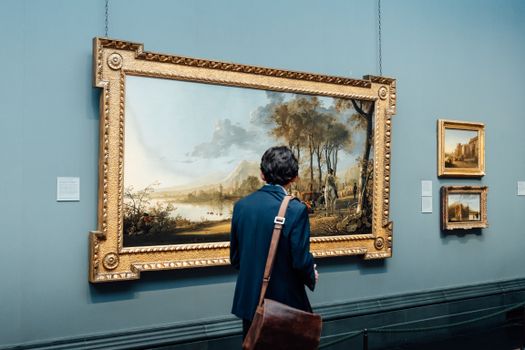
Elegant art gallery with framed paintings on a dimly lit wall, showcasing artistic works. Photo: Josue Canceco / Pexels
Identifying true value in investment art South Africa goes beyond personal taste; it involves a meticulous evaluation of several key factors that influence an artwork's market appeal and potential for appreciation. The first and arguably most critical factor is the artist's standing and reputation. Artists with a strong academic background, extensive exhibition history at reputable galleries and institutions, critical acclaim, and inclusion in significant public and private collections tend to command higher prices and demonstrate more reliable long-term value. Look for artists who have contributed meaningfully to art historical movements or who are recognised for their innovative techniques and unique perspectives within the South African context. The rarity and uniqueness of a piece also play a significant role. Limited editions, unique works, and pieces from important periods in an artist's career often fetch higher prices. For example, a rare early work by a renowned artist might be more valuable than a more common piece from their later, more commercial period. Medium and scale can also impact value. While paintings often lead the market, high-quality sculptures, photographs, and mixed-media works by significant artists can also be excellent investments. The condition of the artwork is paramount; a piece in excellent original condition will always be more valuable than one that has suffered damage or extensive restoration. Always insist on a professional condition report from a conservator, especially for older or more delicate works. Provenance, as mentioned earlier, is the artwork's documented history of ownership. A clear, unbroken chain of ownership from the artist or their estate through reputable dealers and collectors significantly enhances a work's value and authenticity. This is particularly important in a market where fakes and misattributions can occur. A strong provenance acts as a guarantee of legitimacy. The subject matter and aesthetic appeal, while subjective, also influence demand. Certain themes or styles may resonate more strongly with collectors, driving up desirability. However, it’s important not to let personal preference entirely override market fundamentals. Always consider the broader market appeal. Finally, market trends and expert opinions are valuable indicators. Following auction results, gallery sales, and the pronouncements of art critics and scholars can provide insights into which artists and styles are gaining traction. Attending art fairs and engaging with the art community allows you to gauge the pulse of the market firsthand. Consulting with an independent art advisor can provide an unbiased assessment of a work's investment potential and its fair market value, helping you make an informed decision when considering a piece for your art investment portfolio.

Navigating Pitfalls and Maximising Returns in Art Investment

3D illustration of a hand tossing a Euro coin against a black background, emphasizing financial decisions. Photo: cottonbro CG studio / Pexels
Investing in art, especially in a dynamic market like South Africa, comes with its own set of challenges and opportunities. Understanding and navigating potential pitfalls is crucial for maximising your returns and ensuring a positive investment experience. One of the most common mistakes is emotional buying. While passion for art is important, allowing emotion to override market fundamentals can lead to overpaying or acquiring pieces with limited investment potential. Always balance your aesthetic appreciation with objective analysis of market value and artist standing. Another significant pitfall is neglecting due diligence. Failing to verify authenticity, provenance, or condition can result in purchasing a counterfeit or a damaged artwork, leading to substantial financial loss. Always work with reputable dealers, galleries, and auction houses, and obtain all necessary documentation. Avoid unofficial channels unless you have expert verification. Lack of diversification is another risk. Concentrating all your investment in a single artist, style, or period can expose your portfolio to undue risk if that particular segment of the market experiences a downturn. Spreading your investments across various artists, mediums, and market segments helps to mitigate this risk. Overpaying for an artwork is a common trap, especially for novice investors. Researching past auction results for similar works by the same artist is essential. Consulting with an independent art appraiser can provide an objective valuation, helping you ensure you're paying a fair market price. Neglecting proper care and storage can severely impact an artwork's value. Exposure to direct sunlight, humidity fluctuations, or improper handling can cause irreparable damage. Invest in professional framing, climate-controlled storage, and adequate insurance to protect your assets. Underestimating transaction costs, such as buyer's premiums, shipping, insurance, and potential taxes, can also eat into your returns. Factor these costs into your budget and investment calculations. Finally, chasing trends without understanding the underlying value can be risky. While contemporary art can offer high growth, some trends are fleeting. Focus on artists with enduring artistic merit and a solid foundation, rather than solely on what's currently fashionable. To maximise returns:
  • **Build Relationships:** Cultivate connections with gallerists, art advisors, and auction specialists who can offer insights and access.
  • **Stay Informed:** Continuously educate yourself on market trends, artist developments, and economic factors affecting the art market.
  • **Consider Emerging Artists:** While riskier, early investment in talented emerging artists can yield significant long-term returns.
  • **Long-Term Horizon:** Art investment is a marathon, not a sprint. Patience is key to seeing substantial appreciation.
  • **Professional Valuation:** Regularly get your collection professionally valued to track its growth and for insurance purposes.
  • **Strategic Selling:** Be prepared to sell when the market is strong for a particular artist or when your investment goals shift.

Comparison

FeatureEstablished MastersMid-Career ArtistsEmerging Artists
Initial InvestmentHighMediumLow to Medium
Risk ProfileLowerMediumHigher
Growth PotentialSteady, ModerateGoodHigh (but volatile)
LiquidityGoodModerateVariable
Market StabilityHighGoodLower
Research RequiredMediumHighVery High
Diversification Value

What Readers Say

"Investing in South African art has been a truly enriching experience. My portfolio, guided by an expert, has seen impressive growth, blending cultural appreciation with financial gain. It's a unique asset class."

Thandiwe M. · Johannesburg, Gauteng

"I started my investment art South Africa journey focusing on contemporary artists. The insights from this guide helped me identify key talent and navigate the auction process successfully. Highly recommend for any serious collector."

Pieter V. · Cape Town, Western Cape

"Thanks to a strategic approach, a piece I bought five years ago has appreciated by 70%. This article's advice on due diligence and professional guidance was instrumental in achieving this return."

Nomusa D. · Durban, KwaZulu-Natal

"The market can be intimidating, but this guide breaks down the complexities well. While some investments take longer to mature, the aesthetic pleasure of owning meaningful art is a reward in itself."

Mark S. · Pretoria, Gauteng

"As an art lover, I always wanted to invest. This resource provided the practical steps needed to turn my passion into a tangible investment, focusing on ethical acquisition and supporting local artists."

Lerato K. · Gqeberha, Eastern Cape

Frequently Asked Questions

Is investment art in South Africa a good idea for beginners?

Yes, but it requires thorough research and ideally, guidance from an experienced art advisor. Beginners should start with understanding the market, setting a budget, and focusing on reputable sources to mitigate risks. It's a long-term investment, not a get-rich-quick scheme.

How do I ensure the authenticity of South African art?

Always purchase from reputable galleries, auction houses, or directly from artists with established reputations. Demand a certificate of authenticity, and ideally, a documented provenance (history of ownership). For high-value pieces, consider independent expert verification.

What's the best way to store and preserve my art investment?

Proper storage is crucial. Art should be kept in a climate-controlled environment, away from direct sunlight, humidity, and extreme temperature fluctuations. Professional framing with archival materials is recommended, and consider professional art storage facilities for valuable pieces.

What are the typical costs associated with art investment in South Africa?

Costs include the purchase price of the artwork, buyer's premiums at auctions (typically 15-25%), shipping and insurance fees, framing, conservation, and potential capital gains tax upon sale. Factor these into your budget to understand the true cost of ownership.

How does investing in art compare to traditional financial investments?

Art investment offers portfolio diversification and can act as a hedge against inflation. It's less liquid than stocks or bonds and lacks guaranteed returns, but provides aesthetic pleasure and potential significant long-term capital appreciation, often uncorrelated with financial markets.

Who should consider investing in South African art?

Individuals with a genuine interest in art, an appreciation for cultural heritage, and a long-term investment horizon should consider it. It's suitable for those looking to diversify their assets and who are comfortable with the unique dynamics of the art market.

What are the main risks involved in investment art South Africa?

Risks include illiquidity (difficulty selling quickly), authenticity issues, damage or deterioration, market fluctuations, and the subjective nature of valuation. Mitigate these through due diligence, professional advice, proper care, and diversification.

What are the future trends for South African investment art?

The market is seeing increased international interest in contemporary African art, a growing focus on digital art (NFTs), and continued appreciation for established masters. Sustainability, ethical sourcing, and diverse representation are also becoming increasingly important drivers.

Embark on your journey into investment art South Africa with confidence. By understanding the market, employing strategic planning, and leveraging expert insights, you can build a collection that is both financially rewarding and culturally enriching. Begin exploring the vibrant world of South African art today.

Topics: investment art South AfricaSouth African art marketart as investment ZAcollecting art South Africafine art investment
Leo List
Brampton weed
Adultwork EstrelaBet Vai de Bet R7 Bet Betão Galera Bet Rainbet Bet9ja Shop SportyBet BetKing Sisal Loto Foot Hollywoodbets YesPlay Odibets RushBet Jugabet BetWarrior BetCity MSport betPawa Fortebet