Unlocking Value: Your Guide to Investing in South African Art
investing in South African art

Unlocking Value: Your Guide to Investing in South African Art

Explore the rich cultural tapestry and lucrative opportunities within the burgeoning South African art market.

Start Your Art Investment Journey

Key Takeaways

  • ✓ The South African art market has shown consistent growth, attracting both local and international investors.
  • ✓ Diversity of artistic styles, from traditional to contemporary, offers a broad spectrum of investment opportunities.
  • ✓ Key factors for value appreciation include artist's reputation, provenance, rarity, and market demand.
  • ✓ Engaging with reputable galleries, auction houses, and art advisors is crucial for informed decision-making.

How It Works

1
Educate Yourself

Research artists, movements, and market trends. Understand the history and cultural significance of South African art to make informed choices.

2
Define Your Strategy

Determine your investment goals, risk tolerance, and budget. Decide whether you're collecting for passion, financial gain, or both.

3
Source Reputable Art

Engage with established galleries, reputable auction houses, and trusted art advisors. Verify provenance and authenticity for every acquisition.

4
Manage and Insure

Properly store, display, and insure your art collection. Regular valuations and condition reports are essential for long-term preservation and value assessment.

The Allure of the South African Art Market: A Deep Dive into Value and Growth

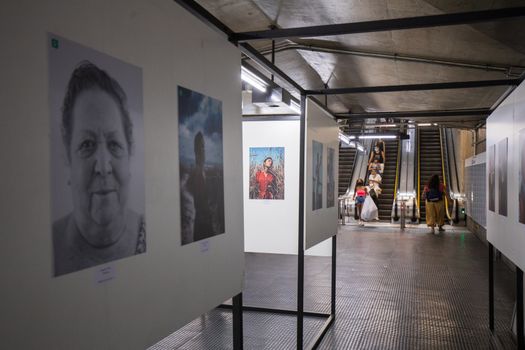
Art exhibition display in a subway with people using escalators. Photo: Matheus Bertelli / Pexels
The South African art market has emerged as a compelling frontier for discerning investors, offering a unique blend of cultural richness, historical significance, and promising financial returns. Unlike more established global art markets, South Africa presents a dynamic landscape where both established masters and burgeoning talents contribute to a vibrant ecosystem. This section delves into the foundational reasons why investing in South African art is not just a cultural pursuit but a strategic financial decision. Firstly, the market's resilience and consistent growth, even amidst global economic fluctuations, speak volumes. Data from major auction houses frequently report record-breaking sales, indicating a robust demand both domestically and internationally. This growth is fueled by several factors: a burgeoning middle class within South Africa with increasing disposable income, a growing global appreciation for African art, and dedicated efforts by galleries and institutions to promote local artists on the world stage. Secondly, the sheer diversity of South African art is unparalleled. From the socio-political commentary of the apartheid era to contemporary expressions exploring identity, landscape, and urban life, the breadth of artistic styles and narratives is immense. This variety allows investors to diversify their portfolios across different periods, mediums, and themes, catering to a wide range of aesthetic preferences and investment strategies. Iconic figures like Gerard Sekoto, Irma Stern, and Alexis Preller continue to command high prices, their works considered blue-chip investments. Simultaneously, a new generation of artists is gaining significant traction, offering exciting opportunities for early investment and substantial appreciation. Understanding the historical context is crucial when evaluating South African art. The socio-political landscape has profoundly shaped artistic expression, imbuing many works with deep emotional and historical resonance. This narrative depth often enhances the intrinsic value and appeal of the art. Furthermore, the market benefits from a well-developed infrastructure, including reputable auction houses like Strauss & Co and Aspire Art, numerous private galleries, and public museums dedicated to preserving and showcasing South African artistic heritage. These institutions play a vital role in establishing provenance, educating collectors, and setting market benchmarks. For those considering an entry point, engaging with this established network is paramount. They provide expertise, authentication services, and market insights that are invaluable for navigating this complex yet rewarding domain. The continued investment in South African cultural institutions further solidifies the market's long-term potential and stability, making it an attractive proposition for both seasoned collectors and new investors alike.

Identifying Value: Navigating Artists, Provenance, and Market Trends

Detailed financial graph showing analysis by a person with a pen indoors. Photo: www.kaboompics.com / Pexels
Successful investing in South African art hinges on a meticulous approach to identifying value, which extends far beyond personal aesthetic appeal. This requires a deep understanding of several critical factors: the artist's standing, the work's provenance, and prevailing market trends. Firstly, the artist's reputation and career trajectory are foundational. Established artists with a consistent exhibition history, critical acclaim, and works in prominent public and private collections tend to offer more stable and predictable returns. Researching an artist's exhibition history, academic background, awards, and presence in art historical texts provides crucial insights into their significance and long-term potential. While blue-chip artists represent a safer bet, emerging artists can offer higher growth potential, albeit with increased risk. Identifying these rising stars requires careful observation of group shows, art fairs, and critical reviews, often in consultation with experienced art advisors. Secondly, provenance – the documented history of ownership of a work of art – is absolutely paramount. A strong, unbroken provenance chain not only authenticates a piece but also adds to its value by demonstrating its legitimacy and often its historical journey. Works with gaps in their provenance can be difficult to sell and may even be fakes. Always request detailed documentation, including certificates of authenticity, exhibition catalogues where the work was featured, and previous sales records. Reputable galleries and auction houses will always provide this information. This meticulous attention to detail protects your investment and ensures you are acquiring a genuine piece with a verifiable history. Thirdly, understanding current market trends is vital, but it's important to differentiate between fleeting fads and sustainable shifts. Monitoring auction results, gallery sales, and expert analyses can provide a pulse on what's currently in demand. For instance, certain periods of South African art, like the Expressionist works of the 1920s-1950s or art from the anti-apartheid struggle, periodically experience surges in interest. However, a long-term investment strategy should focus on quality and significance rather than chasing short-term trends. Engaging with art market reports and publications, attending art fairs like FNB Art Joburg or the Cape Town Art Fair, and building relationships with gallerists and curators will keep you informed. Ultimately, a balanced approach that combines thorough research into an artist's enduring merit, rigorous provenance checks, and an informed awareness of market dynamics will position you for success when investing in South African art. This multi-faceted approach minimizes risk and maximizes the potential for both cultural enrichment and financial gain.

Building a Robust Art Portfolio: Strategies for Diversification and Growth

A variety of ceramic and clay jars displayed on industrial metal shelves. Ideal for craft references. Photo: Ayna / Pexels
Building a robust art portfolio, much like a financial one, benefits immensely from strategic diversification and a clear long-term vision. When investing in South African art, diversification means more than just acquiring works by different artists; it encompasses variety in periods, mediums, themes, and even geographical origins within South Africa. For example, a portfolio might include a significant historical piece by an established master, a vibrant contemporary painting from an emerging artist, a thought-provoking sculpture, and a series of limited-edition prints. This approach mitigates risk, as different segments of the market may perform differently over time. If one area experiences a downturn, others might remain stable or even appreciate, protecting the overall value of your collection. Another crucial aspect of portfolio growth is strategic acquisition. Rather than buying impulsively, develop a clear collecting focus. This could be based on a particular artistic movement, a specific theme (e.g., landscape, portraiture, social commentary), or artists from a certain region. A focused collection often gains more coherence and can command higher value due to its thematic strength and curatorial integrity. However, be open to opportunities that fall outside your immediate focus if the quality and investment potential are exceptional. Networking within the art community is invaluable here. Attending gallery openings, art fairs, and engaging with auction house specialists can open doors to unique opportunities and provide insights into pieces that might perfectly complement your collection. Furthermore, consider the long-term care and preservation of your artworks. Proper storage, display conditions, and regular professional conservation are not merely about maintenance; they are critical for maintaining value. A well-preserved artwork with documented care history will always be more desirable and valuable than one that has suffered neglect. This includes appropriate framing, protection from direct sunlight, and climate control where necessary. Insurance is also a non-negotiable aspect of managing a valuable art portfolio, protecting against theft, damage, or loss. Regularly re-evaluating your collection's market value through professional appraisals is also important, not only for insurance purposes but also to track your investment's performance and identify potential selling opportunities. By combining thoughtful acquisition with diligent preservation and ongoing market awareness, you can ensure your investment in South African art is both personally rewarding and financially astute. This holistic approach is key to nurturing a collection that grows in both cultural significance and monetary value over time, offering a truly unique asset class. For those looking to expand their knowledge, resources on global art market trends can offer comparative insights.

Common Pitfalls and Smart Strategies for Art Investors
Close-up of hands holding and pointing at a project document during a meeting, featuring artistic project details. Photo: Greta Hoffman / Pexels
Investing in South African art, while potentially lucrative, comes with its own set of challenges. Avoiding common pitfalls is as crucial as identifying opportunities. One of the most significant mistakes beginners make is buying solely based on personal taste without considering market value or authenticity. While passion is important, a purely emotional purchase can lead to overpaying or acquiring a piece with limited resale potential. Another pitfall is neglecting due diligence. This includes not thoroughly researching an artist, failing to verify provenance, or overlooking the physical condition of a work. These oversights can result in acquiring a counterfeit, a piece with significant restoration that impacts its value, or an artwork by a lesser-known artist misrepresented as a significant investment. Always engage with experts for authentication and condition reports. Here are some smart strategies to navigate these challenges: * **Build Relationships:** Cultivate connections with reputable gallerists, art advisors, and auction house specialists. Their expertise is invaluable for identifying quality works, understanding market dynamics, and accessing pieces before they hit the broader market. * **Start Small, Learn Big:** Don't feel pressured to make a significant investment immediately. Begin with smaller, high-quality works by established or promising artists to gain experience and confidence. * **Diversify:** As discussed, spread your investment across different artists, periods, and mediums to mitigate risk and capture various market movements. * **Long-Term Vision:** Art investment is typically a long-term game. While quick flips can happen, the most substantial returns often come from holding quality pieces for several years, allowing their value to appreciate naturally. * **Educate Continuously:** The art market is dynamic. Stay informed about new artists, emerging trends, and changes in market regulations. Read art publications, attend lectures, and visit exhibitions regularly. * **Insure and Document:** Proper insurance is non-negotiable. Also, maintain meticulous records of all your acquisitions, including purchase receipts, certificates of authenticity, appraisal documents, and condition reports. This documentation is vital for future sales or insurance claims. By being aware of these common mistakes and actively implementing smart strategies, you can significantly enhance your chances of success and build a rewarding portfolio when investing in South African art.

Comparison

FeatureReputable GalleryMajor Auction HouseOnline Art PlatformPrivate Dealer
Authenticity & ProvenanceHigh AssuranceHigh AssuranceVaries (Research Critical)Varies (Trust Essential)
Expert AdvicePersonalized & DeepSpecialist DrivenLimited/Self-ServiceHighly Personalized
Price TransparencyNegotiable (Fixed Price)Auction-driven (Market Price)Fixed Price/Bid (Varies)Negotiable (Opaque)
Selection BreadthCurated (Specific Focus)Broad (Diverse Estates)Very BroadNiche/Specific
Fees/CommissionsIncluded in PriceBuyer's Premium (15-25%)Subscription/Commission (Varies)Included in Price

What Readers Say

"This guide completely demystified investing in South African art for me. I now feel confident in approaching galleries and understanding valuation."

Thandiwe M. · Johannesburg, ZA

"The insights on provenance and market trends were invaluable. I've already made two informed acquisitions thanks to this comprehensive resource."

David L. · Cape Town, ZA

"After reading, I successfully started my art collection, focusing on emerging artists, and have seen a 15% appreciation in just over a year. Highly recommend!"

Sarah P. · Durban, ZA

"A very thorough guide, though I would have liked a bit more detail on specific insurance providers for art. Still, an excellent starting point for any investor."

Kwame N. · Pretoria, ZA

"As an international investor, understanding the nuances of the South African art market was critical. This article provided all the necessary context and practical advice."

Jessica R. · London, UK

Frequently Asked Questions

What is the best way to start investing in South African art?

Begin by educating yourself on the market, artists, and art history. Visit local galleries, attend art fairs, and consult with reputable art advisors. Start with smaller, quality pieces by established or promising artists to gain experience before making larger investments.

Is South African art a safe investment?

Like any investment, there are risks, but the South African art market has shown consistent growth and resilience. By focusing on quality, provenance, and diversification, and seeking expert advice, you can mitigate risks and increase the potential for a safe and rewarding investment.

How do I verify the authenticity of a South African artwork?

Always request a certificate of authenticity from a reputable gallery or auction house. Research the artwork's provenance (history of ownership), exhibition history, and consult with art experts or appraisers who specialize in South African art to confirm its legitimacy.

What is the typical cost range for investing in South African art?

The cost can vary dramatically, from a few thousand Rands for prints or works by emerging artists to several million Rands for iconic pieces by blue-chip masters. It's possible to start investing with a modest budget and gradually scale up as your knowledge and resources grow.

How does investing in South African art compare to other asset classes?

Art offers a unique asset class that can provide diversification away from traditional financial markets. While it may not offer the same liquidity as stocks, it can provide significant capital appreciation and cultural enrichment, acting as a tangible asset with intrinsic value.

Who should consider investing in South African art?

Anyone with an appreciation for art and culture, who is looking for a long-term investment that offers both financial potential and aesthetic pleasure. It's particularly suitable for those seeking portfolio diversification and a tangible asset with historical and cultural significance.

What are the biggest risks when investing in South African art?

Key risks include acquiring counterfeit art, poor provenance, overpaying for a piece, lack of liquidity, and damage or loss of the artwork. These risks can be managed through thorough research, expert consultation, proper insurance, and a long-term investment horizon.

What future trends should I watch in the South African art market?

Look out for continued growth in digital art (NFTs), increasing international interest in contemporary African artists, and a sustained focus on art that addresses social and environmental themes. The market for works by historically underrepresented artists is also likely to expand significantly.

Ready to explore the exciting world of investing in South African art? Use this guide as your compass to navigate the market, identify valuable opportunities, and build a collection that speaks to your passion and financial goals. Start your journey today and uncover the treasures that await.

Topics: investing in South African artSouth African art marketart collection investmentAfrican art appreciationart market trends
Leo List
Brampton weed
Adultwork