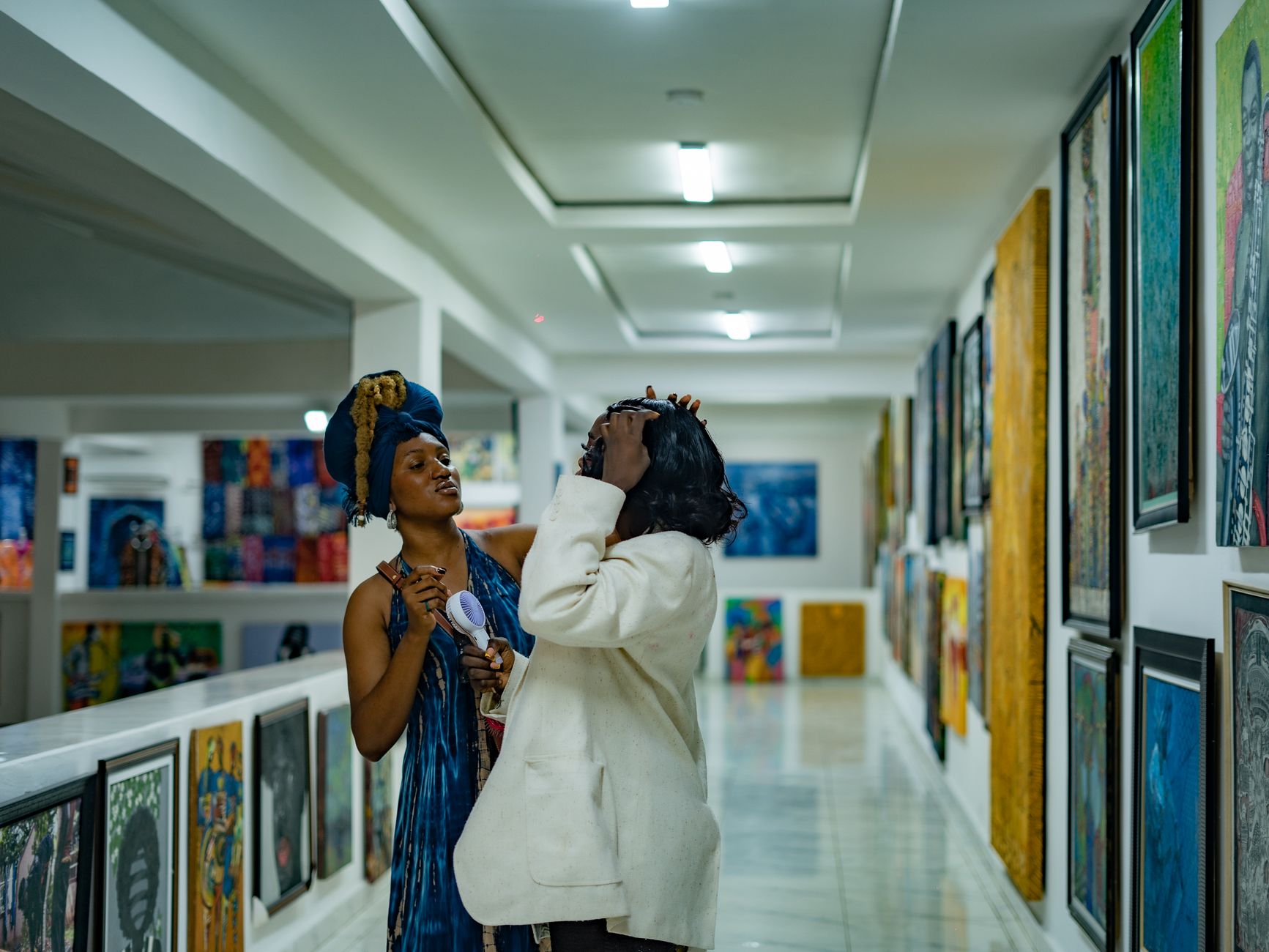
Why Invest in South African Art Now?
invest in south african art

Why Invest in South African Art Now?

Unlock the cultural and financial potential of a thriving art scene, offering both aesthetic pleasure and tangible asset growth.

Explore Opportunities

Key Takeaways

  • ✓ South African art market has shown consistent growth over the last decade.
  • ✓ Contemporary African art is gaining significant international recognition.
  • ✓ Diversity of artistic styles and historical narratives offers broad appeal.
  • ✓ Art investment can offer diversification against traditional asset classes.

How It Works

1
Research the Market

Understand the key artists, movements, and galleries driving the South African art scene. Familiarize yourself with auction results and market trends.

2
Define Your Investment Strategy

Determine your budget, risk tolerance, and investment goals, whether it's for appreciation, passion, or a blend of both. Consider long-term hold versus shorter-term opportunities.

3
Acquire Through Reputable Channels

Purchase art from established galleries, reputable auction houses, or directly from artists with verified provenance. Always prioritize authenticity and documentation.

4
Secure and Insure Your Collection

Properly store and display your art in a climate-controlled environment. Obtain adequate insurance to protect your investment against damage, theft, or loss.

The Allure of the South African Art Market: A Deep Dive
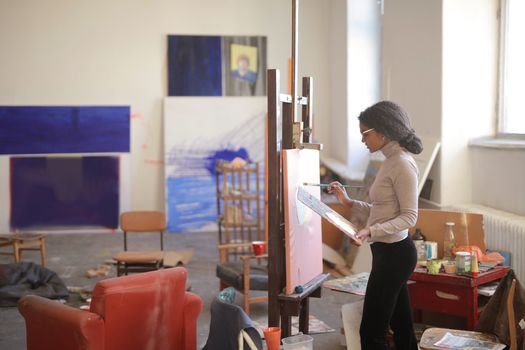
Side view of young black female artist in casual clothes standing near easel and drawing picture while working in studio Photo: Andrea Piacquadio / Pexels
The decision to invest in South African art is increasingly being recognized as a shrewd move by both seasoned collectors and new investors alike. For decades, South Africa has been a crucible of artistic expression, reflecting its complex history, diverse cultures, and vibrant contemporary identity. This rich tapestry has given rise to an art scene that is not only profoundly meaningful but also robustly dynamic, captivating global audiences and attracting significant financial interest. Unlike more established Western art markets, which can sometimes appear saturated or subject to diminishing returns, the South African art market still offers considerable scope for growth and discovery. It presents a unique blend of historical gravitas, with works by resistance artists and modern masters, alongside a burgeoning contemporary scene that constantly pushes boundaries and challenges perceptions. This duality makes it particularly appealing, as investors can choose to focus on proven historical value or speculate on the rising stars of tomorrow. The growth of digital platforms and international art fairs has also played a pivotal role in amplifying the reach of South African artists. Events like the FNB Art Joburg and the Cape Town Art Fair have become vital showcases, drawing international curators, gallerists, and collectors, thereby increasing exposure and demand. This heightened visibility translates directly into increased market value for artists and their works. Furthermore, the cultural significance embedded in South African art adds an intangible yet powerful layer to its investment appeal. Each piece often tells a story, embodies a struggle, or celebrates a triumph, offering a deeper connection than purely decorative art. This narrative depth resonates with collectors who seek not just financial returns but also cultural enrichment and a sense of contributing to the preservation of important historical and social dialogues. The market's resilience, even in times of economic uncertainty, further underscores its potential. While no investment is without risk, the intrinsic value of culturally significant art, coupled with growing international appreciation, provides a strong foundation. For those looking to diversify their portfolios and explore alternative assets, the opportunity to invest in South African art offers a compelling proposition, merging passion with financial acumen. Understanding the nuances of this market, from established masters to emerging talents, is key to making informed and successful investments. For more insights into the broader art world, explore our guide to art collecting.

Navigating the Landscape: Key Players and Market Trends
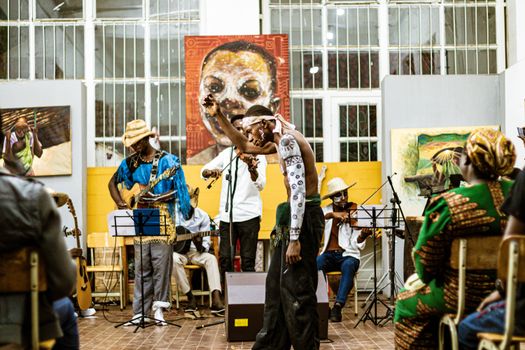
Energetic African cultural performance featuring live musicians and traditional dancers. Photo: Martin Ilunga / Pexels
To successfully invest in South African art, it is crucial to understand its ecosystem, which comprises a network of galleries, auction houses, art fairs, and individual artists, each playing a vital role. Major auction houses like Strauss & Co, Aspire Art Auctions, and Stephan Welz & Co. are central to the secondary market, providing platforms for the resale of significant works and often setting benchmarks for artist values. Their catalogues and sale results are invaluable resources for tracking market performance and identifying trends. These institutions not only facilitate transactions but also contribute to the authentication and provenance verification process, which is paramount in art investment. Beyond auctions, a robust gallery scene nurtures talent and introduces new works to the market. Galleries such as Goodman Gallery, Stevenson, Everard Read, and Southern Guild represent a diverse range of artists, from established figures to exciting newcomers. Building relationships with reputable gallerists can provide early access to promising artists and offer expert advice tailored to your investment goals. These relationships are often symbiotic, as gallerists benefit from informed collectors who understand the value of long-term patronage. The emergence of online art platforms and viewing rooms has also democratized access to the South African art market. Websites like Artsy, Artnet, and local platforms dedicated to African art allow potential buyers to browse collections, research artists, and even participate in online auctions from anywhere in the world. This digital transformation has lowered barriers to entry and expanded the market's reach beyond geographical confines, making it easier for international investors to engage. Current market trends indicate a strong appetite for contemporary African art, particularly works that engage with themes of identity, post-colonialism, social justice, and environmental concerns. Artists who offer fresh perspectives on these universal issues often see rapid appreciation in value. Additionally, there's a growing appreciation for female artists and artists from previously underrepresented demographics, correcting historical imbalances and opening new avenues for investment. While the blue-chip artists like Irma Stern, Alexis Preller, and Gerard Sekoto continue to command high prices, the mid-career and emerging artist segments offer exciting opportunities for significant capital appreciation. Identifying these rising stars requires diligent research, a keen eye for quality, and often, a willingness to take calculated risks. Attending art fairs, following art critics, and engaging with art advisors are excellent ways to stay abreast of these dynamic shifts. The market is vibrant, diverse, and continually evolving, presenting a compelling case for strategic investment.

Strategies for Success: How to Smartly Invest in South African Art
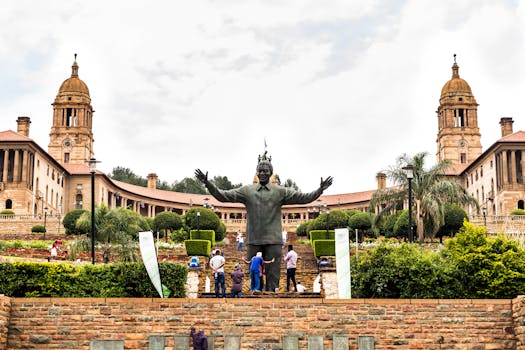
Iconic statue of Nelson Mandela at the Union Buildings in Pretoria, South Africa. Photo: Clayton / Pexels
Investing in South African art, like any asset class, requires a strategic approach to maximize returns and mitigate risks. One of the fundamental strategies is to prioritize provenance and authenticity. Always ensure that any artwork you consider purchasing comes with a clear history of ownership and verifiable documentation, such as certificates of authenticity, exhibition histories, and artist statements. Reputable galleries and auction houses are meticulous about this, providing a crucial layer of security for your investment. Skipping due diligence in this area can lead to significant financial losses and ethical dilemmas. Another key strategy involves diversification. While it might be tempting to focus on a single artist or style you particularly admire, a diversified portfolio across different artists, periods, and mediums can help spread risk and capture growth from various segments of the market. For instance, combining a piece by an established master with works from two or three promising emerging artists could offer a balanced approach, blending stability with growth potential. Consider works on paper, sculptures, and mixed media alongside traditional paintings to broaden your collection's scope. Research is paramount. Before making any significant purchase, delve into the artist's career trajectory, exhibition history, critical reception, and previous auction results. Websites like Artprice and Artnet provide extensive databases of auction records, allowing you to track an artist's market performance over time. Understanding an artist's consistent output, institutional recognition, and critical acclaim are strong indicators of long-term value. Don't be swayed solely by current trends; look for enduring quality and significance. Building relationships within the art world is also a powerful strategy. Connecting with gallerists, art advisors, curators, and fellow collectors can provide invaluable insights, access to private viewings, and early opportunities to acquire significant works. These relationships can also serve as a network for sharing knowledge and conducting due diligence on potential acquisitions. An experienced art advisor, for example, can offer expert guidance, help navigate complex transactions, and provide a dispassionate assessment of an artwork's investment potential. Finally, consider the long-term view. Art investment is typically not a short-term endeavor. Significant appreciation often occurs over years, if not decades. Patience is a virtue in this market. While some pieces may see rapid appreciation, the most substantial returns are often realized by those who hold their investments through market fluctuations, allowing the intrinsic and cultural value of the artwork to mature. For further reading on art market dynamics, check out our insights on understanding art as an asset.

Common Pitfalls to Avoid and Essential Tips for Art Investors
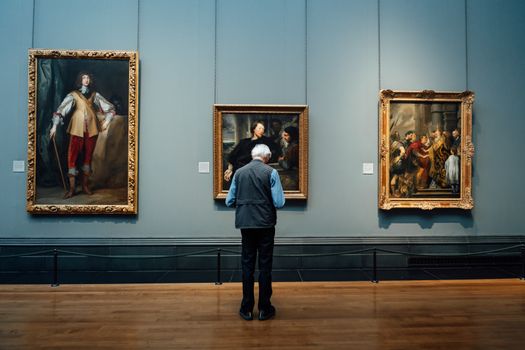
An elderly man admires classic paintings at an art gallery in England. Indoor lighting enhances the historic ambiance. Photo: Miguel González / Pexels
While the prospect to invest in South African art is exciting, there are several common pitfalls that new and even experienced investors should be aware of to protect their assets and ensure a rewarding experience. Avoiding these mistakes is as crucial as understanding the opportunities. **Pitfalls to Avoid:** * **Impulse Buying:** Never purchase art on a whim. Emotional decisions, particularly at auctions or high-pressure gallery openings, often lead to overpaying or acquiring pieces that don't align with your investment strategy. * **Ignoring Provenance:** As mentioned, neglecting to verify an artwork's history and authenticity is a major risk. Lack of clear provenance can render an artwork unsellable or significantly devalue it. * **Overpaying for Trendy Art:** While contemporary art is exciting, be wary of buying into fleeting trends. Art that is popular today may not hold its value tomorrow. Focus on artistic merit and historical significance rather than just current buzz. * **Neglecting Storage and Insurance:** Art is a physical asset susceptible to damage, theft, and environmental factors. Improper storage can lead to irreversible deterioration, and inadequate insurance can result in significant financial loss. * **Failing to Consult Experts:** Relying solely on your own judgment, especially when new to the market, can be costly. Professional advice from art advisors, conservators, and legal experts specializing in art law is invaluable. **Essential Tips for Art Investors:** * **Educate Yourself Continuously:** The art market is dynamic. Stay informed about artists, market trends, art history, and current events that might influence the market. Read art journals, attend lectures, and visit exhibitions regularly. * **Buy What You Love (with a caveat):** While investment potential is key, collecting art you genuinely appreciate enhances the ownership experience. However, balance passion with objective market analysis. A piece you love but has no market value is a decorative item, not an investment. * **Build Relationships:** Cultivate connections with gallerists, auction house specialists, and fellow collectors. These relationships can provide access to privileged information and opportunities. * **Understand the Costs:** Beyond the purchase price, consider additional costs such as framing, conservation, shipping, insurance, and potential resale commissions. These can significantly impact your overall return. * **Consider Emerging Artists:** While riskier, investing in promising emerging artists can offer substantial returns if they gain critical acclaim and market recognition. This requires diligent research and a good eye. * **Patience is Key:** Art investment is a long-term game. Avoid expecting quick returns. Value often appreciates over decades, not months. * **Document Everything:** Keep meticulous records of purchase receipts, certificates of authenticity, condition reports, insurance policies, and any correspondence related to your artwork.

Comparison

FeatureEstablished South African ArtEmerging South African ArtInternational Blue-Chip Art
Risk ProfileLower (proven track record)Higher (potential for high growth)Lowest (stable, but slower growth)
Entry Price PointHighModerate to LowVery High
Appreciation PotentialSteady, moderateSignificant, potentially rapidConsistent, moderate
LiquidityGood (established market)Variable (depends on artist recognition)Excellent
Cultural Significance
Market AccessGalleries, major auctionsGalleries, online platforms, smaller auctionsMajor international auctions, top galleries

What Readers Say

"Deciding to invest in South African art through a local gallery was one of my best decisions. Not only have I acquired beautiful pieces that speak to my heritage, but their value has steadily increased, proving to be a solid asset in my portfolio."

Thandiwe M. · Cape Town, South Africa

"I've been collecting art for years, but the vibrancy and narrative depth of South African art truly captured my interest. My recent acquisitions have brought both immense aesthetic pleasure and shown promising appreciation, exceeding my expectations."

Michael P. · London, UK

"After attending an art investment seminar, I took the plunge to invest in South African art. Within three years, one of my emerging artist pieces was re-exhibited and saw a 40% increase in market value. It's truly a rewarding experience."

Lerato K. · Johannesburg, South Africa

"The South African art market offers a fascinating blend of established masters and exciting new talent. While some pieces have performed better than others, the overall cultural richness and growth potential make it a worthwhile area for diversification."

David S. · New York, USA

"As an interior designer, I often recommend clients invest in South African art to enhance their spaces. The unique visual language and powerful stories behind the art make it an exceptional choice, both for decor and as a valuable asset."

Naledi Z. · Durban, South Africa

Frequently Asked Questions

Is now a good time to invest in South African art?

Yes, many experts believe the South African art market is in a strong growth phase, driven by increasing international recognition and a vibrant local scene. While past performance is no guarantee of future results, the market's consistent upward trend and the cultural significance of the art make it an attractive investment.

How do I ensure the authenticity of a South African artwork?

Always purchase from reputable sources like established galleries, accredited auction houses, or directly from the artist with verified documentation. Request a certificate of authenticity, provenance details, and any exhibition history to confirm the artwork's legitimacy.

What's the best way to start investing in South African art?

Begin by educating yourself about the market, key artists, and movements. Visit galleries and art fairs, read art publications, and consider consulting with an art advisor. Start with a budget you're comfortable with and focus on acquiring quality pieces from reputable sources.

What are the typical costs associated with buying and owning art?

Beyond the purchase price, expect costs for framing, shipping, installation, insurance, and potentially storage. If selling, auction houses or galleries will charge commissions. Factor these into your overall investment calculation.

How does investing in South African art compare to other alternative investments?

Art offers a unique blend of aesthetic pleasure, cultural value, and financial potential. Unlike traditional assets, it's tangible and can appreciate independently of financial markets. It often provides portfolio diversification, though liquidity can be lower than stocks or bonds.

Who should consider investing in South African art?

Individuals passionate about art and culture, those seeking to diversify their investment portfolios, and collectors interested in emerging markets with strong growth potential should consider investing in South African art. It appeals to both seasoned investors and new collectors.

What are the risks involved in art investment?

Risks include market fluctuations, difficulty in assessing true value, illiquidity, potential for fakes, and damage or loss of the artwork. Thorough due diligence, expert advice, and proper insurance can help mitigate these risks.

What is the future outlook for the South African art market?

The future outlook remains positive, driven by increasing global interest in African art, a growing collector base, and the continued emergence of talented artists. Digital platforms are also expanding accessibility and market reach, suggesting sustained growth in the coming years.

Ready to explore the vibrant world of South African art? Begin your journey today to invest in South African art and discover pieces that offer both profound cultural enrichment and significant financial potential. Your next masterpiece awaits.

Topics: invest in south african artsouth african art marketart investment africaemerging art marketsafrican contemporary art
Leo List
Brampton weed
Adultwork