Why invest in South African art now? A deep dive
invest in South African art

Why invest in South African art now? A deep dive

Unlock the cultural and financial potential of a vibrant and rapidly appreciating art scene.

Start Your Collection

Key Takeaways

  • ✓ The South African art market has seen consistent growth, outperforming many global indices in recent years.
  • ✓ Diversity of styles, from traditional to contemporary, offers a wide appeal to various collectors.
  • ✓ Many South African artists are gaining international recognition, driving up demand and value.
  • ✓ Art can serve as a powerful hedge against inflation and currency fluctuations.

How It Works

1
Research and Education

Familiarize yourself with prominent artists, art movements, and the historical context of South African art. Understanding the landscape is crucial for informed decisions.

2
Identify Your Niche

Determine if you're drawn to contemporary, modern, or traditional works, and consider your budget. This helps narrow your focus and develop a coherent collection strategy.

3
Engage with Experts

Consult with reputable galleries, art advisors, and auction houses. Their expertise can guide you in authenticating works and understanding market trends.

4
Acquire and Document

Purchase works from trusted sources and ensure all provenance and authentication documents are meticulously kept. Proper documentation is vital for future valuation and resale.

The Allure of South African Art: A Rich Tapestry of History and Expression
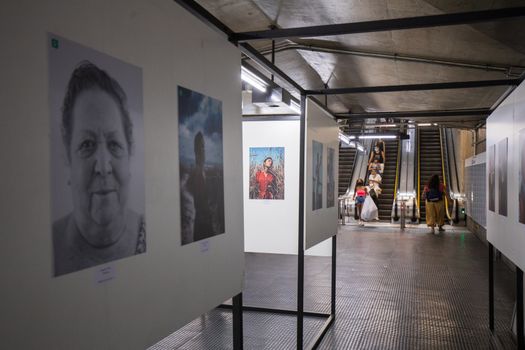
Art exhibition display in a subway with people using escalators. Photo: Matheus Bertelli / Pexels
South African art is not merely a collection of aesthetic objects; it is a vibrant narrative woven through centuries of history, diverse cultures, and profound social change. To truly appreciate the potential to invest in South African art, one must first understand its unique context. From the ancient rock paintings of the San people, depicting millennia of human existence, to the powerful protest art of the apartheid era, and the dynamic expressions of a post-democratic nation, the art reflects a journey of resilience, identity, and transformation. This deep historical and cultural resonance imbues each piece with an intrinsic value that transcends mere material worth. The country's tumultuous past has fostered a particularly expressive and poignant artistic output, giving voice to marginalized communities and celebrating the spirit of Ubuntu. This rich tapestry of stories makes South African art incredibly compelling, offering collectors not just an asset, but a piece of living history. The global art market is increasingly recognising the depth and breadth of this artistic heritage, moving beyond a Eurocentric view to embrace narratives from the Global South. This shift has placed South African art firmly in the international spotlight, attracting discerning collectors and institutions alike. The diversity is astounding, ranging from traditional beadwork and pottery, which embody ancestral knowledge and craftsmanship, to cutting-edge contemporary installations that challenge societal norms and explore complex identities. Artists often draw inspiration from the natural landscape, urban environments, and the intricate social dynamics of a multicultural society. This blend of tradition and innovation creates a fertile ground for artistic exploration and ensures that there is something to captivate every taste and intellectual curiosity. Understanding this rich heritage is the first step in making informed decisions about how to invest in South African art, as it provides the critical context for appreciating both its cultural and financial significance. Furthermore, the narrative power of South African art often extends to universal themes of humanity, struggle, hope, and reconciliation, making it accessible and resonant with audiences worldwide. This universal appeal, rooted in specific local experiences, is a powerful driver of its growing international acclaim. The emotional depth and intellectual rigor found in many South African artworks contribute significantly to their long-term value and desirability. Explore the history of South African art to deepen your appreciation.

Navigating the Market: Why Now is the Time to Invest in South African Art
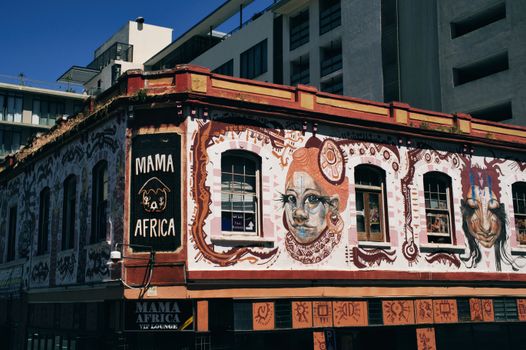
Vibrant murals decorate the facade of a building on Long Street, Cape Town, showcasing local art. Photo: Travel with Lenses / Pexels
The South African art market is experiencing a significant boom, making it an opportune moment for both seasoned and nascent collectors to invest in South African art. Several factors contribute to this upward trajectory. Firstly, there's a growing international recognition of South African artists. Names like William Kentridge, Irma Stern, Gerard Sekoto, and Alexis Preller are now household names in global art circles, with their works commanding impressive prices at major international auctions. This global spotlight trickles down, elevating the entire market. Secondly, a burgeoning local collector base, fueled by a growing middle class and increasing appreciation for local talent, is creating robust demand within South Africa itself. This dual demand, both international and local, creates a healthy, competitive market environment. Thirdly, compared to more established Western art markets, South African art often offers relatively accessible entry points for high-quality works, particularly for emerging and mid-career artists. This means potential for significant appreciation as these artists gain wider recognition. The market is maturing, with increasingly sophisticated infrastructure, including reputable galleries, auction houses, art fairs (like FNB Art Joburg and Investec Cape Town Art Fair), and art advisors. These institutions provide transparency, authenticity, and liquidity, making the market more approachable and trustworthy for investors. The digital age has also played a crucial role, allowing South African artists to showcase their work to a global audience and enabling collectors worldwide to discover and acquire pieces more easily. Online platforms and social media have democratized access to information and facilitated connections between artists, galleries, and buyers. Furthermore, art is increasingly seen as a viable asset class, offering diversification benefits beyond traditional investments like stocks and bonds. In times of economic uncertainty, tangible assets like art can provide stability and even appreciate in value. The intrinsic value of art, combined with its cultural significance, makes it an attractive alternative investment. When you invest in South African art, you are not just acquiring an object; you are investing in a cultural legacy and a burgeoning economic sector with significant growth potential. The dynamism of the South African art scene, coupled with its increasing global appeal, positions it as a compelling choice for those looking to diversify their portfolios and acquire culturally rich assets. The market is vibrant, with a constant flow of new talent emerging alongside established masters, ensuring a continuous supply of high-quality and diverse artworks.

Identifying Value and Authenticity When You Invest in South African Art
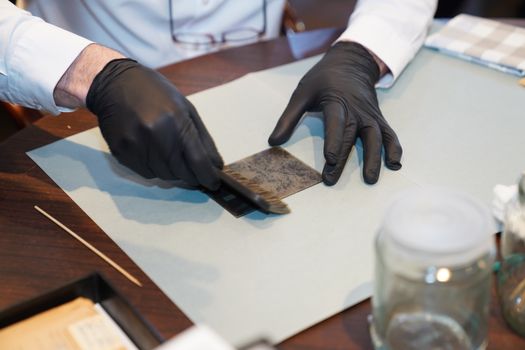
A restorer carefully working on a photograph with gloves and brush, focusing on details. Photo: Tahir Xəlfəquliyev / Pexels
When you decide to invest in South African art, understanding how to identify value and ensure authenticity is paramount. The art market, like any other, has its complexities, and diligence is key to making sound investments. The first step involves thorough research into the artist's oeuvre, their market history, and their critical reception. Look for artists with a consistent exhibition record, critical acclaim, and works held in reputable public or private collections. An artist's unique style, technical mastery, and the narrative depth of their work all contribute to their long-term value. Authenticity is non-negotiable. Always purchase art from reputable sources such as established galleries, recognized auction houses, or directly from the artist or their estate. These channels provide provenance – a documented history of ownership – which is crucial for verifying a work's legitimacy. A robust provenance will detail where and when the artwork was created, exhibited, and sold, tracing its journey from the artist's studio to your collection. Be wary of unverified sources or deals that seem too good to be true. For older or more valuable pieces, consider independent expert authentication. Art advisors specializing in South African art can provide invaluable guidance, leveraging their expertise and network to help you navigate the market, identify promising artists, and verify authenticity. They can also assist with valuation, condition reports, and advise on market trends. Condition is another critical factor influencing value. A work in excellent condition, free from significant damage or restoration, will typically command a higher price. Always request a detailed condition report before purchase, especially for older or delicate works. Framing and proper display can also impact preservation. Furthermore, understanding market trends is essential. While chasing fads is generally ill-advised for long-term investment, being aware of which artists or movements are gaining traction can inform your purchasing decisions. Attending art fairs, subscribing to art market reports, and reading art publications can keep you abreast of these developments. Remember, when you invest in South African art, you are building a collection, not just acquiring individual pieces. A well-curated collection, with a clear focus and high-quality works, often appreciates more significantly than a disparate assortment. Building relationships with gallerists and advisors can help you refine your collecting strategy and gain access to exclusive opportunities. Learn more about art valuation to become a more informed collector.

Practical Tips for Aspiring Collectors: Avoiding Common Pitfalls
Stylish indoor wine cabinet with an elegant painting and decorative vase in Hải Phòng, Việt Nam. Photo: Thanh Long Bùi / Pexels
Embarking on the journey to invest in South African art can be incredibly rewarding, but it's essential to approach it with a strategic mindset to avoid common pitfalls. Here are some practical tips to guide you: * **Do Your Homework (Thoroughly):** Never buy on impulse. Research the artist, their trajectory, the specific artwork's history, and current market values. Understand the different mediums and their associated care requirements. * **Buy What You Love, But Buy Smart:** While personal connection to a piece is important, remember it's an investment. Balance your aesthetic preferences with an understanding of market potential. Don't buy a piece just because it's cheap; ensure it has inherent artistic merit and a reputable artist behind it. * **Establish a Budget and Stick to It:** Define your investment range before you start looking. This prevents overspending and helps you focus on artworks that fit your financial plan. Remember to factor in additional costs like framing, insurance, shipping, and potential art advisory fees. * **Build Relationships with Reputable Dealers:** Galleries and art advisors are your best allies. They offer expertise, access to quality works, and often have insights into emerging talents. A good relationship can lead to early access to new collections and valuable advice. * **Prioritize Provenance and Authenticity:** As mentioned, always insist on a clear, documented history of ownership for any artwork you purchase. This is your primary safeguard against fakes and ensures the work's legitimate place in the art historical record. * **Insure Your Collection:** Once you acquire art, ensure it's properly insured against damage, theft, or loss. The value of art can be substantial, and protection is crucial. * **Consider Long-Term Hold:** Art investment is typically a long-term game. Be prepared to hold pieces for several years, or even decades, to see significant appreciation. Short-term speculation is risky and rarely yields substantial returns in the art market. * **Understand Storage and Conservation:** Art requires specific conditions to preserve its value. Learn about appropriate humidity, temperature, and light exposure for your pieces. Professional conservation may be necessary for older or delicate works. * **Avoid Emotional Decisions:** While art is emotive, investment decisions should be rational. Don't let sentiment override sound judgment regarding authenticity, condition, or market value. * **Don't Be Afraid to Ask Questions:** If something is unclear, ask. A reputable seller will always be transparent and willing to provide information. Your education is ongoing when you invest in South African art. By following these guidelines, you can navigate the exciting world of South African art with confidence, building a collection that is both personally enriching and a sound financial asset.

Comparison

FeatureSouth African Art (Emerging Market)Established Western ArtOther Alternative Investments
Growth PotentialHigh (rapidly appreciating values)Moderate (mature market)Varies (e.g., wine, classic cars)
Entry Price PointRelatively accessible for quality worksOften very highCan be high or low
Cultural SignificanceDeep historical & social narrativeEstablished, often canonicalLimited to specific niche
Market LiquidityImproving, but can be less than Western artGenerally high for established artistsOften lower, niche specific
Diversification BenefitExcellent hedge against traditional assetsGood hedgeGood, but requires specialized knowledge
Tangible Asset

What Readers Say

"Deciding to invest in South African art was one of my best financial decisions. I started small, and with expert guidance, my collection has grown significantly in value and cultural depth. It's truly rewarding."

Thandiwe M. · Johannesburg, Gauteng

"I've been collecting art for years, and the vibrancy of the South African market is unmatched. The unique stories and powerful imagery make these pieces stand out globally. My advisor helped me acquire a stunning piece by an emerging artist."

Mark D. · London, UK

"After learning how to invest in South African art, I purchased two pieces from a local gallery. Within three years, their estimated value had increased by over 40%, far exceeding my expectations for traditional investments."

Naledi P. · Cape Town, Western Cape

"The market can be complex, especially from abroad, but the cultural richness of South African art is undeniable. While liquidity can sometimes be a concern for very specific pieces, the long-term appreciation is generally strong."

Francois V. · Paris, France

"My firm recommended diversifying into art, and focusing on South African artists was a brilliant move. The pieces add incredible character to our office and have proven to be a solid asset. We love the narrative behind each acquisition."

Jessica L. · New York, USA

Frequently Asked Questions

Is South African art a good investment right now?

Yes, many experts believe now is an excellent time to invest in South African art. The market is maturing, artists are gaining international recognition, and prices for many high-quality works are still relatively accessible compared to global counterparts, offering significant growth potential.

What are the biggest risks when investing in South African art?

Key risks include issues of authenticity (fakes), overpaying for a piece, illiquidity (difficulty selling quickly), and damage to the artwork. Mitigate these by buying from reputable sources, thorough research, and proper insurance and storage.

How do I start building a collection of South African art?

Begin by educating yourself about the art history and contemporary scene. Visit local galleries, attend art fairs, read art publications, and engage with art advisors. Start with smaller, affordable pieces by emerging artists that you love and that fit your budget.

How does the value of South African art compare to other investments?

Art can offer diversification and a hedge against inflation. While less liquid than stocks, South African art has shown strong appreciation, often outperforming traditional asset classes in recent years, especially for works by established or rapidly emerging artists.

Should I focus on established or emerging South African artists?

Both have merits. Established artists offer more predictable value and liquidity, but at a higher entry price. Emerging artists offer higher growth potential but come with more risk and require more careful research and foresight. A balanced approach can be beneficial.

Who should consider investing in South African art?

Individuals seeking to diversify their investment portfolio, those with a passion for culture and history, and collectors interested in a tangible asset with potential for significant appreciation should consider investing in South African art.

Is it safe to buy South African art online?

Buying online can be safe if you use reputable platforms and galleries with strong authentication processes and clear return policies. Always verify the seller's credibility and request detailed images, condition reports, and provenance documentation before purchase.

What future trends might impact the South African art market?

Continued digital innovation in art sales, increased global interest in diverse narratives, and the growing influence of African collectors are likely to further boost the market. Focus on sustainability and ethical sourcing in art production may also become more prominent.

Ready to enrich your life and portfolio? Explore the vibrant world of South African art and make an informed decision to invest in South African art today. Connect with experts and discover pieces that speak to you.

Topics: invest in South African artSouth African art marketcollecting African artart as investment South Africacontemporary South African artists
Leo List

IE Escorts NO Escorts US Escorts NZ Escorts AU Escorts
Brampton weed
Adultwork EstrelaBet Vai de Bet R7 Bet Betão Galera Bet Rainbet Bet9ja Shop SportyBet BetKing Sisal Loto Foot Hollywoodbets YesPlay Odibets RushBet Jugabet BetWarrior BetCity MSport betPawa Fortebet