✓ No prior experience is necessary to start painting.
✓ Affordable starter kits are widely available in South Africa.
✓ Acrylics are often recommended for beginners due to their versatility.
✓ Consistency and practice are more important than initial talent.
How It Works
1
Gather Your Essential Supplies
Before you dip your brush, ensure you have the basic materials. This includes paints, brushes, a surface to paint on, and a palette.
2
Understand Basic Techniques
Familiarise yourself with fundamental painting methods like colour mixing, layering, and brush strokes. Simple exercises can build confidence.
3
Choose Your First Project
Start with something simple and achievable, like a still life or a landscape from a photograph. This builds momentum and reduces intimidation.
4
Practice Consistently and Enjoy
Regular practice is key to improvement. Don't be afraid to experiment, make mistakes, and most importantly, enjoy the creative process.
Embarking on Your Artistic Journey: Why Start Painting Now?
Photo: Pavel Danilyuk / Pexels
The desire to create is a fundamental human impulse, and for many, painting offers a profound and accessible avenue to express this. If you've ever found yourself gazing at a beautiful artwork, feeling a stir of inspiration, or simply wanting to add a splash of colour to your life, then now is the perfect time to explore how to start painting for beginners ZA. South Africa, with its vibrant culture, diverse landscapes, and burgeoning art scene, provides an incredibly rich backdrop for aspiring artists. Whether you're in the bustling streets of Johannesburg, the picturesque Winelands of Stellenbosch, or the coastal beauty of Cape Town, opportunities and resources for new painters are plentiful.
Starting a new hobby, especially one as seemingly complex as painting, can feel daunting. Thoughts like 'I'm not talented enough,' 'I don't know where to begin,' or 'It's too expensive' often crop up. However, these are common misconceptions. Painting is not solely about innate talent; it's a skill that can be learned, honed, and enjoyed by anyone willing to pick up a brush. The benefits extend far beyond creating beautiful images; it's a powerful tool for stress relief, mindfulness, improved focus, and a wonderful way to tap into your creative problem-solving abilities. It allows you to see the world differently, appreciating nuances of light, shadow, and colour that you might have previously overlooked. For beginners in South Africa, the journey is made even more exciting by the availability of local art suppliers, workshops, and a community eager to share their passion. The first step is often the hardest, but once you commit to exploring this creative path, you'll uncover a world of self-expression and personal growth. This guide is designed to demystify the process, providing a clear, step-by-step roadmap for anyone looking to delve into the captivating world of painting, right here in South Africa. From understanding the basic materials to exploring fundamental techniques, we'll cover everything you need to know to confidently begin your artistic adventure. Don't let hesitation hold you back; your canvas awaits, ready for your unique story to unfold upon it. Discover local art communities that can support your journey.
Essential Art Supplies for the Aspiring South African Painter
Photo: Anastasia Shuraeva / Pexels
One of the first practical hurdles for anyone wondering how to start painting for beginners ZA is understanding what supplies are truly necessary. The art store can be overwhelming, filled with countless options and price points. The good news is, you don't need to break the bank to get started. Focus on a few key essentials, and you can always expand your collection as your skills and interests grow.
**Paints:** For beginners, acrylic paints are highly recommended. They are water-soluble, meaning easy cleanup with just water, and they dry relatively quickly, allowing for layering without long waiting times. They are also versatile and can be used on various surfaces. A basic starter set of primary colours (red, blue, yellow), plus white and black, is more than enough. Brands like Daler-Rowney, Reeves, or local South African brands often offer affordable student-grade acrylics. Oil paints offer rich colours and longer drying times, allowing for more blending, but require solvents for cleanup and can be more challenging for a complete novice. Watercolours are beautiful and transparent but demand a different approach to layering and control, often best explored after gaining some confidence with acrylics.
**Brushes:** Don't buy dozens of brushes initially. A set of 3-5 synthetic brushes in varying sizes and shapes will serve you well. Look for a small round brush for details, a medium flat brush for broader strokes, and perhaps a larger flat or wash brush for backgrounds. Synthetic brushes are durable, versatile, and work well with acrylics.
**Surfaces:** Canvas is the classic choice, but for practice, you can use canvas boards, watercolour paper (for acrylics too!), or even thick cardboard primed with gesso. Look for pre-primed canvases or boards to save you a step. Local stationery stores or art shops like The Deckle Edge, Art Savings Club, or PNA often stock these at reasonable prices.
**Palette:** A simple plastic palette, an old ceramic plate, or even a piece of wax paper can serve as your palette for mixing colours.
**Other Essentials:** You'll need two containers for water (one for rinsing, one for clean water), paper towels or rags for cleaning brushes, and optionally, a small easel (a tabletop easel is perfect for beginners). Gesso, a primer, is useful if you're painting on unprimed surfaces, but many beginner canvases come pre-primed. Remember, the goal is to get started, not to acquire every possible tool. Begin with these fundamentals, and let your artistic journey guide your future purchases.
Mastering Basic Techniques and Overcoming Initial Hurdles
Photo: Huy Nguyễn / Pexels
Once you have your supplies, the next step in how to start painting for beginners ZA is to delve into fundamental techniques. These building blocks will empower you to translate your ideas onto the canvas. Don't worry about perfection; focus on understanding the principles.
**Colour Mixing:** This is arguably the most crucial skill. Start with your primary colours (red, blue, yellow) and experiment with mixing them to create secondary colours (orange, green, purple). Add white to lighten (tints) and black to darken (shades). Understanding warm (reds, yellows) and cool (blues, greens) colours will also greatly enhance your work. Practice creating a colour wheel to solidify this knowledge.
**Brush Control and Strokes:** Different brushes create different marks. Experiment with holding your brush in various ways – closer to the ferrule (metal part) for more control, further back for looser strokes. Practice making thin lines, thick lines, dots, and broad washes. Don't be afraid to apply varying pressure. The more you experiment, the more intuitive brush control will become.
**Layering:** Acrylics are excellent for layering. Start with thin washes for backgrounds, allowing them to dry before adding subsequent layers of more opaque paint. This builds depth and allows for corrections. Avoid applying very thick paint too quickly, as it can take longer to dry and might crack.
**Understanding Light and Shadow:** Light gives objects form and dimension. Observe how light hits an object, creating highlights (brightest parts), mid-tones, and shadows (darkest parts). Practice painting simple shapes like a sphere or a cube, paying close attention to how light defines their form. This is fundamental to making your paintings look three-dimensional.
**Overcoming Hurdles:** The biggest hurdle for beginners is often self-doubt. It's easy to get discouraged when your first few attempts don't match your vision. Remember, every master artist started as a beginner. Embrace mistakes as learning opportunities. Don't compare your beginning to someone else's middle or end. Focus on the process, not just the outcome. Set aside dedicated time for painting, even if it's just 30 minutes. Join a local art group or online community for support and inspiration. South Africa has many such groups, often found through community centres or social media. Consider taking an introductory painting workshop; many art studios in cities like Pretoria, Durban, or Bloemfontein offer these, providing structured learning and immediate feedback. Find local painting workshops near you to accelerate your learning.
Planning Your First Projects and Cultivating a Consistent Practice
Photo: Bilal Moazzam / Pexels
With your basic supplies and a grasp of fundamental techniques, the next exciting step in how to start painting for beginners ZA is to embark on your first projects. The key here is to start simple and choose subjects that genuinely interest you, keeping intimidation at bay.
**Simple Still Life:** This is a classic starting point for a reason. Gather a few everyday objects – an apple, a mug, a simple vase, or a piece of fruit – and arrange them under a consistent light source. Focus on capturing their basic shapes, the interplay of light and shadow, and their colours. Don't aim for photorealism; aim for understanding.
**From Photographs:** Painting from photographs can be an excellent way to practice composition and colour without the pressure of a live subject. Choose simple images – a single flower, a clear landscape, or an interesting texture. You can find inspiration in your own photos or from royalty-free image sites. This allows you to pause and study the reference at your own pace.
**Abstract Exploration:** Don't feel constrained by realism. Experiment with abstract painting to explore colour, texture, and movement. This can be incredibly liberating and a great way to understand how colours interact and how different brushstrokes create various effects. Just put paint on the canvas and see what emerges.
**Cultivating Consistency:** Regular practice is far more beneficial than sporadic, long sessions. Aim for short, frequent painting sessions – even 15-30 minutes a few times a week can make a significant difference. Treat it like any other skill you want to develop. Find a dedicated space, even a small corner, where you can easily set up and pack away your materials. This reduces friction and encourages more frequent engagement. Don't wait for inspiration; show up and start. Sometimes, the act of painting itself generates the inspiration.
**Embrace Imperfection:** Your first paintings will not be masterpieces, and that's perfectly okay! Each painting is a stepping stone. View them as experiments, learning opportunities, and records of your progress. Sign and date your work, even the ones you don't love, to track your journey. Share your work with trusted friends or an online community for constructive feedback, but always remember that the primary purpose of painting for a beginner is personal enjoyment and growth. The more you paint, the more confident and skilled you will become. The South African art community is welcoming; engage with it and let your creativity flourish.
Common Beginner Painting Mistakes and How to Avoid Them
Starting a new craft like painting inevitably comes with its challenges, and recognising common pitfalls can significantly smooth your learning curve when you're exploring how to start painting for beginners ZA. Avoiding these mistakes can save you frustration and keep your motivation high.
* **Over-mixing Colours:** A frequent error, especially with acrylics, is over-mixing paint on the palette. This can lead to muddy, dull colours. Aim for colours that are mixed just enough, allowing for subtle variations and vibrancy. Don't try to get a perfectly uniform colour every time; slight imperfections add character.
* **Using Too Much Water (or not enough):** With acrylics, using too much water can make the paint too thin, losing its opacity and vibrancy. Conversely, not enough water can make it stiff and difficult to blend. Experiment to find the right consistency – often like thick cream for good coverage.
* **Ignoring Values (Light and Dark):** Beginners often focus heavily on colour and neglect the importance of values. Value refers to how light or dark a colour is. A strong range of values (from pure white to deep black, and all the grays in between) is what gives a painting form, depth, and drama. Try painting a monochromatic study (using only one colour plus black and white) to practice seeing and rendering values before adding full colour.
* **Starting Too Complex:** Trying to paint an intricate portrait or a vast landscape as your very first project can be overwhelming and lead to discouragement. Begin with simple shapes, limited colour palettes, and manageable compositions. Build your skills gradually.
* **Not Cleaning Brushes Properly:** Allowing paint to dry in your brushes, especially near the ferrule, will ruin them quickly. Always clean your brushes thoroughly with water and mild soap immediately after use. Shape them back to their original form before storing them flat or brush-head up.
* **Painting Too Fast:** While acrylics dry quickly, rushing the process can lead to a messy, unconsidered painting. Take your time. Step back frequently to assess your work from a distance. Allow layers to dry completely before adding new ones, especially if you want crisp lines or distinct colours.
* **Fear of the Blank Canvas:** This is a universal artistic challenge. Don't let the empty canvas paralyse you. Start with a light wash of a neutral colour to break the white. Think of it as a playground for experimentation, not a sacred object. The first mark is always the hardest, but once it's made, the journey truly begins.
* **Lack of Patience:** Artistic growth is a journey, not a destination. Celebrate small improvements and be patient with yourself. Enjoy the process of learning and discovery, rather than fixating solely on the end product. Consistency and patience will yield far greater results than rushed efforts.
Comparison
Feature
Acrylics (Best for Beginners)
Oils (Advanced)
Watercolours (Unique)
Drying Time
Fast
Slow (days)
Fast
Cleanup
Water & Soap
Solvents (Turpentine)
Water
Opacity
Opaque to Translucent
Opaque
Transparent
Versatility
✓ (Various surfaces)
✓ (Canvas, wood)
✗ (Paper specific)
Cost (Student Grade)
Affordable
Moderate
Moderate
Blending Time
Limited
Extended
Limited (wet-on-wet)
What Readers Say
★★★★★
"This guide truly demystified how to start painting for beginners ZA. I bought a basic acrylic set, followed the advice on starting simple, and I'm already loving the process. My stress levels have definitely gone down!"
Lerato M. · Johannesburg, Gauteng
★★★★★
"I always wanted to paint but felt overwhelmed. This article broke it down perfectly. The tips on local South African suppliers were incredibly helpful, and I've found a great community art class."
Kyle V. · Cape Town, Western Cape
★★★★★
"Following this guide, I managed to complete my first small landscape painting, and I'm genuinely proud of it! The advice on overcoming the fear of the blank canvas really resonated with me."
Nomusa P. · Durban, KwaZulu-Natal
★★★★★
"Excellent breakdown of beginner supplies and techniques. While I still struggle with colour mixing sometimes, the section on consistent practice has kept me going. A solid resource for anyone starting out."
Thabo N. · Pretoria, Gauteng
★★★★★
"As a busy professional, I needed a hobby that was both relaxing and creatively stimulating. This article on how to start painting for beginners ZA offered exactly what I needed to take the plunge. Highly recommend!"
Zola K. · Port Elizabeth, Eastern Cape
Frequently Asked Questions
What is the absolute minimum I need to buy to start painting in South Africa?
To truly begin with the absolute minimum, you'll need a basic set of student-grade acrylic paints (primary colours plus black and white), a couple of synthetic brushes (one small round, one medium flat), a small canvas board or thick paper, and an old plate for a palette. All these items are readily available at art stores or even larger stationery shops across South Africa, making it accessible for anyone to start painting for beginners ZA.
I'm not 'artistic.' Can I really learn to paint?
Absolutely! The idea that one must be 'artistic' to paint is a common misconception. Painting is a skill, much like playing an instrument or learning a language. With consistent practice, patience, and the right guidance (like this article on how to start painting for beginners ZA), anyone can develop their painting abilities and enjoy the creative process, regardless of perceived natural talent.
How do I choose my first subject to paint?
Start simple! Choose subjects that genuinely interest you and have clear, basic shapes. A single piece of fruit, a simple mug, or a landscape photo with clear light and shadow are excellent starting points. Avoid overly complex scenes or portraits initially. The goal is to build confidence and understand basic principles, not to create a masterpiece immediately.
Is painting an expensive hobby to get into in South Africa?
Painting can be as affordable or as expensive as you make it. For beginners, it's very affordable. Student-grade paints and basic brushes are inexpensive, and you can even use recycled materials as surfaces. As you advance and explore different mediums or professional-grade materials, costs can increase, but starting out doesn't require a significant financial investment.
How do acrylics compare to oils for a beginner?
Acrylics are generally recommended for beginners because they are water-soluble (easy cleanup), dry quickly (allows for layering without long waits), and are non-toxic. Oils, while offering rich colours and longer blending times, require solvents for cleanup, have a slower drying time, and can be more challenging to manage for someone just starting. For how to start painting for beginners ZA, acrylics are the clear winner.
Who should consider starting painting?
Anyone looking for a creative outlet, a stress-relieving hobby, a way to improve focus, or simply wanting to explore their artistic side should consider starting painting. It's suitable for all ages and requires no prior experience, making it an inclusive and rewarding activity for a wide range of individuals across South Africa.
Are there any safety concerns with beginner painting supplies?
For most beginner-friendly acrylic paints, safety concerns are minimal as they are water-based and non-toxic. Always ensure good ventilation, especially if using any spray fixatives or if you eventually transition to oil paints which require solvents. Read product labels for specific safety instructions, but generally, beginner acrylics are very safe to use.
What are the future trends in beginner painting in South Africa?
Future trends in beginner painting in South Africa are likely to lean towards increased accessibility through online workshops and tutorials tailored to local contexts. There's also a growing interest in sustainable and eco-friendly art supplies, as well as a continued embrace of digital tools that can complement traditional painting skills for planning and inspiration, making how to start painting for beginners ZA even more diverse.
Ready to unleash your inner artist and discover the joy of creation? This comprehensive guide provides all the essential steps and insights on how to start painting for beginners ZA. Pick up your first brush today and begin a rewarding journey of self-expression and discovery!

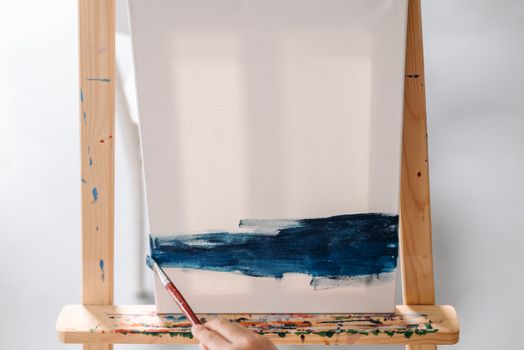 Photo: Pavel Danilyuk / Pexels
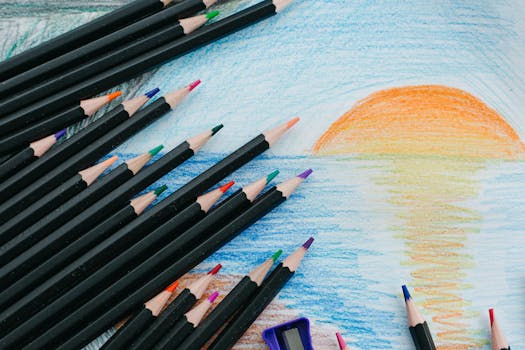 Photo: Anastasia Shuraeva / Pexels
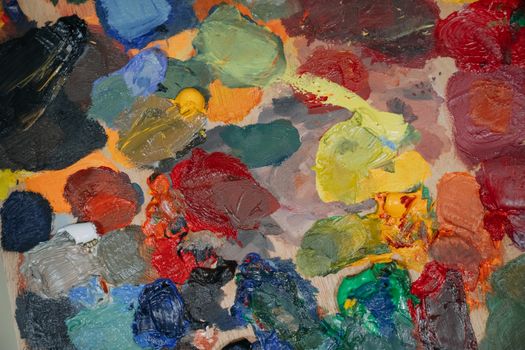 Photo: Huy Nguyễn / Pexels
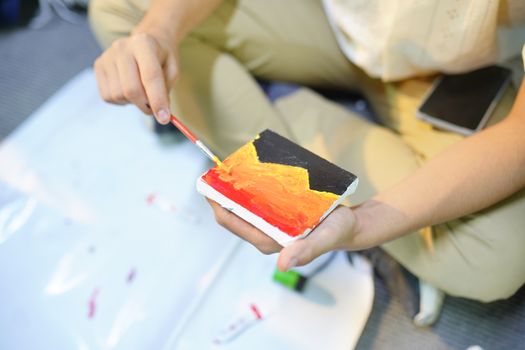 Photo: Bilal Moazzam / Pexels