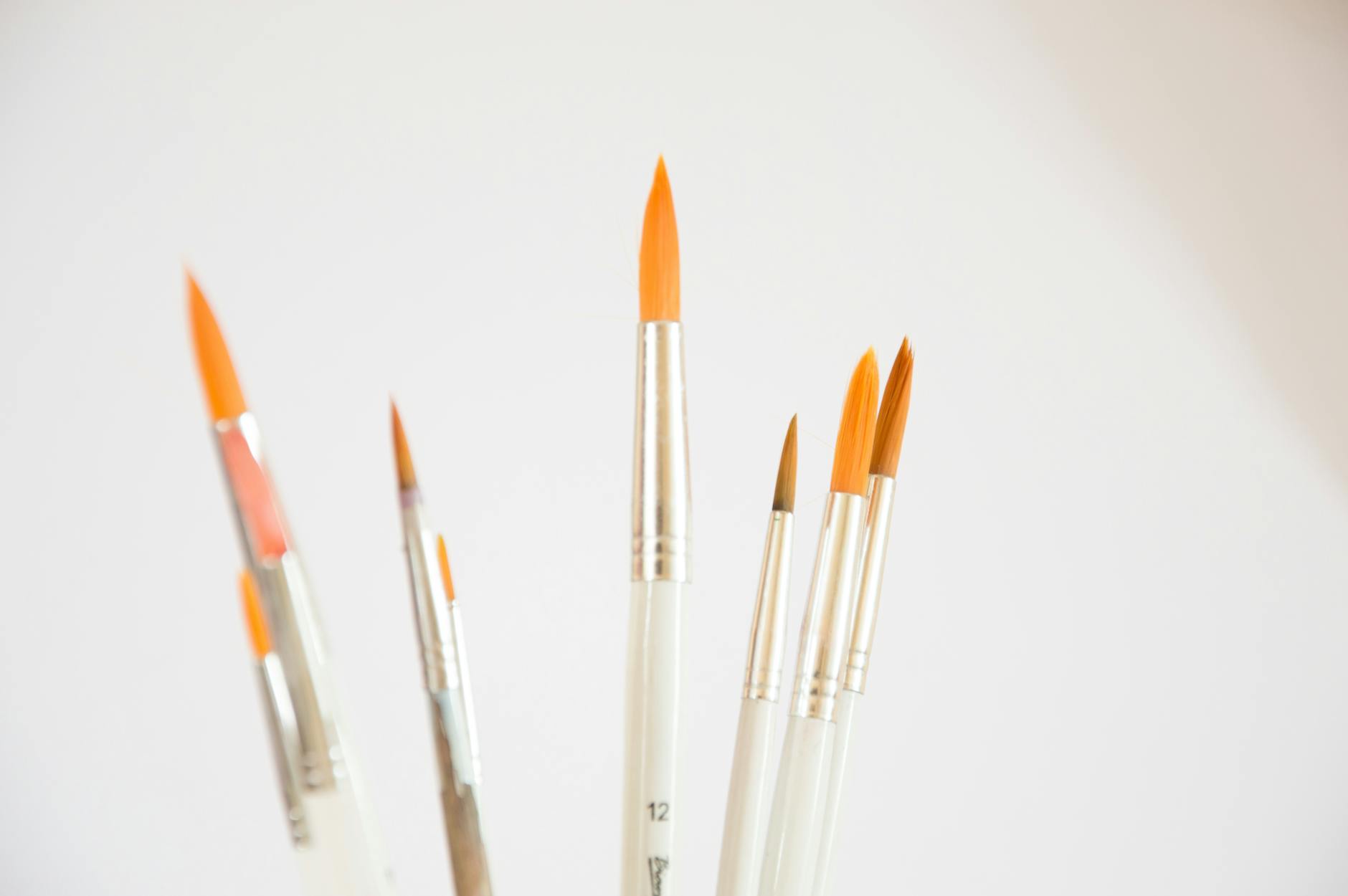
Mastering the Canvas: How to Start Painting for Beginners
how to start painting for beginners

Mastering the Canvas: How to Start Painting for Beginners

Embark on your artistic journey today with this ultimate guide to painting, designed specifically for absolute beginners.

Start Your Painting Journey

Key Takeaways

  • ✓ You don't need natural talent to start painting; passion and practice are key.
  • ✓ Acrylics are highly recommended for beginners due to their versatility and quick drying time.
  • ✓ Starting with simple subjects helps build confidence and fundamental skills.
  • ✓ Regular practice, even short sessions, is more effective than infrequent long ones.

How It Works

1
Gather Your Essential Supplies

Before dipping your brush, ensure you have the basic tools: paints, brushes, canvas, and a palette. Quality over quantity is a good starting principle.

2
Understand Basic Color Theory

Learning about primary, secondary, and tertiary colours, along with warm and cool tones, will dramatically enhance your ability to mix and apply colours effectively.

3
Practice Fundamental Techniques

Experiment with different brush strokes, blending, layering, and creating textures. These exercises build muscle memory and control.

4
Choose a Simple Subject and Paint!

Don't aim for a masterpiece initially. Start with a straightforward object, a simple landscape, or even abstract shapes to apply what you've learned.

Unlocking Your Inner Artist: Why Now Is the Time to Start Painting
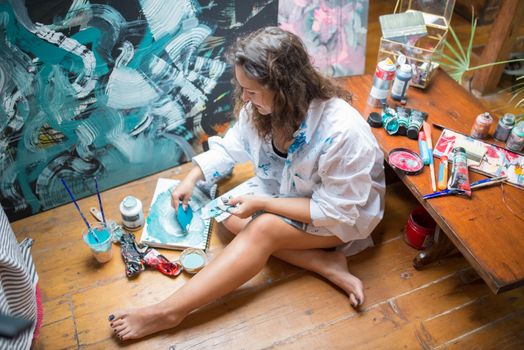
A woman artist painting abstract blue artwork indoors, surrounded by art supplies. Photo: Kampus Production / Pexels
Have you ever looked at a beautiful painting and thought, 'I could never do that'? Or perhaps you've felt a creative spark but dismissed it, believing you lack the 'talent' required? The truth is, the world of painting is accessible to everyone, regardless of prior experience or perceived artistic ability. Starting to paint is not about creating museum-worthy masterpieces from day one; it's about embarking on a journey of self-expression, discovery, and immense personal growth. Painting offers a unique escape from the stresses of daily life, providing a meditative outlet where you can focus entirely on the present moment. It engages different parts of your brain, enhancing problem-solving skills, observation, and fine motor coordination. For many, it becomes a powerful tool for mindfulness, allowing for a deep connection with colours, shapes, and textures. In South Africa, a vibrant arts scene thrives, offering a rich source of inspiration, from the diverse landscapes of the Karoo to the bustling markets of Cape Town. Embracing this creative pursuit can also be incredibly beneficial for mental well-being, reducing anxiety and boosting self-esteem as you witness your skills develop over time. Think of it less as a daunting challenge and more as an exciting adventure waiting to unfold. This comprehensive guide will equip you with everything you need to know about how to start painting for beginners, breaking down complex concepts into manageable steps. We'll demystify the initial choices, from selecting the right materials to understanding basic techniques, ensuring your first foray into painting is enjoyable and rewarding. Forget the pressure of perfection; instead, focus on the joy of the process. Every stroke, every colour mixed, and every canvas filled is a step forward in your artistic evolution. Remember, even the most renowned artists started somewhere, often with crude tools and uncertain hands. Their journey was defined by persistence, curiosity, and a willingness to experiment. Your journey can be just as fulfilling, opening up a new world of possibilities and a profound way to see and interpret the world around you. So, take a deep breath, shed your inhibitions, and prepare to dip your brush into the wonderful world of painting. The canvas awaits your unique story. Discover more about the benefits of creative hobbies here.

Essential Painting Supplies for the Absolute Beginner
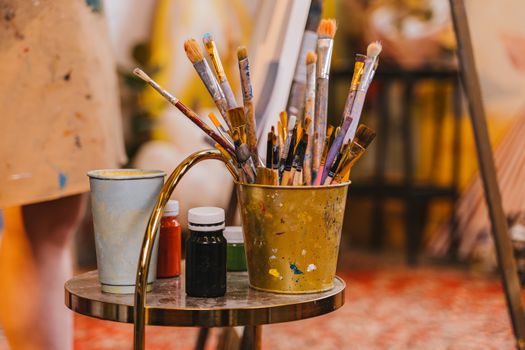
Colorful collection of painting tools in an art studio, featuring paintbrushes in a bucket. Photo: AI25.Studio Studio / Pexels
One of the biggest hurdles for anyone wondering how to start painting for beginners is often the overwhelming choice of materials. Fear not! You don't need to break the bank or buy every item in the art store. We'll focus on the absolute essentials to get you started without feeling bogged down. First, let's talk about paints. For beginners, acrylic paints are highly recommended. They are water-soluble, meaning easy cleanup with just soap and water, and they dry relatively quickly, allowing for layering without long waits. They are also incredibly versatile, working on various surfaces from canvas to wood. While oil paints offer rich colours and longer blending times, their slow drying and need for solvents make them less ideal for a first-timer. Watercolours, though beautiful, require a different approach to layering and control that can be challenging initially. Start with a basic set of acrylics, perhaps a primary colour set (red, blue, yellow) plus black and white. This will allow you to mix a vast spectrum of colours. Next, brushes. You don't need dozens. A good starting set would include a few synthetic brushes of varying sizes and shapes: a flat brush (for broad strokes and sharp edges), a round brush (for details and lines), and a small filbert or bright brush (for blending and curved strokes). Look for sets labelled 'beginner' or 'student grade' – they offer good value. Canvases are your surface. Stretched canvases are ready to use, but canvas panels or even thick watercolour paper (primed with gesso) are more affordable alternatives for practice. Start with smaller sizes, like A4 or A3, to avoid feeling overwhelmed by a large blank space. A palette is crucial for mixing colours. A simple plastic palette, an old ceramic plate, or even a piece of wax paper will suffice. Don't forget a couple of containers for water (old yogurt pots work great!) and paper towels or a rag for cleaning brushes. Finally, consider an easel if you prefer to paint upright, but painting flat on a table is perfectly fine for beginners. A pencil and eraser for initial sketches and a ruler for straight lines can also be useful. Remember, the goal is to get started, not to have the perfect setup. You can gradually upgrade your tools as your skills and preferences evolve. The most important 'supply' is your enthusiasm and willingness to experiment. With these basic tools, you're well on your way to creating your first masterpiece. Don't let the choice of materials intimidate you; simplicity is key when taking your first steps into the artistic world.

Mastering Basic Techniques: Your First Strokes on the Canvas
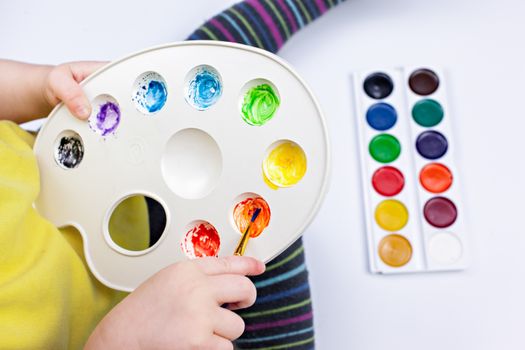
From above of crop unrecognizable kid with paintbrush and palette blending aquarelle paints on white background Photo: Julia Filirovska / Pexels
Once you have your supplies, the next step in learning how to start painting for beginners is to get comfortable with basic techniques. Don't jump straight into painting a complex scene; instead, dedicate some time to practice fundamental skills. Think of it like learning scales before playing a song on a musical instrument. Start with brush control. Hold your brush comfortably, not too tightly, and experiment with different pressures. Try making thin lines, thick lines, and varying line weights. Practice consistent strokes, then try varying them within a single movement. This develops muscle memory and gives you a feel for how the paint moves on the canvas. Next, delve into colour mixing. This is a magical part of painting. Take your primary colours (red, blue, yellow) and mix them to create secondary colours (orange, green, purple). Then experiment with mixing these to create tertiary colours. Add white to lighten colours and black (sparingly) to darken them. Understand that mixing colours on your palette will often look different once applied to the canvas, so swatch them. Pay attention to how colours interact – warm colours (reds, yellows) tend to advance, while cool colours (blues, greens) recede. Learn more about the psychology of color in art. Blending is another crucial technique. With acrylics, you'll need to work relatively quickly due to their fast drying time. Try blending two colours directly on the canvas by overlapping wet paint. For smoother transitions, you can use a slightly damp brush or a blending medium. Layering is fundamental to building depth and dimension. Acrylics allow for opaque layers, where you completely cover the previous colour, or translucent glazes, where you apply thin, diluted paint to let the underlying colour show through. Experiment with both. Finally, explore texture. You can create texture by using thick applications of paint (impasto), dry brushing (using very little paint on a dry brush for a scumbled effect), or by incorporating other materials like sand or gel mediums into your paint. Don't be afraid to make mistakes; they are invaluable learning opportunities. Dedicate a separate canvas or a sheet of paper solely for practice and experimentation. This removes the pressure of creating a 'good' painting and allows you to freely explore. The more you practice these foundational techniques, the more confident and expressive your painting will become. Remember, every master artist started with these basic steps, building their unique style upon a solid understanding of their tools and materials.

Overcoming Common Beginner Challenges and Finding Inspiration
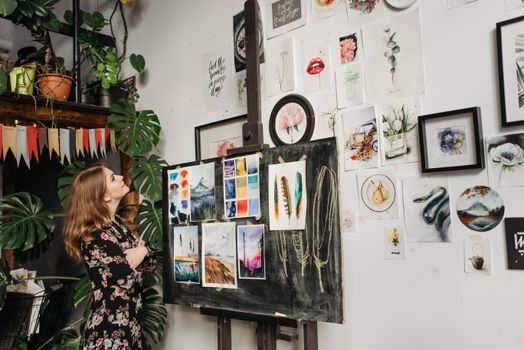
A young woman in a floral dress admires a collection of artwork in a creative studio setting. Photo: Pavel Danilyuk / Pexels
Embarking on your painting journey, especially how to start painting for beginners, inevitably comes with its own set of challenges. One of the most common is the fear of the blank canvas. That pristine white surface can feel intimidating, almost demanding perfection. To overcome this, simply make a mark. Don't think, just paint a base colour, doodle some lines, or splatter a bit of paint. Breaking that initial barrier often liberates your creative flow. Another frequent struggle is the comparison trap. It’s natural to see other artists' work, especially on social media, and feel discouraged. Remember that every artist has their unique journey and skill level. Focus on your own progress and celebrate small victories. Your art is an expression of *you*, and that's its inherent value. Don't compare your beginning to someone else's middle or end. Lack of inspiration can also hit hard. When you feel a creative block, step away from the canvas. Look for inspiration in everyday life: the way light hits an object, the colours of a sunset in the South African bushveld, the patterns in a fabric, or even a simple photograph. Visit art galleries, watch documentaries about artists, or simply go for a walk and observe your surroundings with an artist's eye. Keep a sketchbook to jot down ideas or quick sketches – these don't have to be masterpieces, just visual notes. Procrastination is another silent killer of creative dreams. The best way to combat it is to set aside dedicated, even short, painting sessions. Even 15-30 minutes of focused painting can make a difference. Consistency is more important than duration. Finally, don't be afraid of 'bad' paintings. Not every piece you create will be a masterpiece, and that's perfectly okay. Each 'failed' attempt is a stepping stone, a lesson learned. Sometimes, covering up a 'bad' painting with gesso and starting anew on the same canvas can be incredibly liberating. Embrace the process, the learning, and the joy of creation. Your unique artistic voice will emerge with persistence and patience. Here are some actionable tips:
  • Start Small: Don't tackle a grand landscape on your first try. Begin with simple still life arrangements or abstract colour studies.
  • Copy to Learn: Find paintings you admire and try to replicate them. This is a time-honoured way to learn techniques and understand composition.
  • Join a Community: Connect with other beginner artists online or in local groups. Sharing your work and getting constructive feedback can be incredibly motivating.
  • Experiment with Mediums: While starting with acrylics is great, don't be afraid to try other mediums later to see what resonates with you.
  • Take a Class: Local art workshops or online courses can provide structured learning and guidance.

Comparison

FeatureAcrylic Paints (Best for Beginners)Oil Paints (Alternative 1)Watercolours (Alternative 2)
Drying TimeFastVery SlowFast
CleanupWater & SoapSolvents (Turpentine/Mineral Spirits)Water & Soap
VersatilityHigh (various surfaces, textures)Moderate (canvas, wood)Moderate (paper specific)
Blending DifficultyMedium (dries fast)Easy (long open time)High (requires quick work)
Cost for BeginnersAffordableModerate to HighAffordable

What Readers Say

"I always wanted to paint but felt intimidated. This guide on how to start painting for beginners gave me the confidence to buy my first set of acrylics. The tips on basic techniques were incredibly helpful, and I've already painted three small canvases!"

Lerato M. · Johannesburg, ZA

"As someone with zero artistic background, I found the section on essential supplies invaluable. It stopped me from overspending and helped me focus on what truly matters to begin my painting journey."

Sipho D. · Cape Town, ZA

"This article was exactly what I needed! Following its advice, I've managed to overcome my fear of the blank canvas and now dedicate an hour every day to painting. My stress levels have significantly reduced."

Thandi N. · Durban, ZA

"A very thorough guide for beginners. While I still struggle with blending acrylics, the section on practice and not comparing myself to others was a great reminder to keep going. Good advice overall."

Pieter V. · Pretoria, ZA

"I used this guide to help my teenage daughter start painting, and she absolutely loves it! The instructions are clear, and the emphasis on fun over perfection made it a really positive experience for her."

Zola K. · Port Elizabeth, ZA

Frequently Asked Questions

What's the absolute best paint to start with for beginners?

For absolute beginners, acrylic paints are hands-down the best choice. They are versatile, water-soluble for easy cleanup, dry quickly allowing for layering, and work on a variety of surfaces. This makes them forgiving and less intimidating for a first-time painter.

Do I need natural talent to start painting?

Absolutely not! The idea that you need 'natural talent' is a myth that discourages many aspiring artists. Painting is a skill that can be learned and developed through practice, patience, and persistence, just like any other craft. Your passion and willingness to learn are far more important than any innate ability.

How do I choose my first painting subject?

Start with something simple and familiar. A single piece of fruit, a vase, a simple geometric shape, or even a basic colour study can be excellent starting points. Avoid complex landscapes or portraits initially. The goal is to practice techniques and build confidence, not to create a masterpiece immediately.

Is painting an expensive hobby to start?

Painting can be as expensive or as affordable as you make it. For beginners, it's highly recommended to start with student-grade paints and basic brushes, which are very cost-effective. You don't need a full studio setup; a simple table, basic supplies, and a willingness to create are all you truly need to begin.

How do acrylics compare to watercolours for a beginner?

While both are water-soluble, acrylics offer more versatility and opacity, allowing for easier corrections and layering. Watercolours require a different approach, often relying on transparency and precise planning, which can be more challenging for a complete beginner to master without prior experience.

Who should consider starting painting?

Anyone looking for a creative outlet, a stress-reducing hobby, a way to express themselves, or simply wanting to try something new should consider starting painting. It's beneficial for all ages and backgrounds, fostering mindfulness, observation skills, and self-esteem.

Are there any health risks associated with beginner painting supplies?

Generally, student-grade acrylics and watercolours are non-toxic and safe to use. However, always ensure good ventilation, especially if using any mediums or varnishes. Avoid ingesting paint and wash your hands thoroughly after painting. If you advance to oil paints, be mindful of solvents like turpentine, which require careful handling and ventilation.

What are some future trends for beginner painters to be aware of?

The rise of online art communities and virtual workshops continues to grow, offering accessible learning and inspiration. There's also an increasing interest in eco-friendly art supplies and exploring digital painting as a complement to traditional mediums, providing more avenues for creativity and skill development.

Ready to pick up that brush and unleash your inner artist? This comprehensive guide has provided you with the foundational knowledge on how to start painting for beginners, from selecting your first supplies to mastering basic techniques and overcoming common fears. Don't wait another day to embark on this incredibly rewarding creative journey. Your canvas awaits!

Topics: how to start painting for beginnersbeginner painting techniquespainting supplies for beginnerseasy painting ideasart for beginners
Leo List
Brampton weed
Adultwork EstrelaBet Vai de Bet R7 Bet Betão Galera Bet Rainbet Bet9ja Shop SportyBet BetKing Sisal Loto Foot Hollywoodbets YesPlay Odibets RushBet Jugabet BetWarrior BetCity MSport betPawa Fortebet