How to Start Painting as a Hobby: Your Creative Journey Begins
how to start painting as a hobby

How to Start Painting as a Hobby: Your Creative Journey Begins

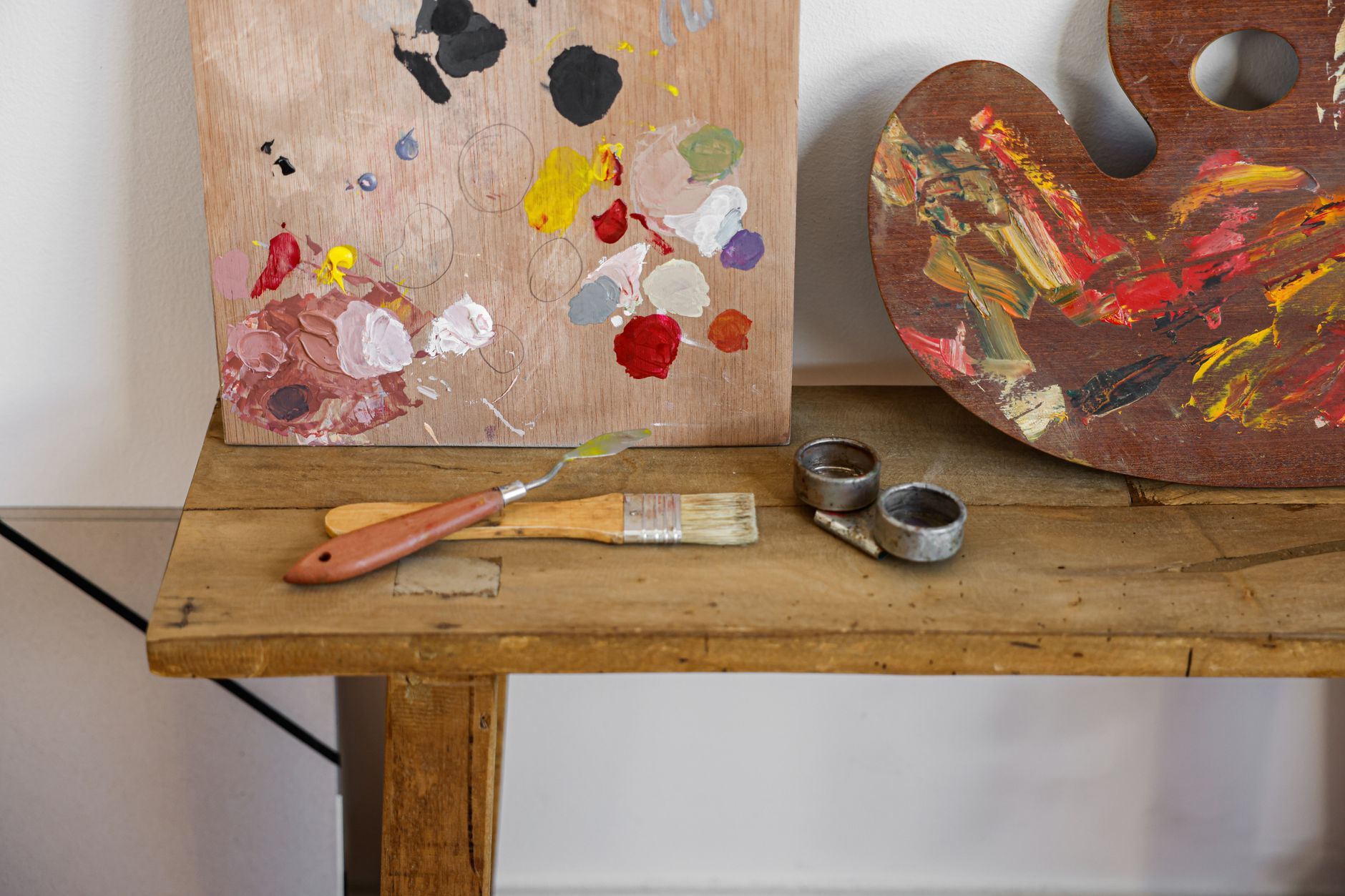
An artist's palette and brushes on a rustic wooden table, showcasing vibrant paint colors.Photo: Cup of Couple / Pexels

How to Start Painting as a Hobby: Your Creative Journey Begins

Unleash your inner artist and find profound joy in the world of painting, no experience needed.

Begin Your Artistic Adventure

Key Takeaways

  • ✓ Anyone can learn to paint, regardless of prior experience.
  • ✓ Starting with affordable materials is perfectly acceptable and recommended.
  • ✓ There are numerous painting mediums to explore, each with unique characteristics.
  • ✓ Focus on enjoyment and experimentation, not immediate perfection.

How It Works

1
Gather Your Basic Supplies

Acquire essential paints, brushes, and surfaces without overspending. Start simple to avoid overwhelm and unnecessary costs.

2
Choose Your First Medium

Decide between acrylics, watercolours, or oils for your initial foray. Each offers a distinct learning curve and artistic experience.

3
Learn Basic Techniques

Familiarise yourself with fundamental brushstrokes, colour mixing, and composition. Online tutorials and beginner classes are excellent resources.

4
Start Painting and Experiment

Don't be afraid to make mistakes; they are part of the learning process. Paint regularly, explore different subjects, and enjoy the creative journey.

Embracing the Artist Within: Why Start Painting?
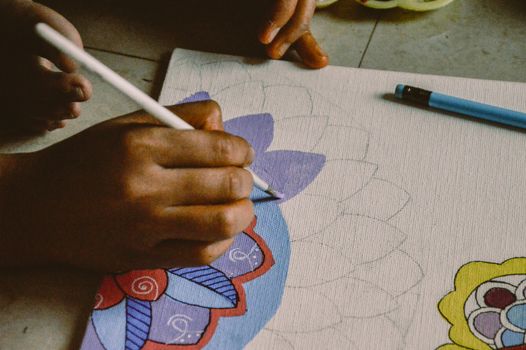
A person's hand skillfully painting a colorful floral design on canvas with watercolors.Photo: Ravi Kant / Pexels
Have you ever found yourself admiring a beautiful landscape painting, a vibrant portrait, or an abstract piece that speaks to your soul, and thought, 'I wish I could do that?' The good news is, you absolutely can! Starting painting as a hobby is one of the most rewarding and accessible creative pursuits you can undertake, regardless of your age, background, or perceived artistic talent. In South Africa, a nation rich in vibrant colours, diverse cultures, and breathtaking natural beauty, there's an endless wellspring of inspiration right on your doorstep. From the bustling markets of Johannesburg to the serene vineyards of Stellenbosch, or the dramatic coastline of the Wild Coast, our surroundings offer a unique palette for any budding artist. Beyond the joy of creation, painting offers a wealth of mental and emotional benefits. It's a powerful stress reliever, allowing you to immerse yourself fully in the present moment, much like meditation. The act of mixing colours, applying strokes, and watching an image emerge from a blank canvas can be incredibly therapeutic. It fosters mindfulness, improves concentration, and provides a much-needed escape from daily pressures. Furthermore, painting boosts problem-solving skills as you tackle challenges like perspective, light, and shadow. It enhances hand-eye coordination and fine motor skills, which can be beneficial in many aspects of life. Perhaps most importantly, it nurtures self-expression. Painting gives you a unique voice, a way to communicate emotions, ideas, and perceptions that words often fail to capture. It builds self-esteem and confidence as you see your abilities grow and create something tangible from your imagination. There's an immense sense of accomplishment that comes with finishing a piece, no matter how simple. Many people fear they aren't 'talented enough' to paint. This is a common misconception. Talent is often a combination of passion, practice, and perseverance. While some may have a natural inclination, art is a skill that can be learned and honed by anyone willing to dedicate time and effort. Think of it like learning to play a musical instrument or speak a new language – consistent practice yields improvement. The journey of learning to paint is just as fulfilling as the destination, if not more so. It’s about the process, the exploration, and the personal growth that comes with it. Don't let self-doubt deter you. The world of art is welcoming and forgiving, encouraging exploration and personal interpretation. So, take a deep breath, push aside those inhibitions, and prepare to embark on an exciting and colourful adventure. The first step, as with any journey, is simply to begin. This guide will walk you through everything you need to know to confidently start painting as a hobby, right here in Mzansi. For more general creative pursuits, explore other creative hobbies that might spark your interest.

Your First Strokes: Essential Supplies for Beginner Painters
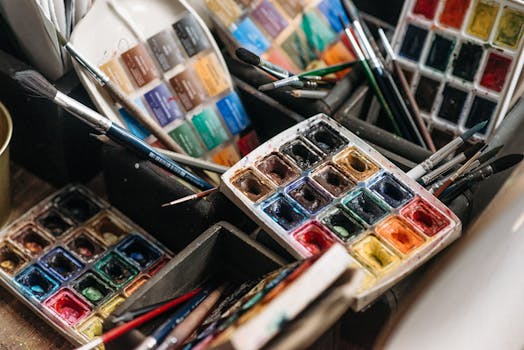
A colorful array of watercolor paints and brushes perfect for creative art projects.Photo: Pavel Danilyuk / Pexels
One of the biggest hurdles for anyone looking to start a new hobby is often the perceived cost and complexity of getting started. Painting can indeed be an expensive pursuit for professionals, but for beginners, it doesn't have to be. The key is to start simple and expand your toolkit as your skills and interests develop. Think of it as an investment in your well-being and creativity, but one that doesn't require breaking the bank from day one. In South Africa, there are numerous art supply stores, both physical and online, that cater to all budgets, from specialist shops in major cities like Cape Town and Durban to larger retailers that stock basic art supplies nationwide. Let's break down the essential supplies you'll need, focusing on affordability and beginner-friendliness: **1. Paints:** * **Acrylics:** Often recommended for beginners due to their versatility, quick drying time, and water-soluble nature (easy cleanup!). They are less expensive than oils and more forgiving than watercolours. You can start with a basic set of 6-12 colours (red, blue, yellow, black, white, and a few others). Brands like Dala, Reeves, or even store-brand acrylics are excellent for beginners in South Africa. Expect to pay around R150-R400 for a decent starter set. * **Watercolours:** Offer a translucent, delicate quality. They require a different approach and can be a bit trickier to control initially, but are incredibly rewarding. A basic pan set (like those from Cotman by Winsor & Newton or local Dala sets) is perfect. Cleanup is minimal, and they are very portable. A good starter set might cost R100-R300. * **Oils:** Known for their rich colours, long drying time (allowing for blending), and traditional appeal. They require turpentine or mineral spirits for cleanup, which can be a deterrent for some beginners due to fumes. While beautiful, they are generally recommended after gaining some experience with other mediums. If you're keen, look for 'water-mixable oils' for easier cleanup. A basic set could range from R300-R800. **Recommendation:** Start with acrylics. They are forgiving, vibrant, and allow you to experiment with various techniques without much fuss. **2. Brushes:** * Don't overcomplicate this. A starter pack with a few different shapes and sizes (e.g., a flat, a round, and a fan brush) will suffice. Look for synthetic brushes, as they are versatile for acrylics and watercolours and are more affordable. A good quality set of 5-10 brushes can cost R100-R300. **3. Painting Surfaces:** * **Canvas:** Stretched canvas or canvas boards are popular for acrylics and oils. Start with smaller sizes (e.g., A4 or A3) to avoid feeling overwhelmed. You can buy multipacks relatively cheaply. A pack of 3-5 small canvases might be R150-R300. * **Paper:** Thick watercolour paper (at least 200gsm) is essential for watercolours to prevent buckling. Acrylics can also be used on thick paper or even simple cardboard initially. Look for 'mixed media' paper if you want versatility. A pad of watercolour paper (A4/A3) could be R80-R200. * **Sketchbooks:** Great for practice, sketching ideas, and trying out colour palettes without committing to a larger surface. **4. Palette:** * You don't need a fancy palette. A ceramic plate, an old plastic lid, a piece of glass, or even a sheet of wax paper will work perfectly for mixing paints. **5. Water Containers:** * Two old jam jars or plastic containers are ideal – one for rinsing brushes and one for cleaner water. **6. Rags/Paper Towels:** * Essential for cleaning brushes, wiping excess paint, and correcting mistakes. Old t-shirts work wonderfully. **7. Easel (Optional):** * Not necessary for beginners. You can paint comfortably at a table. If you find yourself painting regularly and want to stand, a basic tabletop easel or a portable field easel can be a good investment later. **Where to Buy in South Africa:** * **Art Stores:** PNA, The Deckle Edge, Herbert Evans, Art Savings Club, and various independent art shops. * **General Retailers:** Check larger CNA stores, stationery sections in supermarkets like Checkers Hyper, or even online marketplaces like Takealot for basic starter kits. Remember, the goal is to get started without intimidation. You can always upgrade and expand your collection of supplies as your passion grows and you discover which mediums and tools you enjoy most. Don't feel pressured to buy the most expensive brands right away. Focus on finding what works for you and allows you to enjoy the process.

Mastering the Basics: Fundamental Painting Techniques for Beginners
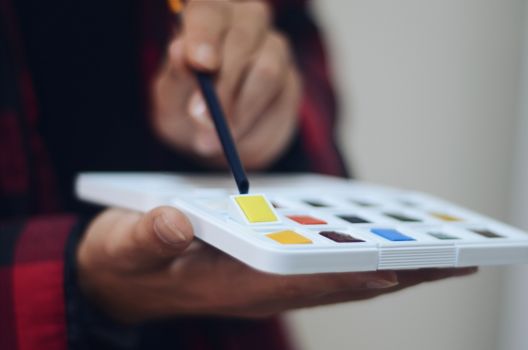
Detailed view of hands holding and using a watercolor palette with vibrant colors.Photo: Gül Işık / Pexels
Once you have your basic supplies, the next exciting step is to dive into the world of techniques. Don't worry, you don't need to be a master right away; understanding a few fundamental principles will give you a solid foundation and boost your confidence. Think of these as your building blocks for artistic expression. The beauty of painting is that there's no single 'right' way to do things; these techniques are guidelines to help you explore and develop your unique style. Here are some core techniques every beginner should explore: **1. Colour Mixing:** * **The Colour Wheel:** This is your best friend. Understand primary colours (red, blue, yellow), secondary colours (orange, green, purple, created by mixing two primaries), and tertiary colours. Learn about warm (reds, yellows, oranges) and cool (blues, greens, purples) colours and how they affect the mood of a painting. * **Mixing Practice:** Dedicate time to simply mixing colours on your palette. Experiment with different ratios to see how they change. Learn how to create tints (add white) and shades (add black or a darker complementary colour) to vary the value of your colours. * **Complementary Colours:** Colours opposite each other on the colour wheel (e.g., red and green, blue and orange) create high contrast and vibrancy when placed next to each other. They also neutralise each other when mixed, which can be useful for creating muted tones or browns. **2. Brushstrokes and Application:** * **Varying Pressure:** Experiment with how much pressure you apply to the brush. A light touch creates soft, feathery strokes, while more pressure creates bolder, wider marks. * **Brush Angles:** Try holding your brush at different angles to the canvas. The angle can dramatically change the shape and thickness of your stroke. * **Wet-on-Wet (Acrylics/Oils):** Applying wet paint onto wet paint allows for seamless blending and soft transitions. This is particularly effective for skies or smooth surfaces. * **Wet-on-Dry (All Mediums):** Applying wet paint onto a dry layer creates crisp edges and distinct layers. This is great for details or building up texture. * **Impasto (Acrylics/Oils):** Applying thick layers of paint, often with a palette knife, to create texture and dimension. This can give your painting a sculptural quality. * **Washes (Watercolours/Acrylics):** Thinning paint with water (or medium for acrylics) to create transparent layers. Watercolours are famous for this, but acrylics can also be used similarly for glazing effects. **3. Composition and Perspective:** * **Rule of Thirds:** Imagine dividing your canvas into nine equal sections with two horizontal and two vertical lines. Placing key elements along these lines or at their intersections often creates a more balanced and engaging composition than centring everything. This is a foundational concept in art and photography alike. For more on visual balance, you might find resources on design principles helpful. * **Focal Point:** Decide what the most important element in your painting is and guide the viewer's eye towards it. This could be achieved through contrast, placement, or detail. * **Foreground, Middle Ground, Background:** Understanding these elements helps create depth in your painting. Objects in the foreground are usually larger and more detailed, while those in the background are smaller, less detailed, and often lighter or bluer (atmospheric perspective). * **Basic Perspective:** Even a rudimentary understanding of one-point or two-point perspective can drastically improve the realism of your scenes, especially for landscapes or architectural subjects. Focus on how parallel lines appear to converge at a vanishing point on the horizon line. **4. Light and Shadow (Value):** * **Value Scale:** This refers to the lightness or darkness of a colour. Understanding value is crucial for creating form and dimension. A painting with a good range of values, from darks to lights, will appear more three-dimensional and impactful. * **Highlights and Shadows:** Observe how light hits objects, creating highlights (brightest areas) and shadows (darkest areas). Learn to render these to give your subjects volume and depth. **Practice Exercises:** * **Colour Swatches:** Create swatches of all your colours, mixing tints and shades. * **Brushstroke Drills:** Fill pages with different brushstrokes – straight lines, wavy lines, dots, varying pressure. * **Still Life with Simple Objects:** Arrange a few simple objects (e.g., an apple, a mug, a book) and try to paint them, focusing on shapes, colours, and light. * **Copying Masterpieces:** Find a simple painting you admire and try to replicate it. This is a fantastic way to learn about colour choices and composition without the pressure of original ideas. Remember, consistency is key. Even 15-30 minutes of focused practice a few times a week will yield significant progress. Don't be afraid to make mistakes; they are invaluable learning opportunities. Embrace the process of discovery and enjoy watching your skills grow with each stroke.

Overcoming Common Hurdles and Sustaining Your Artistic Journey

Female artist deeply engaged in painting at her creative studio workspace.Photo: Andrea Piacquadio / Pexels
Starting any new hobby comes with its set of challenges, and painting is no exception. It’s easy to feel discouraged when your first few attempts don’t match the image in your head, or when you hit a creative block. However, recognising these common hurdles and having strategies to overcome them will ensure your painting hobby remains a source of joy and growth, rather than frustration. Many beginner painters in South Africa, just like anywhere else, face similar struggles, but with the right mindset and approach, these can be transformed into stepping stones for improvement. **Common Hurdles and How to Overcome Them:** * **Fear of the Blank Canvas:** This is perhaps the most universal fear. The pristine white surface can feel intimidating, making you afraid to 'ruin' it. * **Solution:** Start with practice sheets or cheaper paper. Do quick, loose sketches or colour studies before committing to a larger canvas. Remember, it's just paint; you can always paint over it or start anew. Sometimes, just putting a random wash of colour down breaks the spell. * **Perfectionism:** Wanting your first painting to be a masterpiece is a recipe for disappointment. * **Solution:** Shift your focus from outcome to process. Celebrate small victories – a well-mixed colour, an interesting brushstroke, a successfully rendered shape. Understand that every artist, even the masters, created countless 'bad' pieces on their journey to greatness. Embrace imperfection; it's where learning happens. * **Lack of Ideas/Inspiration:** Sometimes you just don't know what to paint. * **Solution:** Look around you! Paint everyday objects in your home, local landscapes, or even abstract patterns from fabrics. Keep a sketchbook to jot down ideas, take photos of things that catch your eye. Explore online art communities, visit local galleries (such as the Iziko South African National Gallery in Cape Town or the Standard Bank Gallery in Johannesburg), or browse art books for inspiration. Don't be afraid to copy other artists' work for learning purposes – just be sure to credit them if you share it. * **Frustration with Results:** Your painting doesn't look like what you envisioned. * **Solution:** This is normal! Art is a skill that develops over time. Compare your current work to your *previous* work, not to a professional's. Take breaks and come back with fresh eyes. Ask yourself what you learned from the attempt, rather than focusing on what went 'wrong'. Consider seeking constructive feedback from an art class or a trusted friend. * **Not Enough Time:** Life gets busy, and hobbies often take a back seat. * **Solution:** Even 15-30 minutes of focused painting can make a difference. Break down larger projects into smaller, manageable chunks. Schedule painting time into your week, treating it as an important appointment. Keep your supplies easily accessible so you can jump in whenever you have a spare moment. * **Mess and Cleanup:** Especially with oils or larger acrylic projects, cleanup can seem daunting. * **Solution:** Establish a dedicated, easy-to-clean workspace. For acrylics, have two water containers and paper towels ready. For oils, use odourless mineral spirits and newspaper to absorb excess paint. Clean brushes immediately after use to prevent paint from drying in the bristles. A little preparation goes a long way in making cleanup less of a chore. **Sustaining Your Artistic Journey:** * **Join a Class or Workshop:** This is one of the best ways to learn, get feedback, and connect with other aspiring artists. Many community centres and art studios across South Africa offer beginner-friendly classes. * **Online Tutorials:** YouTube is a treasure trove of free painting tutorials for all mediums and skill levels. Websites like Skillshare or Domestika offer more structured, paid courses. * **Connect with a Community:** Share your work (if you're comfortable) on social media, join online art groups, or find local art clubs. Seeing others' work and getting encouragement can be hugely motivating. * **Experiment Constantly:** Try new colours, different brush types, varied subjects, or even mixed media. Pushing your boundaries keeps the hobby fresh and exciting. * **Celebrate Progress, Not Perfection:** Keep your early paintings. Looking back at them later will show you how far you've come and reinforce your growth. * **Gift Your Art:** Sharing your creations with friends and family can be incredibly rewarding and inspire you to keep painting. Many local craft markets also offer opportunities for artists to showcase their work. Remember, painting is a journey, not a destination. There will be good days and challenging days, but the consistent act of creation and self-expression is what truly matters. Embrace the learning curve, be kind to yourself, and most importantly, have fun with it!

Comparison

FeatureAcrylic Paints (Best Option for Beginners)Watercolour Paints (Alternative 1)Oil Paints (Alternative 2)
Drying TimeFast (minutes)Fast (minutes)Slow (days/weeks)
CleanupWater & Soap (Easy)Water (Very Easy)Solvents (Messier)
Cost (Beginner Set)R150-R400R100-R300R300-R800
Blending EaseMedium (dries fast)Difficult (transparent layers)Very Easy (long open time)
Opacity/TransparencyOpaque (can be thinned)Transparent (builds layers)Opaque (can be thinned)
VersatilityHigh (various surfaces)Medium (paper, specific surfaces)High (canvas, wood)
Fumes/OdourLow/NoneNoneModerate (solvents needed)
Forgiveness for MistakesHigh (can paint over)Low (hard to erase)High (can scrape off/paint over)

What Our Readers Say

5 ★★★★★

"I was so intimidated to start painting, but this guide broke it down perfectly. I bought a basic acrylic set and now spend hours painting. It's incredibly therapeutic and I'm genuinely surprised at what I can create!"

5 ★★★★★

"As a busy professional, I needed a creative outlet. Following these steps, I picked up watercolours and love the portability. It's a fantastic way to unwind and express myself after a long day."

5 ★★★★★

"I used to think art wasn't for me, but this article inspired me. I started with acrylics and after a month, I've already completed three small paintings I'm proud of. My stress levels have definitely gone down."

4 ★★★★☆

"The advice on starting with affordable supplies was spot on. I appreciated the detailed breakdown of different paint types, though I still find oil painting a bit messy for my small apartment. Acrylics are a great starting point."

5 ★★★★★

"This guide reminded me that painting is about the process, not just the finished product. I've been experimenting with abstract art and finding so much joy in the freedom. Highly recommend for anyone looking for a new, calming hobby."

Frequently Asked Questions

What's the absolute best medium for a complete beginner to start painting?
For a complete beginner, acrylic paints are widely considered the best starting point. They are water-soluble, meaning easy cleanup with just soap and water, and they dry quickly, allowing you to layer colours without a long wait. Acrylics are also quite forgiving; if you make a mistake, you can simply paint over it once it's dry. They work on various surfaces like canvas, paper, and wood, making them incredibly versatile and less intimidating.
I'm worried I have no artistic talent. Should I still try to paint?
Absolutely! Many people believe artistic talent is something you're born with, but it's more accurately described as a skill developed through practice and perseverance. Everyone starts somewhere, and the joy of painting comes from the process of creation and self-expression, not just the end result. Focus on enjoying the journey, experimenting, and learning, and you'll be amazed at how much you improve over time.
How do I choose what to paint when I'm just starting out?
Start simple and paint what excites you! You can begin by painting everyday objects around your home (a still life), simple landscapes from photographs, or even abstract patterns. Don't feel pressured to create a masterpiece immediately. Quick sketches, colour mixing exercises, or copying simple paintings by other artists can also be great ways to practice without the pressure of an original idea. The goal is to get comfortable with your materials and techniques.
How much does it cost to start painting as a hobby in South Africa?
You can start painting as a hobby in South Africa quite affordably. A basic beginner kit with acrylic paints, a few brushes, and some canvas boards can cost anywhere from R300 to R700. As you progress, you might invest in higher quality materials, but for getting started, there are many budget-friendly options available at art supply stores, stationery shops, and even some larger retailers across the country.
Is painting a better hobby than drawing for beginners?
Neither is inherently 'better'; they are different forms of artistic expression. Painting often involves colour and texture more prominently, while drawing focuses on line, form, and shading. Many artists start with drawing to understand fundamental concepts like proportion and perspective, which then translate well into painting. If you're drawn to colour and the tactile experience of applying paint, then painting might feel more immediately satisfying. You can also combine both, using drawing to plan your paintings.
Who should consider taking up painting as a hobby?
Painting is an excellent hobby for anyone seeking a creative outlet, stress relief, a way to express emotions, or simply a new skill to learn. It's suitable for all ages, from children to retirees. If you enjoy hands-on activities, have an appreciation for colour, or want to cultivate mindfulness and patience, painting could be the perfect fit for you. No prior experience or 'talent' is required to begin this rewarding journey.
Are there any health or safety concerns when painting?
Generally, painting with beginner-friendly mediums like acrylics and watercolours is very safe. The main concerns are usually ingesting paint (keep away from small children and pets) and proper ventilation if using strong-smelling solvents (primarily with traditional oil paints). Always read the labels on your art supplies. If you choose to use oil paints, opt for odourless mineral spirits for cleaning brushes, and ensure your workspace is well-ventilated to avoid inhaling fumes. Wash your hands thoroughly after painting.
Will AI-generated art replace the need for human painters as a hobby?
No, AI-generated art is unlikely to replace human painting as a hobby. While AI can create impressive images, the essence of painting as a hobby lies in the human process of creation, self-expression, and the tactile experience of working with materials. The personal growth, stress relief, and unique connection an individual feels with their own handmade artwork cannot be replicated by an algorithm. AI tools can be interesting for inspiration, but they don't diminish the value of personal artistic endeavour.

Ready to bring your inner world to life with colour and brushstrokes? Starting painting as a hobby is an accessible, rewarding journey that promises endless creative exploration. Gather your basic supplies, embrace the learning process, and discover the profound joy of making art with your own hands.

Topics: how to start painting as a hobbybeginner painting guidepainting supplies for beginnerslearn to paint South Africacreative hobbies for adults
Leo List
Brampton weed
Adultwork