✓ South Africa boasts a diverse and globally recognised art scene.
✓ Starting an art collection doesn't require a massive budget; passion and research are key.
✓ Authentication and provenance are crucial for valuable art pieces.
✓ Networking with galleries, artists, and advisors is highly beneficial.
How It Works
1
Define Your Vision & Budget
Understand what art resonates with you and set a realistic financial framework. This initial clarity guides all subsequent decisions and helps prevent impulsive buys.
2
Research & Educate Yourself
Immerse yourself in South African art history, contemporary trends, and artists. Knowledge empowers you to make informed choices and recognise potential value.
3
Explore & Engage with the Art Scene
Visit galleries, art fairs, and artist studios to see art in person and connect with experts. Direct engagement is vital for developing your eye and making connections.
4
Acquire & Document Your Art
Make your first purchase, ensuring you obtain all necessary documentation for provenance and insurance. Proper record-keeping protects your investment and provides peace of mind.
Understanding the South African Art Landscape for Collectors
Photo: Martin Ilunga / Pexels
South Africa's art scene is a dynamic tapestry woven with rich history, diverse cultures, and contemporary narratives. For anyone looking to understand how to start an art collection South Africa, grasping this unique landscape is paramount. The country has produced, and continues to produce, artists whose works resonate globally, reflecting socio-political histories, personal identities, and universal human experiences. From the pioneering works of Gerard Sekoto and Irma Stern to the internationally acclaimed practices of William Kentridge and Zanele Muholi, South African art offers a profound depth for collectors. The market is characterised by a blend of established artists whose works command significant prices and a vibrant ecosystem of emerging talent, often accessible at more entry-level price points.
Key to navigating this landscape is appreciating its multi-faceted nature. There's a strong tradition of resistance art, reflecting the apartheid era, which continues to inform contemporary practices. Simultaneously, artists are engaging with themes of identity, technology, environmental concerns, and globalised culture, offering a broad spectrum of aesthetics and conceptual approaches. Major cities like Johannesburg and Cape Town serve as primary hubs, housing numerous commercial galleries, public institutions, and artist studios. However, smaller towns and rural areas also contribute significantly to the artistic output, often showcasing unique regional styles and narratives. Understanding these geographical and thematic nuances allows collectors to identify areas of personal interest and potential growth.
Furthermore, the South African art market benefits from a robust network of art fairs, such as the Investec Cape Town Art Fair and FNB Art Joburg, which serve as crucial meeting points for artists, galleries, and collectors. These events offer unparalleled opportunities to view a wide range of works, meet artists, and engage with gallerists who can provide invaluable insights. Auction houses also play a significant role, particularly for secondary market works by established artists, providing a transparent platform for acquisitions and valuations. For a budding collector, becoming familiar with these institutions and events is not just about finding art; it's about immersing oneself in the community and learning from those who have shaped it. This foundational understanding is the first step in building a meaningful and valuable art collection in South Africa. It's about more than just buying art; it's about engaging with a vibrant cultural dialogue. Explore more about the rich history of South African arts to deepen your understanding.
Building Your Foundation: Budgeting, Research, and Defining Your Niche
Photo: Bence Szemerey / Pexels
Embarking on the journey of how to start an art collection South Africa requires a strategic approach, starting with a clear understanding of your financial capabilities and artistic preferences. Many aspiring collectors are intimidated by perceived high costs, but it's a misconception that you need a vast fortune to begin. Starting small, with works by emerging artists, limited edition prints, or even high-quality photographs, can be an excellent entry point. The crucial first step is to establish a realistic budget. This isn't just about the initial purchase price; it also needs to account for potential framing, shipping, insurance, and conservation costs. Decide what you are comfortable spending per piece or per year, and stick to it. This financial discipline will prevent overspending and allow for sustainable growth of your collection.
Once your budget is set, the exciting phase of research and niche definition begins. What kind of art truly speaks to you? Are you drawn to abstract expressionism, figurative painting, sculpture, photography, or multimedia installations? Do you have a particular interest in historical works, contemporary pieces, or art that addresses specific social issues? South Africa's art scene is incredibly diverse, offering something for every taste. Spend time exploring online art platforms, visiting local galleries, attending art fairs, and reading art publications. Pay attention to the artists, styles, and themes that consistently capture your attention. Don't feel pressured to follow trends; authenticity to your own aesthetic preferences is key to building a collection you will genuinely love and cherish.
Defining a niche doesn't mean limiting yourself forever, but rather providing a focus for your initial acquisitions. This could be collecting works by artists from a specific region, focusing on a particular medium, or exploring a recurring theme. A well-defined niche helps streamline your search, makes your research more efficient, and often allows you to become an expert in a particular area, which can be invaluable when identifying undervalued works or emerging talent. For instance, you might decide to focus on contemporary textile art from the Eastern Cape, or abstract painting from Johannesburg's inner city artists. This focus not only makes the collecting process more manageable but also gives your collection a unique identity and narrative, making it more cohesive and potentially more valuable over time. Remember, the journey of collecting is also a journey of self-discovery, where your tastes and understanding will evolve.
Navigating the Market: Galleries, Auctions, and Artist Studios in South Africa
Photo: Magda Ehlers / Pexels
Successfully navigating the South African art market is a critical skill for anyone learning how to start an an art collection South Africa. There are several primary avenues for acquiring art, each with its own advantages and considerations: commercial galleries, auction houses, and direct from artist studios. Understanding how to interact with each of these will significantly enhance your collecting journey. Commercial galleries are often the best starting point for new collectors. They represent artists, curate exhibitions, and act as knowledgeable intermediaries. Gallerists are passionate about the artists they represent and can provide invaluable information about an artist's background, artistic practice, exhibition history, and future potential. They are also responsible for the authenticity and provenance of the works they sell. Building relationships with gallerists is crucial; they can inform you about upcoming shows, recommend artists aligned with your interests, and sometimes offer payment plans. Many galleries also participate in art fairs, which provide a concentrated overview of the market and an opportunity to see a vast array of works under one roof.
Auction houses, such as Strauss & Co, Aspire Art Auctions, and Stephan Welz & Co, primarily deal with the secondary market – art that has been previously owned. This is where you'll find works by established and blue-chip artists, often with significant provenance. While auctions can offer opportunities to acquire important pieces, they require a different level of expertise. It's essential to thoroughly research the artist, the specific artwork's condition, and its estimated value before bidding. Familiarise yourself with auction terms, buyer's premiums, and any other associated costs. Attending auction viewings is highly recommended to inspect works in person and get a feel for the bidding process. For higher-value pieces, consider consulting with an art advisor before engaging in an auction. They can provide independent advice and even bid on your behalf.
Finally, buying directly from an artist's studio can be a uniquely rewarding experience. This avenue often allows for a more personal connection with the creator and can sometimes offer more accessible price points, as there's no gallery commission. Many emerging artists, or those not represented by a gallery, sell works from their studios or through online platforms. Visiting a studio offers a direct insight into the artist's creative process and environment. However, when buying directly, you become solely responsible for verifying the artwork's authenticity and ensuring proper documentation, such as a certificate of authenticity signed by the artist. Networking at art events, using social media, and exploring artist residency programs are great ways to discover artists working independently. Each of these channels offers distinct advantages, and a savvy collector will leverage a combination of them to build a diverse and well-rounded collection. Learn more about the various roles of art institutions in fostering a thriving art market.
Essential Tips for Art Collection Growth and Avoiding Common Mistakes
Photo: www.kaboompics.com / Pexels
As you delve deeper into how to start an art collection South Africa, understanding how to grow your collection thoughtfully and avoid common pitfalls becomes paramount. The journey is continuous, marked by learning and refinement. Here are essential tips and mistakes to steer clear of:
**Tips for Growth:**
* **Cultivate Your Eye:** Continuously look at art – in galleries, museums, online, and in books. The more you see, the more refined your taste will become, and the better you’ll understand quality and significance. Your 'eye' is your most valuable asset.
* **Network Relentlessly:** Build relationships with gallerists, artists, curators, and other collectors. These connections provide insights, opportunities, and a support system. Attend openings, talks, and art events consistently.
* **Document Everything:** Maintain meticulous records for every artwork. This includes purchase receipts, certificates of authenticity, artist biographies, exhibition history, and any relevant articles. This documentation is crucial for provenance, insurance, and potential resale.
* **Consider Conservation:** Art is fragile. Understand the basic principles of conservation – proper framing, lighting, humidity, and handling. Invest in good quality framing and be aware of environmental factors that could damage your pieces.
* **Buy What You Love (But Smartly):** While passion should drive your purchases, also consider the artist's career trajectory, the artwork's historical context, and its condition. A balance between love and informed decision-making is key.
**Common Mistakes to Avoid:**
* **Impulse Buying:** Avoid making significant purchases without proper research. Haste often leads to regret or overpaying.
* **Ignoring Provenance:** Always verify the artwork's history of ownership. A lack of clear provenance can significantly devalue a piece and raises authenticity concerns.
* **Neglecting Insurance:** Art is an asset. Ensure your collection is properly insured against theft, damage, and loss. Your home insurance might not cover high-value art.
* **Overspending:** Stick to your budget. It's easy to get carried away in the excitement of an acquisition, but financial strain can quickly diminish the joy of collecting.
* **Buying for Investment Only:** While art can appreciate, approaching it purely as a financial investment is risky. The market is unpredictable, and true joy comes from living with and appreciating the art you acquire.
* **Not Asking Questions:** Never be afraid to ask gallerists or artists questions, no matter how basic they seem. A good dealer will always be happy to educate you. Understanding these elements will not only protect your investment but also enrich your experience as an art collector in South Africa.
Comparison
Feature
Commercial Gallery
Auction House
Direct from Artist
Ideal for
Emerging/Mid-career artists
Established/Blue-chip artists
Emerging/Unrepresented artists
Price Transparency
Negotiable, set prices
Bid-driven, buyer's premium
Negotiable, often lower initial price
Provenance & Authentication
✓ (usually strong)
✓ (often verified)
✗ (requires collector's diligence)
Expert Guidance
✓ (gallerist expertise)
✓ (specialist advice)
✗ (direct artist insight)
Accessibility
High (many locations)
Medium (catalogs, online)
Medium (studio visits, online)
Building Relationships
✓
✗
✓
What Readers Say
★★★★★
"This guide truly demystified how to start an art collection South Africa. I felt overwhelmed before, but the clear steps on budgeting and researching artists made it approachable. I've now acquired my first piece from a local gallery!"
Thandi Mkhize · Johannesburg, Gauteng
★★★★★
"As a new collector, the advice on navigating galleries versus auction houses was invaluable. It helped me understand where to focus my efforts and how to ask the right questions. My collection is growing steadily now."
Liam Van Zyl · Cape Town, Western Cape
★★★★★
"The section on defining your niche really resonated with me. Following this guide on how to start an art collection South Africa, I've started focusing on contemporary photography, and it's brought so much joy and focus to my collecting."
Naledi Ndlovu · Durban, KwaZulu-Natal
★★★★★
"A very comprehensive guide. While some aspects felt a bit advanced for a complete beginner, the foundational advice on research and documentation was excellent. It's a solid resource for anyone serious about collecting South African art."
Pieter Botha · Pretoria, Gauteng
★★★★★
"I appreciate the emphasis on building relationships with gallerists and artists. It's not just about the art, but the community. This guide helped me engage with the South African art scene in a much more meaningful way."
Sarah Chen · Port Elizabeth, Eastern Cape
Frequently Asked Questions
What's the best way to start an art collection in South Africa with a limited budget?
Begin by focusing on emerging artists, limited edition prints, or smaller works from established artists. Attend student exhibitions, art fairs, and explore online platforms. Building relationships with gallerists can also open doors to more accessible pieces or payment plans.
How do I ensure the authenticity of an artwork I'm buying in South Africa?
Always purchase from reputable sources like established galleries or recognized auction houses. Request a certificate of authenticity signed by the artist or gallery, and ensure clear provenance (history of ownership). For older works, consider independent expert authentication.
Where are the best places to discover new South African artists?
Visit art fairs like Investec Cape Town Art Fair and FNB Art Joburg, explore contemporary art galleries in major cities, attend university art school graduate shows, and follow art publications and online platforms that spotlight emerging talent.
Is art collecting in South Africa a good investment?
While some art can appreciate significantly, it's generally best to collect art primarily for passion and aesthetic enjoyment rather than purely as a financial investment. The market can be unpredictable, and true value comes from the personal connection to the piece. However, well-researched acquisitions of works by established or promising artists can yield financial returns.
What's the difference between buying from a gallery and an auction house?
Galleries typically sell primary market works (first sale from artist) by artists they represent, offering direct access and expert guidance. Auction houses deal with the secondary market (resales) and can offer works by a broader range of artists, often at competitive prices, but require more independent research and understanding of bidding processes.
Who should consider starting an art collection in South Africa?
Anyone with a passion for visual culture, an interest in supporting artists, and a desire to connect with South Africa's rich artistic narratives should consider starting a collection. It's a journey for those who appreciate beauty, history, and the power of creative expression.
What are the risks associated with buying art online in South Africa?
Risks include misrepresentation of condition, lack of clear provenance, and difficulty in assessing the artwork's true appearance or scale without seeing it in person. Always use reputable online platforms, ask for high-resolution images, and ensure there's a clear return policy.
How is the South African art market expected to evolve in the coming years?
The South African art market is expected to continue its growth, with increasing international interest in contemporary African art. Digital art and NFTs may also play a more significant role, alongside a continued focus on artists who address pertinent social and environmental themes.
Ready to transform your passion into a tangible collection? This guide on how to start an art collection South Africa provides the robust foundation you need. Begin your exciting journey into the vibrant world of South African art today and cultivate a collection that reflects your unique vision and values.

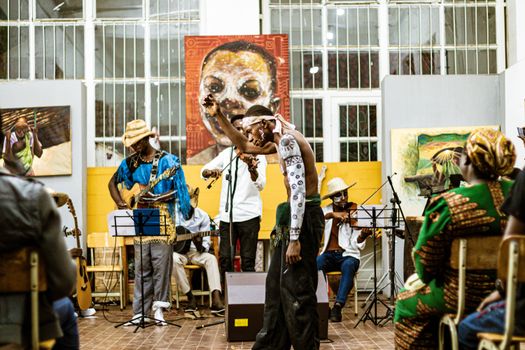 Photo: Martin Ilunga / Pexels
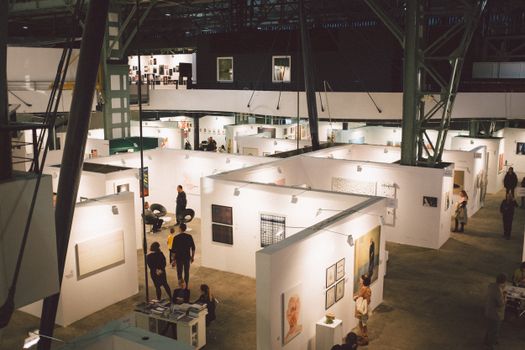 Photo: Bence Szemerey / Pexels
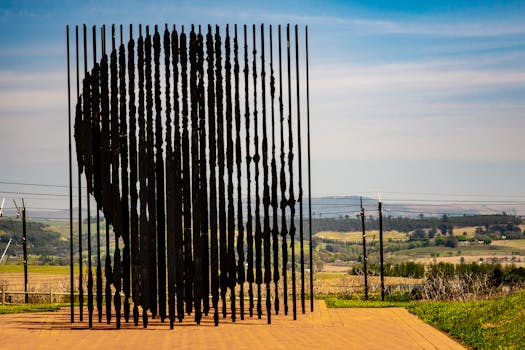 Photo: Magda Ehlers / Pexels
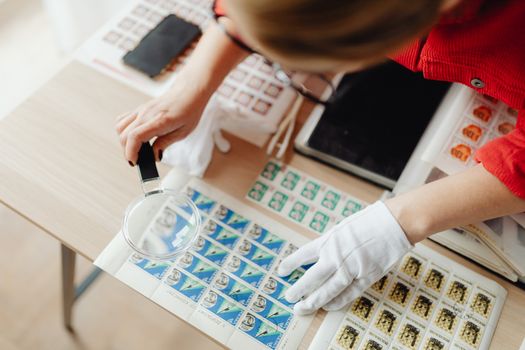 Photo: www.kaboompics.com / Pexels