How to Start an Art Collection in South Africa: Your Expert Guide
August 14, 2026 15 min read 2,924 words
Unlock the vibrant world of South African art and begin building a meaningful collection with confidence and insight.
Begin Your Art Journey
Understanding the South African Art Market Landscape
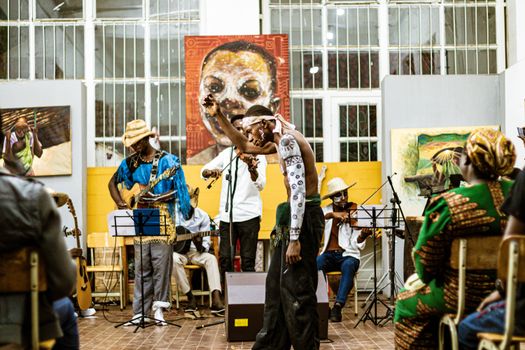 Photo: Martin Ilunga / Pexels
South Africa's art market is a vibrant, complex, and increasingly recognized global player, offering a rich tapestry of artistic expression. From the established masters to the burgeoning contemporary talents, the landscape is diverse, reflecting the nation's multifaceted history, cultures, and socio-political narratives. For anyone considering how to start an art collection in South Africa, understanding this unique ecosystem is paramount. The market is characterized by a strong sense of identity, with artists often exploring themes of heritage, identity, resistance, and hope. This distinctiveness makes South African art not just aesthetically appealing but also culturally significant.
Key players in this market include a range of institutions. Major cities like Cape Town and Johannesburg are hubs for prominent commercial galleries such as Goodman Gallery, Stevenson, and Everard Read, which represent both established and emerging artists. These galleries play a crucial role in nurturing talent, exhibiting significant works, and connecting artists with collectors both locally and internationally. Beyond these commercial spaces, non-profit organizations, artist-run initiatives, and public museums like the Iziko South African National Gallery and the Zeitz MOCAA contribute significantly to the discourse and visibility of South African art. These institutions often showcase historical works alongside contemporary pieces, providing context and depth to the art historical narrative.
Art fairs are another cornerstone of the South African art market. Events like the FNB Art Joburg and the Investec Cape Town Art Fair draw international attention, bringing together galleries, artists, and collectors from across the continent and beyond. These fairs are excellent opportunities for new collectors to see a vast array of works under one roof, engage directly with gallerists, and gain a pulse on current trends and artist valuations. They also serve as platforms for discovery, where emerging artists can gain exposure and new collectors can find accessible entry points into the market.
While the market has seen significant growth and international interest, it also presents unique characteristics. There's a strong emphasis on narrative and storytelling, often rooted in personal or collective experiences. The rise of digital platforms and online auctions has further democratized access, allowing collectors from various locations to engage with South African art. However, navigating this market requires diligence, particularly in understanding the nuances of pricing, provenance, and the long-term potential of artists. Building relationships within this community is invaluable, as insights from experienced collectors, gallerists, and art advisors can provide a significant advantage. The journey of how to start an art collection in South Africa is not just about acquiring objects; it's about engaging with a profound cultural dialogue and investing in the creative spirit of a nation. For deeper insights into the broader
world of arts, consider exploring global art movements and their influences on local scenes.
Setting Your Budget and Defining Your Collection Focus
 Photo: Ann H / Pexels
Embarking on the journey of art collecting in South Africa begins with two fundamental steps: establishing a realistic budget and defining a clear focus for your collection. These initial considerations are crucial for ensuring a sustainable and fulfilling collecting experience, preventing impulsive decisions, and guiding your acquisitions effectively. Many new collectors often feel intimidated by perceived high costs, but the South African art market offers a wide spectrum of price points, from affordable prints and works by emerging artists to significant investments in established names.
When setting your budget, it's important to be honest with yourself about what you can comfortably afford without compromising other financial commitments. Art collecting should be an enjoyable pursuit, not a source of stress. Your budget doesn't have to be a fixed, unchangeable figure; it can evolve as your knowledge and resources grow. Consider starting with a modest sum, perhaps focusing on works under a certain price threshold, and gradually increasing it as you become more confident and informed. Remember to factor in additional costs beyond the purchase price, such as framing, shipping, insurance, and potential restoration. These ancillary expenses can add a significant percentage to the overall cost of an artwork.
Equally important is defining your collection's focus. This doesn't mean you must rigidly stick to one genre or artist forever, but having a guiding principle will help you make more cohesive and meaningful acquisitions. A focus can be broad or narrow. You might be drawn to a specific artistic movement, such as resistance art from the apartheid era, or contemporary abstract painting. Perhaps you're passionate about a particular medium, like photography or sculpture. Alternatively, your focus could be thematic, exploring issues of identity, landscape, or social justice as interpreted by various artists. Some collectors choose to focus on artists from a specific region within South Africa, or those who share a particular cultural heritage.
Defining your focus involves introspection and research. What kind of art truly resonates with you? What stories do you want your collection to tell? Spend time exploring different styles, visiting various galleries, and reading about artists. The more you immerse yourself, the clearer your preferences will become. A well-defined focus not only makes the collecting process more enjoyable and less overwhelming but also adds value and coherence to your collection over time. It allows you to develop a deeper understanding of the artists and works you acquire, transforming your collection from a mere accumulation of pieces into a curated narrative. This strategic approach is key to how to start an art collection in South Africa that reflects your personal taste and intellectual curiosity.
Navigating Galleries, Art Fairs, and Online Platforms
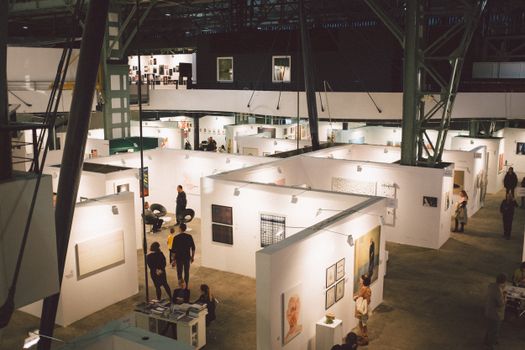 Photo: Bence Szemerey / Pexels
Once you have a budget and a focus, the next critical step in how to start an art collection in South Africa is to actively engage with the various avenues for discovery and acquisition: galleries, art fairs, and online platforms. Each offers distinct advantages and experiences, and a savvy collector will utilize a combination of all three to build a well-rounded collection and foster a deeper understanding of the art world.
**Commercial Galleries:** These are often the primary gateway for new collectors. Reputable galleries represent artists, curate exhibitions, and provide a professional environment for viewing and purchasing art. In South Africa, cities like Johannesburg, Cape Town, and Durban host numerous galleries, each with its own stable of artists and curatorial vision. When visiting a gallery, don't be afraid to engage with the gallerist or gallery staff. They are a wealth of information about the artists they represent, the artworks' provenance, and the broader market. Building a relationship with a gallerist can be incredibly beneficial; they can keep you informed about new works, upcoming exhibitions, and even offer advice tailored to your collecting interests. Look for galleries that have a strong reputation, a consistent exhibition program, and transparent pricing. They are also crucial for ensuring the authenticity of works.
**Art Fairs:** South African art fairs, such as FNB Art Joburg and Investec Cape Town Art Fair, are intense, vibrant events that bring together a multitude of galleries and artists under one roof. They are excellent opportunities to see a vast range of art in a short period, compare different styles and price points, and discover new talents. Fairs can be overwhelming, so it's wise to do some research beforehand, identify galleries or artists you're interested in, and plan your visit. Engage with gallerists, attend talks and panels, and observe what other collectors are gravitating towards. While the atmosphere can be fast-paced, fairs offer a unique chance to gauge the pulse of the market and make connections. They also often feature curated sections for emerging artists, providing more accessible entry points for new collectors.
**Online Platforms:** The digital age has revolutionized art collecting, making it more accessible than ever. Numerous online platforms, both local and international, showcase South African art. Websites like Artnet, Artsy, and local platforms dedicated to South African artists (e.g., Latitudes Online, Art.co.za) allow you to browse thousands of artworks from the comfort of your home. These platforms often provide detailed information about the artwork, artist biographies, and pricing. Online auctions can also be a source for acquiring art, but require careful due diligence regarding authenticity and condition. While online viewing can't fully replicate the experience of seeing art in person, it's an invaluable tool for research, discovery, and even direct purchase, especially for those who don't live near major art centers. Always verify the credibility of online sellers and ensure secure payment and shipping options. Remember, the key to successful collecting is a blend of informed exploration and building trusted relationships. For more on the broader
art world, exploring international platforms can also broaden your perspective.
Essential Tips for New Collectors and Common Mistakes to Avoid
 Photo: Tolga deniz Aran / Pexels
Embarking on your art collecting journey in South Africa is an exciting prospect, but like any significant endeavor, it comes with its own set of guidelines and potential pitfalls. Being aware of essential tips and common mistakes can significantly enhance your experience and protect your investment. Here’s what you need to know:
**Essential Tips for New Collectors:**
* **Buy What You Love:** This is the golden rule of art collecting. While investment potential is a consideration, your primary motivation should be a genuine connection to the artwork. If you love it, you'll enjoy living with it, regardless of its market performance.
* **Educate Yourself Continuously:** Read art books, magazines, exhibition catalogues, and follow reputable art critics. Attend lectures, artist talks, and gallery openings. The more you learn, the more discerning your eye will become.
* **Build Relationships:** Foster connections with gallerists, art advisors, artists, and fellow collectors. These relationships can provide invaluable insights, access to private viewings, and early information on new works.
* **Ask Questions:** Never hesitate to ask about an artwork's provenance (history of ownership), condition, artist's biography, exhibition history, and pricing. A reputable seller will always be transparent.
* **Inspect Thoroughly:** If possible, always view an artwork in person. Examine its condition, framing, and how it interacts with light. Photographs can sometimes be misleading.
* **Document Everything:** Keep meticulous records of your purchases, including invoices, certificates of authenticity, condition reports, and any correspondence with the seller. This documentation is crucial for insurance, resale, and establishing provenance.
* **Consider Framing and Installation:** Factor in the cost and aesthetic impact of framing. Proper framing not only protects the artwork but also enhances its presentation. Plan where and how you will display your art.
* **Start Small:** You don't need a massive budget to begin. Many emerging artists offer compelling works at accessible price points. Collecting prints, photographs, or smaller works can be a great starting point.
**Common Mistakes to Avoid:**
* **Buying Impulsively:** Avoid making rushed decisions, especially at art fairs or auctions. Take time to consider the artwork, its context, and whether it aligns with your collection's focus.
* **Ignoring Provenance:** Not verifying an artwork's history of ownership can lead to issues of authenticity, legal disputes, or diminished value. Always ask for clear provenance.
* **Overspending:** Stick to your budget. Art collecting should not put you in financial distress. There will always be more art, so don't feel pressured to buy beyond your means.
* **Neglecting Research:** Buying purely on aesthetic appeal without understanding the artist's practice, market standing, or the artwork's significance can lead to regrettable purchases.
* **Falling for Trends:** While it's good to be aware of current trends, don't let them dictate your entire collection. Trends can be fleeting; focus on timeless quality and personal connection.
* **Poor Storage and Care:** Improper handling, display, or storage can damage your artworks, significantly reducing their value and longevity. Understand the specific care requirements for different mediums.
* **Not Insuring Your Collection:** As your collection grows, ensure your artworks are adequately insured against damage, theft, or loss. Consult with an insurance specialist experienced in fine art.
* **Skipping the Contract/Invoice:** Always ensure you receive a clear, detailed invoice or sales agreement that outlines the artwork, artist, price, and terms of sale. This protects both you and the seller.
By following these tips and avoiding common pitfalls, you can build a meaningful and rewarding art collection in South Africa that brings you joy for years to come.
