How to Start an Art Collection ZA: Your Expert Guide

Vibrant close-up of handmade beaded patterns, showcasing cultural craftsmanship. Perfect for design inspiration.Photo: Magda Ehlers / Pexels

How to Start an Art Collection ZA: Your Expert Guide

Unlock the vibrant world of South African art and build a meaningful collection that reflects your passion and vision.

Begin Your Art Journey

Key Takeaways

  • ✓ South Africa has a dynamic and globally recognized art scene.
  • ✓ Collecting art is accessible to various budgets, from emerging artists to established masters.
  • ✓ Understanding provenance and authenticity is crucial for long-term value.
  • ✓ Networking with galleries, artists, and other collectors enhances the experience.

How It Works

1
Define Your Interests & Budget

Before buying, research art movements, styles, and artists that resonate with you. Establish a realistic budget to guide your initial acquisitions.

2
Research & Explore the Market

Visit local galleries, art fairs, and artist studios in South Africa. Engage with gallerists and artists to gain insights and discover new talent.

3
Make Informed Purchases

Prioritize quality, authenticity, and works that speak to you personally. Don't rush; take your time to learn about the artwork and its creator.

4
Care for Your Collection

Properly frame, display, and store your art to preserve its condition and value. Consider insurance for significant pieces.

Understanding the South African Art Landscape
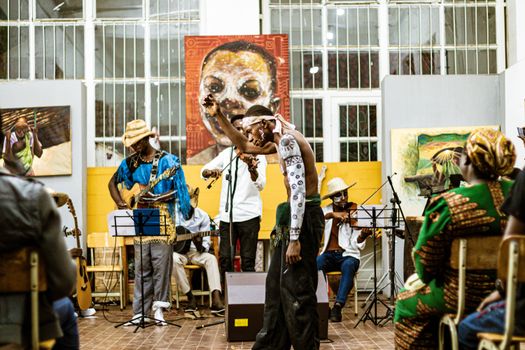
Energetic African cultural performance featuring live musicians and traditional dancers.Photo: Martin Ilunga / Pexels
South Africa boasts a rich and diverse art landscape, a vibrant tapestry woven from centuries of history, diverse cultures, and a dynamic contemporary scene. For anyone looking to start an art collection in ZA, understanding this unique ecosystem is paramount. Unlike older, more established European or American markets, the South African art market is relatively young but has rapidly gained international recognition, particularly for its post-apartheid contemporary art. This era saw an explosion of creative expression, addressing themes of identity, social justice, history, and the future, making it profoundly compelling for collectors. The country's artistic output spans a wide array of mediums, including painting, sculpture, photography, printmaking, ceramics, and performance art, reflecting the multifaceted narratives of its people. Key art hubs like Johannesburg, Cape Town, and Durban are home to numerous galleries, museums, and artist studios, each contributing to the market's vitality. Exploring these cities will expose you to both established masters and a new generation of emerging artists pushing boundaries. Navigating this market requires an appreciation for its nuances. Local art often carries deep cultural significance and can offer unique insights into the South African experience. Collectors should consider the historical context of the art they are acquiring, as well as the artist's personal journey and message. The market is also characterized by a strong sense of community, with artists, gallerists, and collectors often forming close relationships. This can be a significant advantage for new collectors, as it provides opportunities for direct engagement and learning. Furthermore, the value of South African art has seen considerable growth over the past few decades, making it an attractive proposition for both passionate collectors and investors. However, it's crucial to remember that art collecting should primarily be driven by passion and aesthetic appreciation, with investment potential being a secondary consideration. The joy of living with art that speaks to you, and supporting local talent, is often the most rewarding aspect. Familiarising yourself with local art fairs, such as FNB Art Joburg or the Investec Cape Town Art Fair, is an excellent starting point for immersion into this exciting world. These events provide a concentrated view of what the market has to offer, from emerging talents to established names, and are invaluable for networking and discovering what truly resonates with your taste. Understanding the nuances of art valuation is also crucial.

Setting Your Budget and Defining Your Collecting Focus
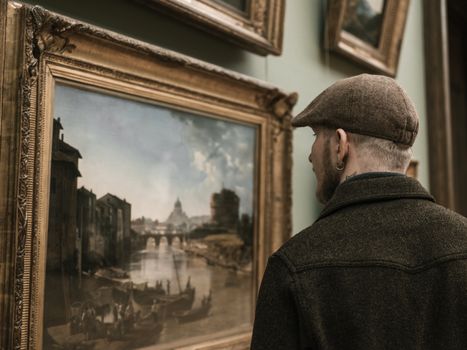
Man observing a classic landscape painting in a museum setting, showcasing art appreciation.Photo: ArtHouse Studio / Pexels
One of the most common misconceptions about art collecting is that it requires an unlimited budget. While high-value pieces certainly exist, it is entirely possible to start a meaningful art collection in ZA on a modest budget. The key lies in strategic planning and defining your collecting focus. Begin by establishing a realistic budget that you are comfortable with. This isn't just about the initial purchase price; it also includes potential costs for framing, insurance, and conservation. Don't feel pressured to spend large sums immediately. Many successful collectors started with smaller, more accessible pieces and gradually expanded their collections as their knowledge and resources grew. Emerging artists often offer excellent value and the potential for appreciation, providing an exciting entry point for new collectors. Their work is typically more affordable, allowing you to acquire multiple pieces and diversify your collection without breaking the bank. Once your budget is set, the next critical step is to define your collecting focus. What kind of art truly excites you? Are you drawn to specific mediums like photography, sculpture, or abstract painting? Do you have a particular interest in a historical period, an art movement, or themes such such as social commentary, landscape, or portraiture? Perhaps you are passionate about supporting artists from a particular region of South Africa, or those who work with specific materials. A well-defined focus will not only guide your purchasing decisions but also make the collecting process more enjoyable and less overwhelming. Without a focus, you might find yourself buying disparate pieces that don't cohere into a meaningful collection. Consider visiting university art departments, artist open studios, and smaller, independent galleries. These venues often showcase the work of talented emerging artists who are still building their reputations. Engaging directly with artists can provide invaluable insights into their creative process and the stories behind their work, forging a deeper connection to your collection. Furthermore, subscribing to gallery newsletters, following art critics, and attending artist talks can help you refine your taste and identify trends. Remember, your first few purchases don't have to be your most significant. They are stepping stones in your journey, helping you to understand what you love and what you want your collection to represent. Embrace the learning process and allow your collection to evolve organically as your knowledge and aesthetic preferences mature.

Navigating Galleries, Fairs, and Online Platforms in South Africa
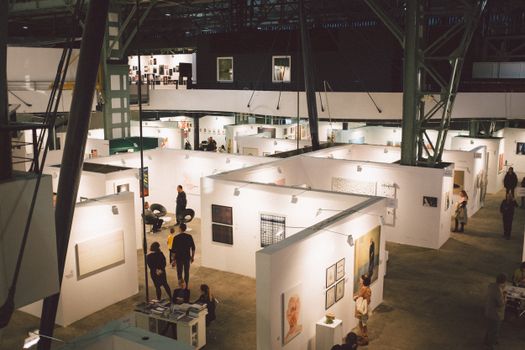
Art exhibition showcasing diverse paintings and installations in a spacious Budapest gallery.Photo: Bence Szemerey / Pexels
For anyone looking to start an art collection in ZA, understanding where to buy art is as important as knowing what to buy. The South African art market offers a variety of avenues, each with its own advantages. Traditional brick-and-mortar galleries remain a cornerstone for serious collectors. Reputable galleries play a crucial role in vetting artists, establishing provenance, and providing expert advice. They represent artists, build their careers, and often have a deep understanding of their work and market value. Visiting galleries allows you to see art in person, engage with gallerists, and learn about the artists they represent. Gallerists can guide you based on your interests and budget, and often have a pulse on emerging talent and market trends. Don't be intimidated; gallerists are generally keen to educate and assist new collectors. Major cities like Johannesburg, Cape Town, and Durban are home to a concentration of high-quality galleries, from established institutions to contemporary spaces. Art fairs are another excellent resource, offering a condensed view of the art market. Events like FNB Art Joburg and the Investec Cape Town Art Fair bring together numerous galleries under one roof, showcasing a vast array of local and international art. These fairs are perfect for discovering new artists, comparing different styles, and networking with gallerists and other collectors. The energy at art fairs is often palpable, making them exciting places to experience the breadth of the art world. While the volume can be overwhelming, a targeted approach, perhaps focusing on a specific section or price point, can be very effective. In recent years, online platforms have democratized art collecting, making it more accessible to a global audience, including those in South Africa. Websites like Artsy, Artnet, and even local platforms dedicated to South African artists, allow you to browse and purchase art from the comfort of your home. These platforms often feature a wide range of price points and artistic styles. However, buying art online requires careful due diligence. Always verify the authenticity of the artwork, the reputation of the seller, and review high-resolution images. It's also advisable to inquire about shipping costs and return policies. Auctions, both live and online, can also be a source for acquiring art, particularly for established artists or secondary market pieces. Auction houses like Strauss & Co or Stephan Welz & Co in South Africa regularly hold sales featuring significant works. While auctions can offer opportunities, they require a good understanding of market values and bidding strategies. Remember to factor in buyer's premiums and other fees. Regardless of the platform, always prioritize thorough research and, if possible, seek expert advice, especially for significant purchases. Building relationships with trusted gallerists or art advisors can provide invaluable support throughout your collecting journey. For more insights on this, read about investing in art.

Essential Tips for the Aspiring South African Art Collector
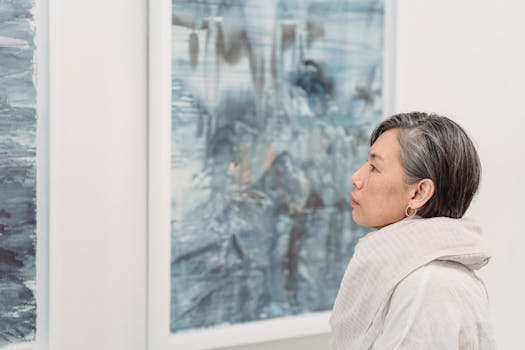
A woman in a gallery attentively observes a captivating abstract painting on the wall.Photo: Greta Hoffman / Pexels
Embarking on an art collecting journey in South Africa is an exciting endeavor, and a few key tips can help you navigate the path successfully and avoid common pitfalls. Firstly, *buy what you love*. This is perhaps the most fundamental advice. While art can be an investment, its primary purpose is to enrich your life. If you buy art solely for its investment potential without genuine appreciation, you risk ending up with pieces that don't bring you joy. Passion fuels a sustainable collection. Secondly, *do your homework*. Research the artist, their background, their exhibition history, and their place within the broader art historical context. Understand the medium and techniques used. Knowledge empowers you to make informed decisions and appreciate the art more deeply. Thirdly, *build relationships*. Engage with gallerists, artists, curators, and other collectors. These relationships are invaluable for learning, discovering new talent, and gaining access to opportunities. Gallerists, in particular, can become trusted advisors who understand your taste and can alert you to suitable works. Fourthly, *don't be afraid to ask questions*. No question is too basic when you are starting out. Ask about provenance, authenticity, condition reports, framing, and installation. A reputable seller will be transparent and happy to provide all necessary information. Fifthly, *consider the long-term care of your art*. Proper framing, display in appropriate lighting, and environmental control are crucial for preservation. Understand that art requires care and maintenance to retain its condition and value over time. Finally, *be patient*. Building a meaningful art collection is a marathon, not a sprint. It takes time to develop your eye, refine your taste, and acquire pieces that truly resonate. Enjoy the process of discovery and allow your collection to evolve with you. Avoid impulsive purchases and take time to consider each piece carefully. **Common Mistakes to Avoid:** * **Buying without research:** Leads to regret and potentially overpriced or inauthentic art. * **Ignoring condition:** Damage significantly impacts value and requires costly restoration. * **Overspending:** Sticking to your budget prevents financial strain and allows for future acquisitions. * **Following trends blindly:** Collect what genuinely appeals to you, not just what's popular. * **Neglecting proper documentation:** Always keep receipts, certificates of authenticity, and any provenance documents.

Comparison

FeatureEstablished GalleriesArt FairsOnline PlatformsArtist Studios
Curated SelectionHighMedium-HighVariesDirect
Expert AdviceHighMediumLimitedHigh
Price RangeMedium-HighVariesLow-HighLow-Medium
Authenticity GuaranteeVaries
Physical Viewing

What Our Readers Say

5 ★★★★★

"This guide was incredibly helpful for me to start an art collection in ZA. I always thought it was out of reach, but the tips on budgeting and finding local artists made it feel so much more accessible. I've already bought my first piece!"

5 ★★★★★

"As a new collector, the advice on navigating galleries and art fairs was invaluable. I felt much more confident approaching gallerists after reading this, and it led to a fantastic acquisition."

5 ★★★★★

"The focus on South African artists and the local market truly resonated with me. I now have a clearer vision for building a collection that celebrates our rich cultural heritage. My collection has grown significantly thanks to these insights."

4 ★★★★☆

"A very comprehensive guide. While some aspects were familiar, the specific recommendations for South African resources were particularly useful. I appreciated the emphasis on buying what you love."

5 ★★★★★

"I used to think art collecting was only for the elite. This article completely changed my perspective, showing me how to start an art collection in ZA on a budget and supporting emerging talent. I'm now actively visiting studios and building my collection."

Frequently Asked Questions

What is the best way to start an art collection in ZA if I have a limited budget?
Begin by researching emerging artists, visiting university art shows, and exploring smaller, independent galleries. Consider acquiring prints, limited editions, or smaller original works. Many artists offer more affordable pieces as they build their careers, providing excellent entry points into collecting. Prioritize passion over immediate investment return.
How can I ensure the authenticity of art I purchase in South Africa?
Always purchase from reputable galleries, established art dealers, or known auction houses. Request a certificate of authenticity, an invoice detailing the artwork, and any available provenance documents (history of ownership). Building relationships with trusted gallerists is key, as they vet the artists they represent.
Where are the best places to see South African art to inform my collection?
Start by visiting major art museums like Zeitz MOCAA in Cape Town and the Johannesburg Art Gallery. Explore commercial galleries in key art districts. Attending art fairs such as FNB Art Joburg and the Investec Cape Town Art Fair provides a concentrated overview of the market and new talent.
Is collecting South African art a good investment?
While South African art has seen significant appreciation, especially works by established artists, art collecting should primarily be driven by personal enjoyment and passion. Investment potential should be a secondary consideration. Research market trends and consult with art advisors if investment is a primary goal, but never guarantee returns.
How do online art platforms compare to physical galleries for buying art in ZA?
Online platforms offer convenience and a broader selection, often with more accessible price points. However, physical galleries allow you to experience the art in person, verify condition, and receive personalized advice from gallerists. For significant purchases, a physical viewing is generally recommended, or at least a very thorough online viewing with high-resolution images and condition reports.
Who should consider starting an art collection in ZA?
Anyone with an appreciation for aesthetics, a desire to support local talent, and an interest in cultural expression should consider starting an art collection in ZA. It's a journey for individuals who want to enrich their living spaces, engage with thought-provoking works, and potentially contribute to the legacy of South African art.
What are the risks involved in collecting art in South Africa?
Risks include acquiring inauthentic pieces, overpaying, damage to artworks due to improper handling or display, and the potential for market value fluctuations. Mitigate these by buying from reputable sources, thorough research, proper care, and considering insurance for valuable pieces. Always be cautious of 'too good to be true' deals.
What future trends should I be aware of in the South African art market?
The South African art market is increasingly embracing digital art and NFTs, though traditional mediums remain strong. There's a growing international interest in contemporary African art, which suggests continued market growth and recognition for local artists. Sustainability and socially conscious art are also emerging themes, reflecting global trends.

Ready to embark on your exciting journey to start an art collection in ZA? Use this guide as your compass to explore the vibrant South African art scene, discover compelling artists, and build a collection that truly speaks to you.

Topics: how to start an art collection zaSouth African art investmentbuying art in South Africacollecting art for beginners ZAlocal art market ZA