✓ South African art dates back tens of thousands of years with San rock art.
✓ Colonialism profoundly impacted artistic themes and mediums.
✓ Apartheid era art served as a powerful tool for protest and social commentary.
✓ Post-apartheid art reflects a complex society grappling with identity and reconciliation.
How It Works
1
Ancient Origins
We begin with the San people's rock art, the earliest forms of artistic expression, revealing deep spiritual and cultural narratives. These ancient works set the foundational aesthetic for the region.
2
Colonial Encounters
Explore how European settlement introduced new artistic techniques and themes, often clashing with or co-opting indigenous forms. This period marks a significant shift in artistic production and patronage.
3
Apartheid's Shadow
Delve into the art produced during the apartheid era, a time when art became a vital voice for resistance, documentation, and the preservation of identity. Artists courageously used their craft to challenge injustice.
4
Contemporary Voices
Understand the vibrant and diverse art scene post-1994, where artists explore themes of reconciliation, memory, globalization, and the ongoing quest for a unified national identity. This era showcases a rich tapestry of styles and perspectives.
The Ancient Roots: San Rock Art and Indigenous Expressions
Photo: toshihiko tanaka / Pexels
The narrative of South African art begins not in galleries or studios, but on the ancient rock faces scattered across the vast landscapes of the region. Tens of thousands of years before European arrival, the San people, indigenous hunter-gatherers, created astonishingly sophisticated rock paintings and engravings. These aren't merely decorative images; they are profound windows into their spiritual beliefs, daily lives, hunting practices, and social structures. San rock art is characterized by its vivid depiction of animals, human figures engaged in rituals or hunts, and often intricate trance-induced visions. The artists used natural pigments – ochre, charcoal, manganese – mixed with binders like blood, egg white, or plant sap, enduring for millennia within sheltered rock shelters. Sites like the Drakensberg Mountains boast an unparalleled concentration of these priceless ancient artworks, recognized globally for their historical and artistic significance. The meticulous detail, dynamic movement, and symbolic depth found in San art speak to a highly developed aesthetic sensibility and a deep connection to their environment. Beyond the San, other indigenous groups, such as the Ndebele, developed unique artistic traditions, particularly in vibrant house painting and intricate beadwork. Ndebele art, with its geometric patterns and bold colours, serves not only as decoration but also as a form of communication, indicating status, age, and cultural identity. Similarly, the sculptural traditions of various ethnic groups, including the Zulu and Xhosa, often manifested in functional objects like headrests, ceremonial staffs, and pottery, imbueing everyday items with spiritual and aesthetic value. These early forms of art laid the groundwork for a rich and diverse artistic heritage, demonstrating an innate human need for expression and storytelling that predates colonial contact. Understanding these indigenous origins is crucial for appreciating the full spectrum of the history of South African art, recognizing its deep roots and the enduring power of its earliest creators. These artistic expressions were not isolated; they were integral to the social fabric, spiritual practices, and historical memory of their respective communities, acting as living archives of ancient wisdom and cultural identity. The materials used, often sourced directly from the earth, further underscore the profound connection between the art, the people, and the land they inhabited. This period truly represents the genesis of artistic endeavour on the southern tip of Africa, a testament to human creativity in its purest form.
Colonial Influences and the Dawn of Modern Art
Photo: King Cyrus Studios / Pexels
The arrival of European settlers from the 17th century onwards marked a significant turning point in the history of South African art, introducing new materials, techniques, and artistic conventions. Initially, European art in the region primarily consisted of landscape paintings, botanical illustrations, and portraiture, often reflecting a colonial gaze that depicted the land and its inhabitants through a Eurocentric lens. Artists like Thomas Baines and George French Angas documented the landscapes and indigenous peoples, though often with biases inherent to their colonial perspective. The establishment of art schools and institutions in the late 19th and early 20th centuries, such as the Michaelis School of Fine Art in Cape Town and the Durban School of Art, further cemented European academic traditions. This period saw the emergence of South African artists trained in Western styles, exploring themes that ranged from idyllic pastoral scenes to burgeoning urban life. However, this artistic development was largely segregated, with limited opportunities for black artists to access formal training or gain recognition within the mainstream art world. Despite these systemic barriers, some black artists began to emerge, often through informal apprenticeships or mission schools, developing unique styles that blended traditional African aesthetics with Western influences. Artists like Gerard Sekoto, often considered the father of black South African art, began to depict the realities of black urban life in townships like Sophiatown, offering poignant social commentary through his evocative paintings. His work, and that of contemporaries such as George Pemba, provided an authentic counter-narrative to the romanticized or stereotypical portrayals prevalent in colonial art. The mid-20th century also witnessed the rise of significant white South African artists who grappled with the complex social and political landscape. Artists like Irma Stern and Maggie Laubser, often associated with Expressionism, travelled extensively and drew inspiration from European movements, yet filtered these through a distinctly South African experience, often depicting indigenous peoples and landscapes with a unique intensity and colour palette. Their works, while sometimes controversial in their representation, played a crucial role in shaping a distinct South African modern art identity. The tension between European traditions and indigenous aesthetics, alongside the growing awareness of social injustices, began to lay the groundwork for the more overtly political art that would define the apartheid era. This period, therefore, represents a complex interplay of assimilation, resistance, and the gradual forging of a national artistic identity that was both diverse and deeply divided by the prevailing social structures. The narratives emerging from this era are essential for understanding the subsequent evolution of South African artistic expression and the ongoing dialogue between global influences and local realities. It was a time of artistic ferment, where the seeds of protest and cultural assertion were sown amidst a landscape of imposed norms and burgeoning self-discovery, leading to a rich tapestry of artistic narratives that still resonate today. The artists of this era, whether consciously or not, were charting new territories, blending disparate elements into a nascent, yet powerful, South African artistic voice.
Art as Resistance: The Apartheid Era and its Legacy
Photo: Brett Sayles / Pexels
The apartheid era (1948-1994) profoundly shaped the history of South African art, transforming it into a powerful tool for resistance, documentation, and identity assertion. Under the oppressive regime of racial segregation, art became a vital voice for those silenced and marginalized. Black artists, often working under severe restrictions and facing censorship, used their craft to expose the brutality of apartheid, depict the daily struggles of life in townships, and celebrate the resilience of their communities. Institutions like the Polly Street Art Centre in Johannesburg provided crucial spaces for black artists to train and exhibit, fostering a new generation of talent despite the lack of formal opportunities. Artists such as Dumile Feni, widely known as the 'Goya of the townships,' created powerful, expressive works that captured the anguish and defiance of the time. His sculptures and drawings, often grotesque and visceral, articulated the psychological toll of apartheid with raw emotion. Similarly, artists like Thami Mnyele, a prominent figure in the Medu Art Ensemble, used art as a direct form of political activism, creating posters, murals, and publications that aimed to mobilize resistance. Many artists were forced into exile, continuing their struggle from abroad and ensuring that the world remained aware of the injustices in South Africa. White artists also played a significant role in challenging the regime, often facing backlash from the government and conservative elements of society. Artists like William Kentridge, with his evocative animated drawings and prints, explored themes of memory, history, and the moral ambiguities of apartheid, gaining international recognition for his profound insights. Jane Alexander's haunting sculptures, such as 'The Butcher Boys,' became iconic representations of the dehumanizing effects of violence and power. Photographers like David Goldblatt and Ernest Cole meticulously documented the realities of apartheid, providing an invaluable visual record of the era, from forced removals to the harsh conditions of migrant labour. Their work served as undeniable evidence against the regime's propaganda. The art of this period was not monolithic; it encompassed a wide range of styles, from social realism to abstraction, but it was unified by a shared commitment to truth-telling and a yearning for justice. Exhibitions, both clandestine and international, became platforms for protest, bringing South African art to global attention and garnering support for the anti-apartheid movement. The legacy of apartheid art continues to resonate today, informing contemporary discussions about reconciliation, memory, and the ongoing process of nation-building. It stands as a testament to the power of art to bear witness, challenge oppression, and inspire hope in the darkest of times, leaving an indelible mark on the cultural consciousness of the nation and the world.
Contemporary South African Art: Identity, Memory, and Global Dialogue
Photo: Chris wade NTEZICIMPA / Pexels
The post-apartheid era, beginning with the democratic elections of 1994, ushered in a new chapter in the history of South African art, marked by an explosion of diverse voices and a profound engagement with national identity, memory, and reconciliation. The lifting of international sanctions and the newfound freedom of expression allowed artists to explore a broader range of themes and experiment with new mediums, moving beyond the immediate concerns of political protest. Contemporary South African art is characterized by its complexity, often grappling with the lingering wounds of the past while simultaneously celebrating the country's vibrant multiculturalism and democratic aspirations. Artists are actively engaged in questioning what it means to be South African in a post-apartheid world, exploring issues of race, gender, sexuality, land, and economic inequality. Themes of healing, forgiveness, and the construction of new narratives are prevalent. Artists like Zanele Muholi use photography to challenge stereotypes and celebrate the identities of black LGBTQIA+ individuals, creating powerful and intimate portraits that demand recognition and respect. Nandipha Mntambo explores the female body and identity through her striking use of cowhide, blurring the lines between human and animal, nature and culture. Mary Sibande critiques historical narratives and societal expectations through her iconic, larger-than-life sculptures of Sophie, her alter ego, dressed in Victorian domestic uniforms, reimagining the roles of black women in South African society. The art market in South Africa has also seen significant growth, with galleries, art fairs, and museums playing a crucial role in promoting local talent both domestically and internationally. The Zeitz MOCAA (Museum of Contemporary Art Africa) in Cape Town stands as a beacon for African contemporary art, showcasing works from across the continent and fostering a global dialogue. This period has also witnessed a greater emphasis on performance art, video art, and installation, allowing artists to engage with space and audience in innovative ways. The traditional boundaries between art forms are often blurred, reflecting a global trend towards interdisciplinary practices. Education and access to art have improved significantly, though challenges remain in ensuring equitable representation and opportunities for all artists. The ongoing dialogue between traditional African aesthetics and global contemporary trends continues to enrich the artistic landscape, resulting in a dynamic and constantly evolving art scene. Contemporary South African art is not just a reflection of its society; it actively shapes conversations about its future, offering critical perspectives, fostering empathy, and contributing to the ongoing project of building a truly inclusive and equitable nation. The artists of today are the chroniclers of a new era, navigating the complexities of their heritage with courage, creativity, and a keen eye for the human condition, making significant contributions to the global art world.
Comparison
Artistic Period
Key Characteristics
Notable Artists
Primary Themes
Ancient (San)
Rock paintings/engravings, spiritual, daily life
Anonymous San artists
Spirituality, hunting, trance visions
Colonial Era
European styles, landscape, portraits, early social commentary
Gerard Sekoto, Irma Stern
Colonial gaze, black urban life, landscapes
Apartheid Era
Resistance art, social realism, protest
Dumile Feni, William Kentridge
Oppression, resilience, identity, injustice
Post-Apartheid
Diverse mediums, identity, memory, reconciliation
Zanele Muholi, Mary Sibande
Healing, gender, race, global dialogue
What Readers Say
★★★★★
"This article beautifully captures the complex and deeply moving history of South African art. I particularly appreciated the depth given to the apartheid era's artistic resistance, which is so crucial to our national story."
Thandi M. · Johannesburg, ZA
★★★★★
"As an art enthusiast, I found this overview of South African art history incredibly insightful. It provided a clear, engaging timeline from ancient San art to the vibrant contemporary scene, making me want to visit more galleries."
David P. · Cape Town, ZA
★★★★★
"Reading this piece truly broadened my understanding of my country's artistic heritage. The way it connected the art to the socio-political context helped me grasp the profound meaning behind so many works I've seen."
Nomusa S. · Durban, ZA
★★★★★
"While excellent in its scope, I would have loved to see a bit more detail on specific regional art movements within the post-apartheid section. Still, a highly valuable and well-researched article for anyone interested in the history of South African art."
Michael V. · Pretoria, ZA
★★★★★
"This article is a treasure for anyone wanting to understand the soul of South Africa through its art. It's written with such passion and clarity, making the rich history accessible and deeply meaningful."
Lebo K. · Gqeberha, ZA
Frequently Asked Questions
What is the earliest form of South African art?
The earliest form of South African art is San rock art, dating back tens of thousands of years. These ancient paintings and engravings are found on rock faces across the country, offering profound insights into the spiritual beliefs, daily lives, and cultural practices of the San people, depicting animals, human figures, and trance visions.
How did apartheid influence South African art?
Apartheid profoundly transformed South African art into a powerful tool for resistance, social commentary, and identity assertion. Artists used their work to expose injustices, document daily struggles, and express the resilience of marginalized communities, often at great personal risk. It fostered a unique style of protest art and social realism.
Who are some famous South African artists?
Prominent South African artists span various periods. Key figures include Gerard Sekoto and Irma Stern from the colonial/early modern era, Dumile Feni, William Kentridge, and Jane Alexander from the apartheid period, and contemporary artists like Zanele Muholi, Mary Sibande, and Nandipha Mntambo, all making significant contributions to the global art scene.
Is South African art recognized internationally?
Yes, South African art has gained significant international recognition, particularly in the post-apartheid era. Artists like William Kentridge and Zanele Muholi are celebrated globally, and institutions like Zeitz MOCAA in Cape Town are dedicated to showcasing African contemporary art to a worldwide audience, fostering global dialogue and appreciation.
How does contemporary South African art differ from older forms?
Contemporary South African art is distinct in its broader thematic range, exploring identity, memory, reconciliation, and globalization post-apartheid. It utilizes diverse mediums including installation and video art, moving beyond the direct political protest of the apartheid era while still engaging with its legacy, contrasting with the more traditional or resistance-focused art of earlier periods.
Who should explore the history of South African art?
Anyone interested in art history, cultural studies, African history, or social justice should explore the history of South African art. It offers a unique lens through which to understand human resilience, cultural expression, and the impact of socio-political change on artistic output, providing rich insights for academics, students, and general enthusiasts alike.
Are there challenges still facing South African artists today?
Despite increased global recognition, challenges persist for South African artists, including issues of equitable access to education and resources, market accessibility for emerging artists, and ongoing debates around representation and decolonization within art institutions. Economic disparities also continue to impact artists from disadvantaged backgrounds.
What future trends are visible in South African art?
Future trends in South African art include continued exploration of post-colonial identities, increased engagement with digital art and new media, a growing focus on environmental themes, and further integration into the global art market. There's also a strong emphasis on reclaiming and reinterpreting indigenous narratives and aesthetics in contemporary contexts.
Embark on a profound journey through the history of South African art and let its stories of resilience, creativity, and identity inspire you. Discover the depth and diversity that make this artistic heritage truly unique, shaping not just a nation, but a global cultural dialogue. Explore, learn, and connect with the vibrant soul of South Africa through its extraordinary art.

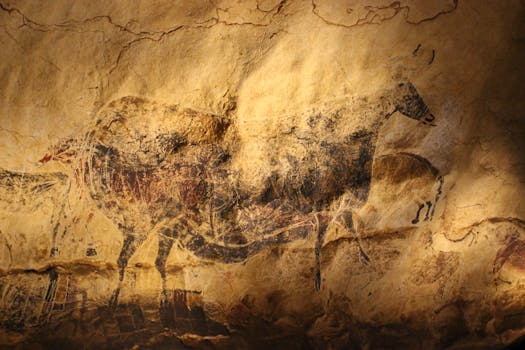 Photo: toshihiko tanaka / Pexels
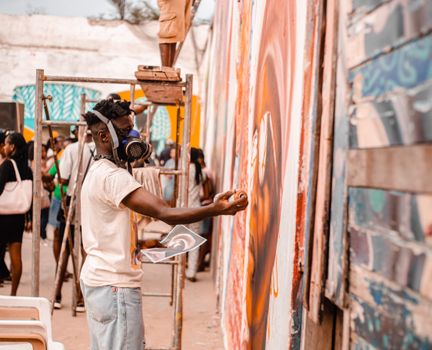 Photo: King Cyrus Studios / Pexels
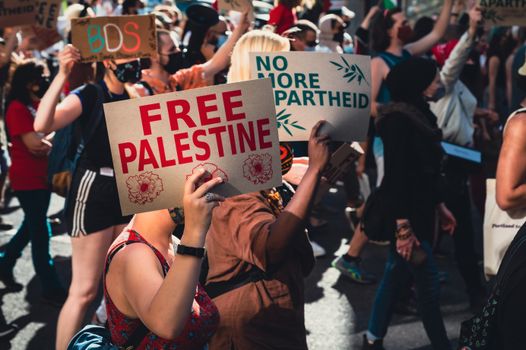 Photo: Brett Sayles / Pexels
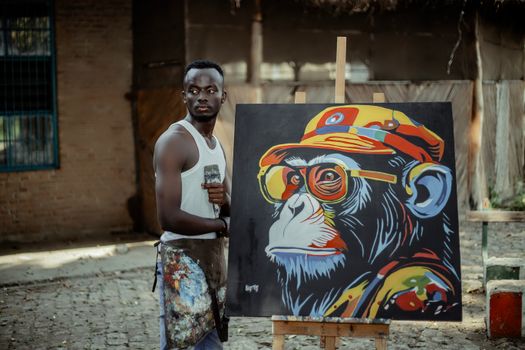 Photo: Chris wade NTEZICIMPA / Pexels