Unveiling the Rich History of South African Art
history of south african art

Unveiling the Rich History of South African Art

Journey through millennia of creativity, resistance, and identity expressed through South Africa's diverse artistic heritage.

Begin Your Exploration

Key Takeaways

  • ✓ South African art dates back tens of thousands of years to San rock art.
  • ✓ Colonialism profoundly impacted artistic expression and patronage.
  • ✓ Apartheid era art became a powerful tool for protest and social commentary.
  • ✓ Post-apartheid art reflects reconciliation, identity, and global engagement.

How It Works

1
Pre-Colonial Foundations

Understand the ancient roots of South African art, primarily focusing on the San people's rock art. These early expressions laid the groundwork for future artistic traditions.

2
Colonial Influence & Adaptation

Examine how European settlement introduced new materials, techniques, and themes, leading to a complex interplay between indigenous forms and Western styles. This period saw significant shifts in artistic production and purpose.

3
Art as Resistance (Apartheid Era)

Delve into the pivotal role art played during apartheid, serving as a vital voice against oppression and a means of preserving cultural identity. Artists used various mediums to challenge the regime.

4
Post-Apartheid Renaissance

Explore the contemporary landscape of South African art, characterized by themes of healing, nation-building, and a dynamic engagement with global art trends. This era celebrates diversity and explores new narratives.

Ancient Echoes: The Indigenous Roots of South African Art
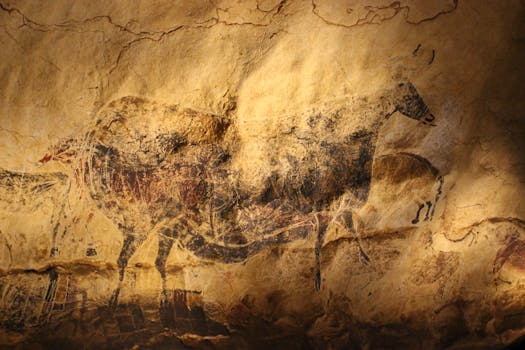
Explore the historic Lascaux cave painting, a UNESCO World Heritage site. Photo: toshihiko tanaka / Pexels
The history of South African art begins not in galleries or museums, but on the ancient rock faces and within the ceremonial practices of its earliest inhabitants. For tens of thousands of years, long before the arrival of European settlers, the San people, also known as Bushmen, meticulously documented their world through intricate rock paintings and engravings. These incredible artworks, found in shelters and caves across the country, are not merely decorative; they are profound spiritual and historical records. They depict hunting scenes, ritual dances, trance states, animal-human hybrids, and celestial beings, offering a rare window into the San's cosmology, beliefs, and daily life. The pigments, often derived from natural minerals and animal blood, were applied with remarkable skill, creating durable images that have withstood millennia. These rock art sites, such as those in the Drakensberg mountains, are UNESCO World Heritage sites and represent some of the oldest and most significant artistic expressions globally. Beyond the San, various Bantu-speaking groups, migrating southwards, also developed rich artistic traditions. These included intricate beadwork, pottery adorned with geometric patterns, finely carved wooden sculptures, and woven baskets. These indigenous art forms were deeply integrated into daily life, serving functional, ceremonial, and symbolic purposes. Beadwork, for instance, communicated social status, marital availability, and clan identity through specific color combinations and patterns. Pottery was essential for storage, cooking, and ritual, with each vessel often bearing the unique mark of its maker and community. Wooden carvings, ranging from domestic utensils to ancestral figures, were imbued with spiritual significance. These early artistic practices were communal, passed down through generations, and deeply intertwined with the cultural fabric of the societies that created them. They emphasize a holistic view of art, where creativity is inseparable from spirituality, community, and survival. Understanding these foundational indigenous art forms is crucial for appreciating the complex tapestry of South African art history, as their echoes continue to resonate in contemporary expressions, influencing themes, aesthetics, and the very spirit of artistic creation in the region.

Colonial Encounters and Evolving Artistic Landscapes
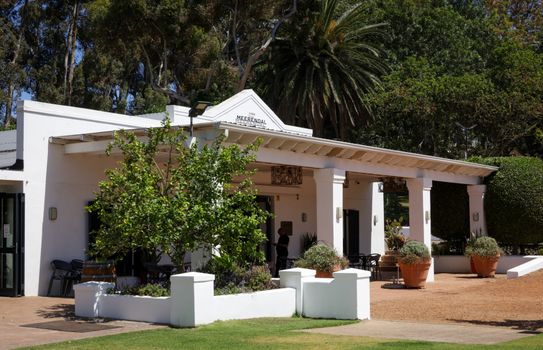
Charming colonial-style building with lush greenery on a sunny day. Photo: Magda Ehlers / Pexels
The arrival of European settlers, beginning with the Dutch in 1652 and later the British, marked a dramatic turning point in the history of South African art. This period introduced new materials, techniques, and, crucially, a Western aesthetic and system of art patronage that profoundly impacted indigenous artistic practices. Initially, European artists primarily focused on documenting the new land, its flora, fauna, and indigenous peoples through landscape paintings, botanical illustrations, and ethnographic sketches, often from a colonial perspective. Figures like Thomas Baines and George French Angas produced significant visual records, though these were filtered through a European lens. For indigenous artists, the colonial period presented both challenges and adaptations. Traditional art forms continued, often in parallel to, or in subtle resistance against, Western influences. However, the introduction of new trade goods, such as glass beads, textile dyes, and metal tools, also led to innovations in traditional crafts, allowing for new expressions and greater intricacy. Missionaries played a complex role, sometimes suppressing indigenous cultural practices deemed 'pagan,' while at other times establishing mission schools that offered Western art education. This dual influence led to the emergence of the first generation of formally trained Black South African artists, who often grappled with reconciling their traditional heritage with European artistic conventions. Artists like Gerard Bhengu and John Mohl, active in the early to mid-20th century, began to blend traditional subject matter with Western techniques, creating unique hybrid styles. The establishment of formal art schools and galleries, predominantly catering to the white settler community, further shaped the artistic landscape, often marginalizing indigenous and Black artists from mainstream recognition and economic opportunities. Despite these challenges, the period saw the slow but steady emergence of a distinct South African artistic identity, one that was increasingly aware of its unique geographical, cultural, and political context. The tension between tradition and modernity, indigenous and European, began to define the artistic output, setting the stage for the explosive expressions that would characterize the apartheid era. This complex interplay of influences highlights the resilience and adaptability of South African artists in navigating profound societal shifts.

Art as Resistance: The Apartheid Era and Beyond
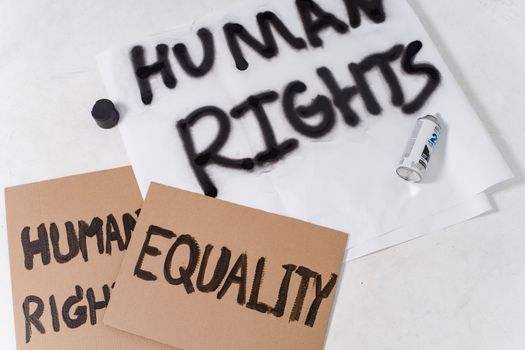
Close-up of protest materials promoting human rights and equality. Photo: Sora Shimazaki / Pexels
The mid-20th century, particularly with the formalization of apartheid in 1948, transformed South African art into a potent weapon of resistance and a crucial means of social commentary. Under a system designed to segregate and oppress, artists, particularly Black artists, found their voices amplified through their work, often at great personal risk. Art became a visual archive of injustice, a cry for freedom, and a powerful tool for preserving identity and human dignity. Artists like Gerard Sekoto, Ernest Mancoba, and George Pemba, who emerged before or during the early apartheid years, depicted the harsh realities of township life, forced removals, and the daily struggles of Black South Africans. Their work, often characterized by expressive realism and a profound sense of humanity, transcended mere documentation to become powerful statements against the regime. The Polly Street Art Centre in Johannesburg, established in the 1950s, became a crucial hub for Black artists, providing training and a sense of community in a segregated society. Later generations of artists, including Dumile Feni, Sydney Kumalo, and Louis Maqhubela, continued this tradition, often employing more symbolic and abstract forms to convey the psychological impact of apartheid. Sculptors like Jackson Hlungwani merged traditional Tsonga spirituality with Christian iconography to create powerful, often monumental, works that critiqued societal ills. The international isolation of South Africa during apartheid also shaped the art scene, leading to both internal focus and a yearning for global connection. While some artists remained in South Africa, others went into exile, their work continuing to advocate for change from abroad. The anti-apartheid movement gained significant momentum through cultural boycotts and the international exposure of artworks that depicted the struggle. Artists used various mediums – painting, sculpture, printmaking, and even performance art – to challenge the narrative of the state, expose human rights abuses, and imagine a democratic future. The impact of apartheid on art cannot be overstated; it forged a generation of artists whose work is indelibly marked by the struggle for justice and freedom, leaving an enduring legacy that continues to inform and inspire contemporary South African artistic practices. This era unequivocally demonstrated the power of art to instigate change and reflect profound societal shifts.

A New Dawn: Post-Apartheid Art and Contemporary Expressions
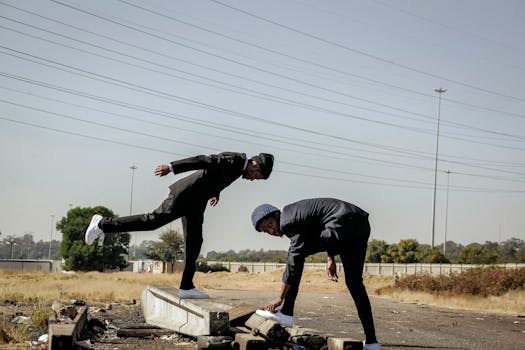
Side view of young African American males in stylish elegant outfits standing on cement pillars discarded in trash Photo: Gugulethu Ndlalani / Pexels
The dawn of democracy in 1994 ushered in a new, complex era for South African art, marked by themes of reconciliation, healing, identity, and nation-building. Artists were faced with the monumental task of processing the trauma of the past while simultaneously imagining and contributing to a new, inclusive future. This period has seen a vibrant explosion of artistic expression, characterized by diversity in styles, mediums, and subject matter. Many artists turned their gaze inward, exploring personal narratives, memory, and the psychological aftermath of apartheid. Others focused on celebrating the newly found freedoms, reimagining national symbols, and highlighting the rich tapestry of South African cultures. Themes of land, heritage, migration, gender, and socio-economic disparities remain central. Artists like William Kentridge gained international acclaim for their evocative animated films, drawings, and installations that delve into South Africa's political history and the complexities of memory. Jane Alexander's haunting sculptures, such as 'Butcher Boys,' continue to challenge viewers to confront the darker aspects of humanity and power. Photojournalism and documentary photography also played a crucial role in documenting the transition and continue to capture contemporary social issues. The post-apartheid era has also witnessed a significant increase in the visibility and recognition of Black women artists, whose voices were historically marginalized. Artists such as Zanele Muholi, with their powerful photographic portraits exploring LGBTQ+ identities, and Mary Sibande, whose striking sculptural installations challenge colonial narratives and empower Black women, have garnered international attention. The South African art market has flourished, with a growing number of galleries, art fairs, and international exhibitions showcasing the country's talent. This period also reflects a greater engagement with global art trends, while maintaining a distinctly South African perspective. The art from this era is a dynamic conversation, reflecting a society still grappling with its past, celebrating its present, and bravely forging its future. It is a testament to the enduring power of art to both reflect and shape a nation's identity, providing crucial insights into the ongoing journey of South Africa.

Comparison

Artistic PeriodDominant ThemesKey MediumsNotable Artists
Pre-ColonialSpirituality, daily life, cosmologyRock paintings, beadwork, potterySan artists (anonymous), various indigenous craftspeople
Colonial EraDocumentation, landscape, cultural clashOil painting, watercolors, early photographyThomas Baines, Gerard Bhengu (early)
Apartheid EraResistance, social commentary, identityPainting, sculpture, printmaking, photographyGerard Sekoto, Dumile Feni, Ernest Mancoba
Post-ApartheidReconciliation, memory, identity, globalismMixed media, installation, photography, digital artWilliam Kentridge, Zanele Muholi, Mary Sibande

What Readers Say

"This article beautifully captures the essence and evolution of South African art. I particularly appreciate the in-depth look at how indigenous traditions influenced later movements. It's truly eye-opening."

Thandiwe M. · Cape Town, ZA

"As an art enthusiast, I found this history of South African art incredibly comprehensive. The insights into the apartheid era's artistic resistance were especially moving and well-researched. A must-read!"

David P. · Johannesburg, ZA

"I learned so much about the rich history of South African art from this piece. It connected the dots from ancient rock art to modern expressions, giving me a much deeper appreciation for our cultural heritage and inspiring a visit to local galleries."

Lebo S. · Durban, ZA

"While incredibly informative, I would have loved to see a bit more on specific regional art forms beyond the major ones. Nonetheless, it's an excellent overview and a valuable resource for understanding the history of South African art."

Michael V. · Pretoria, ZA

"Living abroad, this article provided a fantastic connection to South African culture. The detailed descriptions of different art periods and their social contexts were brilliant. It made me want to explore more."

Sarah K. · London, UK

Frequently Asked Questions

What is the earliest known art form in the history of South African art?

The earliest known art form in South Africa is San rock art, dating back tens of thousands of years. These ancient paintings and engravings, found in caves and rock shelters, depict spiritual beliefs, daily life, and the natural world, offering invaluable insights into early human culture in the region.

Was South African art censored during the apartheid era?

Yes, during the apartheid era, many artists faced censorship, harassment, and even imprisonment for their work. Art that openly critiqued the regime or depicted the realities of segregation was often banned or suppressed, forcing artists to find subtle or symbolic ways to express their dissent.

How can I experience South African art today?

You can experience South African art by visiting major galleries like the Iziko South African National Gallery in Cape Town, the Johannesburg Art Gallery, or the Zeitz MOCAA. Many smaller independent galleries, art fairs, and cultural centers across the country also showcase diverse contemporary and historical works. Online platforms also offer virtual exhibitions.

What role did art play in the anti-apartheid movement?

Art played a crucial role in the anti-apartheid movement by documenting injustices, fostering a sense of shared identity and resistance among oppressed communities, and raising international awareness. It served as a powerful non-violent form of protest, communicating messages that words often could not, both domestically and globally.

How does contemporary South African art differ from its historical counterparts?

Contemporary South African art often grapples with themes of post-apartheid reconciliation, identity, memory, and social justice, while engaging with global art trends. While still rooted in its unique history, it exhibits a wider range of mediums, conceptual approaches, and diverse voices than earlier periods, reflecting a more inclusive and globalized society.

Who should explore the history of South African art?

Anyone interested in cultural history, social justice, artistic expression, or African studies should explore the history of South African art. It offers profound insights into human resilience, the power of creativity in the face of adversity, and the complex evolution of a nation's identity through its visual culture.

Are there any risks associated with studying sensitive art from the apartheid era?

Studying art from the apartheid era can be emotionally challenging, as it often depicts violence, injustice, and suffering. It's important to approach these works with sensitivity and an understanding of the historical context. However, the educational value in confronting these difficult truths is immense for understanding South Africa's past and present.

What are the future trends in South African art?

Future trends in South African art are likely to include continued exploration of digital art and new media, increased global collaboration and exposure, and a deeper engagement with themes of environmentalism, technology, and pan-African identity. Expect more diverse voices and experimental forms as artists push boundaries and respond to evolving societal landscapes.

Embark on a captivating journey through the history of South African art. From ancient rock paintings to contemporary masterpieces, discover the resilience, creativity, and profound stories woven into every brushstroke and sculpture. Let this rich heritage inspire your appreciation for a nation's vibrant artistic soul.

Topics: history of south african artsouth African art movementsindigenous South African artcontemporary South African artapartheid art
Leo List

DK Escorts LU Escorts AT Escorts SE Escorts FI Escorts CH Escorts DE Escorts HR Escorts IE Escorts GR Escorts CZ Escorts NO Escorts BE Escorts FR Escorts SI Escorts IL Escorts NL Escorts PL Escorts HU Escorts ES Escorts IT Escorts PT Escorts SK Escorts RO Escorts ZA Escorts UY Escorts US Escorts UK Escorts NZ Escorts AU Escorts
Brampton weed
Adultwork EstrelaBet Vai de Bet R7 Bet Betão Galera Bet Rainbet Bet9ja Shop SportyBet BetKing Sisal Loto Foot Hollywoodbets YesPlay Odibets RushBet Jugabet BetWarrior BetCity MSport betPawa Fortebet