
Unveiling the Rich History of South African Art
Journey through millennia of artistic expression that shaped and reflected the diverse soul of a nation.
Begin Your ExplorationKey Takeaways
- ✓ South African art dates back tens of thousands of years to ancient San rock paintings.
- ✓ Colonialism profoundly impacted artistic expression, introducing new mediums and themes while suppressing indigenous forms.
- ✓ The anti-apartheid struggle fueled a powerful surge of protest art and cultural resistance.
- ✓ Post-apartheid art reflects a complex negotiation of identity, reconciliation, and socio-political commentary.
How It Works
Understand the foundational artistic traditions of indigenous peoples, primarily San rock art. These ancient expressions provide deep insights into early belief systems and daily life.
Examine how European settlement introduced new artistic styles and materials, leading to both assimilation and resistance. Explore the emergence of mission art and early Black artists.
Delve into the tumultuous period of apartheid, where art became a potent tool for social commentary and political activism. Discover how artists navigated censorship and expressed dissent.
Witness the explosion of diverse artistic voices in democratic South Africa, exploring themes of healing, memory, identity, and socio-economic transformation. Appreciate the global recognition gained.
Ancient Roots: The Dawn of South African Art
 Photo: Mario Spencer / Pexels
Colonial Encounters and the Hybridization of Art
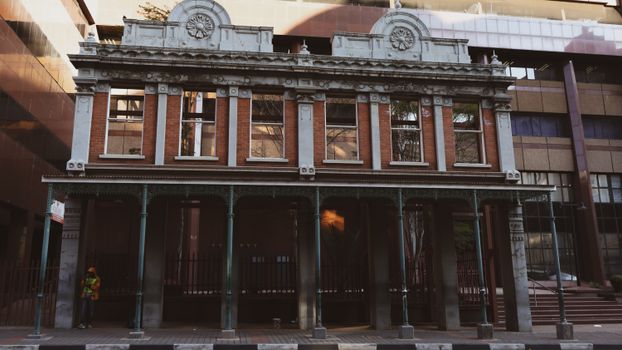 Photo: Khetho Mkhaliphi / Pexels
Apartheid's Shadow: Art as Resistance and Voice
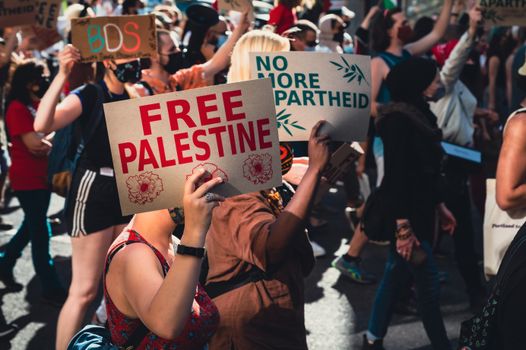 Photo: Brett Sayles / Pexels
Post-Apartheid Visions: Identity, Healing, and Global Recognition
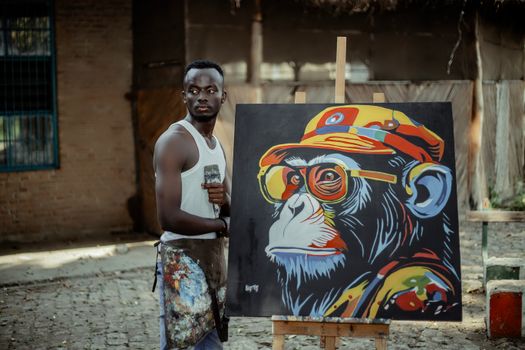 Photo: Chris wade NTEZICIMPA / Pexels
Comparison
| Artistic Period | Key Characteristics | Dominant Mediums | Key Themes |
|---|---|---|---|
| Pre-Colonial (San) | Spiritual, narrative, deep connection to nature | Rock paintings (pigments), bone carvings | Eland, trance dance, hunting, cosmology |
| Colonial (17th-19th C.) | European influence, ethnographic view, emerging hybridity | Oil painting, watercolor, early mission art | Landscapes, portraits, 'native' life, biblical scenes |
| Early 20th Century | Western academic styles, nascent Black artistic expression | Oil, watercolor, sculpture, drawing | Township life, social realism, early racial commentary |
| Apartheid Era (1948-1994) | Protest, resistance, social commentary, satire | Painting, drawing, sculpture, printmaking | Injustice, struggle, identity, human dignity, censorship |
| Post-Apartheid (1994-Present) | Diversity, identity, reconciliation, global engagement | Photography, installation, performance, mixed media | Memory, healing, gender, class, socio-economic issues |
What Readers Say
"This article provided such a comprehensive overview of the history of South African art. I particularly appreciated the detailed insights into the San rock paintings and their spiritual significance. It truly enriched my understanding."
Sarah Mkhize · Cape Town, South Africa"As an art enthusiast, I found this piece incredibly helpful. It beautifully articulates how art served as a powerful voice during apartheid, giving me a deeper appreciation for the artists of that era."
David Chen · Johannesburg, South Africa"I learned so much about the evolution of art in my own country! The section on post-apartheid art and its global recognition was particularly inspiring, making me proud of our vibrant artistic community."
Lerato Ntuli · Durban, South Africa"A very informative read. While it covered a vast period, I would have loved to see a bit more on specific regional differences in art forms, but overall, it's an excellent starting point for understanding South African art history."
Michael O'Connor · Pretoria, South Africa"This article is a must-read for anyone interested in culture and history. It clearly demonstrated how art is not just aesthetic but a crucial reflection and driver of societal change in South Africa."
Aisha Khan · Port Elizabeth, South AfricaFrequently Asked Questions
What is the earliest form of South African art?
The earliest known form of South African art is San rock art, dating back tens of thousands of years. These intricate paintings and engravings depict animals, human figures, and spiritual beliefs, offering invaluable insights into the lives and cosmology of the ancient San people.
Was traditional African art suppressed during colonialism?
Yes, to a significant extent. European colonialists often dismissed traditional African art as 'craft' or 'ethnographic' rather than 'fine art,' leading to its marginalization in formal art institutions and a devaluation of indigenous aesthetic systems. However, these forms continued to thrive within communities.
How did artists navigate censorship during apartheid?
Artists during apartheid often navigated censorship through allegory, symbolism, and subtle critiques embedded within their work. They also utilized underground exhibitions, international platforms, and developed unique visual languages that communicated dissent without being overtly explicit, thus evading direct suppression.
Is contemporary South African art globally recognized?
Absolutely. Contemporary South African art has achieved significant global recognition, with artists like William Kentridge, Zanele Muholi, and Mary Sibande exhibiting in major international galleries and museums. Their work often engages with universal themes through a distinct South African lens, resonating with diverse audiences.
How does post-apartheid art differ from apartheid-era art?
Post-apartheid art often shifts from overt political protest to more nuanced explorations of identity, memory, reconciliation, and the complexities of nation-building. While still politically engaged, it embraces a wider range of themes and artistic styles, reflecting a democratic society grappling with its past and shaping its future, unlike the more direct resistance art of the apartheid era.
Who should explore the history of South African art?
Anyone interested in art history, cultural studies, African history, or the power of art as a social commentary should explore the history of South African art. It offers a unique lens through which to understand a nation's journey, its struggles, and its triumphs, providing rich insights into human creativity and resilience.
Are there ethical considerations when viewing historical South African art?
Yes, ethical considerations are crucial, especially regarding indigenous art and art from the apartheid era. It's important to approach these works with respect for their cultural context, acknowledging the historical power imbalances and avoiding appropriation or misinterpretation. Understanding the artist's intent and the community's perspective is key.
What are the future trends in South African art?
Future trends in South African art are likely to continue exploring themes of identity, social justice, and environmental concerns, often through new media and digital art forms. There's also a growing emphasis on decolonizing art history and promoting diverse narratives, ensuring a vibrant and evolving artistic landscape.
Embark on a profound journey through the history of South African art. Discover how millennia of creative expression have shaped a nation's identity and continue to inspire globally. Begin your exploration today and connect with the rich artistic soul of South Africa.