✓ South African art dates back tens of thousands of years with San rock art.
✓ Colonialism significantly impacted artistic styles and themes, introducing European techniques.
✓ Art played a crucial role in resisting apartheid, serving as a powerful voice for change.
✓ Contemporary South African art is globally recognized for its diversity and social commentary.
How It Works
1
Explore Ancient Roots
Understand the foundational San rock art, examining its spiritual significance and sophisticated techniques. This period sets the stage for all subsequent artistic development.
2
Unpack Colonial Influences
Investigate how European settlers introduced new materials, forms, and contexts, fundamentally altering indigenous artistic practices. Learn about the fusion and friction of these artistic encounters.
3
Witness Apartheid's Impact
Discover how artists used their craft as a potent tool for resistance, documentation, and healing during the apartheid era. This period is marked by powerful political and social commentary.
4
Celebrate Contemporary Diversity
Engage with the dynamic and multifaceted art scene of post-apartheid South Africa, recognizing its global reach and diverse thematic explorations. See how artists continue to shape national identity.
The Ancient Origins: San Rock Art and Early Indigenous Expressions
Photo: toshihiko tanaka / Pexels
The narrative of South African art does not begin with the arrival of European settlers; rather, it stretches back tens of thousands of years, rooted deeply in the spiritual and cultural practices of its earliest inhabitants. The most profound and enduring testament to this ancient heritage is the San rock art, found in caves and rock shelters across the country. These intricate paintings and engravings, dating back as far as 27,000 years, are not mere decorative elements but sophisticated visual narratives, spiritual insights, and historical records. The San, also known as Bushmen, utilized natural pigments derived from ochre, charcoal, and minerals, mixed with binders like blood or egg white, to create durable and vibrant imagery. Their art depicted animals, human figures, hunting scenes, rituals, and trance dances, often illustrating their deep connection to the natural world and their spiritual beliefs, particularly the concept of 'n/um' or spiritual power. Shamans, believed to be the primary creators of much of this art, would enter trance states to communicate with the spirit world, and their visions were meticulously rendered onto rock faces. These images served as portals, connecting the physical and spiritual realms, and were vital for healing, rain-making, and ensuring successful hunts. The technical skill involved in producing these works, from the fine lines to the subtle shading and foreshortening, demonstrates a highly developed artistic sensibility. Beyond the San, other indigenous groups, such as the Khoi, also contributed to early artistic expressions, primarily through pottery, beadwork, and body adornment. While less archaeologically preserved than rock art, these forms speak to a rich tapestry of aesthetic practices that predate colonial encounters. The continuity of these artistic traditions, even in modified forms, underscores the resilience and enduring creativity of South Africa's original inhabitants. Understanding these foundational expressions is crucial for appreciating the full breadth of South African artistic heritage. These early artworks offer a window into the cosmology, social structures, and daily lives of ancient South Africans, providing an invaluable context for the subsequent layers of artistic development that would unfold over millennia. Their legacy continues to inspire contemporary artists seeking connection to their ancestral roots and a uniquely African aesthetic. The profound spiritual depth and narrative complexity embedded within these ancient forms laid a powerful groundwork for the diverse and multifaceted art that would emerge from this land.
Colonial Encounters and the Hybridization of Artistic Forms
Photo: Magda Ehlers / Pexels
The arrival of European settlers, beginning with the Dutch in the mid-17th century, marked a significant turning point in the history of South African art, ushering in an era of profound cultural exchange and, often, conflict. Initially, European artists largely focused on documenting the new landscapes, flora, and fauna, as well as the indigenous peoples they encountered, often through a colonial lens that exoticized or misrepresented local cultures. Early European art in South Africa included botanical illustrations, topographical drawings, and portraits, frequently serving scientific or administrative purposes for the colonizing powers. However, as colonial presence solidified, a more complex dynamic emerged. Indigenous artistic practices, while often suppressed or devalued by colonial authorities, began to absorb and adapt new materials and techniques. For instance, traditional beadwork, which had deep symbolic and social meaning, started incorporating industrially produced glass beads from Europe, leading to new patterns, colors, and forms while retaining its cultural significance. Similarly, the introduction of Western painting and sculpting traditions offered new avenues of expression for some indigenous artists, albeit often within the framework of missionary schools or colonial art institutions. The impact of colonialism was not uniform. While some indigenous art forms faced decline due to cultural disruption and the imposition of Western aesthetic values, others found ways to innovate and persist. The fusion of European representational styles with traditional African motifs and narratives laid the groundwork for a unique hybridized artistic language. This period saw the beginnings of formal art education in South Africa, predominantly Western-centric, which trained a new generation of artists, both black and white, in European academic styles. Artists like Thomas Baines and George French Angas were prominent in documenting the colonial landscape, but their works often reflected the biases of their time. The mission schools played a complex role, sometimes preserving traditional crafts while simultaneously introducing Christian iconography and Western artistic principles. This hybridization was not always a harmonious process; it often reflected power imbalances and the struggle for cultural identity under colonial rule. Understanding this period is crucial for grasping how the diverse artistic landscape of modern South Africa came into being, shaped by both indigenous resilience and external influences, creating a unique synthesis that would continue to evolve.
Art as Resistance: The Apartheid Era and Beyond
Photo: cottonbro studio / Pexels
The apartheid era (1948-1994) represents one of the most critical and politically charged periods in the history of South African art. During this time, art transcended mere aesthetics to become a powerful tool for resistance, documentation, and social commentary against the brutal system of racial segregation and oppression. Black artists, in particular, faced immense challenges, including limited access to formal art education, galleries, and exhibition spaces, coupled with the constant threat of censorship and persecution. Despite these formidable obstacles, artists found innovative ways to express dissent and preserve cultural identity. Township art, often created in informal settings, emerged as a vibrant and vital form of expression, depicting the harsh realities of daily life under apartheid, celebrating black culture, and articulating hopes for freedom. Artists like Gerard Sekoto, George Pemba, and Dumile Feni used their work to expose the injustices, suffering, and resilience of black South Africans. Their paintings and sculptures often portrayed scenes of forced removals, poverty, protests, and the enduring spirit of community. White artists, too, played a significant role in opposing apartheid. Figures like Irma Stern, Alexis Preller, and later, William Kentridge, through varying degrees of direct and indirect engagement, contributed to a broader artistic discourse that challenged the status quo. Kentridge, in particular, became internationally renowned for his animated drawings and prints that explored themes of memory, history, and the psychological impact of apartheid. The establishment of community art centers, such as the Polly Street Art Centre and later the Rorke's Drift Art and Craft Centre, provided crucial spaces for black artists to train, create, and exhibit, fostering a sense of artistic community and political consciousness. These centers were instrumental in nurturing talent and providing a platform for voices that would otherwise have been silenced. Artworks from this period often utilized symbolism and allegory to circumvent censorship, embedding powerful messages within seemingly innocuous imagery. The visual arts became a language of protest, a means of preserving dignity, and a record of a nation's struggle. Post-apartheid, artists continued to grapple with the legacy of the past, exploring themes of reconciliation, healing, justice, and the ongoing challenges of building a democratic society. The transition brought new freedoms and opportunities but also new complexities, reflected in the diverse and often critical contemporary art scene. The apartheid era solidified art's role as a vital social and political force in South Africa, a legacy that continues to shape its artistic landscape. The ability of art to communicate profound truths and inspire change during such a dark period is a testament to its enduring power and its central place in the nation's narrative. This period profoundly shaped the identity of South African art on the global stage, demonstrating its capacity for profound social engagement and critical reflection.
Contemporary South African Art: Global Recognition and Diverse Voices
Photo: Teddy tavan / Pexels
The post-apartheid era has ushered in a period of unprecedented dynamism and global recognition for South African art. Freed from the oppressive constraints of censorship and isolation, artists have embraced a vast array of styles, mediums, and thematic concerns, reflecting the complexities and aspirations of a democratic nation. The contemporary art scene is characterized by its incredible diversity, ranging from conceptual installations and performance art to traditional painting, sculpture, and new media. A key theme in contemporary South African art remains the exploration of identity – racial, gender, national, and personal – in a society still grappling with its past and forging its future. Artists frequently engage with issues of memory, reconciliation, social justice, inequality, and the ongoing challenges of nation-building. William Kentridge, who gained prominence during apartheid, continues to be a pivotal figure, his powerful animations and installations exploring themes of history, power, and the human condition with profound philosophical depth. Other internationally acclaimed artists like Marlene Dumas, though based abroad, maintain strong ties to their South African roots, often exploring themes of race, sexuality, and trauma in their evocative paintings. Zanele Muholi's photographic work, focusing on black lesbian, gay, bisexual, transgender, and intersex individuals, provides vital visibility and challenges societal norms, contributing significantly to global discourses on human rights and representation. Nicholas Hlobo's intricate sculptures and installations, often incorporating reclaimed materials, explore Xhosa cosmology and contemporary identity. The rise of new galleries, art fairs (like FNB Art Joburg and Investec Cape Town Art Fair), and institutions (such as the Zeitz MOCAA) has significantly bolstered the infrastructure for contemporary art, providing platforms for both established and emerging artists. There's a strong focus on nurturing young talent and promoting art from previously marginalized communities. Furthermore, digital art and new media are increasingly becoming prominent, allowing artists to experiment with innovative forms of expression and reach broader audiences. The global art world has taken notice, with South African artists regularly featuring in major international exhibitions, biennials, and collections. This period marks a profound shift from art as primarily a tool of resistance to art as a multifaceted exploration of a nation's evolving identity, its triumphs, its struggles, and its boundless creative spirit. The vibrant artistic landscape serves as a mirror to a society in constant flux, continually questioning, celebrating, and reinventing itself, making contemporary South African art a compelling and essential voice on the global stage.
Understanding the Nuances of South African Art: Tips and Common Misconceptions
To truly appreciate the history of South African art, it's crucial to approach it with an open mind and a willingness to deconstruct common misconceptions. One prevalent mistake is to view South African art as a monolithic entity. It is, in fact, incredibly diverse, reflecting the nation's eleven official languages, myriad cultures, and complex socio-political history. There is no single 'South African style'; rather, it's a tapestry woven from indigenous traditions, colonial influences, and global contemporary trends. Another misconception is that 'African art' is solely traditional or ethnographic. While traditional forms are vital, contemporary South African art is at the cutting edge of global artistic discourse, engaging with universal themes through a uniquely South African lens. Avoid the trap of essentialism, which reduces complex artistic practices to simplistic cultural stereotypes.
**Tips for Deeper Appreciation:**
* **Research the Context:** Always consider the historical, social, and political context in which an artwork was created. Apartheid, colonialism, and pre-colonial spiritual beliefs are not just backdrops; they are often integral to the meaning of the art.
* **Engage with Indigenous Perspectives:** Seek out interpretations and discussions by indigenous scholars and artists to gain a more nuanced understanding of traditional art forms, rather than relying solely on Western academic analyses.
* **Visit Local Galleries and Museums:** Institutions like the Iziko South African National Gallery, Zeitz MOCAA, and regional galleries offer invaluable opportunities to see the art firsthand and learn from expert curators.
* **Follow Contemporary Artists:** Keep abreast of current exhibitions and the work of emerging artists. The contemporary scene is dynamic and constantly evolving, offering fresh perspectives on current issues.
* **Recognize the Role of Craft:** Many traditional art forms blur the lines between 'art' and 'craft.' Appreciate the skill, symbolism, and cultural significance embedded in items like beadwork, pottery, and weaving, which are often deeply artistic.
* **Challenge Your Own Biases:** Be aware of how your own cultural background might influence your interpretation of art from a different context. Allow the art to speak to you on its own terms.
Understanding these nuances ensures a richer, more respectful, and ultimately more rewarding engagement with the profound and multifaceted history of South African art.
Post-apartheid identity, memory, social issues, global dialogue
Accessibility/Audience
Community, spiritual initiates
Colonial elite, European audiences
Community, underground, international activists
Local, international, diverse audiences
What Readers Say
★★★★★
"This article beautifully captures the expansive history of South African art, from the ancient rock paintings to the powerful contemporary works. It truly helped me understand the depth and resilience of our artistic heritage."
Thandiwe M. · Cape Town, ZA
★★★★★
"As someone interested in global art history, this piece provided an incredibly detailed and insightful overview. I now have a much better appreciation for the role art played during apartheid and its ongoing evolution."
James R. · London, UK
★★★★★
"I always knew our art was rich, but this article laid out the history so clearly. It inspired me to visit more local galleries and truly connect with the stories our artists tell."
Nomusa P. · Durban, ZA
★★★★★
"A very comprehensive look at South African art history. While it could delve even deeper into specific regional styles, it's an excellent starting point for anyone wanting to learn about this fascinating subject."
Dirk V. · Johannesburg, ZA
★★★★★
"The way this article explains the evolution of South African art, especially its role in resistance, is incredibly moving. It's a testament to the power of art in shaping national identity and challenging injustice."
Sarah L. · New York, USA
Frequently Asked Questions
What is the oldest form of South African art?
The oldest form of South African art is San rock art, with some paintings and engravings dating back as far as 27,000 years. These works, found in caves and rock shelters, depict spiritual experiences, daily life, and the natural world, offering profound insights into the beliefs and practices of the earliest inhabitants.
How did colonialism impact South African art?
Colonialism introduced new European artistic techniques, materials, and aesthetic values, often leading to a hybridization of indigenous and Western styles. While some traditional forms were suppressed, others adapted, incorporating new elements like glass beads into traditional beadwork, and new genres like landscape painting gained prominence.
Where can I see historical South African art?
You can experience historical South African art at various institutions. Key places include the Iziko South African National Gallery in Cape Town, the Johannesburg Art Gallery, and the numerous rock art sites across the country, many of which are protected heritage sites. Online resources and university collections also provide access.
What role did art play during the apartheid era?
During apartheid, art served as a powerful tool for resistance, documentation, and social commentary. Artists used their work to expose injustices, preserve cultural identity, and articulate hopes for freedom, often risking persecution. It was a vital visual language for both local and international anti-apartheid movements.
How does contemporary South African art compare to global trends?
Contemporary South African art is highly regarded on the global stage, engaging with universal themes of identity, memory, social justice, and human rights through a uniquely South African lens. Its diversity, critical perspective, and innovative use of various mediums make it a significant contributor to international artistic discourse, often featured in major biennials and exhibitions.
Who should explore the history of South African art?
Anyone with an interest in art history, cultural studies, African history, or social justice should explore the history of South African art. It offers rich insights into human creativity, resilience, and the profound ways art can reflect and shape a nation's identity, making it compelling for students, academics, and enthusiasts alike.
Is South African art only focused on political themes?
While political and social commentary has been a significant aspect of South African art, particularly during the apartheid era, it is by no means its sole focus. South African art also encompasses a vast range of themes including spirituality, nature, personal identity, abstract expression, mythology, and everyday life, reflecting its cultural richness.
What are some future trends in South African art?
Future trends in South African art are likely to see continued innovation in digital art and new media, further exploration of post-apartheid identity and reconciliation, and increasing engagement with global environmental and technological issues. There will also be a sustained focus on decolonizing art histories and promoting diverse, previously marginalized voices.
Embark on a captivating journey through the history of South African art. From ancient spiritual expressions to dynamic contemporary narratives, discover the profound stories and vibrant creativity that define this remarkable nation's artistic soul. Begin your exploration today and connect with a heritage that continues to inspire and challenge.

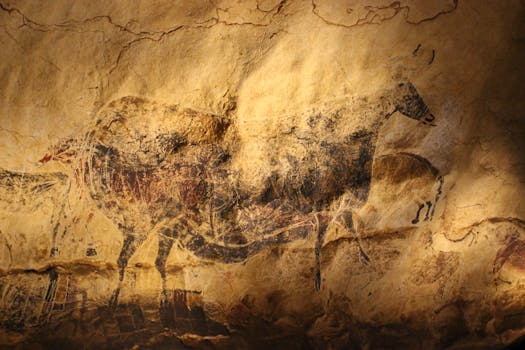 Photo: toshihiko tanaka / Pexels
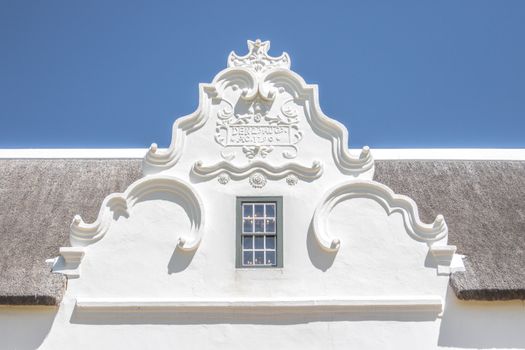 Photo: Magda Ehlers / Pexels
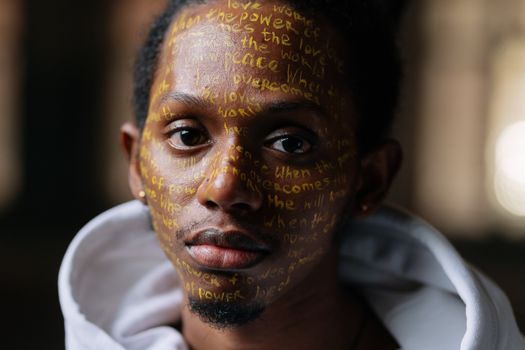 Photo: cottonbro studio / Pexels
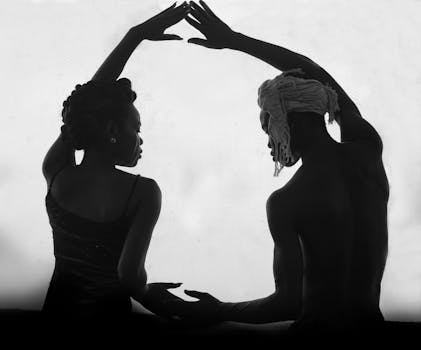 Photo: Teddy tavan / Pexels