✓ South African art spans over 27,000 years, beginning with San rock art.
✓ Colonialism profoundly impacted artistic expression, introducing new mediums and themes.
✓ Apartheid era art became a powerful tool for resistance and social commentary.
✓ Post-apartheid art reflects reconciliation, identity, and the ongoing quest for social justice.
How It Works
1
Pre-Colonial Foundations
Understand the indigenous artistic traditions that laid the groundwork for South African art. Explore the spiritual and functional significance of early creations.
2
Colonial Encounters and Shifts
Examine how European settlement introduced new techniques, materials, and perspectives. Witness the blending and clashing of artistic worlds during this period.
3
Art as Resistance and Identity
Delve into the Apartheid era, where art became a critical voice against oppression. Discover how artists used their craft to challenge injustice and assert cultural identity.
4
Post-Apartheid Renaissance
Explore the vibrant contemporary art scene in South Africa, celebrating diversity, healing, and forward-looking narratives. See how artists continue to shape national dialogue.
Ancient Echoes: San Rock Art and Early Indigenous Expressions
Photo: Alex Moliski / Pexels
The compelling history of South African art begins not in galleries or formal studios, but on the very rocks and in the ancient shelters of its landscapes. For tens of thousands of years, the San people, among the earliest inhabitants of Southern Africa, meticulously crafted an astonishing visual record of their lives, beliefs, and environment. This pre-colonial artistic heritage, primarily manifested as rock art, is not merely decorative; it is a profound spiritual and historical archive, offering unparalleled insight into a world view deeply connected to nature and the supernatural. Dating back as far as 27,000 years, these intricate paintings and engravings depict a rich tapestry of human and animal figures, hunting scenes, trance dances, and mythological creatures. The pigments, often derived from natural minerals and animal fat, have remarkably endured the passage of time, preserving stories and rituals that would otherwise be lost. Scholars believe that much of this art was created by shamans during trance states, serving as a conduit to the spirit world and a means of healing and communicating with ancestors. The symbolism embedded within these images is complex and multilayered, often defying simplistic interpretation. For instance, eland, a large antelope, features prominently, frequently symbolising spiritual potency and the transformative power of the trance experience. Beyond the San, other indigenous groups across the region also contributed to this early artistic landscape, though their expressions might have taken different forms, such as pottery, beadwork, and intricate carvings. These forms were not seen as 'art' in the Western sense but were integral to daily life, ritual, and social structure, imbued with deep cultural meaning. The materials used were locally sourced – clay for pottery, natural fibres for weaving, and animal hides for clothing and shelters, all adorned with patterns and symbols unique to each community. This foundational period of South African art underscores a profound connection to the land and a spiritual cosmology that informed every aspect of existence, setting a powerful precedent for the artistic narratives that would follow. The sheer volume and enduring quality of this ancient art provide a powerful testament to the ingenuity and spiritual depth of South Africa's earliest artists, making it an invaluable part of the global artistic heritage.
Colonial Impact and the Emergence of Western Art Forms
The arrival of European settlers from the 17th century onwards marked a significant inflection point in the history of South African art, introducing new perspectives, materials, and artistic conventions that profoundly reshaped the existing indigenous landscape. Initially, European artists who accompanied explorers and colonists primarily focused on documenting the 'new' land, its flora, fauna, and indigenous peoples, often through a Eurocentric lens. These early works, predominantly drawings, watercolours, and later oil paintings, served a descriptive rather than expressive purpose, intended for audiences back in Europe. As permanent settlements grew, particularly in the Cape, a demand for European-style portraiture, landscapes, and genre scenes emerged among the colonial elite. This period saw the establishment of art schools and academies, albeit rudimentary ones, which began to train local artists in Western techniques and aesthetics. However, this introduction often came at the expense of indigenous artistic traditions, which were frequently devalued or dismissed as 'craft' rather than 'fine art.' The colonial gaze often depicted African subjects in stereotypical ways, either as exotic curiosities or as figures in need of 'civilising.' Yet, even within these constraints, some artists began to subtly challenge these narratives. Figures like Thomas Baines, while primarily a topographical artist, provided detailed ethnographic records, inadvertently preserving aspects of indigenous life. The late 19th and early 20th centuries witnessed the rise of South African artists who, having trained in Europe, brought back Impressionistic, Post-Impressionistic, and Expressionistic influences. Artists such as Irma Stern and Maggie Laubser, often referred to as the 'Expressionists,' were among the first to earnestly engage with African subjects and cultures, though sometimes still through a Western interpretive framework. They travelled extensively within South Africa and other parts of Africa, seeking to capture the vibrancy and spiritual essence of the people and landscapes they encountered. Their bold use of colour and expressive brushwork marked a departure from earlier, more academic styles and began to forge a distinct South African modernist idiom. Simultaneously, the burgeoning urban centres fostered new artistic communities and galleries, creating platforms for emerging talent. This era was characterized by a complex interplay of assimilation, resistance, and adaptation, as artists navigated the challenges of identity and representation in a rapidly changing colonial society. The introduction of new materials like oil paints and canvas, coupled with Western concepts of patronage and exhibition, irrevocably altered the trajectory of South African artistic development, laying the groundwork for the diverse expressions that would follow.
Art in the Face of Oppression: The Apartheid Era
The Apartheid era (1948-1994) was a period of profound social and political turmoil in South Africa, and its art became an indispensable mirror and a powerful weapon against institutionalised racial segregation and injustice. During these decades, art transcended mere aesthetics to become a vital tool for resistance, documentation, and the assertion of identity for the oppressed majority. Artists, both black and white, found themselves navigating a fraught landscape where their creative expressions could lead to censorship, imprisonment, or exile. Black artists, often denied formal training and access to mainstream galleries, developed vibrant and resilient artistic practices in townships, community art centres, and informal studios. They used readily available materials – linocuts, charcoal, and found objects – to create raw, emotionally charged works that depicted the harsh realities of forced removals, police brutality, and the daily struggles of life under Apartheid. Artists like Gerard Sekoto, whose early works captured the vibrancy and hardship of township life, and Ernest Mancoba, who pursued abstraction while grappling with his African heritage from exile, paved the way for a generation of politically conscious artists. The Rorke’s Drift Art and Craft Centre in KwaZulu-Natal, established in the 1960s, became a crucial hub for black artists, offering training and a platform for expression when such opportunities were scarce. It fostered a unique style that blended traditional African techniques with Western printmaking and painting. White artists, too, played a significant role, many using their privilege to critique the regime from within. Artists such as Dumile Feni, known for his powerful, often grotesque, depictions of human suffering, and Norman Catherine, with his satirical and grotesque figures, became iconic voices of protest. The art of the Apartheid era was not monolithic; it encompassed a spectrum of styles, from stark realism and social commentary to surrealism and abstraction, all imbued with a sense of urgency and political consciousness. Exhibitions, both clandestine and international, became crucial avenues for raising global awareness about the atrocities of Apartheid. Works were smuggled out of the country to be shown in solidarity exhibitions, garnering international support for the anti-apartheid movement. This period solidified the role of art as a potent form of activism, demonstrating its capacity to challenge power structures and give voice to the voiceless. The legacy of this era continues to inform contemporary South African art, reminding us of art's enduring power to confront injustice and champion human dignity. It is a testament to the resilience of the human spirit and the transformative potential of art in times of crisis.
Post-Apartheid: A New Chapter of Identity and Reconciliation
The dawn of democracy in 1994 ushered in a transformative period for South African art, marking a shift from protest and resistance to exploration of reconciliation, identity, memory, and the complexities of nation-building. The post-Apartheid era saw an explosion of artistic expression as artists grappled with the legacy of the past while looking towards a future defined by diversity and unity. This period is characterized by a renewed focus on individual narratives, often intertwining personal experiences with broader societal themes. Artists began to explore questions of what it means to be South African in a multicultural, democratic society, moving beyond the binary racial divisions enforced by Apartheid. Issues of gender, sexuality, land ownership, historical trauma, and social justice continue to be prominent themes. The art market also underwent significant changes, with increased international interest and opportunities for South African artists to exhibit globally. This exposure brought new influences and allowed South African voices to contribute to a wider global dialogue on contemporary art. Artists like William Kentridge gained international acclaim for his animated drawings, films, and theatrical productions that delve into the country's socio-political landscape, memory, and the process of drawing itself. His work often reflects on the ambiguities and moral dilemmas of South African history. Other prominent figures include Zanele Muholi, whose photographic portraits powerfully document and celebrate the lives of black lesbian, gay, bisexual, transgender, and intersex individuals in South Africa, challenging societal norms and advocating for visibility and rights. Mary Sibande's striking sculptural installations and photography use the figure of 'Sophie' to explore themes of identity, race, gender, and class, often reimagining historical narratives through fantastical imagery. The emergence of new art institutions, galleries, and biennales, such as the Zeitz MOCAA (Museum of Contemporary Art Africa) in Cape Town, has further solidified South Africa's position as a significant hub for contemporary African art. These platforms provide crucial spaces for critical dialogue, exhibition, and the nurturing of emerging talent. Education in the arts has also diversified, fostering a new generation of artists who are technically proficient and conceptually rigorous. The post-Apartheid art scene is vibrant, diverse, and constantly evolving, reflecting the ongoing journey of a nation striving for healing, understanding, and a shared future. It is a powerful testament to the enduring role of art in shaping national consciousness and engaging with complex societal transitions. This new chapter continues to write itself, with artists pushing boundaries and challenging perceptions, ensuring that the history of South African art remains a dynamic and relevant narrative.
Navigating the Legacy: Tips for Appreciating South African Art
Appreciating the profound and multifaceted history of South African art requires more than just a casual glance; it demands an engaged and informed perspective. To truly connect with the narratives, emotions, and cultural significance embedded within these works, consider these tips:
* **Understand the Context:** Always seek to understand the historical, social, and political context in which a piece of art was created. Knowing whether a work was made during the Apartheid era, in pre-colonial times, or post-democracy dramatically alters its interpretation and impact. This background knowledge transforms a mere image into a powerful statement.
* **Look Beyond Western Aesthetics:** Many indigenous and early colonial South African artworks do not conform to traditional Western artistic conventions. Appreciate the unique aesthetic principles, symbolism, and functional purposes that often underpin these creations, rather than judging them solely by Eurocentric standards.
* **Explore Diverse Mediums:** South African art encompasses an incredibly diverse range of mediums, from ancient rock paintings and intricate beadwork to contemporary digital art, performance art, and large-scale installations. Don't limit your appreciation to painting and sculpture; delve into the rich tapestry of artistic expression.
* **Visit Local Institutions:** Immerse yourself by visiting South Africa's premier art institutions. Museums like the Iziko South African National Gallery in Cape Town, the Johannesburg Art Gallery, and the Zeitz MOCAA offer unparalleled collections that trace this rich history. Smaller, regional galleries and community art centres are also invaluable resources.
* **Engage with the Artists' Voices:** Where possible, read interviews, artist statements, or critical analyses that provide direct insight into the artists' intentions and experiences. This can deepen your understanding of their motivations and the messages they convey.
* **Acknowledge the Healing Power:** A significant portion of South African art, particularly from the Apartheid and post-Apartheid eras, deals with trauma, healing, and reconciliation. Approach these works with empathy and an openness to understanding the difficult histories they represent, recognising art's role in national healing.
By adopting these approaches, you can move beyond surface-level viewing to truly appreciate the depth, resilience, and profound beauty that defines the history of South African art.
Comparison
Era
Key Characteristics
Dominant Themes
Notable Artists
Pre-Colonial
Spiritual, functional, symbolic
Spirituality, hunting, daily life, cosmology
San artists (anonymous)
Colonial (17th-19th C)
Documentation, European styles, landscape, portraiture
Exploration, colonial life, exoticism (of Africa)
Thomas Baines, George French Angas
Early 20th Century (Modernism)
Expressionistic, engagement with African subjects
Identity, landscape, cultural encounter
Irma Stern, Maggie Laubser, Gerard Sekoto
Apartheid Era (1948-1994)
Resistance, social commentary, limited access
Injustice, suffering, identity, protest
Dumile Feni, Ernest Mancoba, John Mohl, Helen Sebidi
Post-Apartheid (1994-Present)
Reconciliation, identity, memory, diversity
Healing, gender, race, social justice, global dialogue
William Kentridge, Zanele Muholi, Mary Sibande
What Our Readers Say
5★★★★★
"This article beautifully captures the essence of South African art history. It's so comprehensive and really makes you appreciate the journey from ancient rock art to modern masterpieces. A truly insightful read."
Thandi M.Cape Town, WC
5★★★★★
"As an art enthusiast, I found this deep dive into the history of South African art incredibly enriching. The way it connects historical periods to artistic expression is brilliant, offering a fresh perspective."
David P.Johannesburg, GP
5★★★★★
"After reading this, I visited a local gallery with a newfound appreciation for the art on display. Understanding the context of Apartheid era art, for example, made the pieces resonate much more deeply with me."
Lebo S.Durban, KZN
4★★★★☆
"While incredibly informative, I would have loved to see a bit more on specific contemporary art movements within the post-Apartheid section. Nevertheless, it's an excellent overview and a valuable resource for anyone interested in South African culture."
Michael V.Pretoria, GP
5★★★★★
"My art history assignment focused on indigenous South African art, and this article provided such a strong foundation. The details on San rock art were particularly helpful for my research, making my essay much richer."
Naledi Z.Gqeberha, EC
Frequently Asked Questions
What is the oldest form of art found in South Africa?
The oldest form of art found in South Africa is San rock art, dating back over 27,000 years. These ancient paintings and engravings, found in caves and rock shelters across the region, depict aspects of San life, rituals, and spiritual beliefs, offering invaluable insights into early human existence.
Was art suppressed during the Apartheid era in South Africa?
While art was not universally suppressed, black artists and those critical of the regime faced significant challenges, including censorship, limited access to formal training and exhibition spaces, and even political persecution. Despite this, art became a powerful tool for resistance and social commentary, often created in community art centres or informally.
How did colonialism influence South African art?
Colonialism introduced Western artistic traditions, mediums (like oil paint and canvas), and concepts of art. European artists documented the landscape and indigenous peoples, while local artists began to be trained in Western styles. This led to a blending and sometimes clashing of artistic expressions, shifting the focus from purely indigenous forms.
What is the value of collecting South African art today?
Collecting South African art offers immense cultural, historical, and aesthetic value. It allows collectors to own pieces of a rich narrative, support talented artists, and invest in a growing and increasingly recognized global art market. Its diverse themes often resonate with universal human experiences, making it highly collectible.
How does contemporary South African art differ from earlier periods?
Contemporary South African art (post-1994) is characterized by its diversity, engagement with themes of reconciliation, identity, memory, and social justice in a democratic society. It often incorporates global influences while maintaining a distinct South African voice, moving beyond the protest art of the Apartheid era to explore complex individual and collective narratives.
Who should explore the history of South African art?
Anyone interested in art history, cultural studies, African history, or those seeking to understand the power of art as a social and political tool should explore the history of South African art. It offers a unique lens through which to comprehend a nation's journey and resilience.
Are there any risks in misinterpreting historical South African art?
Yes, misinterpreting historical South African art, especially indigenous or Apartheid-era works, can occur if one lacks proper cultural and historical context. It's crucial to approach these works with an open mind, seek informed perspectives, and avoid imposing modern or Western biases to truly grasp their original meaning and significance.
What future trends are anticipated in South African art?
Future trends in South African art are likely to include further exploration of digital art and new media, continued engagement with global contemporary art dialogues, and a deepening focus on environmental issues, decolonial practices, and intersectional identities. The vibrant youth culture and increasing access to technology will undoubtedly shape new artistic expressions.
Embark on a captivating exploration of the history of South African art. From ancient spiritual expressions to powerful contemporary statements, discover the profound narratives that have shaped a nation. Let this rich artistic heritage inspire your understanding and appreciation of South Africa's enduring cultural legacy.

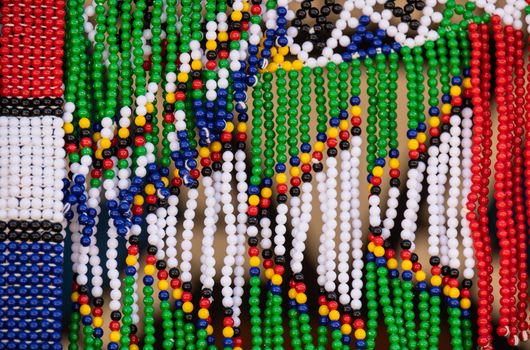 Photo: Magda Ehlers / Pexels
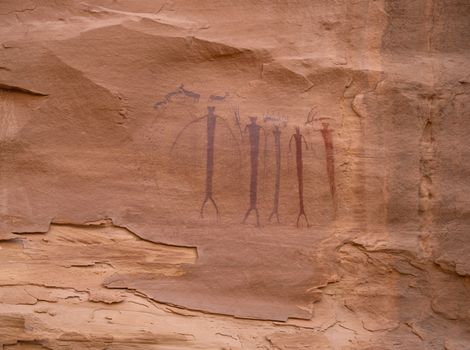 Photo: Alex Moliski / Pexels