
A Rich Tapestry: The History of Ndebele Art Unveiled
Dive into centuries of vibrant expression, cultural resilience, and artistic innovation from the Ndebele people.
Discover the LegacyKey Takeaways
- ✓ Ndebele art is primarily created by women, serving as a powerful form of communication and identity.
- ✓ The distinctive geometric patterns and vibrant colors evolved significantly during apartheid as a symbol of resistance.
- ✓ Traditional Ndebele homes are often adorned with intricate murals, known as 'lighobolwene'.
- ✓ Beadwork is another cornerstone of Ndebele art, conveying marital status, age, and social standing.
- ✓ The art form has garnered international recognition, influencing contemporary design and architecture.
How It Works
Trace the Ndebele people's migration and the early influences that shaped their artistic expressions. Learn about their historical context.
Explore the meanings behind the geometric shapes, patterns, and color palettes used in Ndebele art. Each element often carries cultural significance.
Witness how Ndebele art adapted and transformed through different historical periods, particularly in response to socio-political changes. Observe the resilience.
Discover how contemporary Ndebele artists continue to innovate, keeping traditions alive while pushing artistic boundaries. See its global impact.
The Ancient Roots and Early Migrations of Ndebele Culture
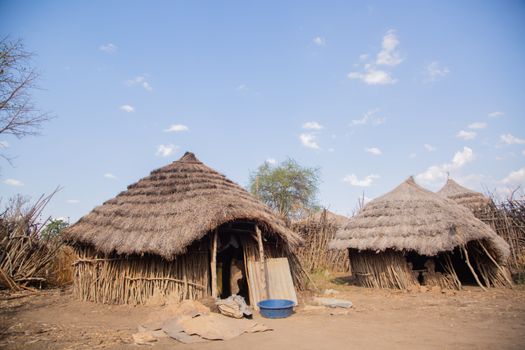 Photo: Speak Media Uganda / Pexels
Symbolism and Evolution: Ndebele Murals and Beadwork
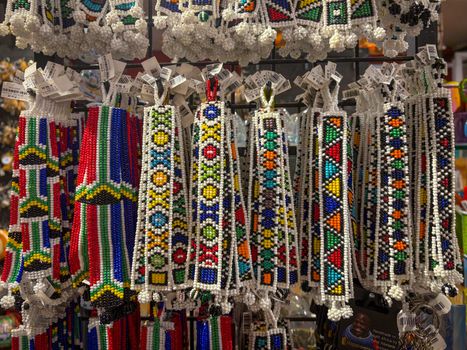 Photo: Magda Ehlers / Pexels
The Apartheid Era and the Global Recognition of Ndebele Art
 Photo: Steward Masweneng / Pexels
Contemporary Ndebele Art: Preservation and Innovation
 Photo: Steward Masweneng / Pexels
Comparison
| Feature | Ndebele Murals | Ndebele Beadwork | Other South African Art |
|---|---|---|---|
| Primary Medium | Wall paint on homes | Glass beads on fabric/wire | Diverse (sculpture, painting, etc.) |
| Main Creators | Women | Women | Both men and women |
| Symbolic Depth | High | High | Varies |
| Message Communication | Cultural identity, status, protest | Marital status, age, wealth | Diverse themes |
| Global Recognition | ✓ | ✓ | ✓ |
What Readers Say
"This article beautifully unpacks the history of Ndebele art, giving me a profound understanding of its cultural significance. The depth of detail is truly captivating."
Lerato Mokoena · Pretoria, ZA"As someone interested in global art history, this piece on Ndebele art provided invaluable context. I particularly appreciated the focus on its evolution during apartheid."
David Chen · New York, USA"After reading this, I felt a much deeper connection to the Ndebele people and their incredible artistic resilience. It directly inspired me to seek out more examples of their work online."
Sarah Jenkins · London, UK"A comprehensive overview, though I would have loved to see a bit more on specific regional variations within Ndebele art. Still, an excellent resource for understanding its core history."
Thandiwe Zulu · Durban, ZA"The way this article links the history of Ndebele art to socio-political events is brilliant. It's not just about aesthetics; it's about survival and identity, which resonated deeply with me."
Michael O'Connell · Sydney, AUSFrequently Asked Questions
What is the primary significance of Ndebele art?
Ndebele art is primarily significant as a powerful expression of cultural identity, resilience, and communication. It allowed the Ndebele people to narrate their history, assert their presence, and convey social information through vibrant murals and intricate beadwork, especially during periods of oppression.
Is Ndebele art still practiced today?
Yes, Ndebele art is very much alive and continues to be practiced today. While traditional forms are preserved and passed down through generations, contemporary Ndebele artists also innovate, adapting motifs to modern contexts and materials, ensuring its ongoing relevance.
Who traditionally creates Ndebele art?
Traditionally, Ndebele art, particularly the iconic house painting (lighobolwene) and most forms of beadwork, is created by women. This practice plays a crucial role in female identity, cultural transmission, and community expression within Ndebele society.
What colors are typically used in Ndebele art and what do they mean?
Ndebele art is known for its vibrant primary colors like red, blue, yellow, and green, alongside black and white. While specific meanings can vary, colors often carry symbolic weight; for instance, red can signify passion or blood, blue for the sky or water, and black for marriage or mourning, though interpretations can be complex.
How does Ndebele art compare to other Southern African art forms?
Ndebele art is distinct from other Southern African art forms through its unique geometric abstraction, the prominent role of women as artists, and its strong connection to domestic architecture. While other cultures have rich artistic traditions, the scale and public nature of Ndebele murals, coupled with their specific symbolic language, set it apart.
Who should learn about the history of Ndebele art?
Anyone interested in art history, cultural studies, indigenous African art, or the intersection of art and social justice should learn about the history of Ndebele art. It offers profound insights into resilience, identity, and the power of visual communication.
Are there any risks of cultural appropriation with Ndebele art?
Yes, like many indigenous art forms, Ndebele art faces risks of cultural appropriation. It's important for designers and consumers to understand its origins, symbolism, and the Ndebele people's ownership of their cultural heritage, ensuring that any use or inspiration is respectful and benefits the original creators.
What is the future outlook for Ndebele art?
The future outlook for Ndebele art is positive, marked by a dynamic balance between tradition and modernity. With increased global appreciation, educational initiatives, and continued innovation by Ndebele artists, the art form is poised to maintain its cultural significance while evolving to reach new audiences and express contemporary narratives.
Delve deeper into the captivating world of Ndebele art. Understanding its rich history not only enriches your appreciation for its beauty but also connects you to a powerful story of human resilience and cultural triumph. Discover the profound legacy that continues to inspire.