
Unveiling the Rich History of Ndebele Art and Its Enduring Legacy
history of Ndebele art

Unveiling the Rich History of Ndebele Art and Its Enduring Legacy

Dive deep into the captivating evolution of Ndebele art, a vibrant testament to cultural resilience and identity.

Discover Ndebele Art

Key Takeaways

  • ✓ Ndebele art is primarily known for its geometric wall paintings (izindlu) and intricate beadwork.
  • ✓ The art form served as a vital means of communication and cultural preservation during periods of oppression.
  • ✓ Ndebele women are traditionally the primary creators and custodians of this artistic heritage.
  • ✓ Each pattern and color in Ndebele art carries symbolic meaning, often related to social status, events, or messages.

How It Works

1
Understand the Origins

Begin by exploring the historical context of the Ndebele people, tracing their migrations and the influences that shaped their early artistic expressions. This foundational knowledge is crucial for appreciating the art's evolution.

2
Decipher Symbolic Meanings

Learn about the intricate symbolism embedded within Ndebele patterns and color choices. Each motif tells a story, conveying messages about identity, status, and historical events, making the art a visual language.

3
Recognize Artistic Forms

Familiarize yourself with the two main expressions: the bold geometric wall paintings (izindlu) and the delicate, narrative beadwork. Understanding their distinct characteristics and purposes enriches your appreciation.

4
Appreciate Modern Interpretations

Observe how contemporary Ndebele artists adapt traditional motifs into new mediums and contexts, ensuring the art's continued relevance and evolution. This shows the living legacy and adaptability of the tradition.

The Genesis of Ndebele Artistic Expression
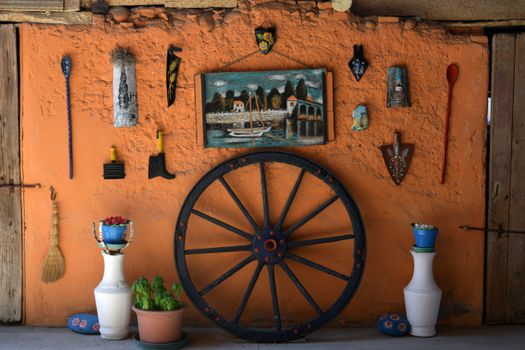
Rustic orange wall in Veneto features vintage wheel and eclectic decor, perfect for a traditional ambiance. Photo: Serena Koi / Pexels
The history of Ndebele art is deeply intertwined with the history of the Ndebele people themselves, a Nguni ethnic group primarily residing in South Africa. Their artistic traditions are a profound reflection of their journey, resilience, and cultural identity. The genesis of their distinctive art forms can be traced back to their migrations and interactions with various indigenous groups in Southern Africa. Originally part of the larger Nguni migrations, the Ndebele, particularly the Southern Ndebele, developed a unique cultural identity that found its most vivid expression in their art. Early forms of Ndebele art were likely utilitarian, incorporating decorative elements into everyday objects, clothing, and homes. However, it was during periods of significant social and political upheaval, particularly from the 18th century onwards, that Ndebele art began to evolve into the highly symbolic and recognizable forms we know today. One of the most defining moments in the development of Ndebele art was the period of intense conflict and displacement, including the Mfecane (scattering) in the early 19th century, and later, the imposition of colonial rule and apartheid policies. During these challenging times, art became more than mere decoration; it transformed into a powerful tool for cultural preservation, communication, and resistance. Deprived of political power and often restricted in their movements, Ndebele women, in particular, became the custodians of their culture through artistic expression. They adorned their homes with intricate geometric patterns, transforming their dwellings into canvases that spoke volumes about their identity, beliefs, and experiences. These early wall paintings, known as 'izindlu', were not just aesthetic choices but served as visual narratives, conveying messages to both their own community and outsiders. The patterns, colors, and motifs were carefully chosen, each carrying a specific meaning, often understood only by those within the community. This period cemented the role of Ndebele art as a living archive of their history and a vibrant declaration of their enduring spirit. Understanding these origins is crucial to appreciating the depth and significance of Ndebele artistic heritage. For a broader perspective on African artistic traditions, explore the rich tapestry of African arts.

The Evolution of Ndebele Wall Painting and Beadwork
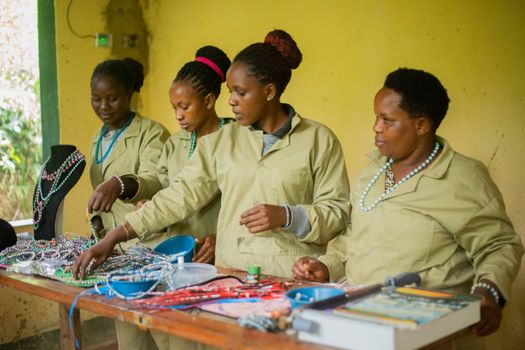
Four women working together on beaded jewelry in a workshop. Photo: Speak Media Uganda / Pexels
The two most iconic forms of Ndebele art are undoubtedly their vibrant wall paintings and their intricate beadwork. The evolution of Ndebele wall painting, or 'igwalo', is a fascinating journey from simple earth tones to the explosion of color seen today. Initially, Ndebele homes were decorated with patterns using natural pigments derived from clay, charcoal, and plant extracts. These early designs were often simple geometric shapes, reflecting the natural world and spiritual beliefs. However, with increased access to commercial paints and materials in the early 20th century, the palette expanded dramatically. This shift allowed for the introduction of brighter, more diverse colors, which in turn enabled more complex and elaborate designs. The geometric patterns became more refined, incorporating elements inspired by modern architecture, everyday objects like razor blades and light bulbs, and even abstract representations of landscapes or events. Each pattern, whether a triangle, square, or zigzag, holds symbolic weight, often communicating messages about social status, family events, or historical narratives. The wall paintings are almost exclusively created by Ndebele women, passed down through generations from mother to daughter, making it a powerful matriarchal tradition. Parallel to the development of wall paintings, Ndebele beadwork also underwent a significant evolution. While beadwork has ancient roots in many African cultures, the Ndebele developed a distinctive style characterized by its meticulous detail, vibrant color combinations, and symbolic patterns. Early Ndebele beadwork utilized natural materials like seeds, shells, and porcupine quills. The introduction of glass beads through trade routes, particularly from European traders, revolutionized this art form. Ndebele women began to create elaborate beaded garments, jewelry, and ceremonial objects, each piece telling a story or signifying a particular life stage or social role. For instance, young girls wore specific beaded aprons, which changed as they matured into womanhood. Married women wore distinctive beaded hoops around their necks and legs, symbolizing their marital status and wealth. Even the colors of the beads carry meaning: white for purity, black for marriage or sorrow, red for love or war, and blue for the heavens. The precision and patience required for Ndebele beadwork highlight the dedication and artistic skill embedded in their cultural practices. Both wall painting and beadwork, while distinct, share a common thread of visual storytelling and cultural affirmation, making them indispensable components of the history of Ndebele art.

Symbolism and Cultural Significance in Ndebele Art
Artist showcasing vibrant graffiti art in colorful urban studio setting. Photo: Felicity Tai / Pexels
The profound beauty of Ndebele art lies not just in its aesthetic appeal but in the rich tapestry of symbolism woven into every line, shape, and color. Far from being merely decorative, Ndebele art functions as a sophisticated visual language, communicating complex ideas, social structures, and historical narratives. Understanding this symbolism is key to truly appreciating the depth and cultural significance of their artistic expressions. Every geometric pattern, every color choice, and every arrangement of beads holds a specific meaning, often understood by members of the Ndebele community. For instance, the triangular shapes frequently seen in wall paintings can represent mountains, fields, or even the female form, depending on their orientation and context. Rectangular shapes might symbolize houses or enclosures, while zigzag lines could denote rivers, paths, or even lightning, reflecting the dynamic forces of nature. The repetition and juxtaposition of these patterns create a visual rhythm that is both harmonious and deeply meaningful. Color, too, plays a crucial symbolic role in Ndebele art. While the exact interpretations can vary slightly by region or family, general understandings persist. Bright yellow often signifies wealth and fertility, while vibrant blues can represent the sky, hope, or even the distant mountains. Red is frequently associated with love, passion, or danger, and green with growth and new beginnings. Black and white are fundamental, often used for outlining and creating contrast, but can also symbolize purity and darkness, or the balance of opposing forces. The combination of these colors and patterns allows artists to convey intricate messages, from celebrating a wedding or birth to commemorating a historical event or expressing a political statement. During apartheid, for example, Ndebele women used their wall paintings to subtly communicate messages of resistance and solidarity, transforming their homes into silent, yet powerful, declarations of identity and defiance. This ability of art to transcend mere aesthetics and become a vehicle for social commentary and cultural preservation is a hallmark of Ndebele artistic tradition. It underscores the idea that art is not separate from life but is deeply embedded within the social, political, and spiritual fabric of the community. To delve deeper into how art reflects societal values, consider exploring the broader context of cultural arts around the world.

Contemporary Ndebele Art and Its Global Impact

The history of Ndebele art is not confined to the past; it is a living, evolving tradition that continues to adapt and thrive in the modern world, making a significant global impact. While traditional wall paintings and beadwork remain central, contemporary Ndebele artists are pushing boundaries, interpreting traditional motifs in new and exciting ways. This evolution ensures the art's relevance and introduces it to wider audiences. Many Ndebele artists now work with diverse mediums, including canvas, textiles, ceramics, and even digital art, translating the iconic geometric patterns and vibrant color palettes into new forms. This adaptation allows the art to be more portable and accessible, moving beyond the confines of the traditional Ndebele homestead. One of the most prominent figures in bringing Ndebele art to global recognition is Esther Mahlangu. Her distinctive style, characterized by bold, symmetrical geometric patterns, has been featured on everything from BMW art cars to British Airways tailfins, and even on contemporary fashion designs. Mahlangu's work, along with that of other contemporary Ndebele artists, has played a crucial role in elevating Ndebele art from a regional craft to an internationally recognized art form. This global exposure has not only brought economic opportunities to Ndebele communities but has also fostered a renewed sense of pride and interest in their cultural heritage among younger generations. The art's vibrant aesthetic and profound symbolism resonate with people from diverse backgrounds, making it a powerful ambassador for South African culture. Its influence can be seen in various aspects of design, fashion, and contemporary art, demonstrating its enduring appeal and adaptability. The continued innovation by Ndebele artists ensures that this rich artistic legacy will continue to inspire and captivate for generations to come. List of ways contemporary Ndebele art is impacting the world: * **Global Collaborations:** Artists like Esther Mahlangu collaborate with international brands, showcasing Ndebele aesthetics on a global stage. * **Art Market Recognition:** Ndebele artworks are increasingly featured in galleries and museums worldwide, gaining critical acclaim and investment. * **Educational Outreach:** Workshops and exhibitions educate international audiences about Ndebele culture and the meanings behind the art. * **Fashion and Design Influence:** The distinctive patterns inspire fashion designers and interior decorators, integrating Ndebele motifs into modern aesthetics. * **Cultural Diplomacy:** Ndebele art serves as a powerful symbol of South African heritage, fostering cultural exchange and understanding.

Comparison

FeatureTraditional Ndebele ArtContemporary Ndebele ArtGeneral African Art
Primary MediumMud/natural pigments on walls, glass beadsAcrylics on canvas, textiles, digital, glass beadsWood, metal, clay, natural fibers
Key CreatorsNdebele women (mothers to daughters)Both men and women, often formally trainedVaries by culture and tradition
PurposeCultural identity, communication, home decorationArtistic expression, cultural preservation, commercialRitual, storytelling, status, decoration
AudiencePrimarily Ndebele communityGlobal art enthusiasts, collectorsCommunity, specific rituals
Symbolism✓ (Deeply embedded in every detail)✓ (Often reinterpreted or abstracted)✓ (Context-specific and diverse)

What Readers Say

"This article beautifully captures the essence of Ndebele art's history. It's inspiring to see how deeply rooted the patterns are in our culture and how they've evolved over time."

Thandiwe M. · Pretoria, ZA

"I've always admired Ndebele art, but this piece truly opened my eyes to its historical context and symbolic meanings. It's much more than just pretty patterns; it's a living language."

David L. · London, UK

"After reading this, I feel a much deeper connection to the Ndebele artists. The explanation of how the art served as resistance during apartheid gave me chills and a profound respect for their resilience."

Sarah K. · New York, USA

"A very comprehensive overview, though I would have loved to see more examples of specific pattern meanings. Still, it's an excellent starting point for anyone interested in the history of Ndebele art."

Michael R. · Cape Town, ZA

"As an artist, I'm constantly seeking inspiration from diverse cultures. This article on Ndebele art's history provides incredible insights into the power of geometric design and color, truly enriching my creative perspective."

Aisha H. · Dubai, UAE

Frequently Asked Questions

What are the primary characteristics of Ndebele art?

Ndebele art is primarily characterized by its bold, geometric patterns, vibrant colors, and strong symbolic meanings. It is most famously expressed through the elaborate wall paintings on homes (izindlu) and intricate beadwork, predominantly created by Ndebele women.

Is Ndebele art still practiced today?

Absolutely! Ndebele art is a living tradition. While it maintains its traditional forms, contemporary Ndebele artists are also innovating, applying traditional motifs to new mediums and gaining international recognition, ensuring its continued vibrancy and evolution.

How can I learn to recognize Ndebele patterns?

To recognize Ndebele patterns, focus on their geometric nature, often incorporating triangles, squares, and zigzags. Pay attention to the vibrant color combinations and the symmetrical arrangements. Many patterns are inspired by modern architecture and everyday objects, reinterpreted in an abstract way.

What is the value of Ndebele art in the global art market?

Ndebele art, particularly works by renowned artists like Esther Mahlangu, holds significant value in the global art market. It is celebrated for its unique aesthetic, cultural depth, and historical significance, attracting collectors and institutions worldwide and commanding respectable prices.

How does Ndebele art compare to other Southern African art forms?

Ndebele art stands out from other Southern African art forms due to its highly distinctive geometric wall paintings and specific beadwork styles. While other cultures have rich artistic traditions, Ndebele art's emphasis on bold, symmetrical patterns and its role as a visual language for cultural identity and resistance is particularly unique.

Who should explore the history of Ndebele art?

Anyone interested in art history, cultural studies, African traditions, or the power of visual communication should explore the history of Ndebele art. It offers profound insights into resilience, identity, and the enduring spirit of a people through their artistic expressions.

Are there any risks of cultural appropriation with Ndebele art?

Yes, there is a risk of cultural appropriation if Ndebele art motifs are used without proper understanding, attribution, or respect for their origins and meanings. It's crucial to appreciate, learn from, and support Ndebele artists directly, ensuring fair compensation and recognition for their heritage.

What is the future trend for Ndebele art?

The future trend for Ndebele art appears bright, with increasing international recognition and adaptation into contemporary contexts. It is likely to continue evolving, incorporating new mediums while retaining its core symbolic language, further solidifying its place as a significant global art movement and cultural ambassador.

Embark on a journey through the vibrant history of Ndebele art. Discover the stories, symbols, and resilience embedded in this unique South African tradition, and let its enduring beauty inspire you. Explore more and connect with the legacy of Ndebele creativity today.

Topics: history of Ndebele artNdebele cultureSouth African artNdebele wall paintingNdebele beadwork
Leo List
Brampton weed
Adultwork