Unearthing Famous South African Sculptures & Their Stories
Journey through the captivating world of South African sculpture, exploring masterpieces that reflect a rich tapestry of history and culture.
Explore the ArtKey Takeaways
- ✓ South African sculpture often serves as a powerful narrative tool, reflecting historical events and societal changes.
- ✓ Many iconic sculptures are located in public spaces, making them accessible to all and fostering community engagement.
- ✓ Materials used by South African sculptors range from traditional wood and stone to modern bronze and recycled materials.
- ✓ The themes explored in South African sculpture are incredibly diverse, encompassing identity, resistance, reconciliation, and hope.
How It Works
Begin by familiarizing yourself with the titans of South African sculpture. Understanding their background and artistic philosophy provides crucial context for their works.
Delve into specific famous South African sculptures. Research their creation, the message they convey, and their impact on the local and international art scene.
Recognize that many sculptures are deeply intertwined with South Africa's complex history. Learning about the period in which they were created enhances appreciation.
For a truly immersive experience, seek out and visit public sculptures across South Africa. Engaging with these works firsthand offers unparalleled insight and connection.
The Legacy of Resistance: Sculptures of Struggle and Freedom
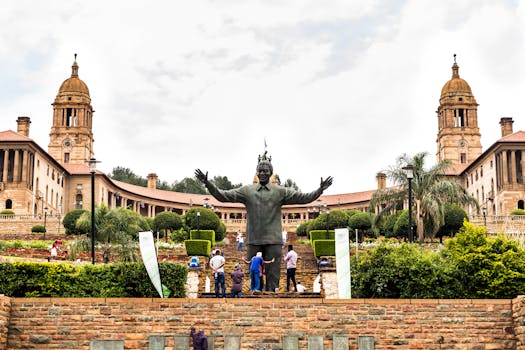 Photo: Clayton / Pexels
Celebrating Diversity: Traditional and Contemporary South African Sculptors
 Photo: Shvets Anna / Pexels
Public Art and Urban Landscapes: Sculptures as Community Anchors
 Photo: Shamiel Soni / Pexels
Tips for Appreciating South African Sculptural Art
 Photo: Patryk Balcerzak / Pexels
Comparison
| Feature | Nelson Mandela Statue (Union Buildings) | Jane Alexander's 'The Butcher Boys' | Long March to Freedom (Century City) |
|---|---|---|---|
| Medium | Bronze | Fiberglass, resin, oil paint, animal bones | Bronze |
| Primary Theme | Reconciliation, Unity, Leadership | Humanity, Power, Vulnerability | Liberation, Historical Memory |
| Location Type | Public (Government Precinct) | Gallery (Iziko South African National Gallery) | Public (Outdoor Exhibition) |
| Scale | Monumental (9 meters) | Life-size (3 figures) | Monumental (over 100 life-size figures) |
| Interaction | Photographs, Contemplation | Observation, Interpretation | Walk-through, Educational |
What Readers Say
"Visiting the 'Long March to Freedom' is an absolute must. Seeing so many famous South African sculptures in one place, each telling a vital story, was incredibly moving and educational. It gave me a profound sense of pride and connection to our history."
Thandiwe M. · Cape Town, WC"I've always been fascinated by South African art, and this article perfectly captures the essence of our sculptural heritage. The insights into artists like Jane Alexander and the historical context of the struggle sculptures really deepened my appreciation for these famous South African sculptures."
Mark P. · Durban, KZN"The Union Buildings' Mandela statue is breathtaking. I take all my international visitors there, and they are always awe-struck by its presence and the story it tells. It's truly one of the most famous South African sculptures."
Nomusa S. · Johannesburg, GP"While I appreciate the historical significance of many of the works, I sometimes find the public sculptures can be a bit overwhelming in their scale. However, there's no denying their power and importance in telling South Africa's story, especially the famous South African sculptures that commemorate key events."
Liam K. · Pretoria, GP"As an art historian, I found this guide to famous South African sculptures incredibly insightful. It provided excellent context and highlighted lesser-known but equally impactful artists, offering a comprehensive overview for anyone interested in the region's rich artistic tradition."
Sarah J. · London, UKFrequently Asked Questions
What is the most famous South African sculpture?
While 'most famous' can be subjective, the various statues of Nelson Mandela, particularly the one at the Union Buildings in Pretoria, are arguably the most recognized and iconic South African sculptures globally. These works symbolize the nation's journey to democracy and reconciliation, drawing visitors from all over the world.
Are South African sculptures only about political history?
No, while political history is a significant theme, South African sculptures encompass a vast array of subjects. They explore cultural identity, spirituality, daily life, environmental concerns, and universal human emotions. Contemporary artists, in particular, delve into diverse conceptual frameworks beyond purely historical narratives.
How can I see famous South African sculptures?
Many famous South African sculptures are in public spaces, making them accessible for viewing. Key locations include the Union Buildings in Pretoria, Constitution Hill in Johannesburg, and various public parks and squares across major cities. Art galleries like the Iziko South African National Gallery in Cape Town also house significant works. Planning a visit to these sites is the best way to experience them.
What materials are commonly used in South African sculpture?
South African sculptors utilize a wide range of materials. Historically, wood, clay, and stone were prevalent. Contemporary artists frequently work with bronze, steel, resin, fiberglass, and often incorporate found objects and recycled materials, reflecting both artistic innovation and a commentary on resourcefulness and sustainability.
How do South African sculptures contribute to national identity?
South African sculptures play a crucial role in shaping and reflecting national identity by commemorating historical events, celebrating national heroes, and exploring the complexities of a multicultural society. They serve as tangible reminders of shared experiences, struggles, and aspirations, fostering a collective memory and a sense of belonging among citizens.
Who should explore famous South African sculptures?
Anyone with an interest in art, history, culture, or social justice will find South African sculptures deeply rewarding. Tourists, students, researchers, and local residents can all gain valuable insights into the country's rich heritage and dynamic contemporary artistic expressions by exploring these powerful works.
Are there any risks associated with visiting public sculptures?
Generally, visiting public sculptures is safe, but it's always advisable to be aware of your surroundings, especially in urban areas. Visit during daylight hours, and if possible, go with a companion. Some areas might be less secure than others, so exercising general caution, as you would in any public space, is recommended.
What is the future trend for South African sculpture?
The future of South African sculpture appears vibrant and increasingly globalized. We can expect to see continued exploration of contemporary social and environmental issues, greater experimentation with digital art and new media integration, and a persistent dialogue between traditional African aesthetics and global artistic movements, pushing the boundaries of form and narrative.
Embark on a captivating journey through the artistic landscape of South Africa. Discover the profound stories and powerful expressions encapsulated in famous South African sculptures, and let these masterpieces deepen your understanding of a nation's soul. Start your exploration today and connect with the enduring legacy of South African art.