Unveiling South Africa's Most Famous Paintings
famous South African paintings

Unveiling South Africa's Most Famous Paintings

Dive into the vibrant world of South African art and uncover masterpieces that shaped a nation's identity.

Explore the Masterpieces

Key Takeaways

  • ✓ South African art reflects a diverse cultural tapestry, deeply influenced by historical events like apartheid.
  • ✓ Artists often used their work as a powerful tool for social commentary, resistance, and healing.
  • ✓ Many famous paintings are housed in national galleries and private collections, accessible to the public.
  • ✓ The evolution of South African painting spans indigenous rock art to contemporary expressions.

How It Works

1
Understand Historical Context

Before appreciating the art, grasp the socio-political landscape of the time. This enriches your understanding of the artist's message.

2
Identify Key Movements

Familiarize yourself with major art movements in South Africa, from early realism to post-apartheid contemporary art. Each movement carries distinct characteristics.

3
Explore Iconic Artists

Delve into the lives and philosophies of renowned South African painters. Their personal journeys often deeply inform their celebrated works.

4
Visit Galleries & Museums

Experience these masterpieces firsthand in galleries like the Iziko South African National Gallery. Seeing them in person offers an unparalleled connection.

The Enduring Legacy of South African Art History
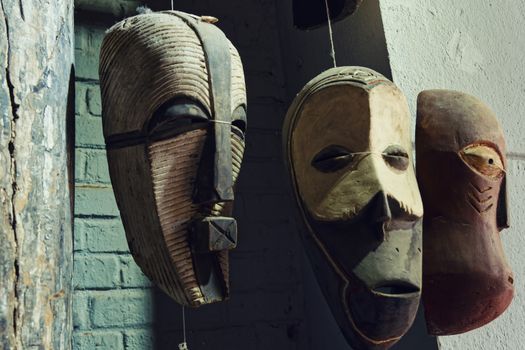
Authentic African masks showcased on a rustic brick wall in a Beijing gallery. Perfect for cultural exhibitions. Photo: Eric Prouzet / Pexels
South Africa's artistic landscape is a vibrant tapestry woven with threads of rich history, diverse cultures, and profound societal shifts. From the ancient rock art of the San people, dating back thousands of years, to the contemporary expressions of a post-apartheid nation, the story of South African painting is one of resilience, commentary, and breathtaking beauty. The early colonial period introduced European artistic traditions, which gradually merged with and were reinterpreted by local artists, leading to unique hybrid forms. However, it was arguably the 20th century, particularly during the tumultuous era of apartheid, that South African painting truly found its powerful voice on the global stage. Artists became chroniclers, critics, and visionaries, using their canvases to document injustices, celebrate resistance, and imagine a more equitable future. Figures like Irma Stern, Gerard Sekoto, and Alexis Preller laid foundational groundwork, exploring themes of identity, landscape, and spirituality with distinct styles that would influence generations. Stern’s vibrant portraits captured the essence of indigenous cultures, while Sekoto’s poignant depictions of township life offered an unfiltered look into the realities of segregation. Preller, with his surreal and symbolic approach, delved into African mythology and personal introspection. These artists, though diverse in their approaches, shared a common thread: a deep engagement with the South African experience. Their works are not merely aesthetic objects; they are historical documents, emotional landscapes, and powerful testaments to the human spirit. Understanding this historical context is crucial for appreciating the depth and significance of the famous South African paintings we celebrate today. The art often serves as a mirror, reflecting the nation’s journey through struggle and hope, making it an invaluable part of the country's cultural heritage and a powerful medium for understanding its complex past and evolving present. The narratives embedded within these paintings offer profound insights into the social fabric, political climate, and the enduring spirit of the people. They serve as a permanent record, allowing future generations to connect with the past and learn from it. Discover more about the broader evolution of arts in South Africa.

Iconic Artists and Their Masterpieces: A Deep Dive
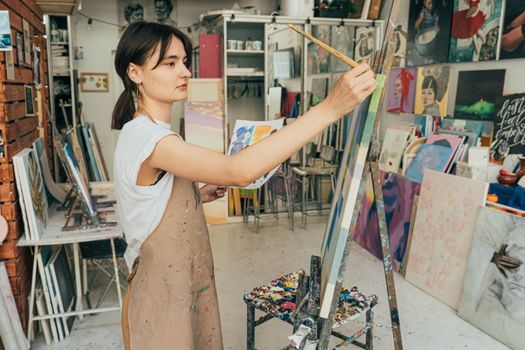
A young female artist painting on a canvas in an art studio filled with creative works. Photo: Antoni Shkraba / AI25.studio / Pexels
To truly appreciate famous South African paintings, one must delve into the lives and works of the artists who created them. Irma Stern (1894–1966) remains one of South Africa's most celebrated artists. Her work, characterized by bold colours and expressive brushstrokes, often depicted figures from various African and European cultures, reflecting her extensive travels. Paintings like 'Malay Woman' or 'Swazi Woman' are iconic for their raw emotional intensity and ethnographic detail, capturing the dignity and spirit of her subjects. Stern’s work challenged the conventional European gaze, instead offering a more empathetic and vibrant portrayal of African identity. Gerard Sekoto (1913–1993) is another colossal figure, often considered the pioneer of urban black art in South Africa. His vivid and empathetic scenes of township life, such as 'Street Scene, Eastwood' or 'The Proud Father,' provided crucial documentation of black experiences under apartheid. Sekoto’s use of colour and composition brought a sense of humanity and resilience to often harsh realities, making his work both a social commentary and a celebration of community spirit. His art resonated deeply because it depicted the everyday lives, joys, and struggles of people who were often rendered invisible by the dominant narrative. Alexis Preller (1911–1975) offered a distinctly different, yet equally profound, contribution. Known for his unique blend of surrealism, symbolism, and African iconography, Preller’s works like 'The Discovery' or 'The Red Blanket' are enigmatic and deeply spiritual. He explored themes of identity, myth, and the subconscious, often drawing inspiration from indigenous African masks and rituals. His sophisticated and often unsettling imagery challenged viewers to look beyond the surface, fostering a deeper connection to ancestral knowledge and personal introspection. These artists, through their diverse styles and thematic concerns, collectively form the bedrock of South Africa's artistic heritage, their masterpieces continuing to provoke thought and inspire awe. Their contributions are not just about painting; they are about storytelling, identity, and the enduring power of art to shape perception and understanding. Each canvas is a dialogue between the artist, their subject, and the viewer, transcending time and circumstance.

Art as Resistance: The Apartheid Era Paintings

Close-up of protest materials promoting human rights and equality. Photo: Sora Shimazaki / Pexels
The apartheid era (1948-1994) was a period of immense suffering and resistance, and South African artists played a pivotal role in documenting, protesting, and subverting the oppressive regime. Painting became a powerful weapon against injustice, a visual language that transcended barriers and communicated the harsh realities of segregation and discrimination to a global audience. Artists like Dumile Feni, widely known as the 'Goya of the townships,' created raw, emotionally charged works that depicted the brutality and dehumanization of apartheid. His powerful sculptures and drawings, such as 'African Guernica,' are stark reminders of the violence and despair, yet also the resilience, of the human spirit. Helen Sebidi, through her intricate and often spiritual paintings, explored the disintegration of traditional family structures and the impact of forced removals. Her work, rich in symbolism and ancestral narratives, offered a nuanced perspective on the psychological toll of apartheid. Similarly, black artists like John Koenakeefe Mohl and Ephraim Ngatane, often working in isolation and under severe restrictions, continued to paint scenes of township life, finding beauty and dignity amidst adversity. Their works served as visual testimonies, preserving stories that the regime sought to erase. White artists, too, contributed significantly to the anti-apartheid movement. Ernest Mancoba, who spent most of his life in Europe, nevertheless drew heavily on his African heritage, creating abstract works that challenged colonial artistic norms and asserted a distinct African modernism. The collective body of work from this period is not just art; it is history painted in vibrant, sometimes somber, hues. These famous South African paintings from the apartheid era are crucial for understanding the country's journey towards democracy, offering profound insights into the human cost of racial injustice and the enduring power of creative expression as a form of resistance and healing. They continue to educate and inspire, reminding us of the importance of vigilance and the pursuit of justice. For a deeper understanding of the societal impact, explore how art reflects society.

Collecting and Preserving South Africa's Artistic Treasures: Tips for Enthusiasts
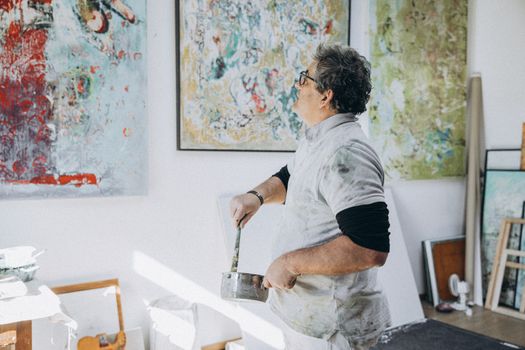
An artist painting on a canvas in a studio, surrounded by abstract artwork. Photo: Alina Rossoshanska / Pexels
For art enthusiasts looking to engage with or collect famous South African paintings, understanding the landscape of preservation and acquisition is key. **Tips for Engaging and Collecting:** * **Visit National Galleries and Museums:** The Iziko South African National Gallery in Cape Town and the Johannesburg Art Gallery are primary custodians of many iconic works. Regular visits allow for exposure to diverse collections and temporary exhibitions. * **Attend Art Fairs and Auctions:** Events like the FNB Art Joburg and Strauss & Co auctions are excellent venues to see significant works, learn about market trends, and potentially acquire pieces. Reputable auction houses often provide extensive provenance and expert valuations. * **Research Authenticity and Provenance:** When considering a purchase, especially of older or more famous works, thorough research into the painting's history (provenance) and authentication by experts is paramount. Fakes and misattributions can be common. Consult with established art dealers and appraisers. * **Understand Conservation Needs:** Paintings, especially older ones, require specific environmental conditions to prevent degradation. Factors like light exposure, humidity, and temperature must be carefully controlled. If acquiring, be prepared for proper display and storage. * **Support Emerging Artists:** While focusing on 'famous' works, also consider supporting contemporary South African artists. This not only contributes to the living art scene but can also be a way to acquire future masterpieces at more accessible price points. Galleries specializing in contemporary African art are good starting points. * **Engage with Art Historians and Curators:** Their expertise can provide invaluable insights into the historical context, artistic techniques, and significance of various works. Many institutions offer public lectures and educational programs. * **Consider Ethical Sourcing:** Ensure that any artwork you consider acquiring has been ethically sourced, especially if it involves indigenous or historically sensitive materials. Preserving these artistic treasures ensures that future generations can continue to appreciate the profound stories and aesthetic beauty embedded within South Africa's rich painting heritage. Collecting responsibly contributes to the overall health and sustainability of the art market.

Comparison

FeatureIrma SternGerard SekotoAlexis Preller
Primary StyleExpressionism, EthnocentricSocial Realism, Township ArtSymbolism, Surrealism
Key ThemesIdentity, Travel, Indigenous CulturesUrban Life, Apartheid Realities, CommunityMythology, Spirituality, Inner Self
Color PaletteBold, Vibrant, Earthy TonesEarthy, Muted, Reflecting Urban GritRich, Symbolic, Often Mystical
ImpactPioneered Modern SA Art, Cultural DocumentationHumanized Black Experience, Anti-Apartheid SymbolUnique Blend of African & European Modernism

What Readers Say

"This guide completely transformed my understanding of famous South African paintings. I now see the deeper stories behind each brushstroke and the immense cultural significance."

Thandiwe M. · Johannesburg, ZA

"The insights into Gerard Sekoto's work were particularly moving. It's incredible how art can capture such raw human experience. A truly invaluable resource for art lovers."

Liam P. · Cape Town, ZA

"I used this guide to plan my visit to the National Gallery, and it made the experience so much richer. I spent hours admiring the famous South African paintings with a newfound appreciation."

Aisha R. · Durban, ZA

"While excellent, I would have loved even more detailed analysis on some of the lesser-known but equally impactful apartheid artists. Still, a fantastic overview of famous South African paintings."

Mark S. · Pretoria, ZA

"As an art historian, I find this article to be a remarkably comprehensive and accessible introduction to famous South African paintings. It's an excellent primer for students and enthusiasts alike."

Dr. Eleanor Vance · London, UK

Frequently Asked Questions

What is considered the most famous South African painting?

While 'most famous' is subjective, Irma Stern's 'Malay Woman' or Gerard Sekoto's 'Street Scene, Eastwood' are often cited as among the most iconic and recognizable South African paintings. These works are celebrated for their artistic merit and historical significance, capturing pivotal aspects of South African culture and society.

Are famous South African paintings primarily focused on political themes?

While many famous South African paintings, especially those from the apartheid era, carry strong political and social commentary, the scope is much broader. Artists have explored themes of identity, landscape, spirituality, daily life, and cultural heritage, reflecting the diverse tapestry of the nation's experiences beyond just politics.

How can I see famous South African paintings in person?

The best way to see famous South African paintings is by visiting major art institutions within South Africa. The Iziko South African National Gallery in Cape Town and the Johannesburg Art Gallery house extensive collections. Additionally, various university galleries and private collections often display important works.

Are famous South African paintings a good investment?

Investing in art, including famous South African paintings, can be a valuable endeavor, but it requires careful research and consultation with experts. The value of art can fluctuate based on market trends, provenance, and the artist's legacy. It's advisable to seek advice from reputable art dealers or appraisers.

How does South African painting compare to other African art movements?

South African painting shares thematic links with other African art movements, particularly in addressing post-colonial identity and social justice. However, its unique historical trajectory, especially the profound impact of apartheid, gives it a distinct voice and stylistic evolution compared to movements in West or East Africa, though influences are often cross-continental.

Who should explore famous South African paintings?

Anyone with an interest in art history, cultural studies, or the history of South Africa will find immense value in exploring these paintings. They are particularly relevant for students, researchers, art collectors, and tourists seeking a deeper understanding of the nation's soul through its visual arts.

Is it safe to purchase famous South African paintings online?

Purchasing famous South African paintings online carries risks, primarily concerning authenticity and condition. It's crucial to buy from highly reputable online galleries or auction houses that provide detailed provenance, high-resolution images, and clear return policies. Always verify the seller's credentials and consider independent authentication before a significant purchase.

What is the future trend for famous South African paintings?

The future trend for famous South African paintings points towards continued global recognition and scholarly interest. There's a growing appreciation for post-apartheid contemporary artists, and a renewed focus on re-evaluating and celebrating the foundational artists. Digital archives and virtual exhibitions are also making these works more accessible worldwide, ensuring their legacy endures and expands.

Embark on your own artistic journey and delve deeper into the captivating world of famous South African paintings. Discover the stories, the struggles, and the triumphs etched onto canvases that continue to inspire and resonate across generations. Begin your exploration today.

Topics: famous South African paintingsSouth African art historyiconic South African artistsSouth African cultural heritageapartheid art
Leo List

DK Escorts LU Escorts AT Escorts SE Escorts FI Escorts CH Escorts DE Escorts HR Escorts IE Escorts GR Escorts CZ Escorts NO Escorts BE Escorts FR Escorts SI Escorts IL Escorts NL Escorts PL Escorts HU Escorts ES Escorts IT Escorts PT Escorts SK Escorts RO Escorts ZA Escorts UY Escorts US Escorts UK Escorts NZ Escorts AU Escorts
Brampton weed
Adultwork EstrelaBet Vai de Bet R7 Bet Betão Galera Bet Rainbet Bet9ja Shop SportyBet BetKing Sisal Loto Foot Hollywoodbets YesPlay Odibets RushBet Jugabet BetWarrior BetCity MSport betPawa Fortebet