✓ South African art reflects a diverse cultural tapestry, often grappling with themes of identity, struggle, and resilience.
✓ Early South African painters were heavily influenced by European traditions but quickly forged unique local styles.
✓ The apartheid era profoundly impacted artistic expression, leading to powerful protest art and hidden narratives.
✓ Contemporary South African artists continue to gain international recognition, pushing boundaries and redefining perspectives.
How It Works
1
Explore Historical Context
Understand the socio-political landscapes that shaped the early and mid-20th century artists. This context is crucial for appreciating the depth of their work.
2
Discover Key Movements
Familiarize yourself with significant art movements like the Polly Street Art Centre or the Amadlozi Group. These collectives fostered unique artistic voices and styles.
3
Uncover Iconic Artists
Delve into the biographies and oeuvres of celebrated painters like Irma Stern, Gerard Sekoto, and William Kentridge. Each artist offers a distinct window into South African life.
4
Appreciate Contemporary Voices
Engage with the work of current South African artists who are shaping the global art scene. Their innovative approaches address present-day issues and future visions.
Pioneers and Early Influences in South African Art
Photo: Emanuel Pedro / Pexels
South Africa's artistic journey is as complex and vibrant as its history. The early 20th century saw the emergence of figures who laid the groundwork for a distinctly South African art identity, often grappling with the dual influences of European academic traditions and the unique landscapes and cultures of their homeland. These pioneers were instrumental in moving beyond mere colonial mimicry to forge a style that began to speak with an authentic local voice. Artists like Irma Stern (1894-1966) stand as towering figures from this period. Her bold use of colour and expressive brushwork, heavily influenced by German Expressionism, was applied to portrayals of African people and landscapes, often challenging the prevailing colonial gaze. Stern travelled extensively through South Africa, Zanzibar, and the Congo, immersing herself in the cultures she depicted. Her portraits are not merely ethnographic studies but deeply empathetic engagements, capturing the dignity and spirit of her subjects. Her work was initially met with resistance in conservative South Africa but gained international acclaim, cementing her status as one of the most famous South African painters.
Another significant early artist was Maggie Laubser (1886-1973), a contemporary of Stern, who also studied in Europe, particularly in Germany, where she was exposed to Expressionism. Laubser’s work, characterized by simplified forms and vivid colours, often focused on rural life, depicting farm labourers, landscapes, and animals with a raw, almost primitive sincerity. Her approach was less about direct political commentary and more about a deeply personal connection to the land and its people, presented in a style that was uniquely her own. Both Stern and Laubser, despite their European training, returned to South Africa with a determination to create art that reflected their immediate environment, establishing a crucial precedent for future generations. Their willingness to experiment with form and colour, and to challenge conventional artistic norms, paved the way for the rich diversity that characterises South African art today. Their legacies continue to inspire and inform contemporary artists, demonstrating the profound impact of their early contributions to the national artistic discourse. The narratives embedded in their works offer invaluable insights into the societal dynamics and cultural expressions of their time, making them indispensable to any study of South African arts.
Art During Apartheid: Resistance, Identity, and Expression
Photo: Gugulethu Ndlalani / Pexels
The apartheid era (1948-1994) was a period of immense social and political upheaval in South Africa, and its impact on the arts was profound. Artists often found themselves at the forefront of the struggle, using their work as a powerful tool for protest, documentation, and the assertion of identity in the face of systemic oppression. This period gave rise to some of the most compelling and famous South African painters, whose art not only reflected the harsh realities of segregation but also offered glimmers of hope and resilience. Gerard Sekoto (1913-1993) is a seminal figure from this time, often considered the first black South African artist to gain international recognition. His poignant depictions of township life, captured with a deep sense of humanity and observation, offered a stark contrast to the dehumanising narratives of apartheid. Sekoto’s vibrant street scenes, jazz clubs, and everyday moments in Sophiatown and other townships are not just records; they are celebrations of a resilient spirit, even amidst adversity. His move to Paris in 1947 marked a significant moment, but his heart and artistic focus remained firmly rooted in South Africa.
Another artist whose work was deeply intertwined with the apartheid struggle was Dumile Feni (1942-1991), often referred to as the 'Goya of the townships.' His powerful, often grotesque, and highly emotive figures conveyed the anguish, injustice, and psychological toll of apartheid with an intensity that few could match. Feni's art, primarily drawing and sculpture, speaks of suffering and defiance, making him a crucial voice of resistance. Similarly, artists like George Pemba (1912-2001) chronicled the daily lives and struggles of black South Africans with empathy and realism, often using watercolour and oil to capture scenes of community, labour, and resilience. These artists, operating under immense pressure and often facing censorship and persecution, developed unique styles that circumvented official narratives and spoke directly to the human experience. Their work served as a vital form of communication, preserving stories and fostering a sense of collective identity when official channels sought to erase it. The artistic output from this period is not just a historical record; it is a testament to the enduring power of art to challenge, to heal, and to inspire, making these individuals undeniably famous South African painters whose influence reverberates to this day.
Contemporary Visionaries: Shaping the Global Art Scene
Photo: Mike Bird / Pexels
In the post-apartheid era, South African art has experienced a dynamic resurgence, with a new generation of artists building upon the foundations laid by their predecessors while pushing boundaries and engaging with global contemporary art dialogues. These contemporary visionaries are defining what it means to be a famous South African painter in the 21st century, often addressing themes of post-colonial identity, reconciliation, globalism, and the ongoing complexities of nation-building. William Kentridge (b. 1955) is arguably the most internationally acclaimed contemporary South African artist. His multidisciplinary practice, encompassing drawing, film, sculpture, and opera, delves into themes of history, memory, and the lingering effects of apartheid. Kentridge's animated drawings, created through a process of continually altering and re-photographing charcoal drawings, are particularly iconic, offering a profound meditation on time, power, and human experience. His work is exhibited in major museums worldwide, solidifying his status as a global artistic force.
Another significant contemporary artist is Marlene Dumas (b. 1953), though she has lived and worked in the Netherlands since the 1970s, her South African origins deeply inform her work. Known for her intensely psychological and often unsettling portraits, Dumas explores themes of race, sexuality, death, and identity with a raw vulnerability that challenges viewers. Her paintings, often rendered in washes of ink and oil, possess an ethereal quality that belies their powerful emotional impact. Her international recognition has brought South African sensibilities to a global stage. Artists like Zanele Muholi (b. 1972), primarily known for their photography, also engage deeply with painting and visual storytelling to document and celebrate black LGBTQIA+ communities in South Africa, challenging heteronormative narratives and promoting visibility. Their work, though often photographic, carries the painterly qualities of composition and emotional depth, placing them within the broader discourse of visual artists from the region. These artists, through their diverse practices and unwavering commitment to addressing pressing social and personal issues, continue to elevate the profile of South African art on the world stage, ensuring that the legacy of famous South African painters remains vibrant and ever-evolving. Their contributions are vital for understanding the evolving landscape of global arts, reflecting a nation in continuous dialogue with its past, present, and future.
Beyond the Canvas: South African Art Movements and Collectives
Photo: Alexander Nadrilyanski / Pexels
While individual artists often capture headlines, the trajectory of South African art has also been significantly shaped by influential movements and collectives. These groups provided platforms for artists to collaborate, share ideas, and collectively challenge prevailing artistic and social norms, particularly during periods of intense political repression. Understanding these movements is crucial to appreciating the broader context in which famous South African painters emerged and thrived. One such pivotal institution was the Polly Street Art Centre, established in Johannesburg in the 1950s. It was a rare non-racial art school during apartheid, offering training and a creative sanctuary to black artists who were largely excluded from formal art education. Polly Street nurtured talents like Gerard Sekoto (before his departure), Sydney Kumalo, and Louis Maqhubela, fostering a generation of artists who developed a unique blend of Western modernist influences with African aesthetics. The Centre became a beacon of artistic freedom and expression, proving that creativity could flourish even under the most restrictive conditions. Its legacy is not just in the artists it produced, but in the spirit of defiance and artistic innovation it embodied.
Later, groups like the Amadlozi Group, formed in the 1960s, sought to reclaim and celebrate African identity in art. Translating to 'ancestors' in isiZulu, the Amadlozi artists, including Cecil Skotnes and Sydney Kumalo, drew inspiration from indigenous African art forms, mythology, and spirituality, moving away from purely European models. Their work was characterised by a powerful synthesis of abstract and figurative elements, often expressed through sculpture and relief panels, though their influence extended to painters seeking to imbue their work with African essence. This movement was vital in establishing a distinct African aesthetic in modern South African art.
More recently, collectives and art spaces continue to play a crucial role. Organizations like the Bag Factory Artists' Studios in Johannesburg, established in the late 1990s, provide vital studio space, mentorship, and exhibition opportunities for emerging and established artists, fostering a vibrant contemporary art scene. These collectives ensure that artists have the resources and community support needed to develop their practices, experiment with new forms, and engage with critical issues. They are instrumental in identifying and nurturing the next generation of famous South African painters, ensuring a continuous flow of innovative and relevant artistic expression. These movements and spaces highlight the collaborative spirit and the enduring quest for identity and social commentary that defines South African art, extending its influence far beyond individual canvases.
Comparison
Feature
Irma Stern
Gerard Sekoto
William Kentridge
Era
Early 20th Century
Mid-20th Century
Late 20th - 21st Century
Key Themes
Identity, Exoticism, African Cultures
Township Life, Human Dignity
Memory, History, Apartheid Aftermath
Style Influence
German Expressionism
Social Realism, Parisian Modernism
Drawing, Animation, Multi-media
International Recognition
Early Recognition
Posthumous Acclaim
Global Superstar
What Readers Say
★★★★★
"This article beautifully captures the essence of famous South African painters. I learned so much about the historical context and individual styles, truly enriching my appreciation for our local art scene."
Lerato M. · Cape Town, ZA
★★★★★
"As an art enthusiast, I found this incredibly informative. The depth of analysis on artists like Gerard Sekoto was insightful, connecting their work directly to the socio-political landscape of the time."
David P. · Johannesburg, ZA
★★★★★
"I often felt disconnected from South African art history, but this guide made it accessible and engaging. I now feel confident discussing the impact of famous South African painters with friends and visiting galleries with a new perspective."
Sarah K. · Durban, ZA
★★★★★
"A comprehensive overview, though I would have loved to see more emerging artists mentioned. Still, the historical context provided for famous South African painters was excellent and very well-researched."
Michael V. · Pretoria, ZA
★★★★★
"This article inspired me to visit local galleries and see these masterpieces firsthand. The descriptions of the artists and their motivations really brought their art to life, making me feel a deeper connection to our heritage."
Naledi Z. · Gqeberha, ZA
Frequently Asked Questions
Who are some of the most famous South African painters?
Some of the most famous South African painters include Irma Stern, Gerard Sekoto, Maggie Laubser, George Pemba, Dumile Feni, and William Kentridge. These artists represent different eras and styles, each contributing significantly to the nation's artistic heritage and international recognition.
How did apartheid influence South African painters?
Apartheid profoundly influenced South African painters by shaping their themes, styles, and access to resources. Many artists used their work as a form of protest, to document daily life under segregation, and to assert cultural identity, often facing censorship and persecution in the process. This period fostered powerful expressions of resistance and resilience.
How can I discover more about contemporary South African artists?
To discover more about contemporary South African artists, visit local art galleries in major cities like Johannesburg and Cape Town, attend art fairs such as FNB Art Joburg or Investec Cape Town Art Fair, and explore online platforms dedicated to African contemporary art. Many artists also maintain active social media presences.
Is South African art a good investment?
The value of South African art, particularly works by famous and established artists, has seen significant growth in recent decades. While no investment is guaranteed, many collectors and art enthusiasts view South African art as a valuable asset, appreciating both its cultural significance and potential for financial return. It's advisable to consult with art market experts.
How does South African art compare to European or American art?
South African art holds a unique position, drawing influences from European modernism but fundamentally rooted in African experiences, histories, and aesthetics. While sharing universal themes, it often offers distinct perspectives on colonialism, post-colonial identity, social justice, and the vibrant cultural tapestry of the continent, making it a compelling and vital part of the global art conversation, not merely a comparison.
Who should explore famous South African painters?
Anyone with an interest in art history, cultural studies, social justice, or simply a love for beautiful and thought-provoking imagery should explore famous South African painters. Their work offers deep insights into human resilience, the power of expression, and the complex narrative of a nation.
Are there any ethical considerations when collecting South African art?
When collecting South African art, especially historical pieces, it's important to consider provenance and ethical sourcing. Ensure artworks are acquired legally and that artists or their estates are fairly compensated. Supporting living artists directly or through reputable galleries also contributes to the sustainable growth of the art community.
What future trends are expected in South African painting?
Future trends in South African painting are likely to continue exploring themes of identity, technology's impact, environmental concerns, and global interconnectedness. Expect more interdisciplinary approaches, increased digital integration, and a growing emphasis on decolonizing art narratives and fostering diverse voices from across the continent.
Embark on a journey through South Africa's rich artistic heritage. Discover the profound stories and breathtaking works of famous South African painters, and let their creativity inspire your own appreciation for art. Explore, learn, and celebrate this incredible legacy today.

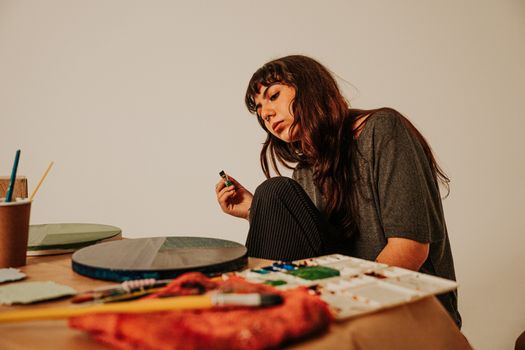 Photo: Emanuel Pedro / Pexels
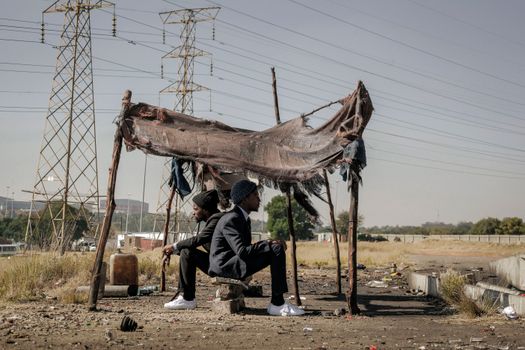 Photo: Gugulethu Ndlalani / Pexels
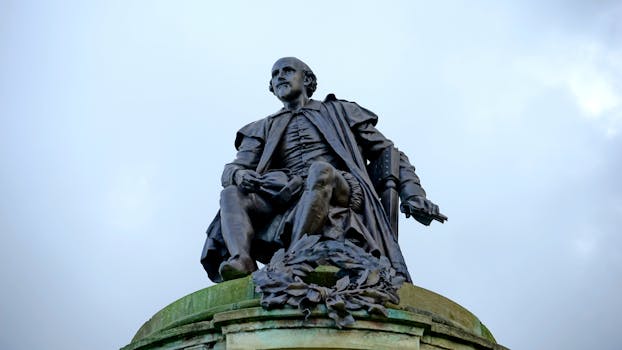 Photo: Mike Bird / Pexels
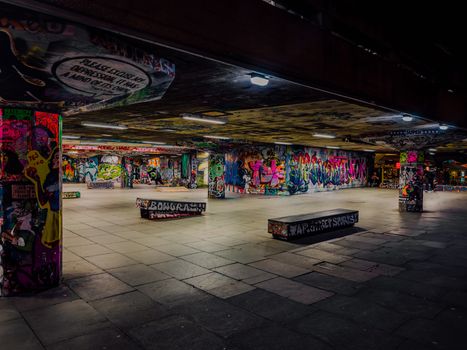 Photo: Alexander Nadrilyanski / Pexels