Unearthing the Rich famous South African artists history
July 29, 202615 min read3,062 words
Unearthing the Rich famous South African artists history
July 29, 202615 min read3,062 words
Journey through the captivating evolution of South African art, discovering the iconic figures and pivotal movements that defined a nation's creative spirit.
✓ South African art history is deeply intertwined with its political and social landscape, particularly apartheid.
✓ Early artistic expressions often reflected indigenous traditions and colonial influences.
✓ The Polly Street Art Centre played a crucial role in nurturing Black artists during segregation.
✓ Contemporary South African art enjoys significant international recognition for its bold themes and diverse styles.
How It Works
1
Explore Pre-Colonial Roots
Understand the foundational artistic expressions of indigenous peoples, such as San rock art, which offer insights into ancient cultures and spiritual beliefs. These early forms set a rich precedent for later artistic developments.
2
Witness Colonial Impact
Examine how European settlement introduced new artistic techniques and themes, leading to a blend of indigenous and Western styles. This period saw the emergence of formal art education and the establishment of galleries.
3
Navigate Apartheid's Influence
Delve into the art created during the apartheid era, which often served as a powerful tool for protest, resistance, and social commentary. Artists faced significant challenges but produced some of their most impactful works.
4
Celebrate Post-Apartheid Renaissance
Discover the vibrant and diverse art scene that flourished after 1994, characterized by themes of reconciliation, identity, and global engagement. Contemporary artists continue to push boundaries and explore complex narratives.
The Genesis of South African Artistic Expression: From Ancient Echoes to Colonial Canvas
Photo: toshihiko tanaka / Pexels
The famous South African artists history is a tapestry woven with threads of deep antiquity and dramatic socio-political change. Before the arrival of European settlers, the land now known as South Africa was rich with indigenous artistic traditions, most notably the breathtaking San rock art. These ancient masterpieces, found in caves and rock shelters across the country, are not merely decorative; they are intricate narratives, spiritual records, and visual encyclopedias of a hunter-gatherer society. Depicting animals, human figures, rituals, and trance states, San art offers an unparalleled window into the cosmology and daily lives of these early inhabitants. Their sophisticated use of colour, perspective, and symbolism predates many Western art conventions by millennia. This foundational layer of artistic expression is crucial to understanding the inherent creativity embedded within the South African landscape and its peoples.
With the advent of European colonization from the 17th century onwards, the artistic landscape began to shift dramatically. Dutch and later British settlers introduced Western artistic conventions, materials, and patronage systems. Initially, much of the art produced by European immigrants focused on documenting the new environment – its landscapes, flora, fauna, and indigenous populations, often through an ethnographic and colonial lens. Artists like Thomas Baines and George French Angas produced detailed, if sometimes romanticized or biased, visual records. This period saw the establishment of early art societies and the nascent development of formal art education, primarily catering to the white settler community. However, it also marked the beginning of a complex cultural exchange, albeit an unequal one, where indigenous forms of expression often took a backseat or were appropriated. The art of this era, while historically significant, largely overlooked or marginalized the artistic voices of the majority Black population. It set the stage for the later struggles for recognition and authentic representation that would define much of the 20th-century South African art scene. Understanding this dual origin – the ancient indigenous and the introduced colonial – is vital for appreciating the unique trajectory of the famous South African artists history. It highlights the enduring power of art to reflect, resist, and redefine identity against a backdrop of profound societal shifts. The early 20th century saw the emergence of artists like Irma Stern and Maggie Laubser, who, while trained in Europe, began to interpret the South African landscape and its people with a distinctive local flavour, often inspired by indigenous cultures, though still from a predominantly European perspective. Their work, characterized by vibrant colours and expressionistic brushwork, helped to forge a nascent South African modernism, paving the way for later generations to explore more deeply the complexities of their homeland. This formative period laid the groundwork for the rich diversity that would characterize South African art in the decades to come, moving from mere documentation to deeper engagement with local realities and identities. For more on the broader context of art in the region, explore the history of African arts.
Art as Resistance: The Apartheid Era and the Rise of Black Voices
Photo: Brett Sayles / Pexels
The mid-20th century marked a pivotal and often painful chapter in the famous South African artists history, dominated by the institutionalized racism of apartheid. This era, from 1948 to 1994, profoundly shaped artistic production, transforming art into a powerful weapon of protest, a means of documenting injustice, and a vital expression of identity for those oppressed. Black artists, in particular, faced immense challenges, including limited access to formal education, exhibition spaces, and international exposure due to discriminatory laws and practices. Yet, it was precisely within these constraints that some of the most compelling and politically charged art emerged.
Key institutions and movements played a crucial role in nurturing talent and providing platforms during this oppressive period. The Polly Street Art Centre in Johannesburg, founded in the 1950s, became a beacon of hope, offering informal training and mentorship to countless Black artists. Figures like Gerard Sekoto, who depicted township life with profound empathy and social commentary before leaving for exile, and later, artists like Dumile Feni, whose raw, expressionistic drawings captured the anguish and defiance of the oppressed, emerged from this environment. Feni's work, often characterized by distorted figures and powerful symbolism, became synonymous with the anti-apartheid struggle, even as he too was forced into exile.
Beyond direct protest, artists used their work to preserve cultural heritage, celebrate Black identity, and articulate the human cost of apartheid. The Rorke's Drift Art and Craft Centre in KwaZulu-Natal, established in the 1960s, provided another crucial space for Black artists to develop skills in printmaking, weaving, and sculpture, fostering a unique blend of traditional African aesthetics and modern techniques. Artists such as Azaria Mbatha and John Muafangejo gained international recognition for their powerful linocuts, which often depicted biblical stories reinterpreted through an African lens, subtly critiquing the injustices of their time.
The apartheid government's attempts to control and censor artistic expression often backfired, inadvertently strengthening the resolve of artists to speak truth to power. Exhibitions were sometimes banned, and artists faced harassment, but their work continued to circulate, both domestically and internationally, becoming an integral part of the global anti-apartheid movement. This period saw the development of a distinctly South African aesthetic, characterized by a fierce independence, a deep engagement with social issues, and a powerful narrative drive. The art of the apartheid era is a testament to the resilience of the human spirit and the enduring power of creativity in the face of adversity, laying the groundwork for the rich and diverse artistic landscape that would emerge in the post-apartheid era. It is impossible to discuss the famous South African artists history without acknowledging the profound impact of this period on its trajectory and the courageous voices it amplified.
Post-Apartheid Liberation: A New Era of Artistic Identity and Global Recognition
Photo: Teddy tavan / Pexels
The dawn of democracy in 1994 ushered in a transformative period for the famous South African artists history, marked by an explosion of creative energy and a newfound freedom of expression. With the dismantling of apartheid, artists were liberated from the constraints of censorship and the burden of constantly creating protest art. This allowed for a broader exploration of themes, styles, and identities, reflecting the complex process of national reconciliation, identity formation, and engagement with a globalized world.
Artists who had previously been marginalized or exiled returned, contributing to a vibrant and diverse art scene. The focus shifted from direct political protest to nuanced explorations of memory, trauma, healing, gender, sexuality, and the ongoing challenges of building a democratic society. William Kentridge emerged as a globally renowned figure, known for his distinctive charcoal animations and prints that delve into the psychological and historical complexities of South Africa, often reflecting on the ambiguities of memory and power. His work, deeply rooted in the South African experience, resonates universally, making him one of the most recognized contemporary artists from the continent.
Another significant artist of this era is Marlene Dumas, though much of her career unfolded internationally, her South African origins deeply inform her poignant and often unsettling paintings. Her explorations of the human condition, sexuality, and vulnerability have earned her critical acclaim worldwide. Zanele Muholi's photography, confronting issues of identity, race, and LGBTQ+ rights, offers powerful and intimate portraits that challenge societal norms and celebrate marginalized communities. Their work is a vital contribution to contemporary discourse, pushing boundaries both aesthetically and politically.
The post-apartheid era also saw a proliferation of new art institutions, galleries, and biennales, providing platforms for both established and emerging artists. The Goodman Gallery, Stevenson Gallery, and Zeitz MOCAA (Museum of Contemporary Art Africa) in Cape Town have become crucial spaces for showcasing South African and African contemporary art to a global audience. These institutions have played a significant role in elevating the profile of South African artists on the international stage, fostering critical dialogue, and promoting cultural exchange.
Furthermore, artists began to experiment more freely with diverse media, from installation art and performance art to digital media and video art, reflecting global trends while maintaining a distinctively South African voice. The themes explored are often deeply personal yet resonate with universal human experiences, encompassing everything from the beauty of the South African landscape to the ongoing struggles for social justice and equality. The post-apartheid period has cemented South Africa's position as a significant player in the global art world, showcasing a generation of artists who are not only technically brilliant but also deeply engaged with the complexities of their nation's past, present, and future. This ongoing evolution continues to enrich the famous South African artists history, demonstrating its dynamic and ever-unfolding nature. For a deeper dive into modern artistic trends, consider exploring modern art movements.
Key Figures and Enduring Legacies: Navigating the South African Art Scene Today
Understanding the famous South African artists history requires acknowledging not just movements but also the individual titans whose visions shaped its trajectory. Beyond the previously mentioned, numerous artists have left indelible marks. Helen Sebidi, for instance, is a powerful sculptor and painter whose work often draws on traditional storytelling and spiritual themes, reflecting the resilience and wisdom of rural communities. Her earthy palettes and expressive forms bridge ancestral knowledge with contemporary realities. Penny Siopis, another significant figure, explores themes of history, memory, and the body through a diverse range of media, including painting, film, and installation. Her work often delves into the complexities of South African identity, using personal narratives to illuminate broader societal issues.
The legacy of these artists, both past and present, is evident in the vibrant and diverse art scene that thrives across South Africa today. Galleries in major cities like Johannesburg, Cape Town, and Durban showcase a wide array of talent, from established masters to exciting new voices. Art fairs such as FNB Art Joburg and Investec Cape Town Art Fair have become essential platforms, attracting international collectors and curators, further integrating South African art into the global discourse.
Moreover, educational institutions like the Michaelis School of Fine Art at the University of Cape Town and the Wits School of Arts continue to nurture new generations of artists, ensuring the continuation of this rich artistic tradition. These institutions foster critical thinking and experimentation, encouraging students to engage with both local and global artistic trends. The ongoing dialogue between tradition and innovation, local narratives and global perspectives, ensures that South African art remains dynamic and relevant.
One common mistake when approaching South African art is viewing it through a singular, often politically charged, lens. While the legacy of apartheid is undeniably significant, the country's art is far more multifaceted. It encompasses abstract expressionism, conceptual art, performance art, and a myriad of other forms that explore universal human experiences alongside specific South African contexts. Another pitfall is to overlook the rich diversity within Black South African art, assuming a monolithic style or theme. In reality, there is immense stylistic and thematic variation, reflecting diverse ethnic groups, regional influences, and individual artistic visions.
To truly appreciate the famous South African artists history, one must embrace its complexity, its beauty, its pain, and its profound capacity for hope and renewal. It is a story of resilience, innovation, and an unwavering commitment to creative expression, a testament to the power of art to articulate the soul of a nation.
List of Enduring Legacies:
* **Storytelling through Visuals:** From San rock art to contemporary narratives, storytelling remains a core element.
* **Social Commentary:** Art as a powerful tool for critique and advocacy, especially during apartheid.
* **Cultural Hybridity:** A constant interplay between indigenous traditions and global influences.
* **Innovation in Material and Form:** Experimentation with diverse media and techniques.
* **Global Recognition:** South African artists increasingly taking their place on the international stage.
Comparison
Feature
Early Indigenous Art
Colonial Period Art
Apartheid Era Art
Post-Apartheid Art
Primary Mediums
Rock paintings, carvings
Oil painting, watercolour
Printmaking, drawing, sculpture
Mixed media, installation, digital
Dominant Themes
Spirituality, hunting, daily life
Landscape, portraiture, ethnography
Protest, identity, suffering
Reconciliation, identity, global issues
Audience Focus
Community, spiritual
European settlers, colonial administration
Local resistance, international solidarity
Global art market, diverse local audiences
Artist Demographics
San, Khoi-Khoi
European immigrants
Predominantly Black artists (marginalized)
Diverse, multi-racial
What Readers Say
★★★★★
"This article beautifully articulates the famous South African artists history. It's incredibly comprehensive and helped me understand the profound impact of socio-political events on our art. A truly insightful read for anyone interested in our cultural heritage."
Lerato Mokoena · Johannesburg, Gauteng
★★★★★
"As an art enthusiast, I found this deep dive into South African art history absolutely captivating. The way it connects different eras and highlights key artists is brilliant, offering a much-needed perspective on our unique artistic journey."
David van der Merwe · Cape Town, Western Cape
★★★★★
"I've always been fascinated by South African art, and this article delivered. It provided a clear chronological understanding and introduced me to several artists I hadn't known, enriching my appreciation significantly. Highly recommend for a thorough overview."
Sarah Chen · Durban, KwaZulu-Natal
★★★★★
"The article is very informative, especially on the apartheid era's influence on art. While I wished for a bit more on contemporary performance art, it's still an excellent resource for anyone wanting to grasp the famous South African artists history comprehensively."
Kgosi Ndlovu · Pretoria, Gauteng
★★★★★
"Visiting South Africa, I wanted to learn about its art. This piece was perfect, giving me a solid foundation before exploring galleries. It made my experience much richer, understanding the context behind the stunning works I saw."
Emily Watson · London, UK
Frequently Asked Questions
Who are some of the most famous South African artists?
Some of the most famous South African artists include Gerard Sekoto, Irma Stern, Maggie Laubser, Dumile Feni, William Kentridge, Marlene Dumas, and Zanele Muholi. Each has contributed significantly to the country's artistic narrative, often exploring themes deeply rooted in South African history and identity, and many have achieved international acclaim for their distinctive styles and profound subject matter.
How did apartheid affect South African art?
Apartheid profoundly impacted South African art by restricting artists' freedom, limiting access to education and exhibition spaces, and fostering a climate of censorship. However, it also galvanized artists to create powerful works of protest, resistance, and social commentary, with art becoming a crucial tool for expressing dissent and preserving cultural identity amidst oppression. This era produced some of the most emotionally charged and politically significant art in the country's history.
Where can I see famous South African art today?
You can see famous South African art in various institutions across the country and globally. Key locations include the Iziko South African National Gallery in Cape Town, the Johannesburg Art Gallery (JAG), the Zeitz MOCAA (Museum of Contemporary Art Africa) in Cape Town, and numerous private galleries like the Goodman Gallery and Stevenson Gallery. International museums also feature South African works.
Is South African art expensive?
The cost of South African art varies widely. Works by famous, established artists like William Kentridge or Irma Stern can command very high prices at auctions and galleries, reflecting their international recognition and historical significance. However, there is also a vibrant market for emerging artists, offering more accessible price points for collectors and enthusiasts looking to invest in contemporary talent or support local artists.
How does South African art compare to other African art forms?
South African art shares some commonalities with other African art forms, particularly in its emphasis on storytelling, community, and often, political commentary. However, its unique history, including a complex colonial past and the distinct experience of apartheid, has forged a unique identity. It often blends indigenous traditions with Western influences and explores themes specific to its socio-political landscape, making it distinct yet interconnected within the broader African artistic tapestry.
Who should learn about famous South African artists history?
Anyone interested in art history, cultural studies, political history, or simply appreciating diverse artistic expressions should learn about the famous South African artists history. It's particularly valuable for students, art collectors, tourists planning to visit South Africa, and individuals seeking to understand how art can reflect and shape a nation's identity and struggles.
Are there any risks in collecting South African art?
As with any art market, risks in collecting South African art include issues of authenticity, provenance, and fluctuating market values. It's crucial to purchase from reputable galleries and dealers, conduct thorough research on artists, and potentially seek expert appraisals. However, the market for South African art is robust and growing, offering significant cultural and potential investment value.
What is the future trend for South African art?
The future trend for South African art appears to be one of continued growth, diversification, and increased global integration. Expect to see further exploration of post-colonial identities, environmental concerns, digital art forms, and a strong emphasis on social justice. Emerging artists are pushing boundaries, and greater international collaboration and recognition are anticipated, solidifying its place in the global contemporary art scene.
Delve deeper into the vibrant narratives and powerful expressions that define the famous South African artists history. Explore galleries, read more, and let these incredible stories inspire you to connect with a legacy of resilience and creativity. Your journey into South African art starts now.

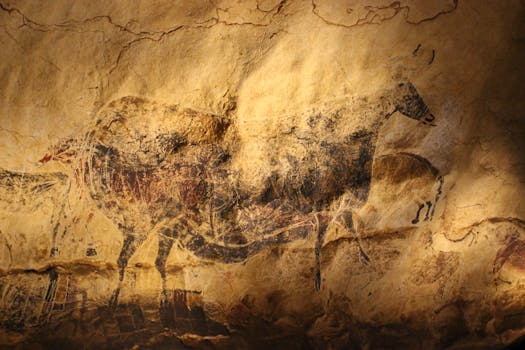 Photo: toshihiko tanaka / Pexels
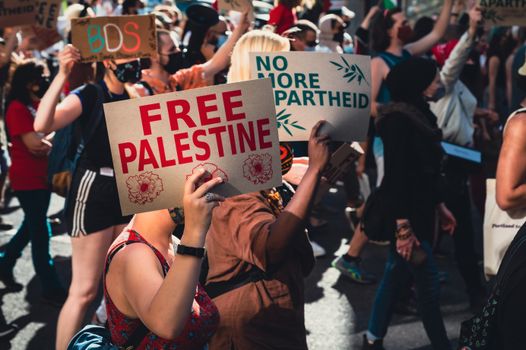 Photo: Brett Sayles / Pexels
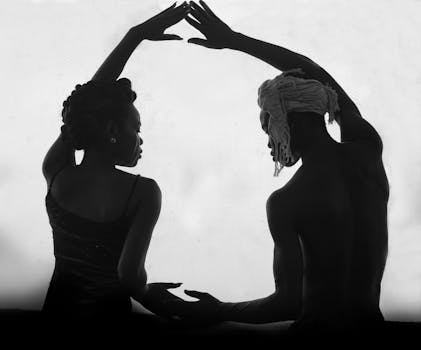 Photo: Teddy tavan / Pexels