Unveiling Famous South African Artists: A Cultural Journey

Vibrant close-up of handmade beaded patterns, showcasing cultural craftsmanship. Perfect for design inspiration.Photo: Magda Ehlers / Pexels

Unveiling Famous South African Artists: A Cultural Journey

Explore the profound impact and rich legacies of South Africa's most celebrated visual artists.

Explore Their Art

Key Takeaways

  • ✓ South African art reflects a diverse cultural landscape, often addressing historical and social themes.
  • ✓ Many prominent artists gained international recognition despite apartheid-era restrictions.
  • ✓ The country boasts a vibrant contemporary art scene with emerging talents.
  • ✓ Indigenous art forms, like San rock art, are among the oldest artistic expressions globally.

How It Works

1
Historical Context

Understand the socio-political backdrop that profoundly influenced South African art, from colonial times to post-apartheid.Learn more about South Africa's rich history.

2
Iconic Figures

Delve into the lives and works of pivotal artists whose contributions shaped the national and international art landscape.

3
Artistic Movements

Explore various art movements and styles that emerged in South Africa, reflecting diverse perspectives and cultural narratives.

4
Contemporary Impact

Witness how modern artists continue to innovate, challenge, and define the future of South African art on a global stage.

Pioneers of South African Painting: Shaping a National Identity
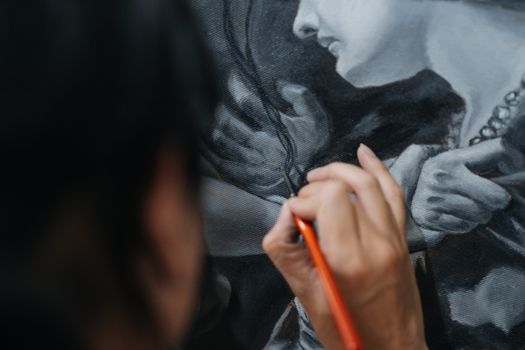
Close-up of artist carefully painting a detailed portrait using fine brushes.Photo: Huy Nguyễn / Pexels
South Africa's artistic narrative is deeply intertwined with its complex history, and the early pioneers of painting played a crucial role in documenting, interpreting, and sometimes challenging the prevailing societal norms. Artists like Irma Stern and Gerard Sekoto stand as colossal figures, whose works not only captured the essence of their times but also laid the groundwork for future generations. Irma Stern, a German-born South African artist, is celebrated for her expressive portraits and vibrant depictions of indigenous people and landscapes. Her bold use of color and strong brushstrokes created an immediate and visceral connection with her subjects, often focusing on the dignity and humanity of those marginalized by colonial society. Stern's extensive travels across Africa, including trips to Zanzibar and the Congo, profoundly influenced her style, infusing her canvases with an exoticism and raw energy that was both captivating and controversial in her era. Her work remains highly sought after and continues to command record prices at auctions, cementing her status as one of the most famous South African artists. Gerard Sekoto, on the other hand, emerged from the township of Sophiatown during the height of apartheid. As one of the first black South African artists to gain international recognition, Sekoto's work offers an invaluable glimpse into the daily lives, struggles, and resilience of black urban communities under discriminatory laws. His evocative street scenes, jazz clubs, and portraits are characterized by a poignant realism and a subtle social commentary, rendered with a remarkable sensitivity to light and shadow. Sekoto's move to Paris in 1947 marked a new chapter in his artistic journey, but his heart and subject matter always remained deeply rooted in his South African experience. His influence extends beyond his paintings; he paved the way for countless black artists to pursue their passion against immense odds. These pioneers, among others, didn't just paint pictures; they painted narratives, preserving moments and emotions that define the very soul of a nation in flux. Their contributions are indispensable to understanding the evolution of South African art and its profound connection to the country's social fabric. Discover more about key South African art movements.

Sculpting Stories: From Indigenous Forms to Modern Expressions
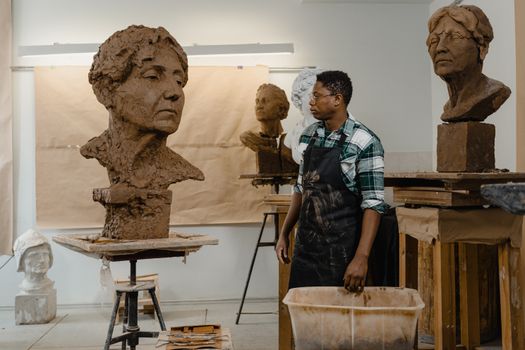
African American sculptor creating clay bust in an art studio, showcasing handmade artwork.Photo: Tima Miroshnichenko / Pexels
The art of sculpture in South Africa tells a story as rich and varied as its landscape, spanning millennia from ancient indigenous carvings to contemporary installations. Long before European influence, communities across Southern Africa crafted intricate figures, tools, and spiritual objects from wood, clay, and stone, each piece imbued with cultural significance and symbolic meaning. These early forms of sculpture were not merely decorative; they served essential roles in rituals, storytelling, and community life, reflecting a deep connection to nature and ancestral wisdom. The San people's rock art, though primarily two-dimensional, often features figures with a three-dimensional quality, hinting at a profound understanding of form and space. In more recent history, artists like Lucas Sithole and Sydney Kumalo brought African sculptural traditions into conversation with modernist aesthetics. Sithole, a self-taught artist, became renowned for his powerful and often monumental wooden sculptures, which depicted human and animal forms with a raw, emotional intensity. His work frequently explored themes of struggle, identity, and spirituality, drawing heavily on his Zulu heritage while engaging with universal human experiences. Kumalo, a key figure in the Polly Street Art Centre and later the Amadlozi Group, blended traditional African sculptural techniques with Western modernism. His bronze and wooden figures are characterized by their elongated forms, expressive gestures, and spiritual resonance, often portraying mythological creatures or human figures in moments of introspection or despair. Both Sithole and Kumalo, despite their different approaches, shared a commitment to creating art that was deeply rooted in their African identity yet spoke to a global audience. Their contributions elevated South African sculpture to international prominence, showcasing the depth and diversity of artistic expression in the region and inspiring a new generation of artists to explore the possibilities of three-dimensional art. Their works are vital components of any discussion on famous South African artists, demonstrating the enduring power of sculpture to convey complex narratives and emotions.

The Apartheid Era and Beyond: Art as Resistance and Reconciliation
Street art mural with iconic portraits on a wall in São Paulo, Brazil. Two people walk by.Photo: Jonathan Borba / Pexels
The apartheid era (1948-1994) was a period of immense suffering and resistance in South Africa, and art became a powerful tool for protest, documentation, and the preservation of human dignity. Artists, both black and white, used their canvases, sculptures, and performances to expose the brutality of the regime, to give voice to the voiceless, and to imagine a future free from oppression. This period saw the emergence of artists whose work was inherently political, challenging the status quo and contributing to the global anti-apartheid movement. Dumile Feni, often dubbed the 'Goya of the townships,' created searingly powerful drawings and sculptures that depicted the anguish and resilience of black South Africans under apartheid. His distorted figures and intense expressions conveyed the psychological toll of segregation and violence, making his work a raw and unforgettable testament to the era. Another pivotal figure is William Kentridge, whose animated films, drawings, and prints explore the complexities of South African identity, memory, and the aftermath of apartheid. His distinctive charcoal drawings, often animated through a process of drawing, erasing, and redrawing, create a sense of history's constant revision and the layered nature of truth. Kentridge’s work, while deeply rooted in South African history, resonates universally, addressing themes of power, injustice, and reconciliation. Post-apartheid, artists continued to grapple with the legacy of the past, exploring themes of healing, national identity, and the challenges of building a democratic society. Artists like Sam Nhlengethwa create vibrant collages and paintings that reflect on contemporary urban life, jazz culture, and the ongoing social transformations. His work often pays homage to historical figures and places, bridging the past and the present with a nuanced perspective. These artists, through their diverse mediums and powerful narratives, demonstrate how art can serve not only as a record of history but also as a catalyst for change and a medium for collective healing. Their contributions are essential to understanding the profound impact of socio-political events on the creative output of famous South African artists and the enduring power of art to shape public discourse. Explore more about South Africa's rich cultural heritage.

Contemporary Voices: Innovating and Inspiring the Future of South African Art
Expressive portrait of a shirtless man creating an artistic pose in sepia.Photo: Mad Knoxx Deluxe / Pexels
The contemporary art scene in South Africa is a dynamic and vibrant landscape, bursting with innovation, diverse perspectives, and a fearless spirit of exploration. Today's famous South African artists are not only building upon the rich legacies of their predecessors but are also pushing boundaries, engaging with global art dialogues, and addressing pressing contemporary issues. This new generation is characterized by its experimental approach to materials, its engagement with digital media, and its willingness to tackle complex themes ranging from post-colonial identity to environmental concerns, gender politics, and the complexities of modern African life. One of the most celebrated contemporary artists is Zanele Muholi, a visual activist whose photography challenges conventional representations of black LGBTQIA+ individuals. Muholi's powerful portraits, often self-portraits, aim to reclaim and celebrate black lesbian and transgender identities, making visible those who have historically been marginalized and underrepresented. Their work is both deeply personal and universally resonant, advocating for human rights and fostering greater understanding and acceptance. Another significant voice is Athi-Patra Ruga, known for his flamboyant, often satirical, and provocative performances, photography, and textile art. Ruga's work critiques societal norms, explores identity, and creates fantastical allegories that merge traditional African narratives with contemporary pop culture. His elaborate costumes and surreal imagery create immersive experiences that challenge viewers to reconsider their perceptions of beauty, gender, and race. These artists, alongside many others like Mary Sibande with her striking sculptural installations, and Mohau Modisakeng with his poignant video and performance art, are reshaping the narrative of South African art. They are not merely observers but active participants in shaping social discourse, using their art to provoke thought, evoke empathy, and inspire change. Their contributions ensure that South African art remains at the forefront of global contemporary art conversations, continually evolving and reflecting the multifaceted realities of a nation in constant motion. Here are some key trends in contemporary South African art:
  • Increased focus on interdisciplinary practices and mixed media.
  • Strong engagement with digital art and new technologies.
  • Critical examination of post-colonial identities and global inequalities.
  • Growing representation and celebration of diverse voices and experiences.
  • Emphasis on community engagement and socially conscious art projects.

Comparison

ArtistPrimary MediumKey ThemesNotable Contribution
Irma SternOil PaintingIndigenous cultures, portraits, landscapesPioneering modernist in SA
Gerard SekotoOil PaintingTownship life, social realismFirst black artist with international recognition
William KentridgeDrawing, Animation, FilmApartheid legacy, memory, socio-politicsGlobally acclaimed multi-media artist
Zanele MuholiPhotographyLGBTQIA+ identity, black portraitureVisual activist, human rights advocate

What Our Readers Say

5 ★★★★★

"This article beautifully captures the essence of famous South African artists. It's incredibly insightful and helped me appreciate the depth of our nation's artistic heritage even more."

5 ★★★★★

"As an art enthusiast, I found this piece on famous South African artists to be comprehensive and engaging. It highlighted artists I knew and introduced me to new, impactful voices."

5 ★★★★★

"Reading about these famous South African artists has inspired me to visit more local galleries. The descriptions of their work truly brought their stories to life for me."

4 ★★★★☆

"A very informative overview of famous South African artists. While I wished for more examples of contemporary sculptors, the insights into the apartheid era's influence were particularly strong."

5 ★★★★★

"This article is a treasure trove for anyone interested in famous South African artists. It's well-researched and makes a compelling case for the global significance of our local talent."

Frequently Asked Questions

Who are some of the most famous South African artists?
Some of the most famous South African artists include Irma Stern, Gerard Sekoto, Lucas Sithole, Sydney Kumalo, Dumile Feni, William Kentridge, Zanele Muholi, and Athi-Patra Ruga. These artists span different eras and mediums, each contributing significantly to the nation's artistic and cultural landscape with their unique perspectives and powerful works.
Is South African art recognized internationally?
Absolutely. South African art has gained significant international recognition, particularly in the post-apartheid era. Artists like William Kentridge and Zanele Muholi are celebrated globally, with their works exhibited in major museums and galleries worldwide, attracting critical acclaim and substantial market interest.
How did apartheid influence South African art?
Apartheid profoundly influenced South African art by shaping themes of resistance, identity, and social commentary. Many artists used their work to protest the regime, document injustices, and express the human experience under segregation. It also led to the development of unique artistic styles and narratives that reflect the era's struggles and resilience.
What is the value of investing in South African art?
Investing in South African art can be highly valuable, both culturally and financially. The market for works by famous South African artists has seen significant growth, with many pieces appreciating in value. Beyond monetary returns, it offers the opportunity to own a piece of rich cultural heritage and support a vibrant artistic community.
How does contemporary South African art compare to its historical counterparts?
Contemporary South African art often builds upon historical foundations while embracing new mediums, global influences, and a broader range of themes. While historical art often focused on documenting national identity or resisting apartheid, contemporary art delves into post-colonialism, gender, technology, and diverse identities, reflecting a more complex and interconnected world.
Who should explore famous South African artists?
Anyone with an interest in art, history, culture, or social commentary should explore famous South African artists. Their works offer deep insights into human experience, societal challenges, and artistic innovation, providing a unique lens through which to understand South Africa's past and present, and its place in global art.
Are there any risks associated with collecting South African art?
As with any art market, risks in collecting South African art include issues of provenance, authenticity, and market fluctuations. It's crucial to purchase from reputable galleries, auction houses, and dealers, and to conduct thorough research on both the artist and the artwork's history to mitigate these risks.
What are the future trends for famous South African artists?
Future trends for famous South African artists are likely to include continued exploration of digital and mixed media, increased global collaboration, a deeper engagement with environmental and social justice issues, and a further diversification of voices and perspectives, particularly from marginalized communities, solidifying their presence on the international stage.

Immerse yourself in the extraordinary world of famous South African artists. Explore their captivating works, understand their profound impact, and discover why their contributions resonate globally. Begin your artistic journey today.

Topics: famous south african artistssouth African art historysouth african sculptorscontemporary south african artsouth african painters