Explore the Best Sculpture Parks in Western Cape
sculpture parks in western cape

Explore the Best Sculpture Parks in Western Cape

Immerse yourself in a fusion of art and nature across the Western Cape's most captivating outdoor galleries.

Discover Your Artistic Escape

Key Takeaways

  • ✓ The Western Cape boasts a diverse range of sculpture parks, from formal gardens to sprawling estates.
  • ✓ Many parks are integrated with wine farms, offering a unique blend of art, nature, and gastronomy.
  • ✓ Sculpture parks feature works by both renowned local and international artists.
  • ✓ These spaces provide a tranquil escape and a unique way to experience contemporary art in a natural setting.

How It Works

1
Choose Your Park

Research the various sculpture parks based on location, artistic focus, and amenities. Consider whether you prefer a wine farm setting or a dedicated art space.

2
Plan Your Visit

Check opening hours, admission fees, and any booking requirements, especially for guided tours or peak seasons. Pack comfortable shoes and sun protection.

3
Immerse Yourself

Allow ample time to wander through the exhibits, appreciating each piece in its natural context. Engage with the art and enjoy the serene environment.

4
Combine Experiences

Many parks are near other attractions like wine tastings, hiking trails, or gourmet restaurants. Plan a full day to maximize your Western Cape exploration.

Unveiling the Artistic Treasures of the Western Cape
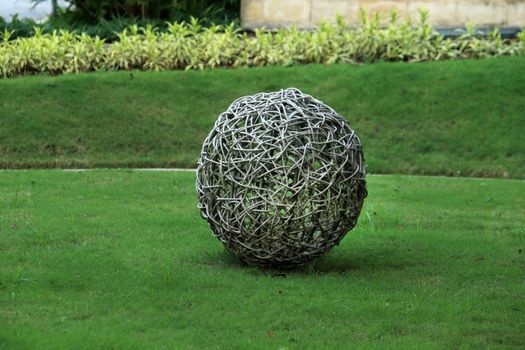
Artistic wicker ball sculpture elegantly placed in a lush garden setting. Photo: Jeffry Surianto / Pexels
The Western Cape, a region celebrated for its breathtaking landscapes, world-class wineries, and vibrant cultural scene, offers a truly unique dimension to art appreciation through its remarkable sculpture parks. These aren't just mere collections of statues; they are meticulously curated outdoor galleries where art dialogues with nature, where the changing light of day transforms a piece, and where the rustle of leaves or the distant call of a bird becomes part of the artistic narrative. For anyone seeking an immersive cultural experience that transcends the confines of traditional gallery walls, exploring the sculpture parks in Western Cape is an absolute must. From the rolling vineyards of Stellenbosch and Franschhoek to the coastal stretches and verdant valleys, these parks are strategically located to offer not just visual feasts but also tranquil escapes. They showcase a diverse array of sculptural forms, materials, and artistic philosophies, reflecting the rich tapestry of South African and international contemporary art. Visitors can expect to encounter everything from monumental abstract installations that challenge perception to whimsical figurative works that evoke smiles, all set against backdrops that range from manicured gardens and dense forests to open fields and dramatic mountain vistas. The beauty of these spaces lies in their ability to make art accessible and engaging for all ages, transforming a casual stroll into a profound journey of discovery. Many of these parks are integrated into larger estates, often wine farms, which means your artistic exploration can be seamlessly combined with a gourmet meal, a wine tasting, or even a leisurely picnic. This synergy of art, nature, and lifestyle creates an unparalleled visitor experience, making each sculpture park a destination in its own right. The Western Cape's commitment to fostering artistic expression in public and semi-public spaces is evident in the quality and variety of these installations. They serve as platforms for both established masters and emerging talents, contributing significantly to the region's reputation as a hub for the arts and culture. Whether you are a seasoned art connoisseur or simply looking for a beautiful and thought-provoking way to spend an afternoon, these outdoor galleries offer an enriching and memorable adventure, inviting you to slow down, observe, and connect with creativity in its most natural habitat.

A Deep Dive into Notable Sculpture Parks and Their Unique Offerings
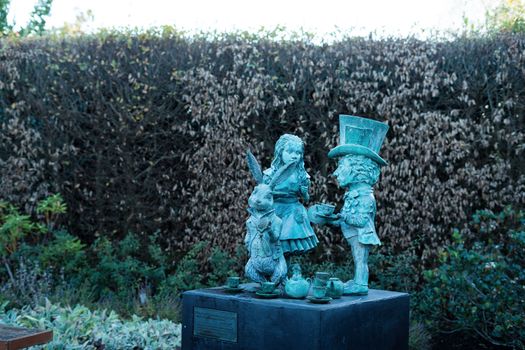
Bronze statue of Alice, Mad Hatter, and White Rabbit in a New Zealand garden. Photo: Gaurav Kumar / Pexels
The Western Cape is home to several distinguished sculpture parks, each with its own character and charm, promising a distinct experience. One of the most prominent is the Dylan Lewis Sculpture Garden in Stellenbosch. Nestled at the foot of the magnificent Stellenbosch mountains, this monumental garden is a sanctuary dedicated to the works of internationally acclaimed sculptor Dylan Lewis, known for his powerful bronze animal forms and shamanic figures. The garden itself is a work of art, with carefully planned pathways, indigenous fynbos, and water features that enhance the raw energy of Lewis's creations. It's a journey through a wild, primal landscape where art and nature merge seamlessly, inviting introspection and awe. Another gem is the Norval Foundation in Tokai, Cape Town, which, while primarily an indoor museum, boasts an exceptional outdoor sculpture garden. This space features large-scale contemporary sculptures by prominent African artists, set against the backdrop of the Constantiaberg Mountains and indigenous flora. The foundation's commitment to showcasing African art makes its outdoor collection particularly significant, offering a vibrant dialogue between art, architecture, and the natural environment. Beyond these dedicated spaces, many wine estates have embraced the concept of integrating art into their vineyards and gardens. Delaire Graff Estate in Stellenbosch is a prime example, renowned for its extraordinary collection of contemporary South African art, including numerous striking sculptures by artists like Anton Smit and Deborah Bell, meticulously placed amidst its award-winning gardens and vineyards. The interplay of world-class art with the estate's luxurious setting and panoramic views creates an unforgettable sensory experience. La Motte Wine Estate in Franschhoek also features a compelling art route, leading visitors through a collection of sculptures that celebrate the region's heritage and natural beauty. These installations often reflect themes of agriculture, history, and the human connection to the land, providing a thoughtful counterpoint to the estate's winemaking tradition. Each of these locations offers more than just a visual display; they provide an opportunity to engage with art in a dynamic, open-air environment, allowing for a different kind of contemplation and appreciation than a traditional gallery. The strategic placement of sculptures encourages visitors to explore, discover, and interact with the artwork from multiple perspectives, making each visit a unique and personal encounter with creativity.

Planning Your Artistic Journey: Tips for an Enriching Experience
Elegant collection of marble garden statues displayed in an outdoor garden center. Photo: Jan Wright / Pexels
To truly maximise your exploration of the sculpture parks in Western Cape, a little planning goes a long way. Firstly, consider the time of year and day for your visit. The Western Cape's climate can vary, with hot summers and mild, wet winters. Spring (September to November) and autumn (March to May) often offer the most pleasant weather for outdoor excursions, with comfortable temperatures and lush landscapes. Visiting earlier in the morning or later in the afternoon can also provide softer light for photography and a more serene atmosphere, avoiding the midday sun and crowds. Secondly, comfortable walking shoes are essential. Many sculpture parks involve extensive walking over varied terrain, from paved paths to grassy hillsides. Dressing in layers is also advisable, as weather conditions can change quickly. Don't forget sun protection – hats, sunglasses, and sunscreen are crucial, even on cloudy days. Hydration is key, so bring water, especially if you plan to spend several hours exploring. Thirdly, research individual park policies regarding photography, picnics, and pet accessibility. While most parks encourage photography, some may have restrictions on professional equipment or drones. Some parks are dog-friendly, but many are not, especially those integrated with nature reserves or private estates. Picnics might be allowed in designated areas, or you might find on-site restaurants and cafes offering delightful culinary experiences. Fourthly, consider combining your sculpture park visit with other regional attractions. Given that many parks are located in the Winelands, a wine tasting or a gourmet meal at a nearby estate is a natural pairing. The Western Cape also offers numerous hiking trails, historical sites, and vibrant markets that can complement your artistic adventure. For instance, after immersing yourself in the art at a Stellenbosch wine farm, you could explore the town's charming oak-lined streets and historic architecture, or even venture to nearby Franschhoek for more cultural experiences. Finally, allow ample time for each park. Rushing through will diminish the experience. The beauty of outdoor sculpture is its interaction with its environment, and taking the time to observe how a piece changes with the light, the wind, or the perspective can be incredibly rewarding. Engage with the information provided about the artists and their works, as this often adds deeper layers of understanding and appreciation. By keeping these tips in mind, you can ensure a truly enriching and memorable artistic journey through the Western Cape's magnificent sculpture parks.

Beyond the Canvas: The Impact and Future of Outdoor Art in the Western Cape

The proliferation of sculpture parks in the Western Cape signifies a broader trend in the art world: a move towards making art more accessible, experiential, and integrated with daily life. These outdoor galleries break down the traditional barriers of museums, inviting a wider audience to engage with contemporary art in a relaxed and often awe-inspiring setting. The impact extends beyond mere aesthetics; these spaces contribute significantly to local tourism, attracting visitors who seek unique cultural experiences. They also provide vital platforms for artists, offering expansive canvases for large-scale works that might not fit into conventional gallery spaces, and fostering a dynamic art ecosystem within the region. Furthermore, the integration of art with nature often highlights themes of environmentalism, sustainability, and the delicate balance between human creation and the natural world. Many sculptures use natural materials or explore concepts related to ecological preservation, prompting visitors to reflect on their own relationship with the environment. This symbiotic relationship between art and nature creates a powerful educational tool, subtly encouraging a deeper appreciation for both. Looking to the future, the Western Cape's sculpture parks are poised for continued growth and innovation. We can anticipate more collaborations between artists, landowners, and conservationists, leading to even more diverse and thought-provoking installations. There's a growing emphasis on interactive art, augmented reality experiences, and temporary exhibitions that keep the offerings fresh and dynamic. The potential for these parks to become central to the region's identity as a cultural and artistic destination is immense. **Tips for Maximizing Your Visit:** * **Check Accessibility:** Confirm if paths are wheelchair-friendly or if specific areas require more strenuous walking. * **Guided Tours:** Many parks offer guided tours that provide invaluable insights into the art and the artists. * **Wear Layers:** Weather can change quickly in the Cape; be prepared for sun, wind, or sudden chill. * **Bring a Camera:** The interplay of light, landscape, and art offers incredible photographic opportunities. * **Support Local:** If possible, purchase art or souvenirs from the park's shop to support the artists and maintenance of the grounds. * **Stay Hydrated:** Carry water, especially on warm days, as exploring can be extensive. * **Respect the Art:** Do not touch sculptures unless explicitly permitted, and stay on designated paths.

Comparison

FeatureDylan Lewis Sculpture GardenNorval Foundation (Outdoor)Delaire Graff Estate
Artistic FocusBronze Animal/Shamanic FormsContemporary African SculptureDiverse SA Contemporary Art
SettingWild Fynbos Mountain GardenIndigenous Garden, Mountain ViewsLuxury Wine Estate, Panoramic Views
Entry FeeApplicableApplicable (includes museum)Free (reservations recommended)
Wine/DiningLimited (nearby options)Restaurant on siteWorld-class restaurants on site
Best ForNature & Raw Art LoversModern African Art EnthusiastsLuxury Art & Wine Experience

What Readers Say

"The Dylan Lewis Sculpture Garden is an absolute masterpiece. Walking through it felt like stepping into another world; the sculptures are incredibly powerful and the setting is just breathtaking. Truly one of the best sculpture parks in Western Cape."

Sarah M. · Cape Town, ZA

"We spent an entire afternoon at Delaire Graff, admiring the art scattered throughout their exquisite gardens. Combining it with a wine tasting made for an unforgettable day. The quality of the art is exceptional, blending perfectly with the stunning scenery."

Johan P. · Stellenbosch, ZA

"The Norval Foundation's outdoor sculpture garden provided such a unique perspective on contemporary African art. The scale of some pieces is incredible, and viewing them with the mountains as a backdrop was a profound experience. It truly broadened my understanding of the local art scene."

Emily R. · London, UK

"While some parks can be a bit pricey, the immersive experience at these sculpture parks in Western Cape is well worth it. I particularly enjoyed the thoughtful placement of art at La Motte; it told a story as you walked through the vineyards. Just wish I had more time to explore them all!"

David L. · Durban, ZA

"As an artist myself, visiting these sculpture parks was incredibly inspiring. Seeing how artists use the natural environment as part of their canvas offers so many new ideas. It's a fantastic resource for anyone interested in large-scale installations and public art."

Nandi K. · Johannesburg, ZA

Frequently Asked Questions

What is the best time of year to visit sculpture parks in Western Cape?

The best time to visit is typically during the spring (September to November) or autumn (March to May) months. The weather is generally mild and pleasant, making it ideal for outdoor walking and exploration. Summers can be very hot, and winters can be rainy, though milder.

Are sculpture parks in the Western Cape suitable for children?

Many sculpture parks are indeed family-friendly, offering open spaces for children to explore. However, supervision is always recommended, and some delicate artworks may require extra caution. Check individual park websites for specific guidelines and child-friendly activities.

How do I get to these sculpture parks?

Most sculpture parks in the Western Cape are best accessed by car, as public transport options to some of the more rural locations can be limited. Many are located within easy driving distance of Cape Town, Stellenbosch, and Franschhoek, often on well-maintained roads.

Do I need to book in advance to visit a sculpture park?

While not always mandatory, it is highly recommended to check individual park websites for booking requirements, especially during peak season or for specific experiences like guided tours or restaurant reservations. Some smaller, more exclusive gardens may require pre-booking.

Are there any free sculpture parks in the Western Cape?

While many dedicated sculpture gardens have an admission fee to cover maintenance and artist support, some wine estates or public spaces might feature outdoor sculptures that are accessible without a separate charge, though entry to the estate itself might have conditions. Always verify with the specific location.

Who should visit sculpture parks in Western Cape?

Sculpture parks in Western Cape are ideal for art lovers, nature enthusiasts, photographers, families looking for unique outdoor activities, and anyone seeking a tranquil escape combined with cultural enrichment. They appeal to both seasoned art connoisseurs and casual visitors.

Is it safe to walk around these outdoor art spaces?

Generally, sculpture parks in the Western Cape are very safe, well-maintained, and often located on private estates with security measures. Visitors are encouraged to stay on marked paths and respect the artworks and natural environment. As with any outdoor activity, it's wise to be aware of your surroundings.

What future trends can we expect for sculpture parks in the region?

Future trends for sculpture parks in the Western Cape include increased integration of technology, such as augmented reality experiences, a greater focus on sustainable art and environmental themes, more temporary and rotating exhibitions to keep offerings fresh, and continued collaborations between art and the culinary/wine industries.

Embark on an unforgettable artistic journey and discover the unparalleled beauty of the sculpture parks in Western Cape. Plan your visit today to immerse yourself in a world where art and nature converge, offering inspiration and tranquility. Your next great adventure awaits!

Topics: sculpture parks in western capewestern cape art galleriesoutdoor art south africacape winelands sculpturegarden route art
Leo List

DK Escorts LU Escorts AT Escorts SE Escorts FI Escorts CH Escorts DE Escorts HR Escorts IE Escorts GR Escorts CZ Escorts NO Escorts BE Escorts FR Escorts SI Escorts IL Escorts NL Escorts PL Escorts HU Escorts ES Escorts IT Escorts PT Escorts SK Escorts RO Escorts ZA Escorts UY Escorts US Escorts UK Escorts NZ Escorts AU Escorts
Brampton weed
Adultwork EstrelaBet Vai de Bet R7 Bet Betão Galera Bet Rainbet Bet9ja Shop SportyBet BetKing Sisal Loto Foot Hollywoodbets YesPlay Odibets RushBet Jugabet BetWarrior BetCity MSport betPawa Fortebet