Uncover Vibrant Culture: South African Street Art Tours
south african street art tours

Uncover Vibrant Culture: South African Street Art Tours

Explore the rich tapestry of South African urban art, guided by local experts through dynamic cityscapes.

Book Your Art Adventure

Key Takeaways

  • ✓ South African street art is a powerful medium for social commentary and historical narrative.
  • ✓ Major hubs for street art include Cape Town, Johannesburg, and Durban.
  • ✓ Tours often involve local artists or community members as guides.
  • ✓ Art styles range from vibrant graffiti to intricate murals and political statements.

How It Works

1
Choose Your City & Tour

Select from diverse street art tours offered in cities like Cape Town or Johannesburg. Options cater to different interests and time commitments.

2
Meet Your Expert Guide

Join local artists or passionate art historians who will lead you through the urban galleries. They provide invaluable insights into the art and its context.

3
Explore Dynamic Artscapes

Walk or cycle through vibrant neighborhoods, discovering breathtaking murals and hidden gems. Learn about the stories behind each piece and its creators.

4
Immerse in Local Culture

Beyond the art, gain a deeper understanding of the communities that foster these creative expressions. Many tours support local initiatives and artists directly.

The Canvas of Change: Exploring South African Street Art Culture
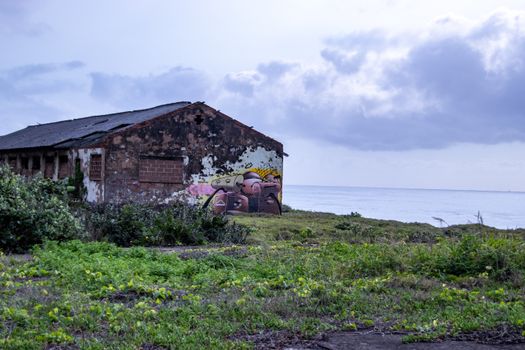
Abandoned building with graffiti near the sea in Durban, South Africa. Photo: Luka Fernandes / Pexels
South Africa is a nation built on stories – tales of struggle, resilience, hope, and vibrant cultural fusion. Nowhere are these narratives more vividly painted than on the streets of its bustling cities. South African street art tours offer a unique and profound gateway into this dynamic world, transforming mundane urban spaces into open-air galleries of immense power and beauty. This isn't just about admiring pretty pictures; it's about engaging with a living, breathing art form that reflects the soul of a nation. From the townships to the city centers, murals, graffiti, and installations serve as both historical records and contemporary commentaries, speaking volumes about identity, politics, community, and aspiration. The genesis of much South African street art is deeply rooted in the country's socio-political history. During the apartheid era, art, often clandestine, became a vital tool for protest, communication, and resistance. Artists used walls as platforms to voice dissent, share messages of solidarity, and depict the harsh realities of oppression. Post-apartheid, this tradition evolved, morphing into a powerful medium for reconciliation, remembrance, and the articulation of new national identities. Today, street art celebrates diversity, champions social justice, and often acts as a catalyst for urban regeneration and community empowerment. It bridges divides, sparks conversations, and provides a platform for marginalized voices to be heard. Understanding this historical context is crucial to appreciating the depth and significance of the art you encounter on these tours. What makes South African street art particularly compelling is its authenticity and raw energy. Unlike gallery art, which can sometimes feel exclusive, street art is inherently democratic, accessible to everyone, everywhere. It’s an art form that demands interaction, inviting passersby to pause, reflect, and interpret. Guided tours enhance this experience exponentially, as local experts provide context, share personal anecdotes, and introduce you to the artists themselves or the communities that inspired their work. They illuminate the symbolism, the techniques, and the messages embedded within each piece, turning a simple walk into an immersive cultural journey. Whether it’s a detailed portrait honoring a struggle hero, a vibrant abstract piece celebrating African heritage, or a poignant mural addressing contemporary social issues, each artwork tells a story that resonates deeply. These tours offer not just visual stimulation but also intellectual and emotional engagement, making them an unforgettable part of any South African itinerary. They are an essential experience for anyone seeking to understand the country's rich artistic landscape and its profound connection to its past, present, and future.

Cape Town's Creative Corridors: A Deep Dive into Urban Artistry
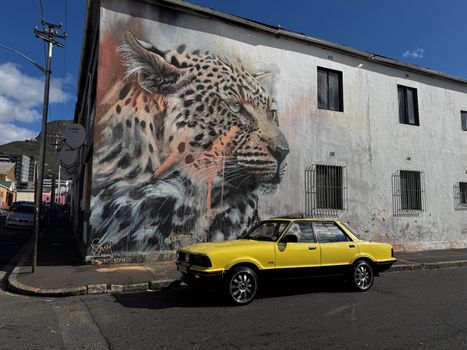
A striking leopard mural beside a vintage yellow car in Cape Town's Salt River district. Photo: Shamiel Soni / Pexels
Cape Town, with its iconic Table Mountain backdrop and vibrant multicultural fabric, is a primary destination for south african street art tours. The city's diverse neighborhoods each tell a different story through their urban canvases. A tour here often begins in areas like Woodstock or Salt River, which have transformed from industrial zones into bustling creative hubs. Here, you'll find an astonishing concentration of large-scale murals, often commissioned as part of urban regeneration projects or grassroots initiatives. These artworks are not merely decorative; they are often deeply political, social, and cultural statements, reflecting the community's aspirations and challenges. Artists like Faith47, Nardstar, and Freddy Sam have left indelible marks on these walls, creating a visual dialogue that engages both locals and visitors. Beyond Woodstock, areas like the Bo-Kaap offer a different kind of visual feast. While famous for its brightly colored houses, the Bo-Kaap also features subtle yet significant street art, often reflecting its unique Malay cultural heritage and the community's history. Further afield, townships like Langa or Khayelitsha present an even more profound street art experience. These tours, often community-led, not only showcase incredible artistic talent but also provide invaluable insights into township life, fostering direct engagement with residents and their stories. The art here is often raw, powerful, and deeply personal, speaking to themes of empowerment, education, and social progress. Guides, many of whom are from these communities, share first-hand accounts, adding layers of authenticity and meaning to the artworks. Cape Town's street art scene is characterized by its incredible variety of styles and techniques. You'll encounter everything from intricate stencils and bold graffiti tags to photorealistic portraits and abstract compositions. The themes are equally diverse, ranging from environmental awareness and wildlife conservation to historical commemoration and contemporary identity politics. Many tours also focus on the broader impact of street art, highlighting how it fosters dialogue, promotes social cohesion, and even generates economic opportunities for local artists and communities. Engaging with this art is an active process; it encourages questioning, empathy, and a deeper appreciation for the complex narratives that shape South Africa. A street art tour in Cape Town is more than just sightseeing; it's an immersive cultural education, revealing the city's heart and soul through its most accessible and dynamic art form.

Johannesburg's Urban Galleries: From Gold Rush to Global Art Hub
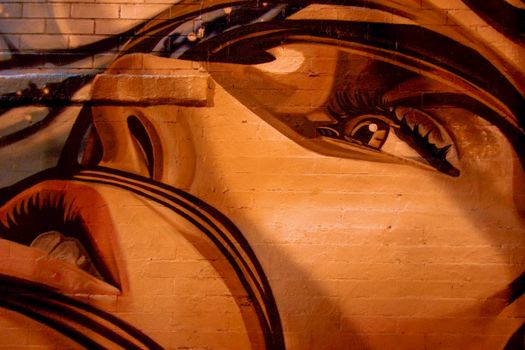
Colorful mural of a face showcasing vibrant street art on a city wall. Photo: Eduardo Romero / Pexels
Johannesburg, often dubbed the 'City of Gold,' boasts a street art scene as rich and multifaceted as its history. From its origins as a mining town to its current status as a bustling economic and cultural powerhouse, Jozi’s walls tell a compelling story of transformation. South African street art tours in Johannesburg typically delve into districts like Maboneng, Braamfontein, and Newtown, areas that have undergone significant revitalization, largely fueled by a burgeoning creative class and the pervasive influence of street art. These neighborhoods, once neglected, now pulse with vibrant energy, their buildings adorned with monumental murals that redefine the urban landscape. Maboneng Precinct is perhaps the most famous example of urban renewal through art. What was once a dilapidated industrial zone is now a thriving cultural hub, its streets lined with galleries, cafes, and an astonishing collection of murals by local and international artists. Here, you can witness the sheer scale and ambition of Johannesburg's street art, with pieces that span entire building facades. The art in Maboneng often reflects themes of African identity, urban life, and the celebration of diversity, acting as a vibrant counter-narrative to the city's more challenging aspects. Similarly, Braamfontein, home to several universities, boasts a youthful and politically charged street art scene, with works often addressing social commentary, student movements, and contemporary issues facing young South Africans. Newtown, with its historical significance as a cultural precinct, also offers a rich tapestry of street art, often blending with its industrial heritage. Here, you might find pieces that pay homage to jazz legends, celebrate indigenous cultures, or comment on the legacy of apartheid. Beyond these central areas, tours might also venture into Soweto, where street art takes on an even more profound significance. In Soweto, murals frequently commemorate historical events, honor struggle heroes, and express the enduring spirit of community. The art here is often deeply embedded in the daily lives of residents, serving as local landmarks and sources of pride. Johannesburg's street art is characterized by its bold colors, powerful imagery, and often its sheer size, reflecting the city's expansive and ambitious spirit. These tours provide not just an aesthetic appreciation but a crucial understanding of how art can drive social change and redefine urban spaces, making them essential for anyone seeking to grasp the pulse of this incredible city.

Tips for an Enriching South African Street Art Tour Experience

To truly maximize your experience on south african street art tours, consider these helpful tips. Firstly, always opt for a guided tour. While exploring independently might seem appealing, a local guide provides invaluable context, historical background, and often personal connections to the art and artists that you simply cannot get on your own. They can explain the symbolism, share anecdotes, and ensure your safety in unfamiliar areas. Secondly, wear comfortable shoes. These tours often involve a significant amount of walking, sometimes over uneven terrain, so practical footwear is essential. Hydration is also key, especially during warmer months, so carry a water bottle. Thirdly, be prepared to engage and ask questions. The beauty of street art lies in its ability to spark conversation. Don't be shy about inquiring about the artists, the techniques, or the messages behind the pieces. Your guide will appreciate your curiosity. Fourthly, bring a good camera (or a smartphone with a decent camera). Street art is incredibly photogenic, and you'll want to capture the vibrant colors and powerful imagery. However, always be respectful of the art and its surroundings; avoid touching murals and be mindful of people's privacy if you're taking photos in residential areas. Finally, consider the social impact of your tour choice. Many reputable street art tour operators in South Africa are committed to ethical tourism, meaning they directly support local artists, community projects, and the preservation of the art itself. Choosing such operators ensures that your visit contributes positively to the communities you explore. **Common Mistakes to Avoid:** * **Going Solo in Unfamiliar Areas:** While many areas with street art are safe, some can be less so, especially if you're not familiar with the local dynamics. A guide ensures safety and provides peace of mind. * **Rushing the Experience:** Street art is meant to be contemplated. Don't rush from one piece to the next. Take your time to absorb the details and the message. * **Ignoring the Context:** Without understanding the history and social context, you'll miss a significant part of the art's meaning. This is where a good guide is indispensable. * **Being Disrespectful:** Remember that many murals are in residential areas or hold deep cultural significance. Be respectful of local customs and privacy. * **Not Supporting Local:** If an opportunity arises to buy art from local artists or support community initiatives, consider doing so. It's a direct way to give back.

Comparison

FeatureGuided Street Art TourSelf-Guided ExplorationGallery Visit
Context & InsightDeep local knowledge, artist storiesLimited, relies on online researchCurated information
Safety & NavigationExpert-led, secure routesPotential for getting lost or unsafe areasControlled environment
Community EngagementDirect interaction, support localMinimalIndirect
Accessibility
SpontaneitySome flexibility, but structuredFull freedomMinimal

What Readers Say

"Our South African street art tour in Woodstock was absolutely brilliant. Our guide, Sipho, knew every artist and the story behind each mural. It felt like walking through a living history book, truly eye-opening."

Thandi M. · Durban, ZA

"The Johannesburg street art tour was a highlight of my trip. The art in Maboneng was breathtaking, and our guide's passion for the community and its artists was infectious. Highly recommend for a unique cultural experience."

Mark R. · London, UK

"I learned more about South Africa's history and social dynamics on this street art tour than any museum. The discussions around the art pieces provided such profound insights, completely transforming my perspective."

Aisha P. · New York, USA

"While the Cape Town street art tour was fantastic, I wished we had a bit more time at each piece. Nevertheless, the quality of the art and the guide's knowledge were exceptional, making it a very worthwhile experience."

Johan V. · Pretoria, ZA

"As an artist myself, exploring the street art of South Africa was incredibly inspiring. The raw talent and powerful messages on display, especially in the townships, offered a fresh perspective on urban art and its role."

Emily S. · Sydney, AUS

Frequently Asked Questions

What are the best cities for South African street art tours?

The most prominent cities for South African street art tours are Cape Town and Johannesburg. Both offer diverse scenes, from vibrant urban regeneration projects in areas like Maboneng and Woodstock to deeply historical and community-focused art in townships like Soweto and Langa.

Are South African street art tours safe?

Reputable street art tours prioritize safety by operating in well-vetted areas and utilizing experienced local guides. While general precautions should always be taken, these tours are designed to provide a secure and enriching experience, often fostering direct positive engagement with local communities.

How long do street art tours typically last?

Most South African street art tours range from 2 to 4 hours, depending on the city, the specific route, and the depth of exploration. Some specialized tours might be longer, potentially including additional cultural experiences or workshops.

What is the average cost of a street art tour in South Africa?

The cost of a South African street art tour can vary widely, typically ranging from R350 to R800 (approximately $20-$50 USD) per person. Prices depend on the duration, inclusions (like transport or snacks), and the expertise of the guide. Many tours also contribute directly to local artists or community projects.

How does street art in South Africa differ from other countries?

South African street art is uniquely characterized by its profound connection to the country's socio-political history, particularly apartheid and its aftermath. It often serves as a powerful medium for social commentary, reconciliation, and the celebration of diverse African identities, giving it a distinctive narrative depth compared to many other global street art scenes.

Who should consider taking a South African street art tour?

Anyone interested in culture, history, social justice, and contemporary art will find South African street art tours incredibly rewarding. They are ideal for travelers seeking an authentic, immersive experience beyond typical tourist attractions, offering a deeper understanding of the country's soul and its people.

Are these tours accessible for people with mobility challenges?

While many street art tours involve walking, some operators may offer alternative options like driving or cycling tours that can accommodate mobility challenges. It's best to inquire directly with tour providers about their accessibility options and specific route conditions before booking.

What is the future outlook for South African street art?

The future of South African street art looks incredibly bright and dynamic. With continued urban regeneration, increased recognition from both local and international art communities, and a new generation of artists, the scene is set to grow, evolve, and continue telling the powerful stories of the nation on its urban canvases.

Embark on an unforgettable journey through the vibrant narratives and visual splendor of South Africa. Book your south african street art tours today and discover the heart and soul of the nation painted on its streets.

Topics: south african street art tourscape town street artjohannesburg muralssouth africa art travelafrican urban art
Leo List
Brampton weed
Adultwork EstrelaBet Vai de Bet R7 Bet Betão Galera Bet Rainbet Bet9ja Shop SportyBet BetKing Sisal Loto Foot Hollywoodbets YesPlay Odibets RushBet Jugabet BetWarrior BetCity MSport betPawa Fortebet